The shower stretcher is an aid designed to facilitate personal hygiene operations in subjects with reduced or no mobility. It is an increasingly widespread solution in both the healthcare and domestic settings, where the need to guarantee safety, comfort and continuity of care during a delicate phase such as body care emerges.
Understanding the role of this tool means analyzing not only its technical characteristics, but also the context in which it is used. The management of assisted hygiene requires solutions that reduce operational risk and improve the experience for both the patient and the caregiver, making the shower stretcher a central element in the organization of spaces and procedures.
What is it? A shower stretcher and what are its characteristics
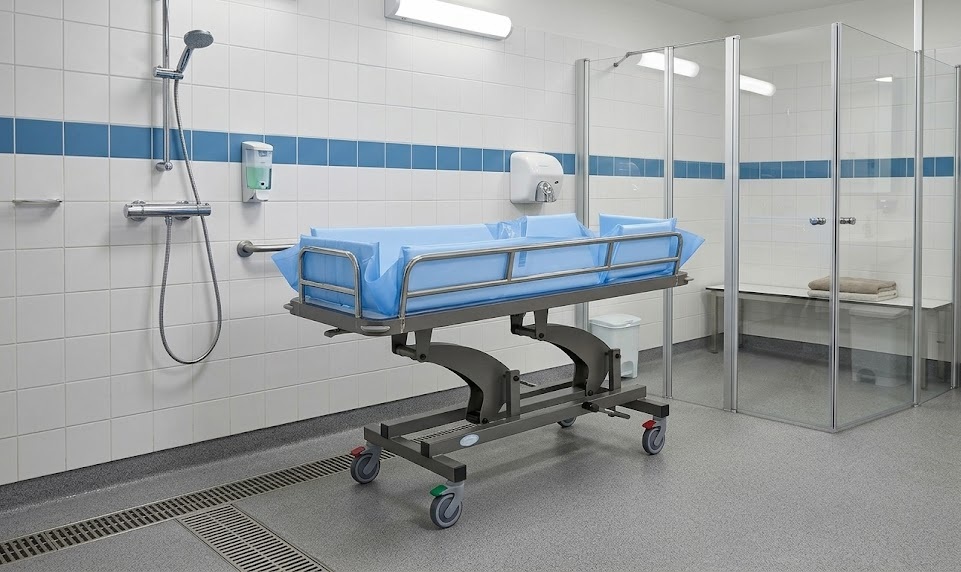
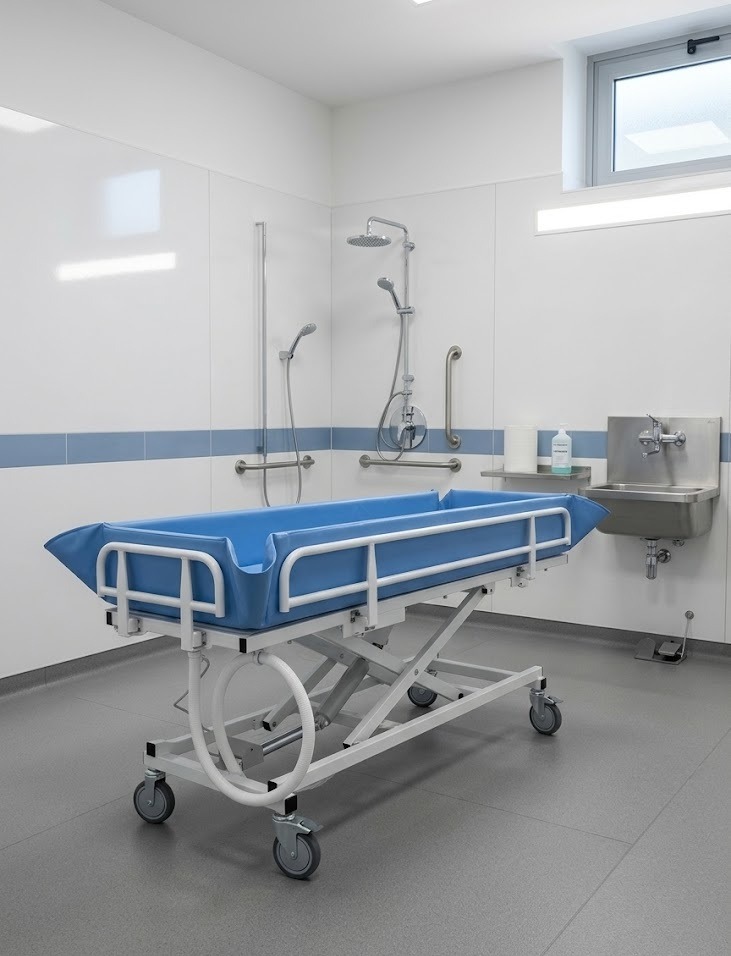
The shower stretcher is a device designed to allow the patient to be completely washed in a lying position. It is mainly used for people who are not self-sufficient, bedridden, or with severe mobility difficulties, offering a solution that avoids complex and potentially risky transfers.
This aid stands out for its water-resistant structure and the presence of systems that allow the drainage of liquids. The design is aimed at ensuring stability and ease of use, fundamental characteristics in healthcare settings where every operation must be performed with precision.
Definition and function of the aid
The term shower stretcher refers to a mobile or fixed support that allows patients to shower in a horizontal position. The main function is to facilitate daily hygiene without requiring complex movements or manual lifting.
This solution is particularly useful in cases where transferring the patient to a traditional shower is not possible or involves a high risk. The use of the stretcher therefore allows for maintaining adequate hygiene standards even in situations of limited autonomy.
Structural elements and main components
Shower stretchers are generally equipped with an ergonomic surface, lateral containment systems and adjustable structures. These elements allow the device to be adapted to the specific needs of the user.
The presence of wheels, braking systems and height adjustments helps to improve operational management. Each component is designed to resist humidity and guarantee a long life even under conditions of intensive use.
Contexts of use of the shower stretcher
The use of the shower stretcher varies according to the operational context. In the healthcare sector it represents a standard tool, while in the home it is adopted in specific situations related to continuous care.
The choice to introduce this aid depends on the need to improve the quality of care and reduce the physical load on operators or caregivers.
Healthcare sector and care facilities
In healthcare facilities, the shower stretcher is used to guarantee safe and standardized hygiene procedures. Hospitals, nursing homes and rehabilitation centers adopt these devices to manage patients with different levels of autonomy.
Its use allows for the optimization of operating times and the reduction of the risk of injuries during handling operations. This aspect is particularly relevant in high-intensity care settings.
Use in the home and home care setting
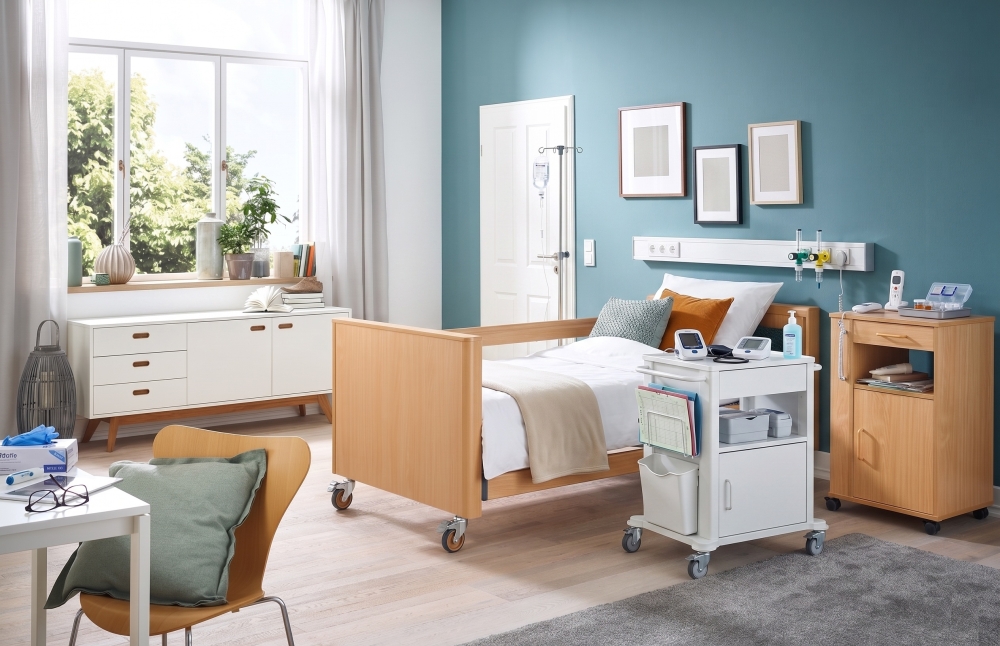
In the home setting, the shower stretcher is used in the management of chronically ill or non-self-sufficient elderly patients. The aim is to make daily hygiene possible in safe conditions, even in spaces not designed for healthcare.
The integration of this aid into the home environment requires a careful evaluation of the spaces and specific needs. However, it represents an effective solution for improving the quality of life of the assisted person.
Functionality and advantages in the management of assisted hygiene
The shower stretcher introduces a series of operational advantages that directly impact the quality of care. Among these, the improvement of patient comfort and the reduction of physical effort required of operators.
These aspects make the aid particularly relevant in contexts where continuity of care is a critical factor.
Patient comfort
Comfort is one of the main elements in the design of the shower stretcher. The ability to maintain a stable and supported position reduces discomfort during hygiene operations.
The quality of the materials and the ergonomic shape contribute to creating a more comfortable environment, improving the overall patient experience.
Safety for the operator and the patient
Safety is a central element in the management of assisted hygiene. The shower stretcher helps reduce the risks associated with falls or sudden movements, offering greater stability during operations.
At the same time, it makes the operator's work easier, reducing physical effort and improving posture during assistance.
When is it necessary to use a shower stretcher
The use of the shower stretcher becomes necessary in the presence of conditions that limit the patient's mobility. This includes temporary situations, such as post-operative recovery, or permanent conditions linked to chronic pathologies.
The assessment must be carried out considering the patient's level of autonomy and the capacity of the environment to support hygiene operations.
Conditions of reduced mobility
Patients confined to bed or with significant motor difficulties are the main recipients of this aid. In these cases, the shower stretcher allows adequate hygiene standards to be maintained without compromising safety.
The choice to use this device must be integrated into a broader care plan, which takes into account the patient's specific needs.
Support in daily hygiene activities
In addition to clinical conditions, the shower stretcher can be used to support daily activities when independent management of the shower is complex or risky.
This approach helps prevent critical situations and improve the quality of care in the long term.
How to evaluate the choice of shower stretcher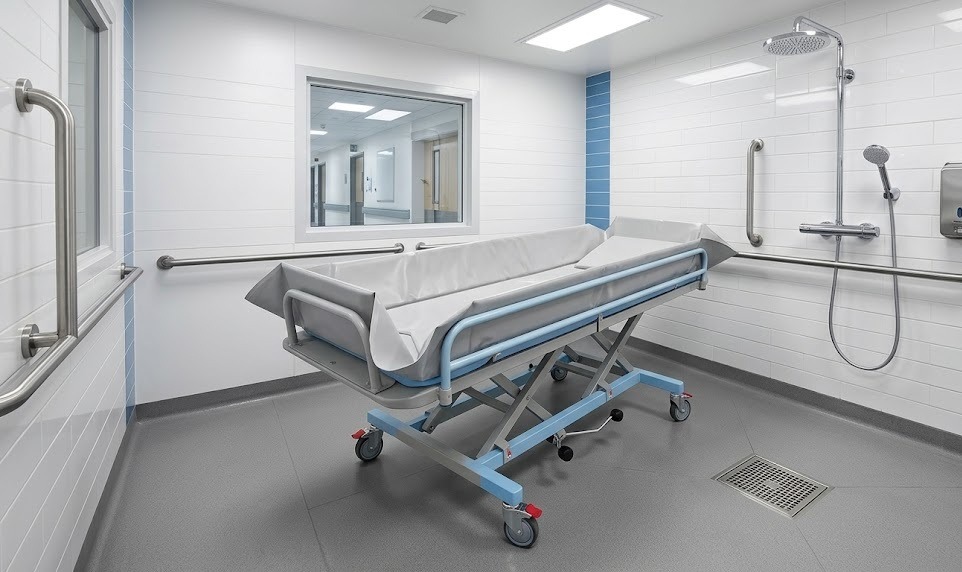
The choice of shower stretcher must be made considering various factors, including the available space, the patient's needs and the expected methods of use.
An accurate evaluation allows you to identify the most suitable solution, avoiding incompatibilities or operational difficulties.
Adaptability to spaces
The integration of the aid into the environment, whether healthcare or home, requires a verification of the dimensions and configuration of the spaces.
Ease of movement and accessibility are key elements to ensure effective use of the shower stretcher.
Technical and functional requirements
The requirements to consider include height adjustment, stability and the quality of the materials. These elements directly influence the durability and effectiveness of the device.
An informed choice allows you to optimize the investment and guarantee safe use over time.
The role of the shower stretcher in modern healthcare
The shower stretcher is now a fundamental tool in healthcare, helping to improve the quality of care and the safety of daily operations.
The evolution of healthcare needs makes the adoption of solutions designed to respond to specific needs increasingly important. In this scenario, the shower stretcher is a key element for the effective and professional management of assisted hygiene.
 English
  Italian
 French
 German
 Spanish