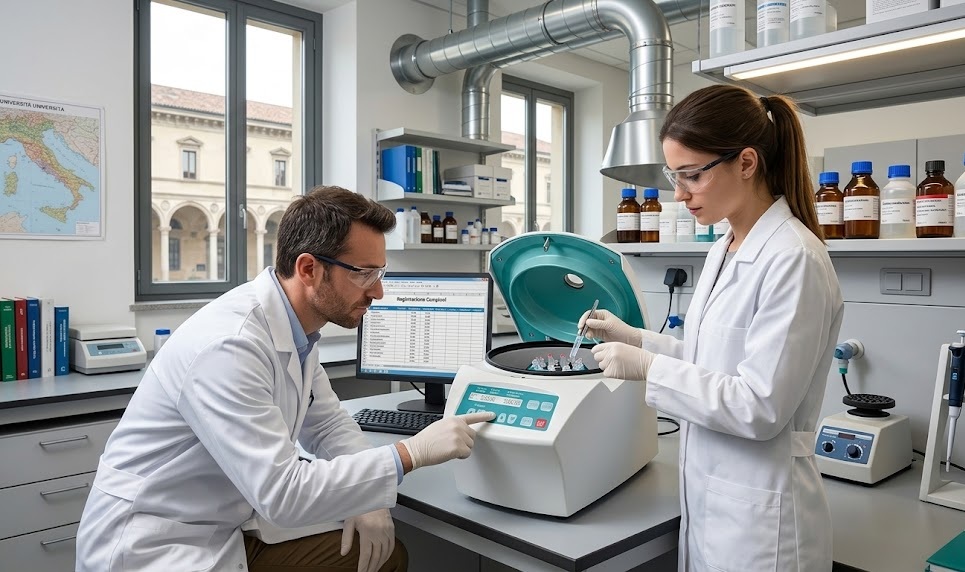
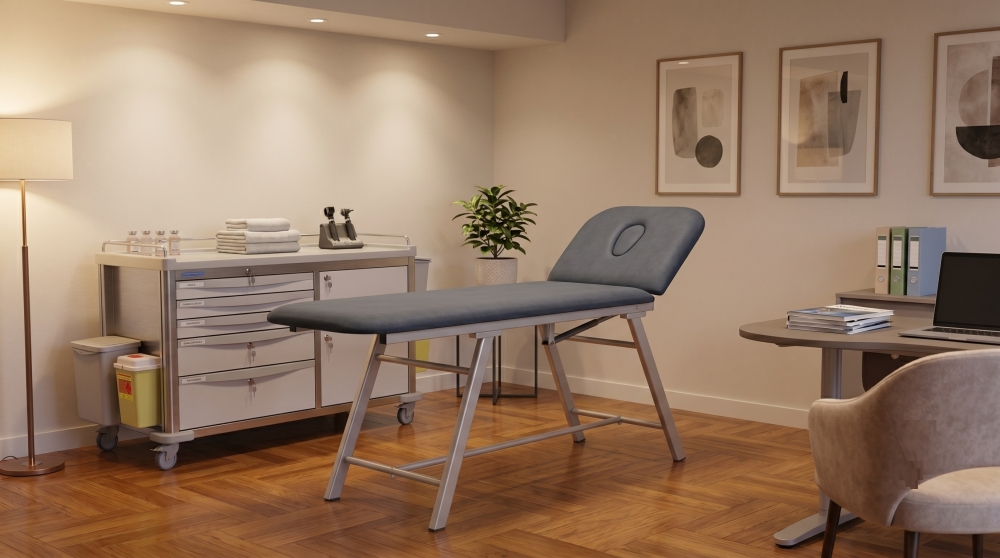
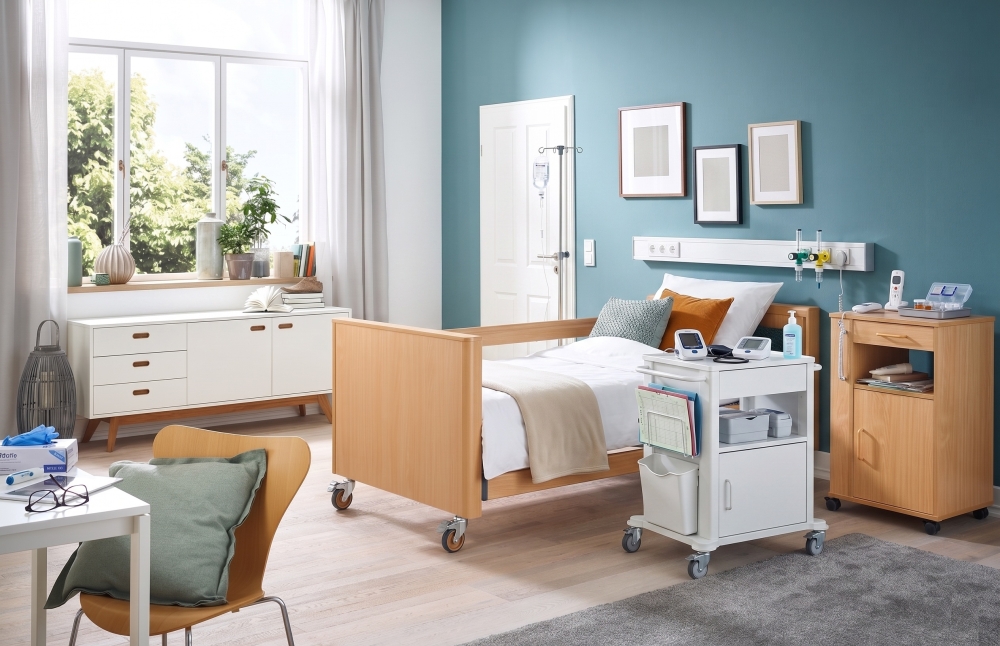
The equipment for chemical laboratories includes the set of equipment, instruments and technical furniture needed to carry out analysis, research, quality control and teaching activities in a safe and organised way. Companies, schools, universities, industrial laboratories and research centres have very different needs, but share a common goal: choosing reliable, durable products suitable for everyday use.
Purchasing the right laboratory equipment does not simply mean acquiring technical instruments, but designing a functional, orderly work environment that meets operational requirements. Chemical fume hoods, safety cabinets, balances, laboratory benches, containers and accessories must be chosen according to the type of activity carried out, frequency of use, available space and required level of safety.
For this reason, before making a purchase, it is important to carefully assess which instruments are truly essential and which features they should have according to the context of use. The right choice helps improve laboratory efficiency, reduce risks and optimise investments over time.
What is chemical laboratory equipment?
The term chemical laboratory equipment refers to all instruments and equipment used to carry out tests, measurements, preparations, analyses and experimental activities. This category includes both precision instruments, such as balances and measuring devices, and technical furniture designed for safety and space organisation.
In a professional chemical laboratory, every element must be chosen according to the work to be carried out. A school laboratory requires durable and easy-to-use solutions, while an industrial laboratory may need more specific equipment for handling chemicals, samples, reagents and sensitive materials.
Which instruments are essential in a chemical laboratory?
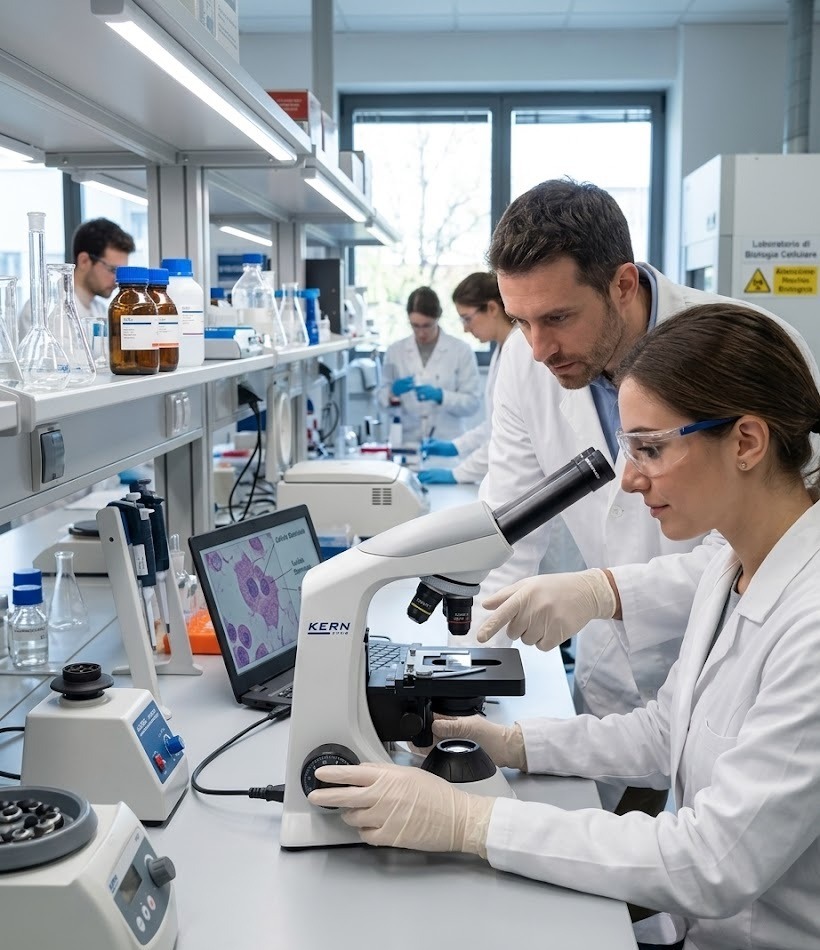
The essential instruments depend on the intended use of the laboratory, but some equipment provides a common basis for many activities. These include workbenches, storage cabinets, precision balances, fume hoods, technical containers and accessories for sample handling.
The choice must take into account not only the function of the instrument, but also the quality of the materials, ease of cleaning, resistance to wear and compatibility with the activities performed. In a chemical environment, order, safety and precision are fundamental aspects for ensuring operational continuity.
Main equipment for chemical laboratories
| Equipment |
Main function |
Area of use |
| Laboratory benches |
Stable and resistant work surface |
School, industrial and research laboratories |
| Chemical fume hoods |
Extraction and containment of vapours or potentially hazardous substances |
Chemical laboratories and analysis environments |
| Safety cabinets |
Orderly storage of reagents, chemicals or sensitive materials |
Companies, schools, industries and technical laboratories |
| Laboratory balances |
Precise weighing of samples and materials |
Analysis, research and quality control laboratories |
| Technical containers and accessories |
Organisation, collection and handling of materials |
Chemical, pharmaceutical and school laboratories |
How to choose equipment according to the type of laboratory
Not all laboratories have the same needs. A school laboratory should prioritise ease of use, durability and safety for students and teachers. A company laboratory, on the other hand, may require higher-performance instruments for quality control, material testing or process analysis.
To choose the right chemical laboratory equipment, it is useful to start with one question: what activities are carried out every day? The answer makes it possible to identify the equipment that is truly necessary, avoiding purchases that are not consistent with actual use.
Recommended equipment according to the laboratory
| Type of laboratory |
Recommended equipment |
Main objective |
| School laboratory |
Benches, cabinets, containers, basic instruments |
Safe and organised teaching |
| Analysis laboratory |
Balances, measuring instruments, fume hoods, technical accessories |
Precision and sample control |
| Industrial laboratory |
Chemical fume hoods, safety cabinets, resistant benches |
Operational safety and production continuity |
| Research laboratory |
Specialist instruments, technical furniture, storage systems |
Flexibility, precision and material management |
Technical furniture and space organisation
The quality of a laboratory does not depend only on the instruments used, but also on the organisation of the spaces. Benches, cabinets, shelving and containers must allow operators to work in an orderly way, reducing unnecessary movements and improving material management.
A well-designed environment facilitates access to instruments, makes cleaning easier and helps correctly separate work areas, storage zones and movement routes. This aspect is particularly important in laboratories where chemicals, samples or materials requiring careful handling are used.
 Safety and material quality
Safety is one of the most important aspects when choosing equipment for a chemical laboratory. Instruments must be suitable for the environment in which they are used, durable over time and made from materials appropriate for the intended activities. Easy-to-clean surfaces, robust structures and correct containment systems help reduce operational risks.
When purchasing furniture and instruments for professional laboratories, it is also advisable to assess build quality, stability, load capacity and compatibility with the products used. A solution that appears economical but is not suitable for intensive use may lead to higher costs over time in terms of replacements, maintenance or inefficiency.
Regulations and requirements to consider
Chemical laboratories are environments where it is essential to comply with safety procedures, proper material storage and the use of suitable equipment. The choice of equipment must therefore take into account the regulations applicable to the sector, internal safety instructions and the characteristics of the substances or samples handled.
In particular, it is important to assess the presence of suitable storage cabinets, fume hoods or extraction systems where necessary, resistant surfaces and equipment compatible with the intended use. Before purchasing, it is always advisable to check product data sheets and consult qualified personnel, especially when hazardous substances or specific processes are involved.
Mistakes to avoid when choosing laboratory equipment
One of the most common mistakes is purchasing instruments that are not proportionate to the real needs of the laboratory. Undersized equipment can slow down work, while an overly complex solution can be impractical or unnecessarily expensive.
Another mistake is considering only the price, while overlooking aspects such as durability, safety, ease of cleaning and support. In a professional laboratory, it is preferable to choose products suitable for daily use and designed to ensure reliability over time.
How to purchase equipment for a chemical laboratory
Before purchasing equipment, it is useful to prepare a list of the activities carried out, the materials used and the spaces available. This helps identify priorities and distinguish essential instruments from accessories.
For companies, schools, universities and public bodies, relying on a professional supplier makes it possible to compare different solutions, request personalised quotations and choose products that match the operational needs of the laboratory.
Frequently asked questions about chemical laboratory equipment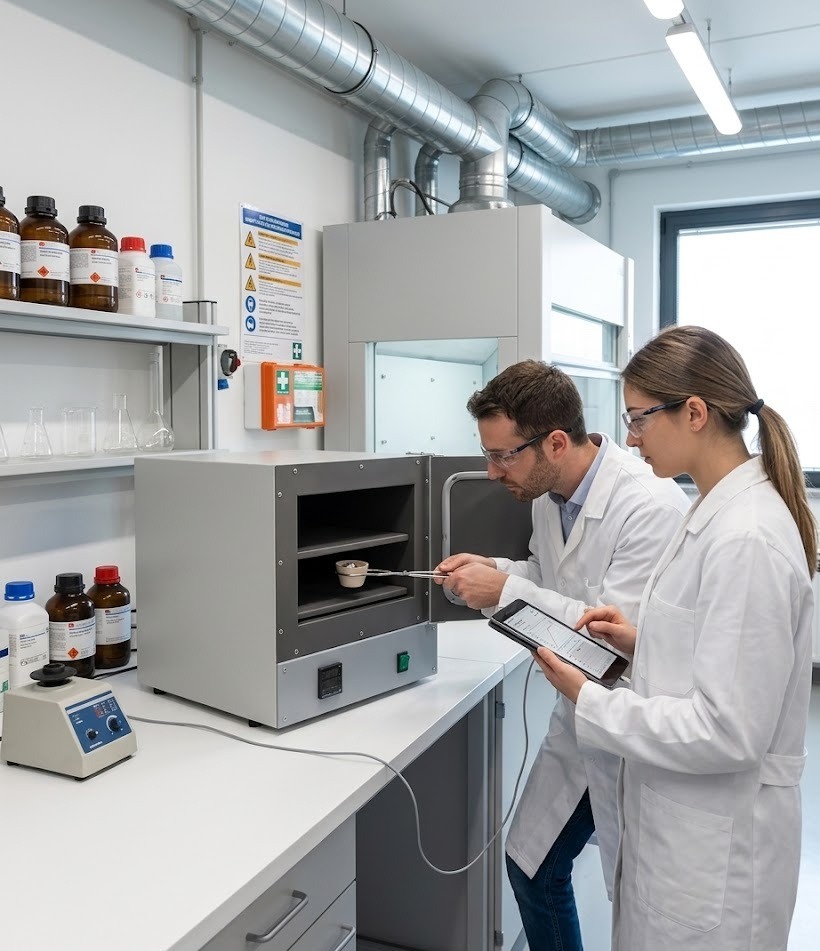
What are the essential instruments in a chemical laboratory?
The essential instruments vary according to the activity carried out, but they generally include workbenches, safety cabinets, chemical fume hoods, balances, technical containers and accessories for sample management.
How should equipment for a school laboratory be chosen?
For a school laboratory, it is important to prioritise robust, safe and easy-to-use instruments suitable for frequent use by students and teachers.
Why are safety cabinets important in a laboratory?
Safety cabinets allow materials, reagents and substances to be stored in a more orderly and controlled way, helping to improve workplace safety.
When is a chemical fume hood needed?
A chemical fume hood is useful when the activities carried out may generate vapours, odours or substances that require extraction and containment. The choice always depends on the type of process and the materials used.
How can a chemical laboratory be best organised?
A chemical laboratory should be organised by correctly separating work areas, storage zones and movement routes. Technical furniture and instruments should be easily accessible and chosen according to daily activities.
Chemical laboratory equipment: a technical and functional choice
Choosing the right chemical laboratory equipment means creating a safer, more orderly and more efficient work environment. Each piece of equipment must be assessed according to its function, material quality, frequency of use and the specific needs of the laboratory.
For companies, schools, universities and research centres, a professional catalogue and support in the selection process can help identify the most suitable solutions. Correctly assessing instruments, furniture and safety systems makes it possible to optimise the investment and improve day-to-day laboratory management.
 English
  Italian
 French
 German
 Spanish