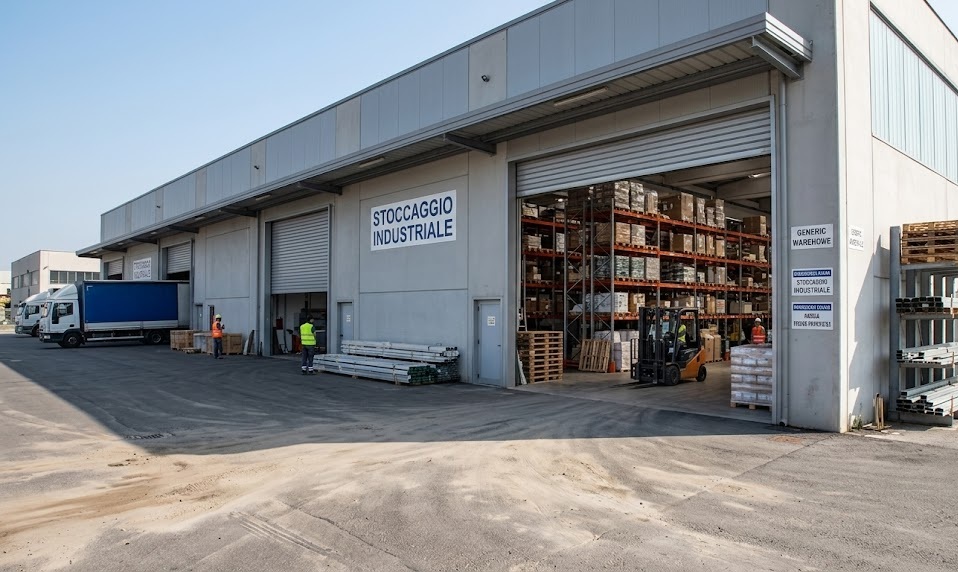
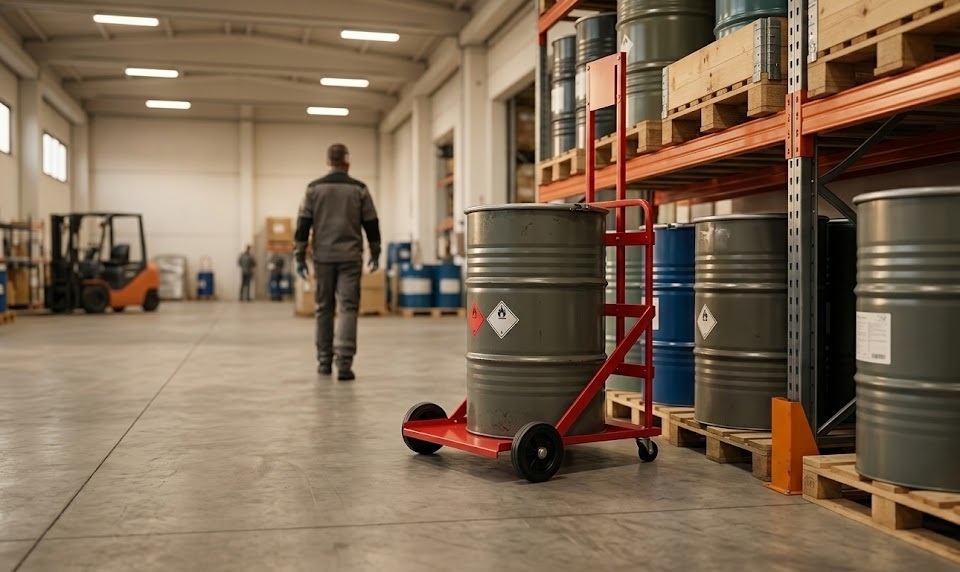
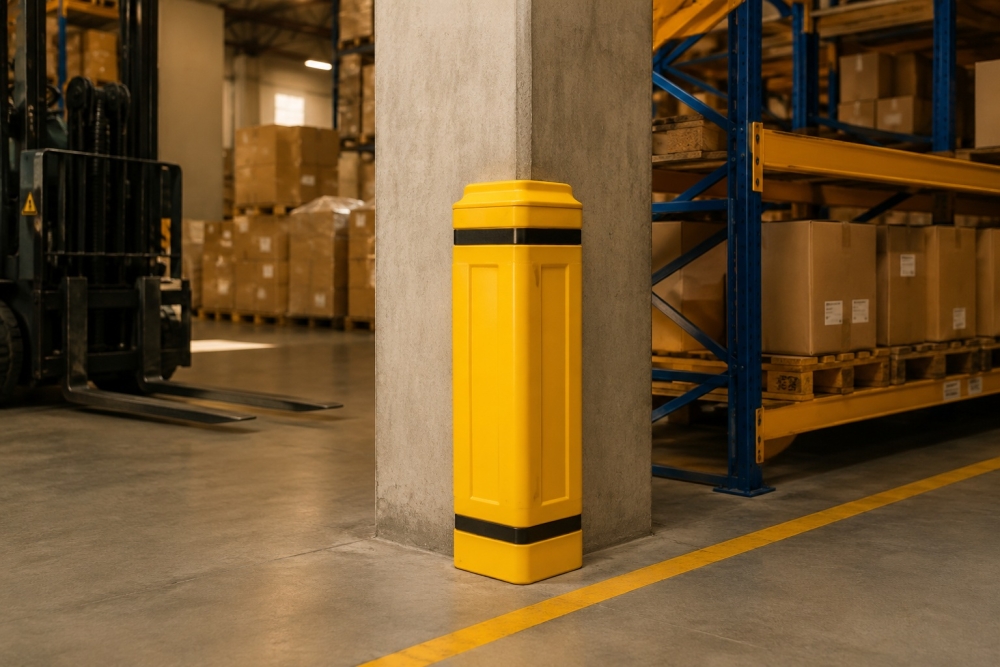
The choice of industrial storage systems It's not just about purchasing shelving or metal structures. For a logistics manager, it means defining how goods enter, are moved, remain available, and leave the warehouse without causing delays. An unsuitable solution can take up valuable space, complicate picking, and generate unnecessary operational steps.
In a logistics warehouse Every square meter has an operational value. For this reason, the choice must begin with a concrete assessment of goods, volumes, weights, rotation, and handling methods. A warehouse with standard pallets requires different criteria than a space intended for long materials, industrial components, spare parts, or bulky products.
Identifying the best storage system therefore means comparing the various available solutions based on their intended function. Pallet racking, cantilever structures, modular shelving, and shelf systems meet different needs and must be chosen based on the actual warehouse organization.
Why choosing a storage system affects warehouse efficiency
A well-designed storage system reduces downtime, unnecessary travel, and congestion in operational areas. When goods are arranged in a manner consistent with picking frequency, operators work more fluidly and handling equipment can move more predictably.
The term industrial storage systems This refers to the set of structures designed to organize goods, materials, and equipment within production, logistics, or commercial spaces. Their function is not only storage, but also organizational: pallet racking, cantilever racking, or modular systems directly impact merchandise visibility, load security, and speed of access.
The main criteria to evaluate before purchasing
The choice should begin with a mapping of operational needs. It's useful to consider which products are stored, how frequently they are moved, which vehicles are used, and any physical constraints on the space. A high-turnover warehouse requires immediate accessibility and orderly routes, while a warehouse with slow-moving goods may prioritize storage density.
Another criterion concerns scalability. Logistics, manufacturing, and commercial companies can change volumes, references, and operating methods over time. For this reason, an overly rigid system risks becoming a limitation, while modular industrial shelving They allow the warehouse to be adapted to future expansions or reorganizations.
How to choose the most suitable storage system for your warehouse?
The choice of storage system must begin with an analysis of the warehouse's characteristics and the goods to be handled. There is no one-size-fits-all solution: a warehouse dedicated to standard pallets has very different needs than a warehouse for loose components, long materials, or spare parts.
Before purchasing, it's advisable to evaluate the weight of the loads, the frequency of handling, the available space, the useful height of the room, and the equipment used to retrieve the goods. Only a comprehensive assessment allows you to choose truly functional shelving that can improve work organization.
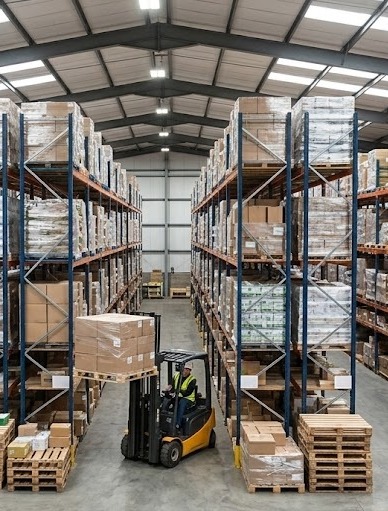 Type of goods, weight and frequency of movement
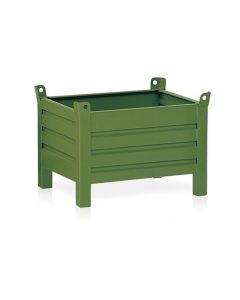
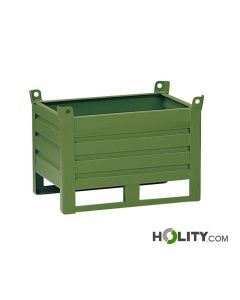
The goods themselves are the first element to analyze. Pallets, containers, boxes, tubes, panels, metal profiles, and oversized components require different structures. Weight affects the capacity of the racks, while the shape of the material determines how it is placed and retrieved.
The frequency of movement determines the distribution of space. High-rotation items should be more accessible, while less frequently moved items can occupy less central areas. A correct combination of load capacity, accessibility and rotation of goods improves productivity without necessarily increasing the warehouse surface area.
Available space, layout and operational accessibility
Available space should not be evaluated solely in terms of surface area. Usable height, aisle width, location of access points, lighting, and the presence of structural obstacles all influence the choice of system. In some cases, it may be preferable to develop storage at a height, provided that the equipment and operating procedures allow it.
The layout must promote a clear flow. An orderly warehouse allows operators to quickly identify areas, limit picking errors, and keep pedestrian paths and handling vehicles separate. storage systems for logistics warehouses they must therefore also be chosen in relation to internal traffic.
The most popular solutions for industrial storage
The main storage solutions meet different needs. Pallet racking is suitable for palletized goods and warehouses with forklift handling. Cantilever structures are suitable for long or difficult-to-manage materials with traditional shelving. Modular systems allow you to configure shelves, racks, and accessories based on loads, volumes, and available space.
Comparison of the main storage systems
| System |
Ideal for |
Main advantages |
| Pallet racking |
Palletized goods and logistics warehouses |
Direct access to pallets and rapid inventory management |
| Cantilever |
Long materials, tubes, profiles and panels |
Excellent lateral accessibility and better management of bulky loads |
| Modular shelving |
Dynamic or growing warehouses |
Flexibility, configurability and expandability |
| Shelving units |
Spare parts, small parts, boxes and lightweight materials |
Simple manual picking and orderly organization of references |
Pallet racking for high-turnover warehouses
Pallet racking is among the most widely used solutions in logistics and industrial warehouses. It allows for pallet storage on multiple levels, improving the use of vertical space and keeping load units accessible. It is particularly suitable when goods enter and exit regularly and when quick location identification is required.
In a high-turnover warehouse, pallet racking must adapt to the operating rhythm. If the aisles are too narrow for the equipment used, maneuvering becomes slow. If the positions are not logically distributed, picking can become less efficient.
Cantilevers and structures for long or bulky materials
Cantilever racks are designed for materials that don't fit well on traditional shelves. Pipes, rods, profiles, panels, beams, and long components require stable support points and easy lateral access. This solution allows you to organize bulky goods while avoiding unsafe stacking or improvised floor storage.
The assessment must consider the length, weight, and method of collection of the material. If the materials are moved with forklifts, cranes, or other means, the maneuvering space must be adequate. In this sense, the cantilever for warehouse It is a technical solution that requires attention to layout, scope, and accessibility.
Modular systems for dynamic and growing warehouses
Modular systems are ideal when your warehouse needs to remain flexible. They can be used for different goods, components of varying sizes, spare parts, consumables, or non-palletized products. Their strength lies in the ability to progressively configure shelves, levels, and accessories.
Modularity, however, must be interpreted carefully. A modular system does not eliminate the need to define load capacities, dimensions, and access logic. In a professional context, modular storage systems They are effective when they combine flexibility and operational order.
Which shelving should I choose based on the type of warehouse?
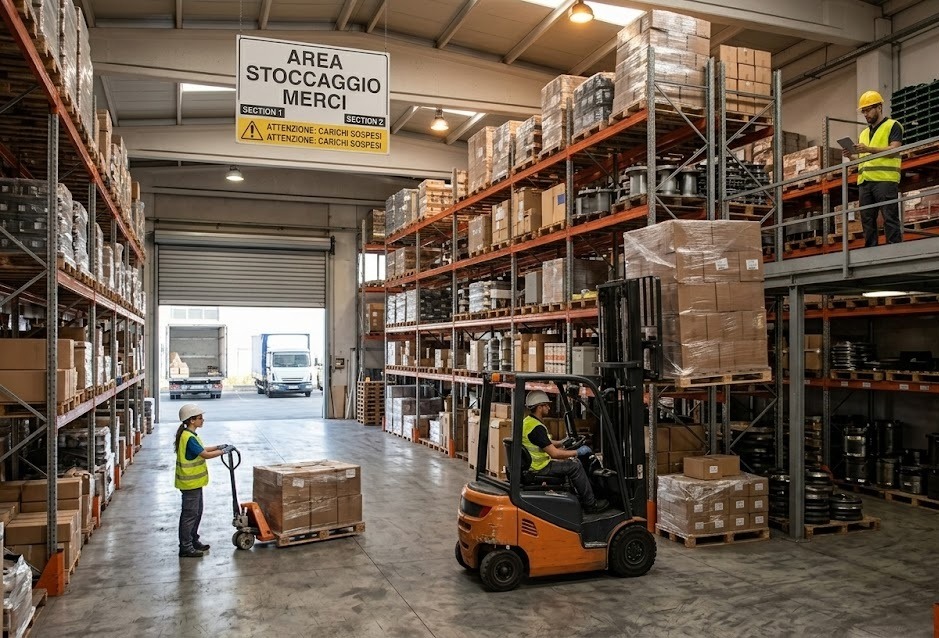
Each warehouse has different operational needs. In logistics warehouses,
For high-turnover warehouses, pallet racks that allow quick access to load units are generally preferable. For warehouses dedicated to spare parts or small parts, modular racks with adjustable shelves are more suitable.
Companies handling tubes, rods, or panels may opt for cantilever racking, while for constantly evolving warehouses, it's often advisable to choose modular systems that can be easily expanded over time. Finding the most suitable solution means optimizing available space and improving the efficiency of daily operations.
Safety, capacity and build quality
Safety is a key criterion when choosing storage systems. Each structure must be suitable for the expected loads, usage patterns, and the environment in which it is installed. Load-bearing capacity, stability, quality of finishes, material resistance, and proper assembly all impact the operational continuity of the warehouse.
There construction quality of industrial shelving It should be viewed as an operational investment, not simply as a product feature. Robust, well-sized structures that are consistent with actual loads reduce the need for corrective interventions and improve day-to-day management.
When consultancy support helps you make better choices
Selecting a storage system may require technical, logistical, and commercial expertise. In many cases, the logistics manager is familiar with the operational problem but needs to compare available solutions, capacities, and configurations. Consulting support helps translate the warehouse's needs into a concrete choice, reducing waste and evaluation times.
A professional supplier must offer not only products, but also guidance in choosing the right product. A catalog, quote, assistance, and clear information allow you to better evaluate the most suitable solution. For companies, organizations, and operational structures, the ability to request a comparison before purchasing is a concrete advantage. In this process, Holity positions itself as an interlocutor for professional equipment, industrial furniture and technical supplies.
Frequently Asked Questions about Industrial Storage Systems
What is the best storage system for a warehouse?
It depends on the type of goods, the frequency of handling, and the available space. Pallet racking is the most common solution for logistics warehouses, while modular and cantilever systems meet more specific needs.
How to choose industrial shelving?
It is important to evaluate the capacity, size of the loads, handling methods, warehouse height, aisle width, and the possibility of future expansion of the facility.
What are the main storage systems?
Among the most commonly used solutions are pallet racking, modular shelving, cantilever racking, and shelving for light goods, spare parts, or small parts.
Why choose modular shelving?
Modular shelving allows you to expand or reconfigure your warehouse over time, easily adapting to evolving logistics and production needs.
A tidier choice for a more productive warehouse
Choosing the most suitable storage system means improving warehouse organization even before increasing available capacity. The right solution must simplify access to goods, reduce unnecessary movements, and support a layout consistent with daily operations.
To locate the systems of industrial storage To better match your warehouse, it's helpful to start with a thorough analysis of your operational needs. The type of goods, frequency of movement, available space, and growth prospects should guide the decision. A professional catalog and selection tool can facilitate this process, especially when the warehouse requires different technical solutions or customized configurations.
 English
  Italian
 French
 German
 Spanish