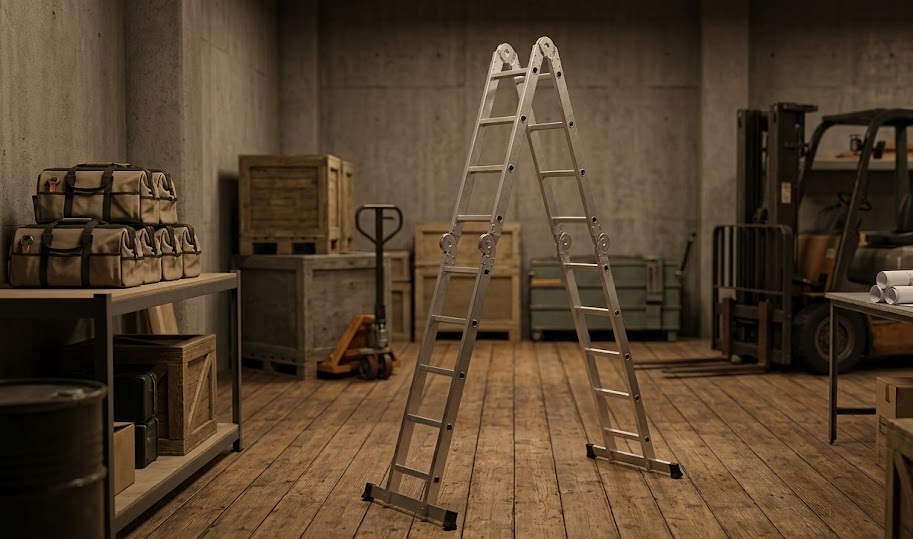
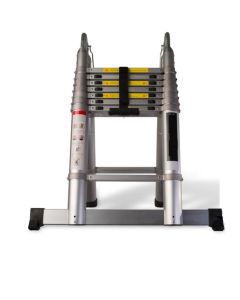
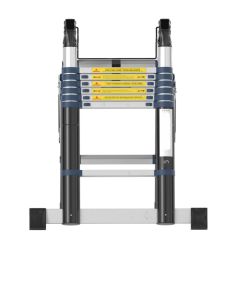
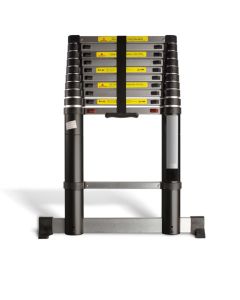
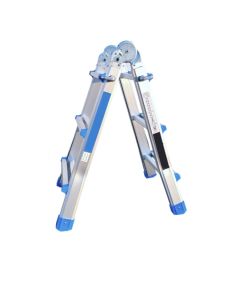
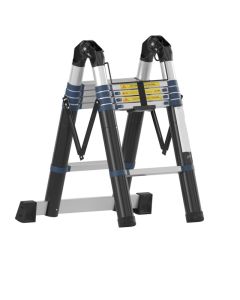
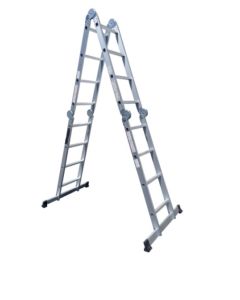
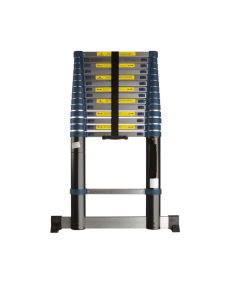
Industrial and professional activities require reliable, durable equipment designed to ensure high safety standards. Among the most widely used tools for maintenance, installation, logistics, and plant management operations, telescopic industrial ladders represent a particularly popular solution thanks to their versatility and ability to adapt to different operating contexts.
The ability to adjust the height according to work needs allows you to use a single piece of equipment for multiple applications, optimizing storage space and improving operational efficiency. However, to choose the most suitable model, it is necessary to carefully evaluate a series of technical characteristics that directly impact the safety and durability of the ladder.
What are telescopic industrial ladders
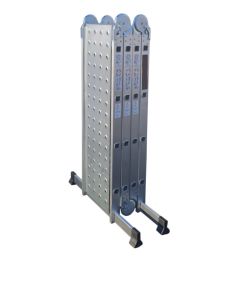
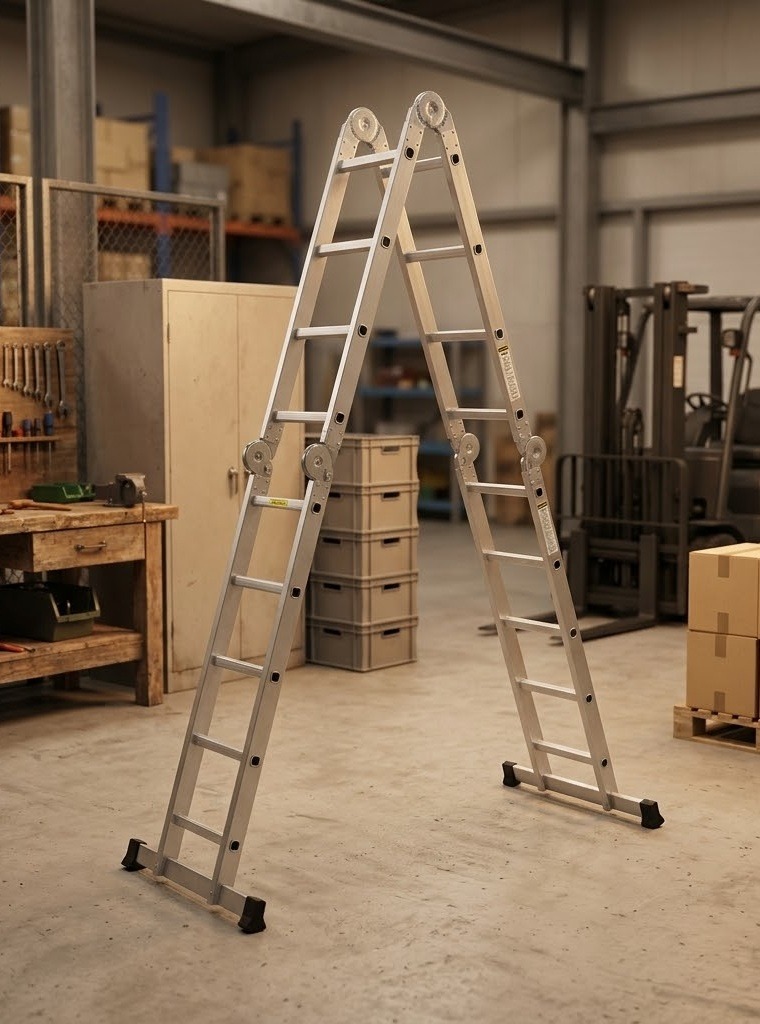
Telescopic ladders are devices made up of extendable sections that slide inside each other, allowing you to change the working height quickly and conveniently. This configuration allows for significantly reduced space requirements during transport and storage compared to traditional ladders.
In the industrial sector, they are used for maintenance, technical activities, logistical operations, and installation work. Their ability to adapt to different heights makes them particularly useful in dynamic environments where operational needs can change frequently.
 Why choose a telescopic ladder for industry
One of the main advantages of telescopic ladders is their versatility. A single product can be used to work at different heights without the need for multiple dedicated equipment. This allows companies to optimize investments and simplify the management of operational equipment.
Furthermore, the possibility of completely folding the structure facilitates transport between different departments or construction sites and allows for a reduction in the space required for storage. These features are particularly advantageous in industrial environments where the organization of spaces is a strategic factor.
The robustness of the structure
Among the most important aspects to evaluate is the construction solidity. A ladder intended for professional use must be designed to withstand frequent use and often demanding operating conditions. The quality of the materials and structural components directly influences the durability and reliability of the equipment.
Telescopic industrial ladders are generally made of high-strength aluminum, a material that offers an excellent balance between strength and lightness. This combination ensures high performance without compromising ease of movement.
Safety and locking systems
Safety is the priority criterion when choosing any equipment intended for working at height. For this reason, telescopic industrial ladders they must be equipped with reliable locking systems that guarantee stability. of the structure during use.
Locking mechanisms allow the telescopic sections to be fixed in the desired position and prevent accidental movements. The presence of visual indicators of correct locking can also help further improve operational safety.
Maximum load capacity and load capacity
Each ladder is designed to support a specific maximum load. Before purchasing, it is essential to check that the declared load capacity is compatible with the operational needs of the company and with the overall weight of the operator and any tools used during work.
Correctly assessing the load capacity helps ensure safe conditions of use that comply with the manufacturer's instructions. Ignoring this aspect can compromise the stability of the structure and increase the risk of accidents.
Working height and available configurations
Operational needs can vary significantly from one context to another. Some activities Some require interventions at relatively low heights, while others involve work on systems, shelving, or particularly high structures.
For this reason, the market offers models with different maximum extensions and configurations. The choice should be made considering the usual working height and allowing for an adequate operating margin to ensure greater flexibility in daily use.
Stability and non-slip supports
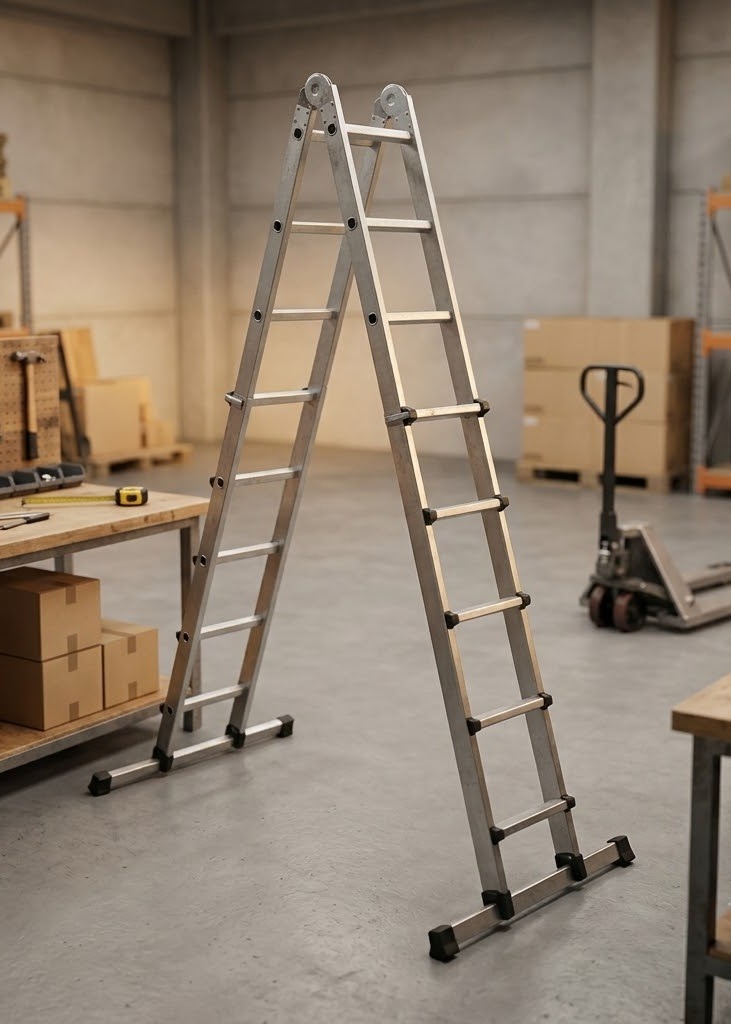
A safe ladder must guarantee a stable base during all phases of use. Non-slip feet are a fundamental element because they improve grip on the floor and help reduce the risk of accidental slipping.
In industrial environments where there may be smooth surfaces or surfaces subject to contamination by dust and liquids, the quality of the supports takes on even greater importance. Careful design of these details contributes significantly to operator safety.
Regulations and certifications to check
Equipment used in a professional context must comply with specific regulatory requirements. Checking compliance with European regulations and applicable certifications allows you to purchase products designed according to recognized quality and safety standards.
The presence of certifications is an important indicator of the ladder's reliability and helps ensure compliance with workplace safety regulations.
Maintenance and durability
Proper maintenance is essential to maintaining the ladder's performance over the long term. Periodic checks, cleaning of telescopic guides, and checking of locking systems help maintain high safety standards and extend the useful life of the equipment.
Investing in a quality product means reducing the risk of frequent replacements and containing the operating costs associated with managing company equipment.
How to choose the most suitable telescopic ladder
The selection of the ideal model must start from an analysis of the real operational needs. Working height, frequency of use, load capacity and environmental conditions are the main criteria to consider in the evaluation.
Holity offers various professional solutions for companies, warehouses and industrial environments, providing equipment designed to guarantee safety, reliability and durability over time. Relying on specialized suppliers allows you to more easily identify the solution best suited to your specific operational needs.
A versatile solution for professional activities
The telescopic industrial ladders are an indispensable tool for numerous maintenance and plant management activities. Thanks to their ability to adapt to different heights and ease of transport, they offer high operational flexibility.
Carefully evaluating sturdiness, safety, load capacity, locking systems, and certifications allows you to make a more informed choice and invest in equipment capable of guaranteeing reliable performance over time. In the industrial sector, the quality of the ladder is a fundamental element for working efficiently and safely.
 English
  Italian
 French
 German
 Spanish