Understanding how much it costs to furnish a hotel is essential when opening a new accommodation facility or planning to renovate the rooms and common areas. The budget depends on the number of rooms, the hotel category, the quality of the supplies and the level of customization required. In particular, the prices of hotel furniture can vary significantly depending on the equipment planned for the rooms, reception and shared spaces.
To build a realistic budget it is therefore useful to divide the investment by individual areas and distinguish between essential furnishings, functional accessories and supplies that have the greatest impact on the guest's perception.
How much does it cost to furnish a hotel room?
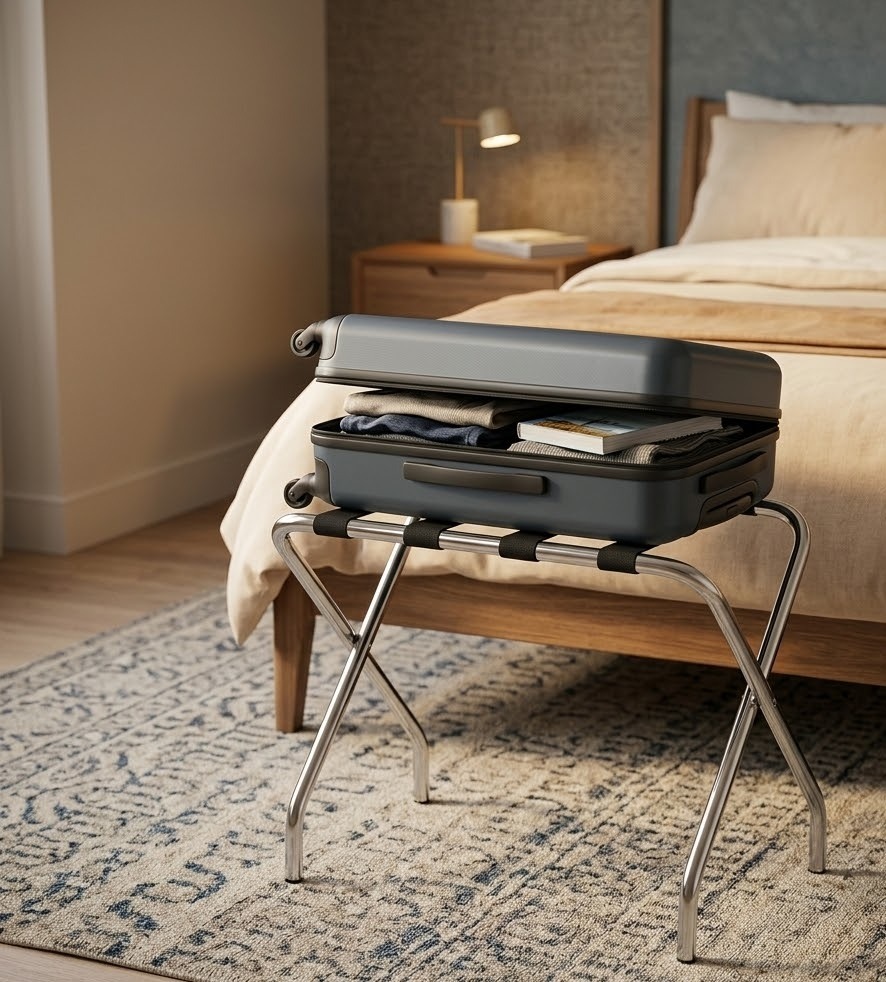 The room generally represents one of the main items in a hotel's furnishing budget. The cost depends on the number and type of elements present, the quality of the materials and the category of the structure.
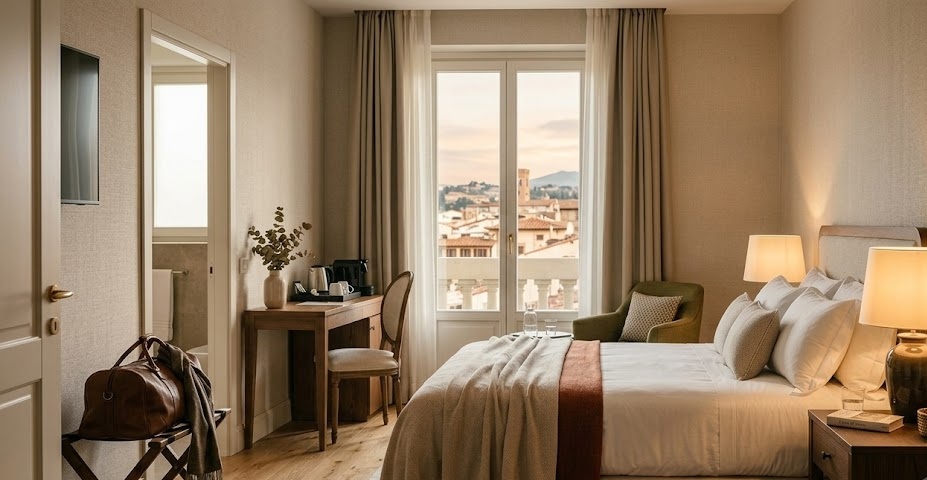
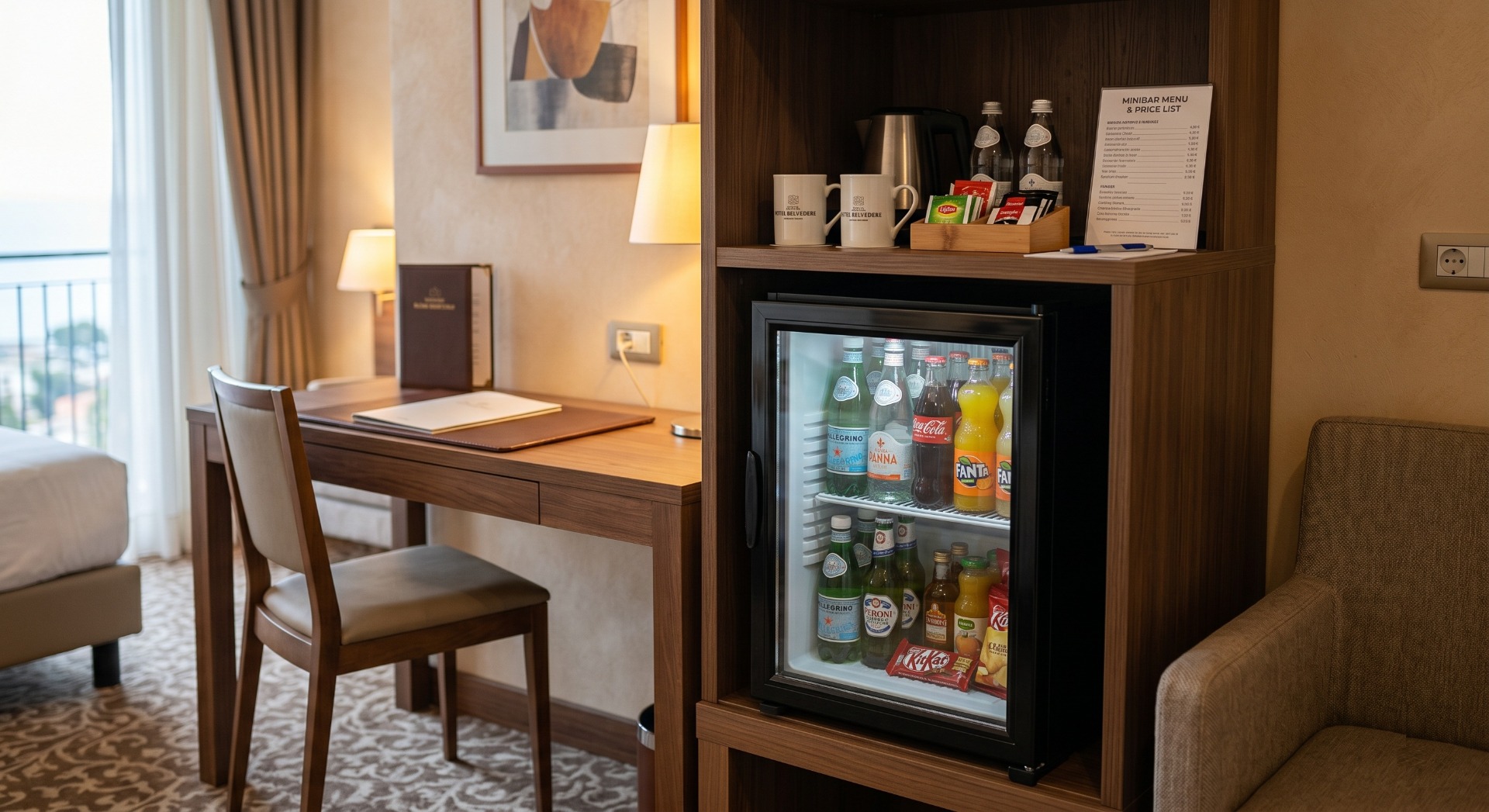
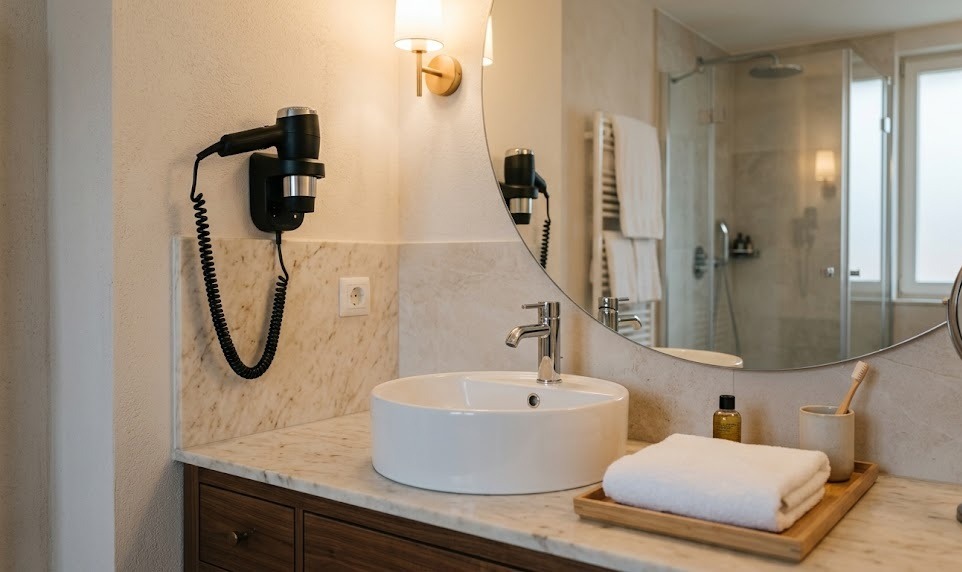
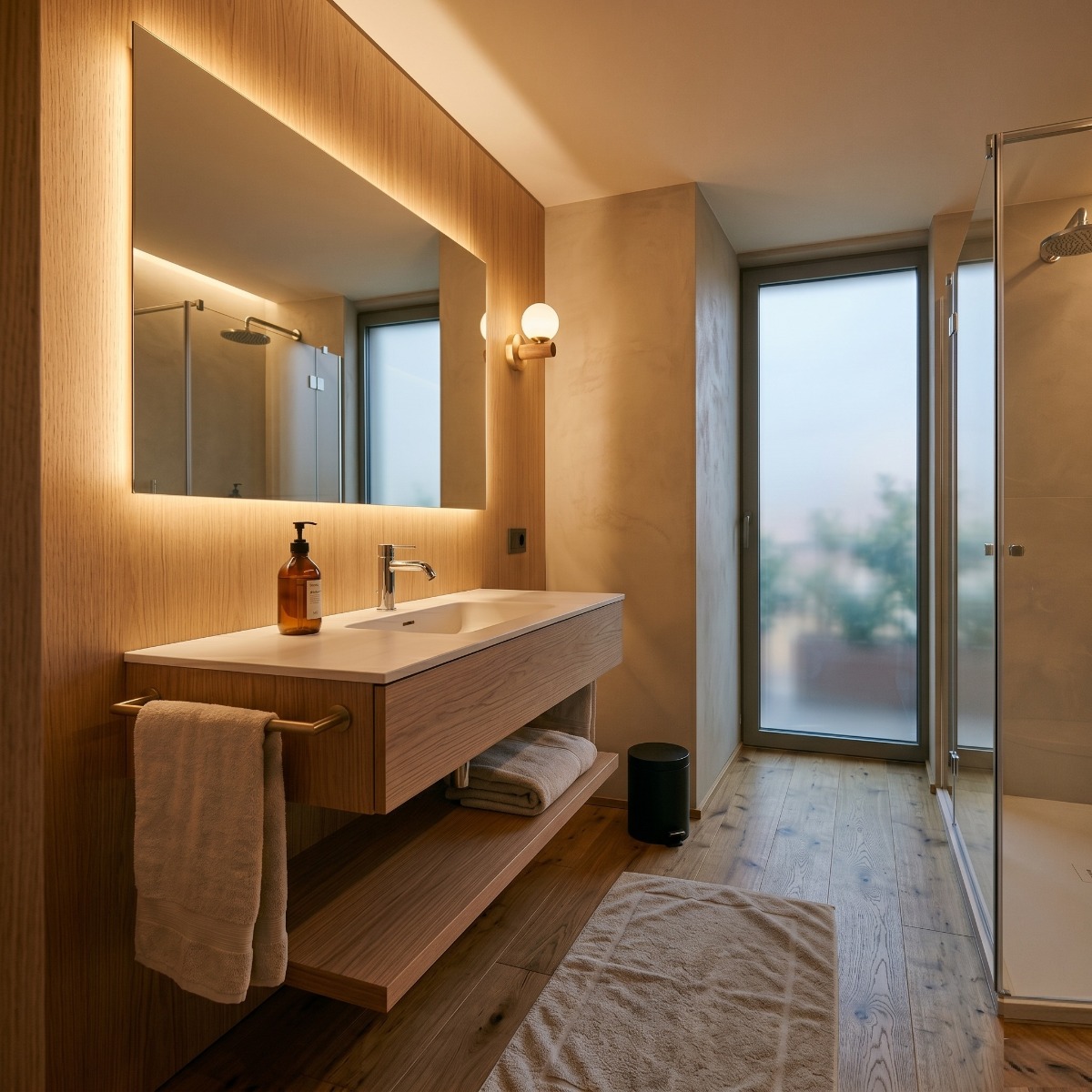
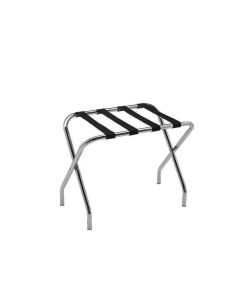
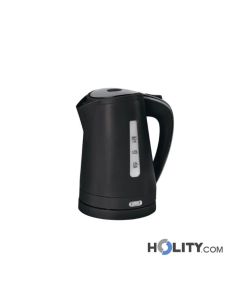
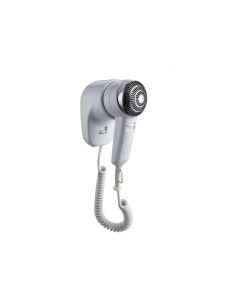
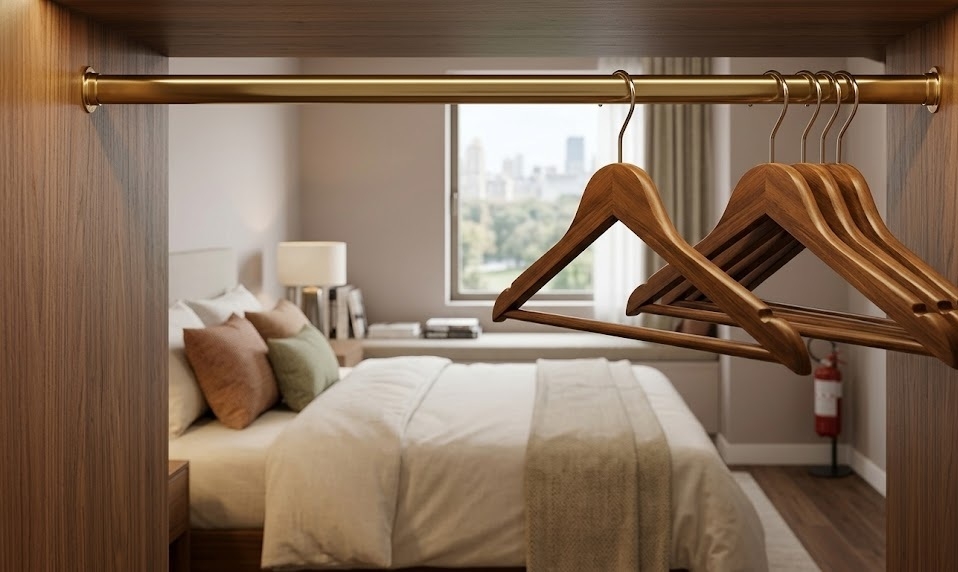
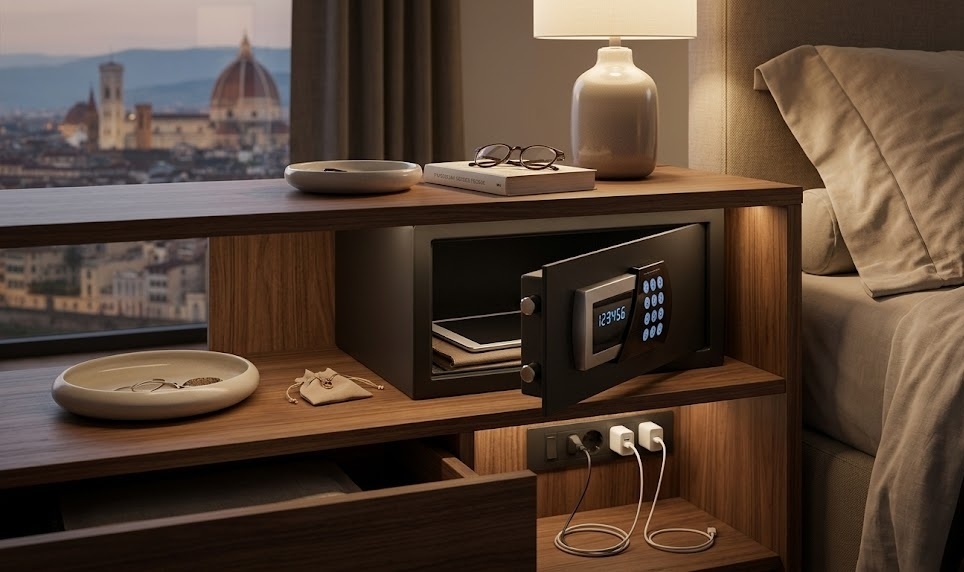
A hotel room can include a mattress, bed base or box spring, bedside tables, desk, chairs, lighting, mirrors, luggage racks, minibar, safe, kettle, hairdryer and other accessories intended for the comfort of the guest.
For this reason, it is more useful to think in terms of total cost per room rather than evaluating the price of each individual product separately. Multiplying the average cost by the total number of rooms allows you to obtain an initial estimate of the necessary budget.
What do the prices of hotel furnishings depend on?
The final cost mainly depends on some factors:
- number of rooms: the greater the number of rooms, the greater the cost will be. of course the overall investment;
- property category: B&Bs, business hotels, resorts and high-end properties have different needs;
- quality of supplies: materials, finishes and expected lifespan directly affect the price;
- room amenities: minibars, safes, kettles, luggage racks and other accessories increase the cost per room;
- customization: standard products generally have lower costs than customized furnishings;
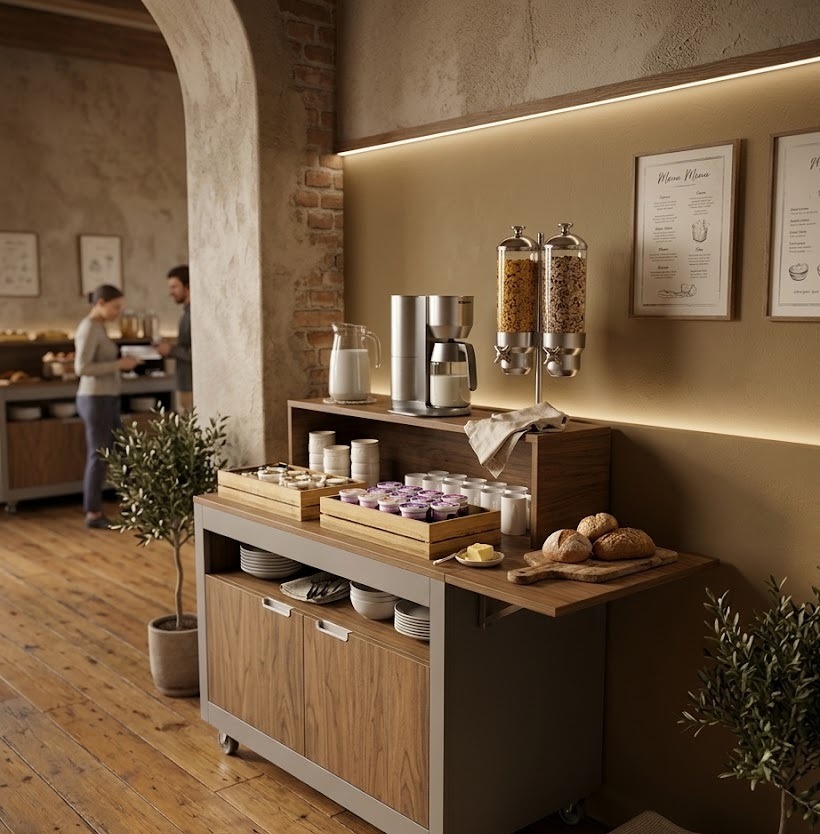
- common areas: reception, lobby, breakfast rooms and shared spaces must be included in the overall budget.
Budget for hotel room supplies
When defining the budget for hotel supplies, it is It is useful to prioritize room amenities. Items directly intended for guest rest and comfort, such as the mattress, bed base, and seating, deserve particular attention because they have the greatest impact on the guest experience.
Other products, such as a minibar, safe, luggage rack, kettle, and hairdryer, must be evaluated in relation to the hotel category and the level of service you wish to offer.
How much do mattresses, beds, and bed bases impact the cost of furnishing a room?
The bed system is one of the most important components of the cost of furnishing a room. The mattress, bed base, or bed base must be chosen taking into account comfort, durability, and frequency of use.
A greater investment in these items can be worthwhile in the long run because a longer lifespan reduces the frequency of replacements and helps maintain the quality perceived by guests.
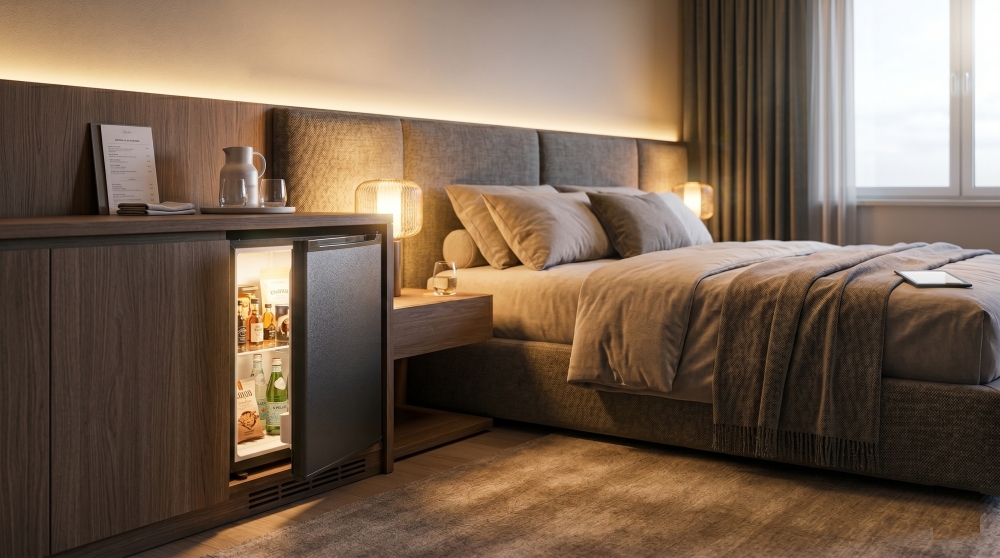
Minibars, safes and accessories: how much do they affect the budget?
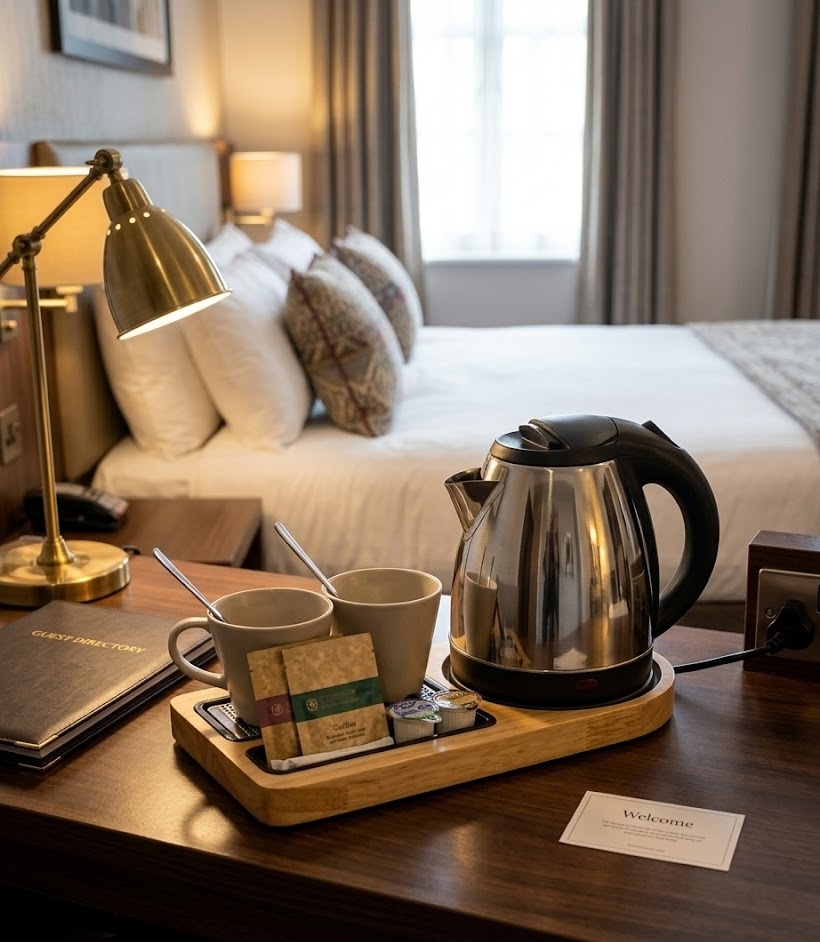
Complementary equipment can significantly impact the final cost of the room, especially when purchased for numerous rooms. Minibars, safes, kettles, hairdryers, luggage racks and hospitality trays represent small investments individually, but take on a significant weight when multiplied by tens or hundreds of rooms.
For this reason, it is useful to define in advance which accessories are truly consistent with the positioning of the property and which can be considered optional.
Reception and common areas: how do they affect the total cost
The reception and common areas represent another important investment item. Counters, sofas, armchairs, tables, waiting elements and accessories must be sized according to the expected flow of guests.
In these areas it is It is particularly important to choose products designed for professional use, because the high frequency of use can make solutions designed exclusively for domestic environments less convenient.
Standard or contract hotel furniture?
Contract furniture for hospitality facilities includes products specifically designed for intensive use. Robustness, ease of maintenance and availability of multiple units of the same model are particularly important aspects in hotels.
A standard solution can help keep the initial cost down, while a contract project may be more suitable when numerous rooms need to be coordinated or when greater aesthetic and functional uniformity is sought.
 English
  Italian
 French
 German
 Spanish