Opening a veterinary practice is a significant investment that requires careful planning from both a financial and organizational standpoint. Beyond the bureaucratic and regulatory aspects, it is essential to carefully evaluate the budget needed to set up the space, purchase equipment, and ensure a functional environment for professionals and patients. Understanding the real cost of a veterinary practice allows you to develop a sustainable project and avoid unexpected expenses during the initial phases of the business.
Needs can vary significantly depending on the type of facility, the services offered, and the level of specialization expected. A small practice dedicated to basic visits will have different costs than a facility that integrates advanced diagnostics, surgery, or hospitalization. Analyzing the main expense items is the first step in building a realistic and growth-oriented business plan.
The main cost items for opening a veterinary practice
The initial budget includes numerous components that must be considered from the early planning stages. Among the most significant expenses are the premises, any adaptations, professional furnishings, medical equipment, IT systems, and the administrative procedures necessary to start the business.
Each item contributes to the definition of the overall investment. Correct planning allows you to distribute resources in a balanced way and to identify priorities based on the services you intend to offer your clients.
 The cost of the premises and adaptations
One of the first aspects to evaluate concerns the availability of space. The practice must meet specific structural requirements and guarantee adequate environments for reception, visits, any diagnostics, and the management of daily activities.
If the premises require renovations or adaptations, these interventions can significantly impact the initial budget. Electrical systems, plumbing, air conditioning, flooring and lighting systems must be designed to meet the operational needs of a veterinary healthcare facility.
Professional furnishings for veterinary clinics
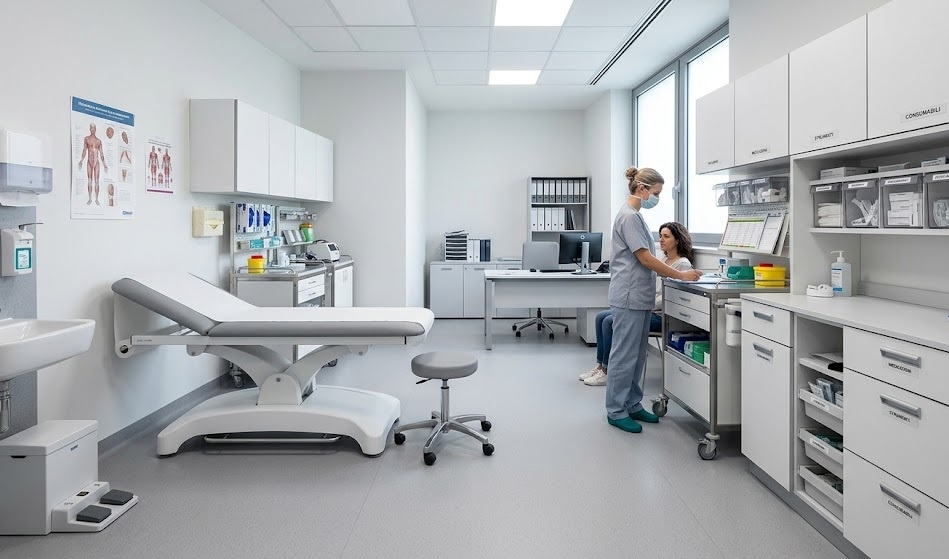
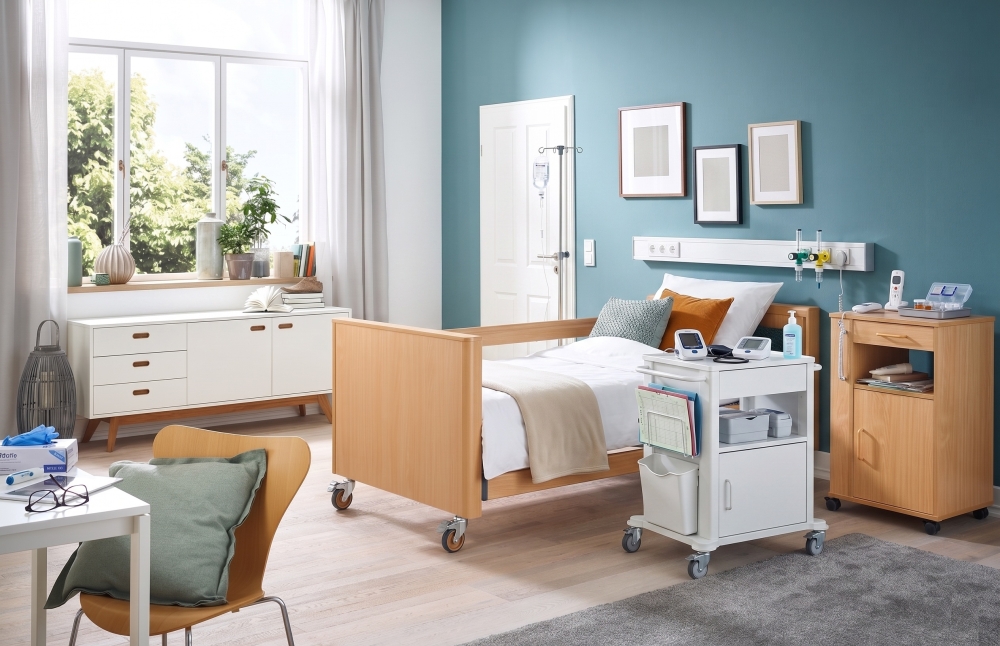
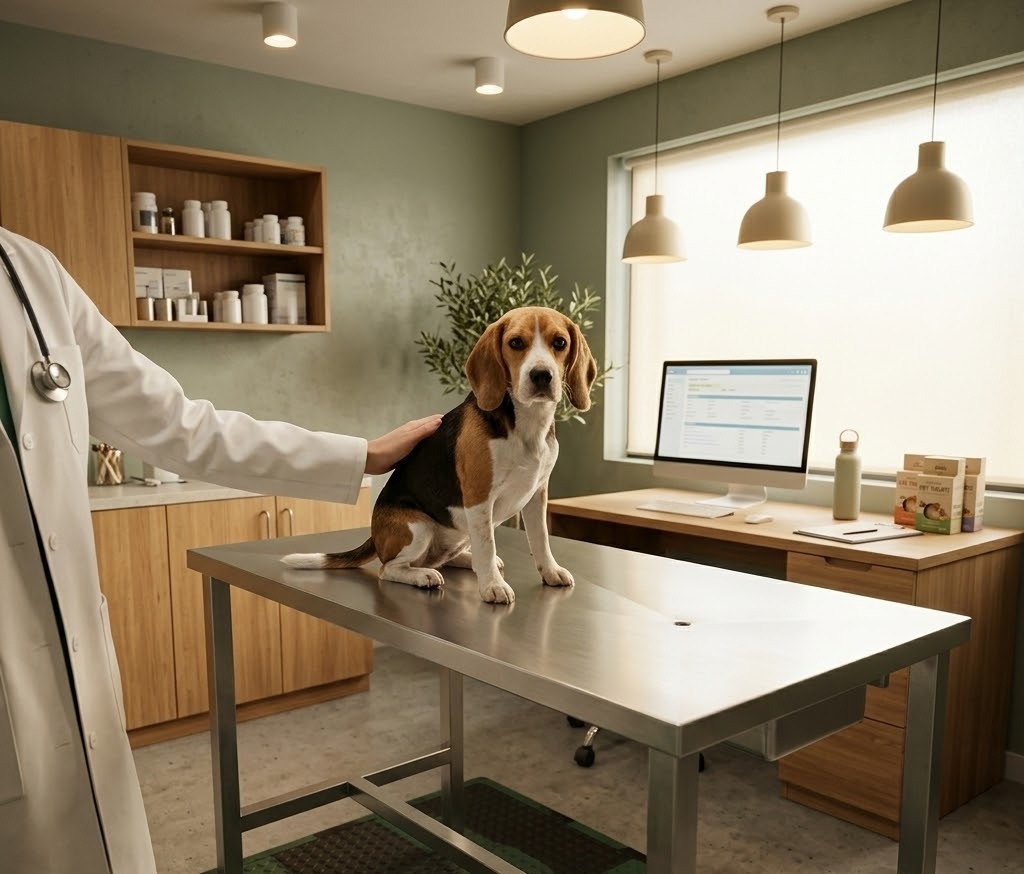
Furnishings are an essential component of the investment. Examination rooms, reception areas, waiting areas and technical rooms require furniture designed to ensure functionality, hygiene and durability over time. The choice of professional furnishings helps improve the organisation of spaces and the customer experience.
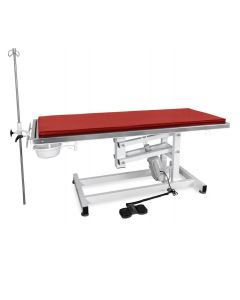
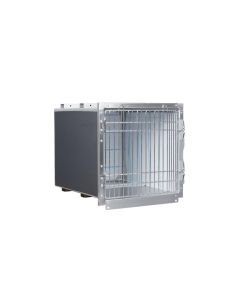
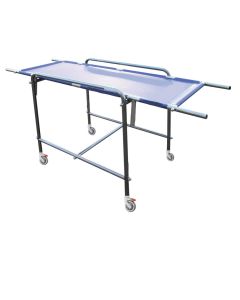
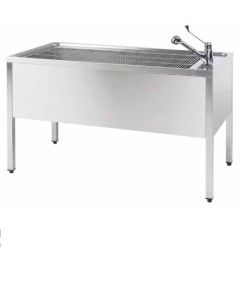
Among the most common elements are reception counters, desks, technical cabinets, shelving, seating for staff and customers, examination tables and storage units for instruments and medical supplies. The quality of the furnishings affects both the operational practicality and the overall image of the facility.
Essential equipment for starting a business
Medical equipment generally constitutes the most significant expense item. Even a basic veterinary practice requires specific instruments to carry out visits, diagnoses and treatments in adequate conditions.
Among the most common equipment we find examination tables, professional lamps, veterinary scales, diagnostic instruments, sterilization systems and equipment for patient management. The amount of the investment depends on the level of specialization you wish to achieve and the range of services offered.
Diagnostics and advanced technologies
Many facilities choose to integrate internal diagnostic services to offer customers more complete assistance. In these cases the budget can be limited. increase significantly due to the purchase of dedicated equipment such as radiology, ultrasound, or clinical analysis tools.
The presence of advanced technologies allows for the expansion of available services and improvement of operational efficiency. However, it is important to carefully evaluate the relationship between initial investment and potential economic return in the medium to long term.
Administrative costs and authorizations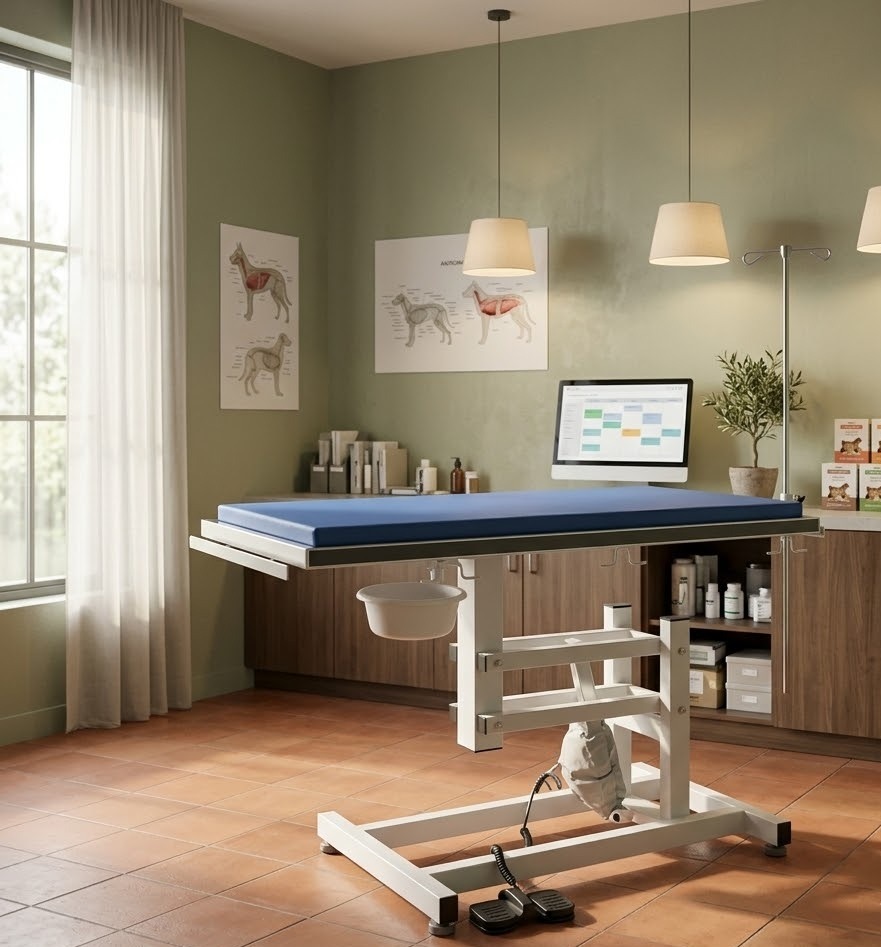
Opening a veterinary practice requires compliance with specific regulations and obtaining the necessary authorizations to operate. Procedures may vary based on local regulations and the type of facility you intend to create.
In addition to the costs associated with administrative procedures, it is advisable to consider any professional consultancy, technical services, and specialized support for the preparation of the documentation required by the competent authorities.
Management software and work organization
Digitalization today represents a fundamental element for the efficient management of a veterinary practice. Dedicated software allows you to organize appointments, archive medical records, manage inventory, and invoicing.
Investing in digital tools can help improve productivity and optimize daily activities. Although it is often considered a secondary expense, the technological component plays an important role in the quality of the service offered.
How to optimize the initial budget
Careful planning allows you to identify priorities and correctly distribute available resources. Focusing initially on essential equipment and essential furnishings allows you to contain the investment without compromising the quality of the service.
Over time, it will be possible to integrate new technologies and expand the equipment based on the growth of the business. This strategy allows you to maintain greater control over the budget and adapt investments to actual operational needs.
Rely on specialized suppliers
The choice of suppliers is a crucial aspect for the success of the project. Collaborating with companies specializing in professional supplies for practices and clinics allows you to access products designed for the healthcare sector and receive support in selecting the most suitable solutions.
Holity offers a wide range of professional furniture and equipment for veterinary practices, medical practices, and healthcare facilities. The availability of sector-specific products allows you to simplify the set-up of environments and create functional and professional spaces.
Correct planning is the first investment
The cost of a veterinary practice can vary considerably based on the size of the facility, the equipment installed, and the desired level of specialization. For this reason, it is essential to carefully analyze each expense item before starting the project.
Careful financial planning, combined with the choice of professional and durable supplies, allows you to create an efficient, safe environment capable of offering a quality service to customers. Investing wisely is the first step towards building a solid and competitive business.
 English
  Italian
 French
 German
 Spanish