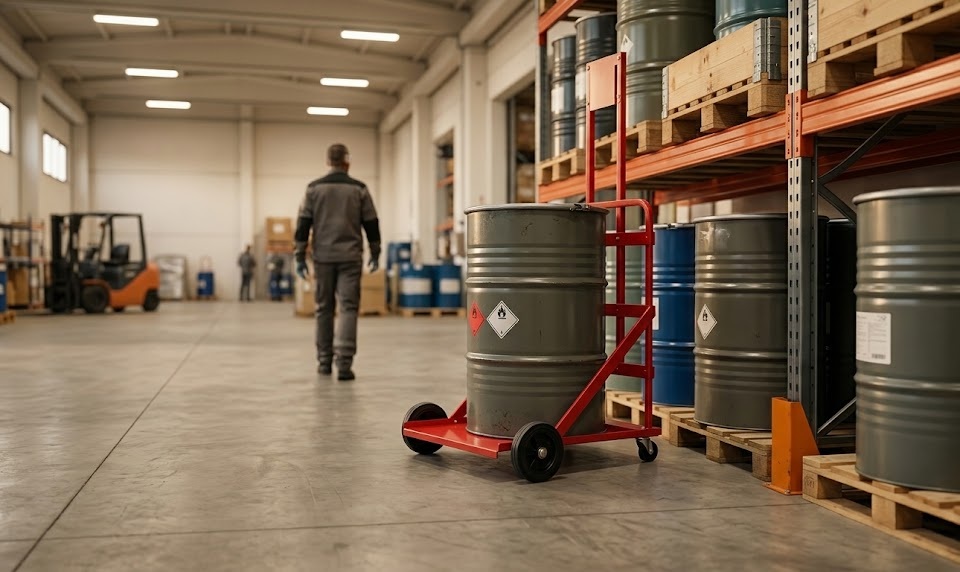
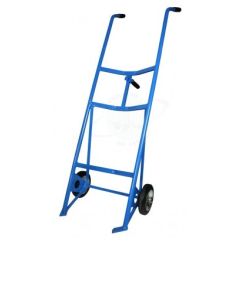
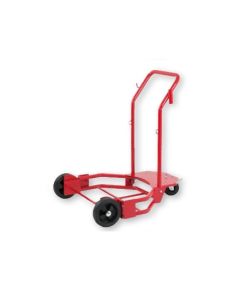
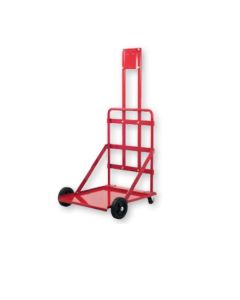
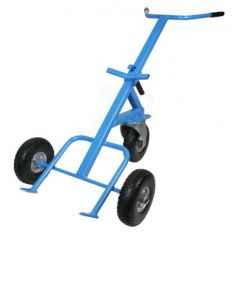
Drum management is one of the most common tasks in numerous industrial, logistics, and production settings. Chemical companies, food industries, manufacturing plants, warehouses, and distribution centers often need to move large, heavy containers quickly, safely, and efficiently. In this scenario, drum handling trolleys play a fundamental role in improving productivity and reducing the risks associated with the manual handling of loads.
Using specific equipment streamlines daily operations, optimizes workflows, and ensures greater operator safety. Choosing the most suitable forklift depends on several factors, including the type of drum, the weight to be handled, frequency of use, and the characteristics of the work environment. Understanding the different solutions available is the first step to making an effective and long-lasting investment.
What are drum handling trolleys?
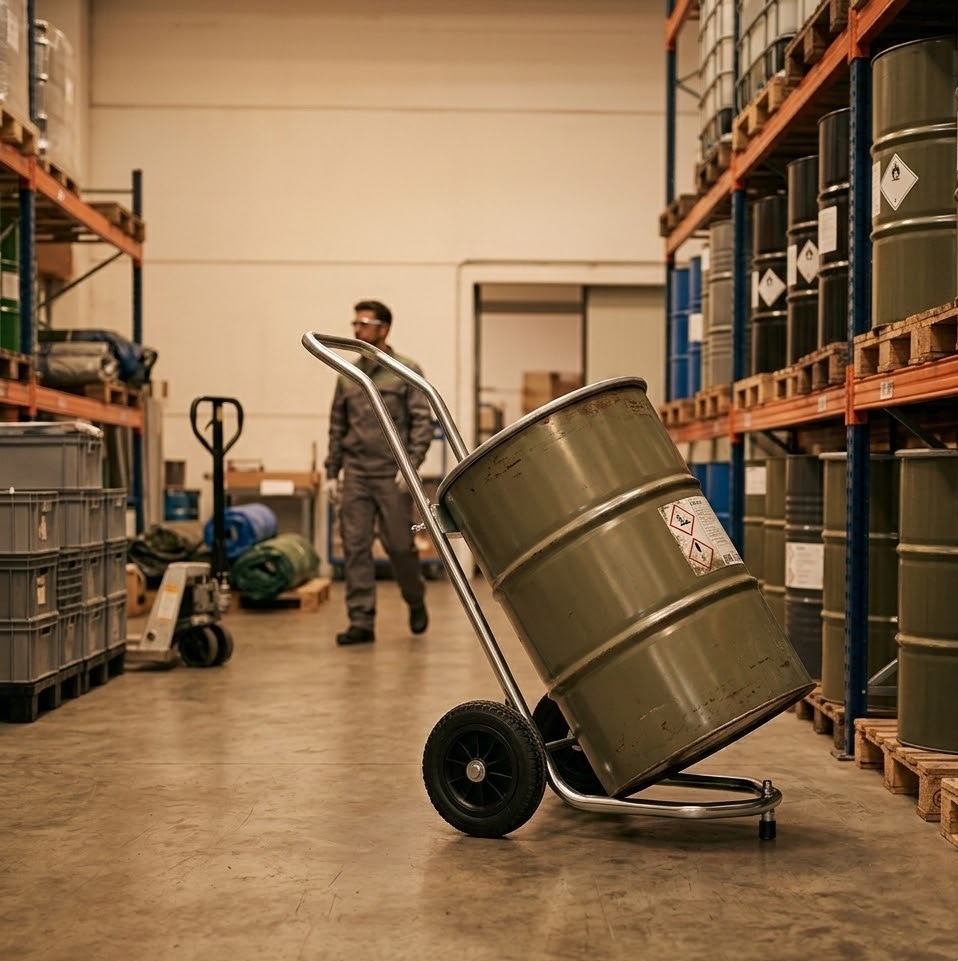 The trolleys for handling drums These are devices designed to facilitate the transport, lifting, positioning, and sometimes tipping of metal or plastic drums used in industrial processes. These tools allow heavy containers to be handled while reducing the physical effort required of operators and improving operational efficiency.
Depending on the needs, they can be used for short movements within a production department or for more frequent transfers between storage areas and production lines. Their presence helps make daily operations safer and reduces the risk of container damage.
Why use a specific trolley for drums
Industrial drums can contain liquids, chemicals, oils, solvents, food, or other materials requiring controlled handling. Their heavy weight and cylindrical shape make them difficult to transport without specialized equipment.
Using a dedicated cart improves stability during movement and reduces the risk of tipping. It also facilitates loading and unloading and helps preserve the integrity of the contents, which is particularly important in sectors where safety and regulatory compliance are paramount.
The main types of drum handling trolleys
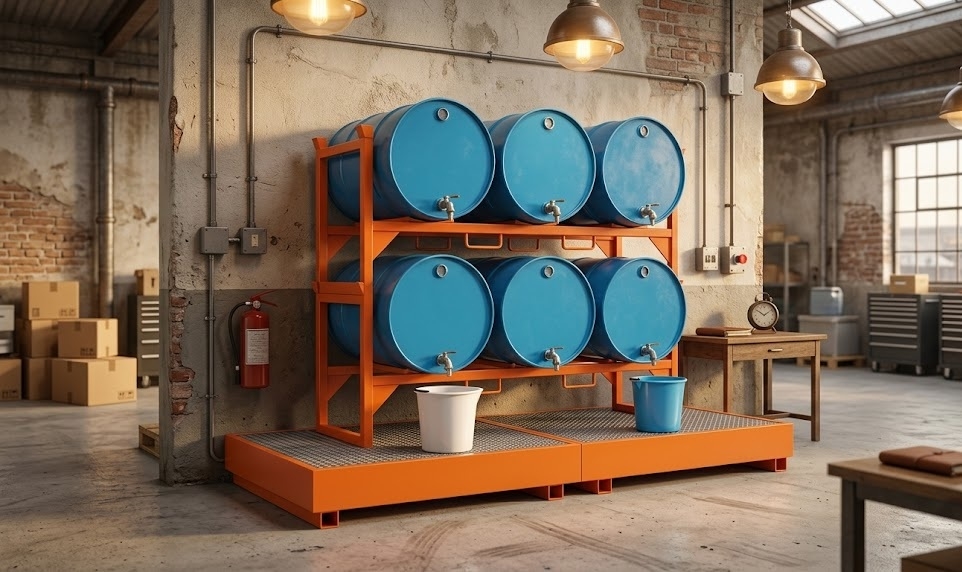
The market offers various solutions designed to meet different operational needs. The simplest models allow for horizontal transport of drums, while more advanced versions integrate lifting, rotation, or tilting systems to facilitate liquid transfer.
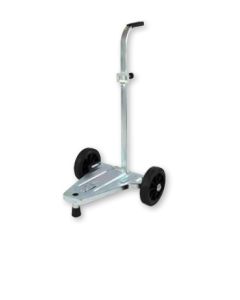
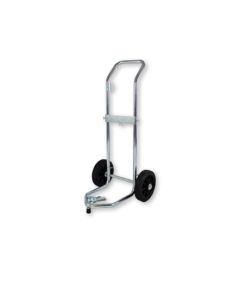
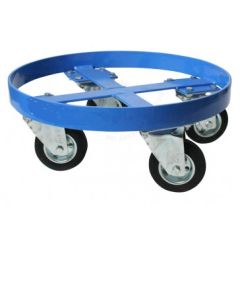
Among the most common types are two-wheel trolleys for occasional handling, four-wheel trolleys for greater stability, hydraulic models for controlled lifting, and specific solutions for positioning drums on racks or production lines. The choice always depends on the application context and the level of automation required.
Safety and operational risk reduction
One of the main advantages of the drum handling trolleys It concerns workplace safety. Manual handling of heavy containers can expose workers to risks related to excessive strain, poor posture, and accidents caused by falls or accidental impacts.
Using appropriate equipment can significantly reduce these critical issues. Locking systems, safety supports, heavy-duty wheels, and reinforced structures help ensure more controlled operations and improve staff working conditions.
Materials and strength of the structure
The operating conditions found in industrial environments require equipment designed to withstand intensive use. For this reason, drum trolleys are generally made of painted steel, galvanized steel, or other materials that ensure high sturdiness and long life.
The choice of materials must take into account the environment in which they will be used. In the presence of corrosive substances or particularly aggressive conditions, solutions with specific protective treatments capable of preserving the integrity of the structure over time may be preferable.
Capacity and compatibility with different types of drums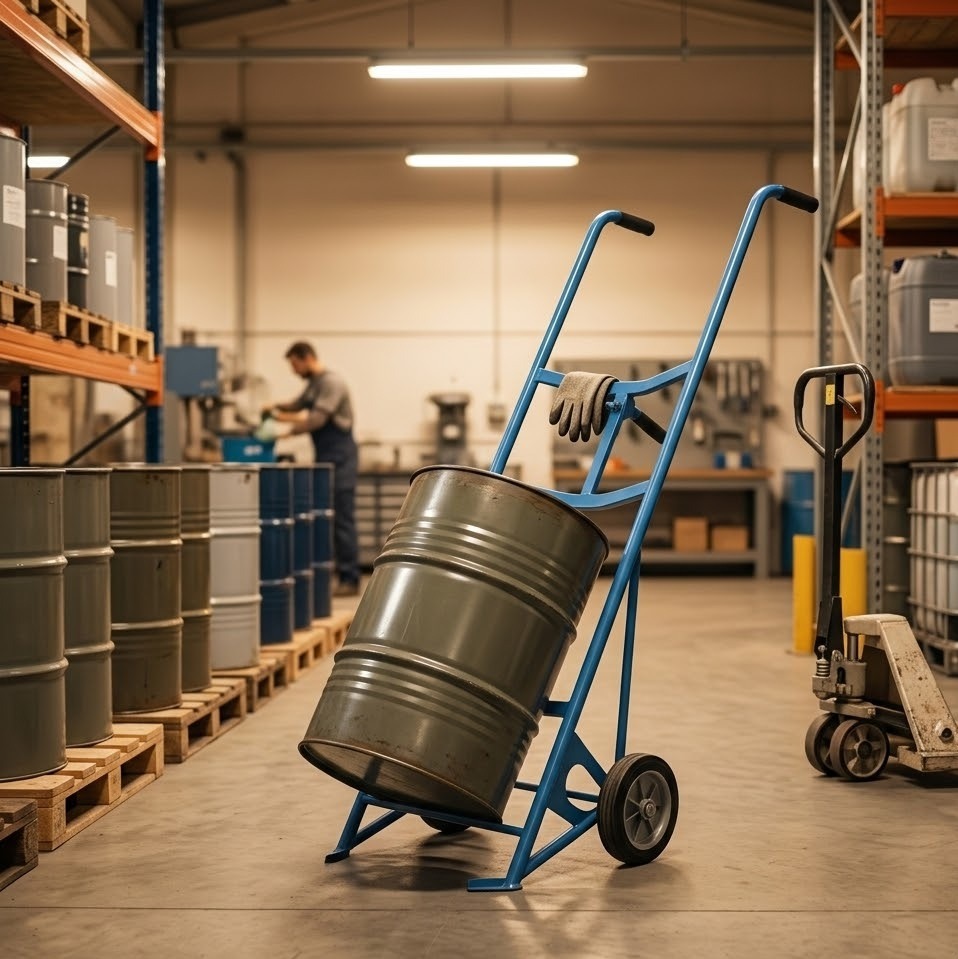
Before purchasing, it's essential to check the cart's load capacity and its compatibility with the types of drums used within your company. Not all models are designed to handle the same dimensions or weights.
Evaluating the maximum capacity, container dimensions, and expected handling methods allows us to identify a solution suited to our actual operational needs. A correct choice improves safety and helps optimize logistics processes.
Applications in various industrial sectors
Drum handling trolleys are used in numerous production sectors. In the chemical industry, they are used to transport liquids and solvents, while in the food industry, they facilitate the handling of ingredients and raw materials contained in large drums.
The pharmaceutical, petrochemical, manufacturing, and logistics sectors also use these devices to ensure safe and efficient container handling. Their versatility makes them an indispensable tool in many modern production environments.
How to choose the most suitable trolley
Choosing the ideal model depends on several factors: drum weight, frequency of use, floor conditions, available space, and lifting or tipping requirements. Carefully analyzing these factors allows you to identify the solution best suited to your operating environment.
Evaluating build quality, safety features, ease of operation, and durability allows for a more informed investment. A properly sized forklift improves the efficiency of daily operations and helps reduce operating costs.
An indispensable support for industrial logistics
The drum handling trolleys They represent a fundamental resource for all companies that handle heavy containers within their production and logistics processes. Thanks to their ability to improve safety, efficiency, and work organization, these devices are now considered essential tools in numerous industrial sectors.
Choosing the most suitable model means optimizing material handling, protecting operators, and ensuring smoother daily operations. A careful approach to equipment selection allows for tangible benefits, both operationally and in terms of workplace safety.
 English
  Italian
 French
 German
 Spanish