A small library built on spontaneous exchange
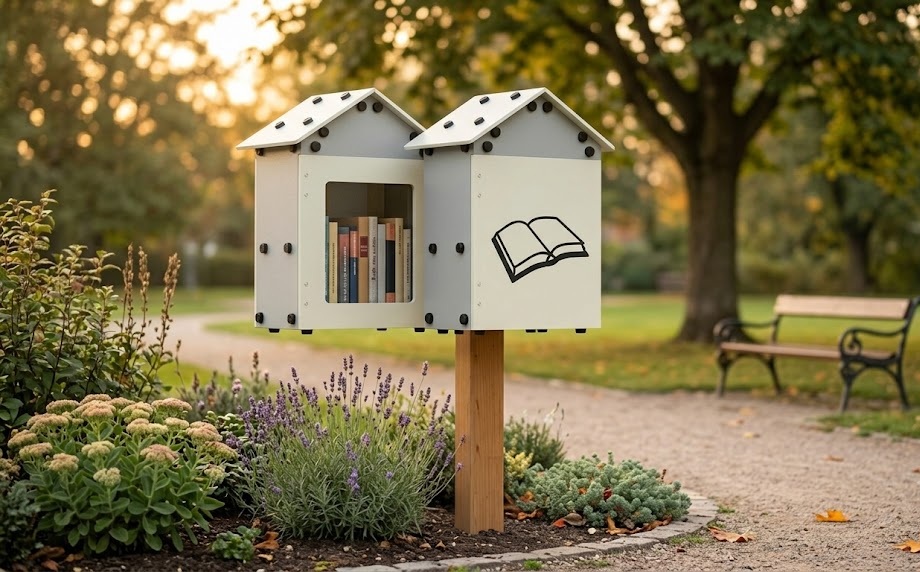
The Book House is often described as a small free library, but its operation is different from that of a traditional library. There are no membership cards, recorded loans, return dates, or permanent assignments of volumes. Anyone who borrows a book can read it, keep it, or recirculate it at the same location or in another Book House. The value of the project comes from: spontaneous sharing of books, not from the formal control of every movement.
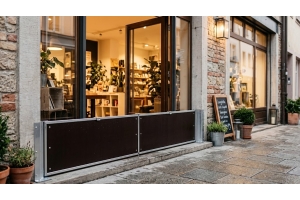
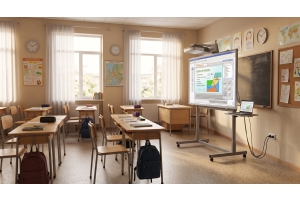
This simplicity makes bookcrossing suitable for a wide range of contexts. A municipality can set it up in a park, a school can use it to engage students and families, while a condominium can create a small shared reading area. Cultural associations, accommodation facilities, and businesses can also promote the initiative in their own spaces. The model remains the same, but the size, location, and management methods must be adapted to the number and type of users.
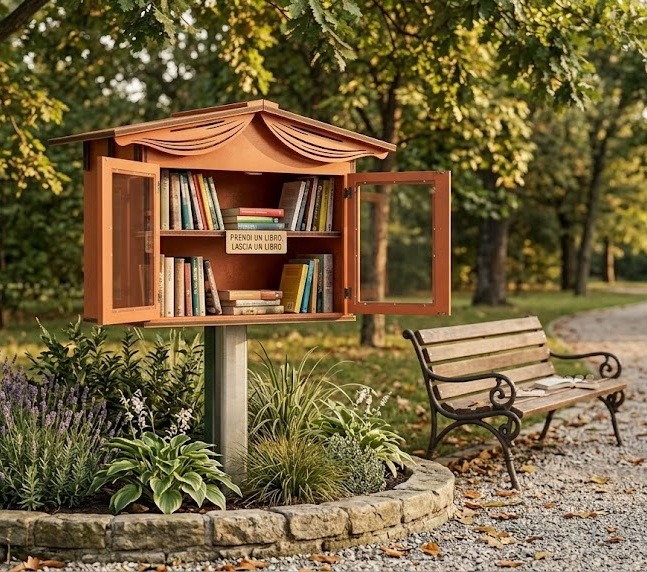 The sentence “leave a book, take one” This summarizes the principle of bookcrossing. Users open the bookcase, browse the available titles, and can freely choose a book. It's not always necessary to deposit a book at the same time, because the exchange shouldn't be interpreted as a rigid transaction. Those who don't have a book with them can contribute later, thus promoting circulation in the long run.
The system works when people respect the collective nature of the structure. Books left should be intact, legible, and suitable for the public. Very worn publications, promotional materials, or content unrelated to the exchange reduce the quality of the experience. A brief sign on the bookcase can explain how it works without introducing complex procedures or discouraging participation.
Who can use a bookcrossing house?
A bookcase located in a public space is generally designed to be used by everyone. Children, adults, residents, visitors, and occasional users can contribute to the circulation of books. The project does not necessarily require specific skills or the constant intervention of a staff member. The structure thus becomes an informal cultural service, available even outside the opening hours of libraries and civic centers.
Actual accessibility, however, depends on how the playhouse is installed. Height, frontal space, and ease of opening must allow for easy use by the intended audience. In parks frequented by families, it may be useful to include books for different age groups, while in schools, the selection can be tailored to the educational program inclusive bookcrossing house. It must be designed with people and context in mind, not just the number of books it can hold.
Municipalities can include book houses in programs dedicated to culture, participation, or the redevelopment of public spaces. Schools can link them to reading workshops, environmental initiatives, and citizenship activities. Associations can handle the initial collection of books and publicize the project. In condominiums, however, the installation can arise from a proposal from residents and require a shared evaluation of the common spaces.
The promoter doesn't necessarily have to manage every single exchange, but should provide minimal supervision. It's important to identify who monitors the facility, who removes damaged books, and who reports any problems. Holity, Specialist in professional supplies for institutions, schools and communities, consider defining responsibilities a useful step right from the design stage. Simple yet recognizable management helps the house stay active over time.
Location influences participation and accessibility
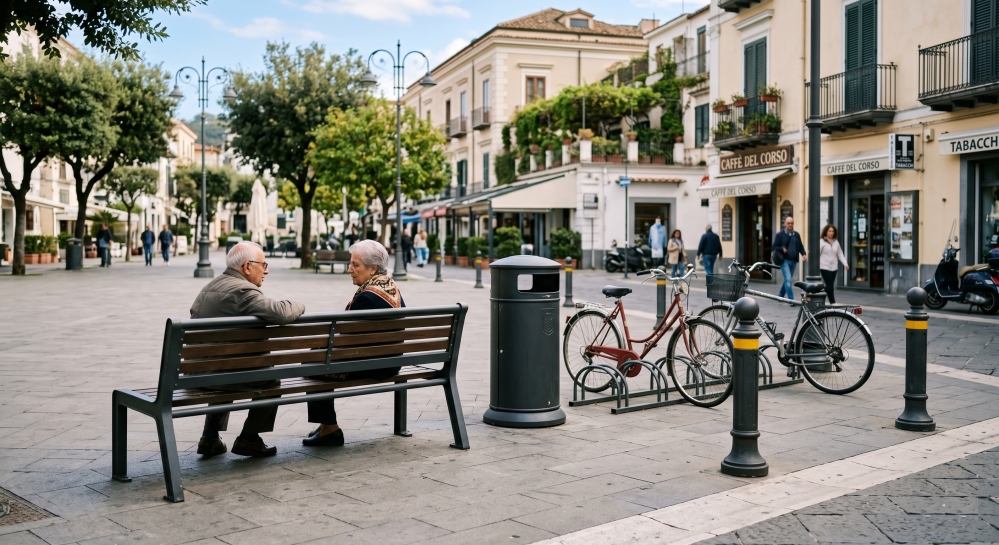
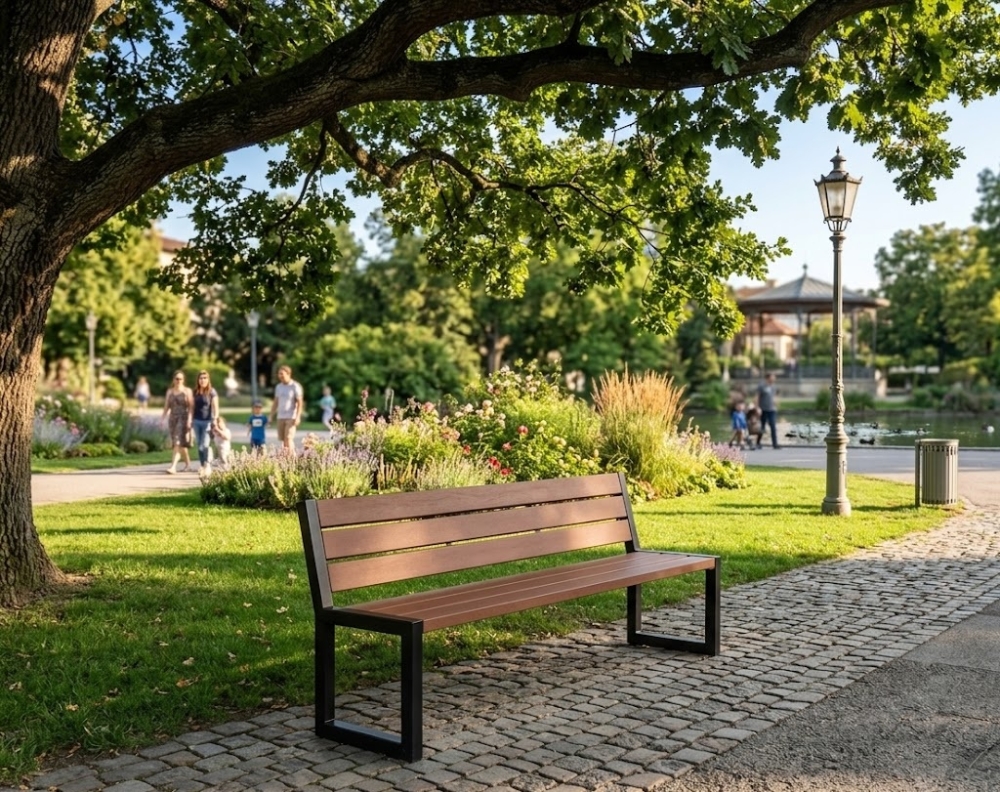
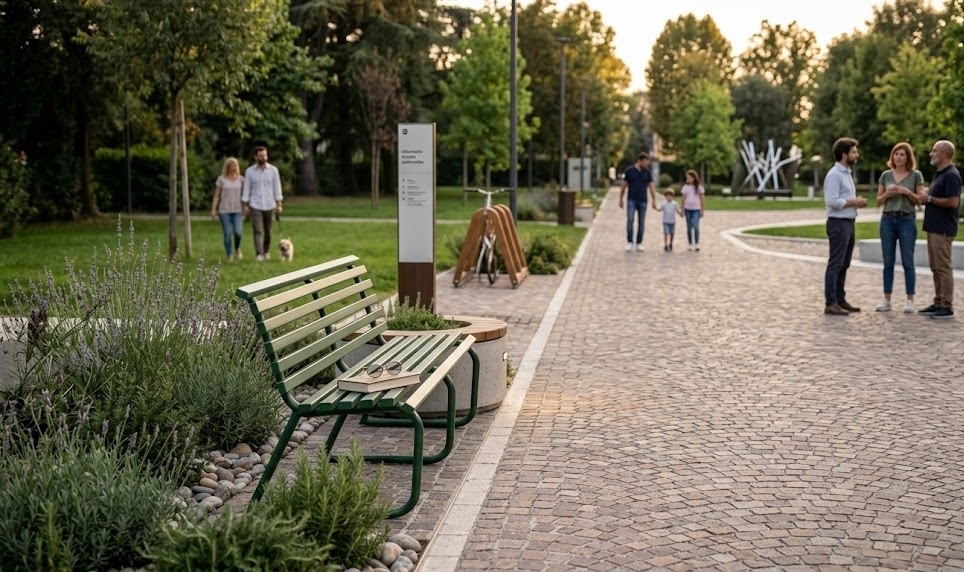
A hidden shelter is rarely used, even when well-built. It should be located along a busy route, without obstructing passage or interfering with other facilities. Parks, school entrances, plazas, community gardens, and areas near benches can encourage natural rest. The location should also allow the doors to open fully and allow users to approach.
Exposure to the elements requires specific attention. Even a structure designed for outdoor use benefits from a location that limits water stagnation, excessive spray, or overgrowth. The ground and anchoring system must ensure stability, especially in spaces accessible without constant supervision. The choice of location should therefore combine: visibility, safety and protection of books, avoiding decisions based solely on the availability of free space.
Simple rules keep sharing tidy
The rules of a bookcrossing house can be short and straightforward. It's enough to explain that books can be borrowed for free, that additional items can be left, and that the deposited material must be in decent condition. The instructions can exclude advertising, damaged publications, and items that don't belong to the project. A message that's too long or bureaucratic, however, risks making the service less user-friendly.
Rules can be adapted to the location and the users. In a school, it would be helpful to involve teachers and students, while in a municipal park, supervision by the manager or an association may be required. In condominiums, it's a good idea to clarify that the shed must not be used for private storage. Visible and consistent communication reduces ambiguity without compromising the free nature of the exchange.
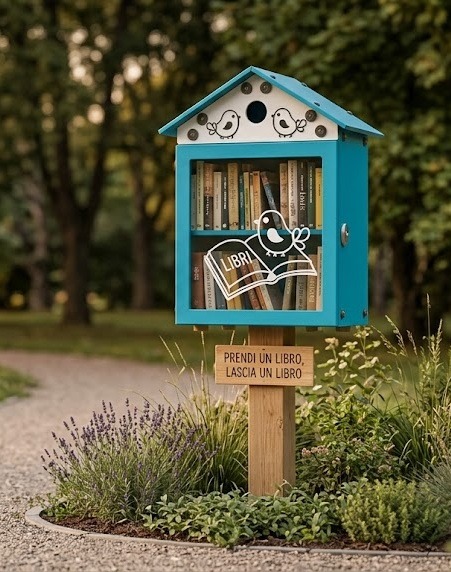
Ongoing management protects books and structure
A bookcase doesn't require daily attendance, but it shouldn't be left unattended for long periods. It's helpful to check the interior, remove wet or badly damaged volumes, and better distribute accumulated items. Doors, hinges, latches, and fastening points should also be checked regularly. Small, timely interventions can prevent a minor problem from compromising the entire structure.
The frequency of checks depends on the location and number of users. A bookcase located in a busy park will require different supervision than a structure installed in a schoolyard. During rainier months, it may be necessary to check the condition of the books and for any signs of moisture more frequently. maintenance of the bookcrossing house It protects both the investment and the credibility of the initiative.
A dedicated little house makes the project recognizable
A structure specifically designed for book exchange immediately communicates the service's purpose. Shape, colors, doors, and external messages help users distinguish the bookcase from other furnishings. Materials must be chosen based on location, expected lifespan, and maintenance requirements. In public spaces, stability, the absence of dangerous edges, and compatibility with the anchoring system are also important.
The size must be proportionate to the location and the number of books you plan to store. A structure that's too small can quickly become saturated, while an oversized model risks taking up space without any real benefit. Holity, leader in professional equipment for street furniture and collective spacesoffers book exchange houses designed for different uses. Consulting the technical specifications helps you compare materials, dimensions, and installation methods.
Shared reading creates value in common spaces
Bookcrossing makes reading visible in everyday life. A book encountered while out for a walk, at a school entrance, or in an apartment building's garden can reach people who weren't actively looking for a library. The bookcase also encourages the reuse of books and limits the risk of still-readable books being discarded. The project thus combines cultural participation, resource sharing, and care for common spaces.
To achieve lasting results, you need a suitable location, a coherent structure, and minimal but consistent management. Holity, reference point for supplies dedicated to municipalities, schools and communities, allows you to evaluate professional solutions for creating recognizable and protected exchange points. The choice can be based on the number of users, the characteristics of the location, and the available anchoring methods. A well-designed bookcase facilitates a concrete gesture: sharing a book and letting it continue its journey.
 English
  Italian
 French
 German
 Spanish