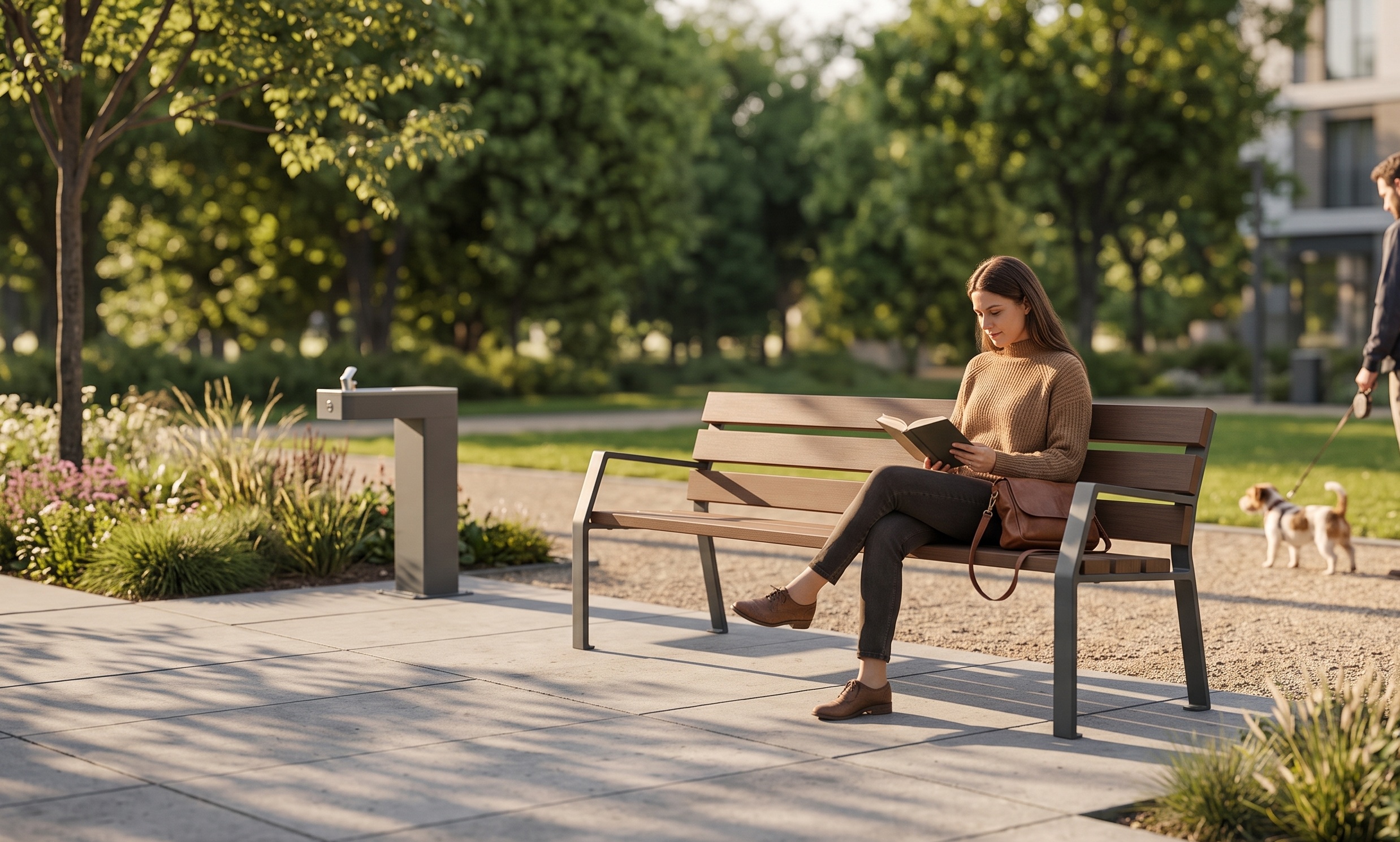
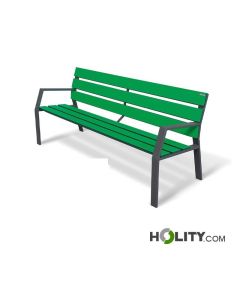
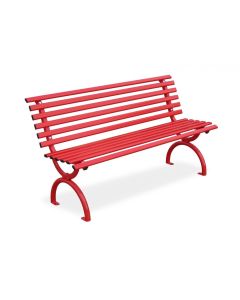
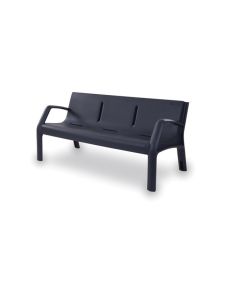
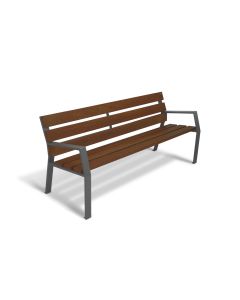
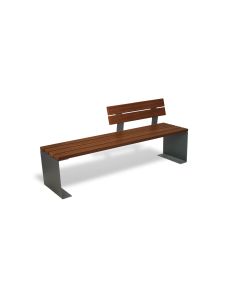
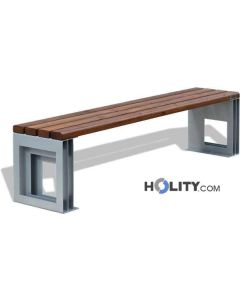
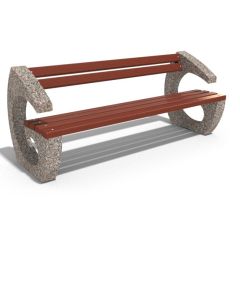
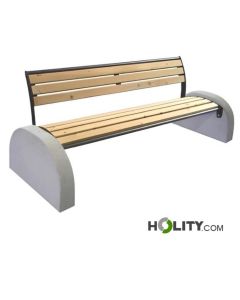
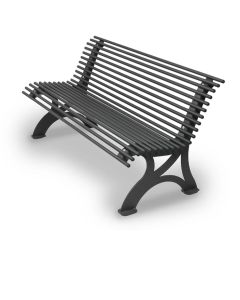
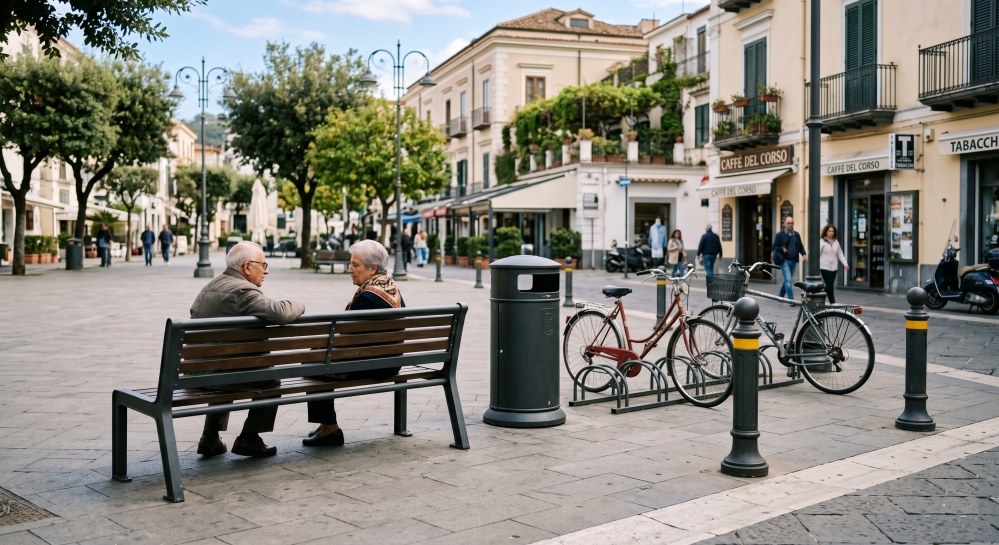
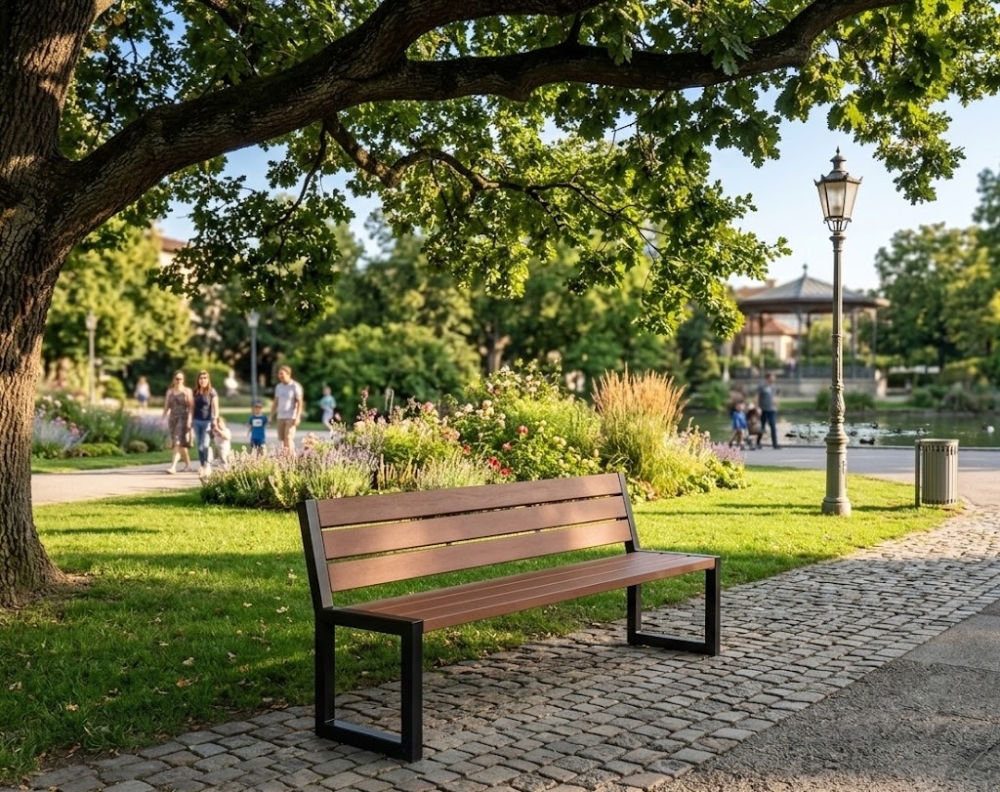
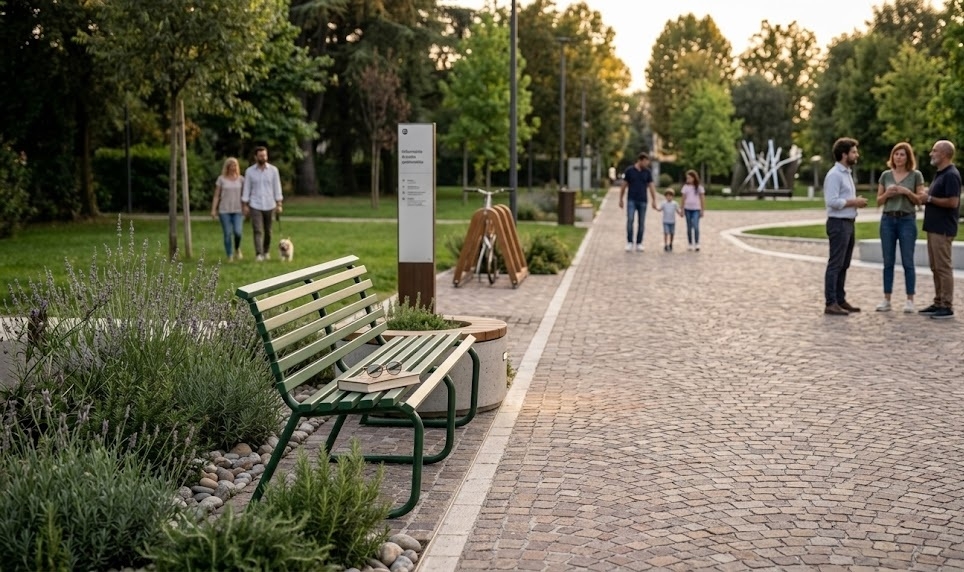
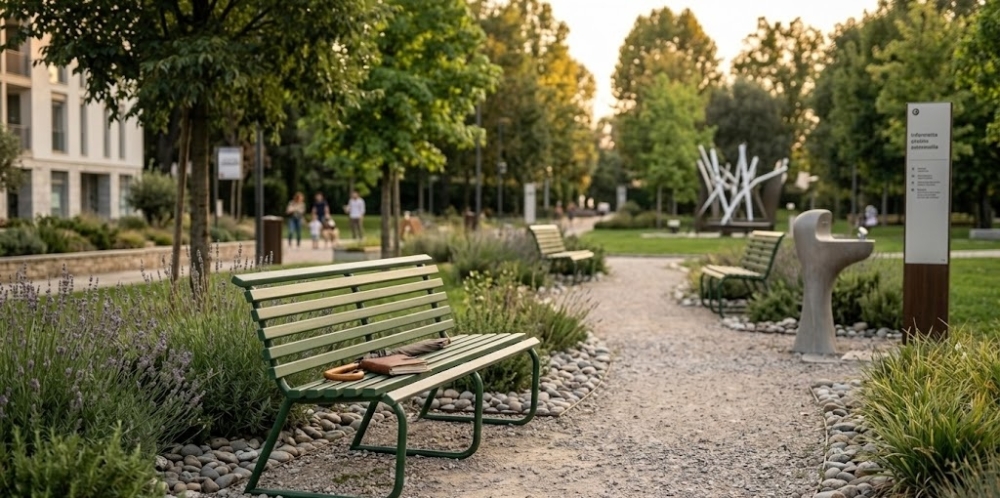
The benches for street furniture These seats are designed for public parks, squares, municipal gardens, pedestrian areas, and other collective spaces. To choose the most suitable model, you need to evaluate: materials, dimensions, comfort, weather resistance, maintenance, fixing and priceWhen supplying products to municipalities and public bodies, the choice must also consider accessibility, durability, and installation conditions.
The benches for municipalities They must meet different needs depending on their location. A family-friendly park requires different characteristics than a square, a promenade, or a pedestrian path. Comparing the technical specifications allows us to identify a functional and sustainable management solution.
How to choose benches for street furniture
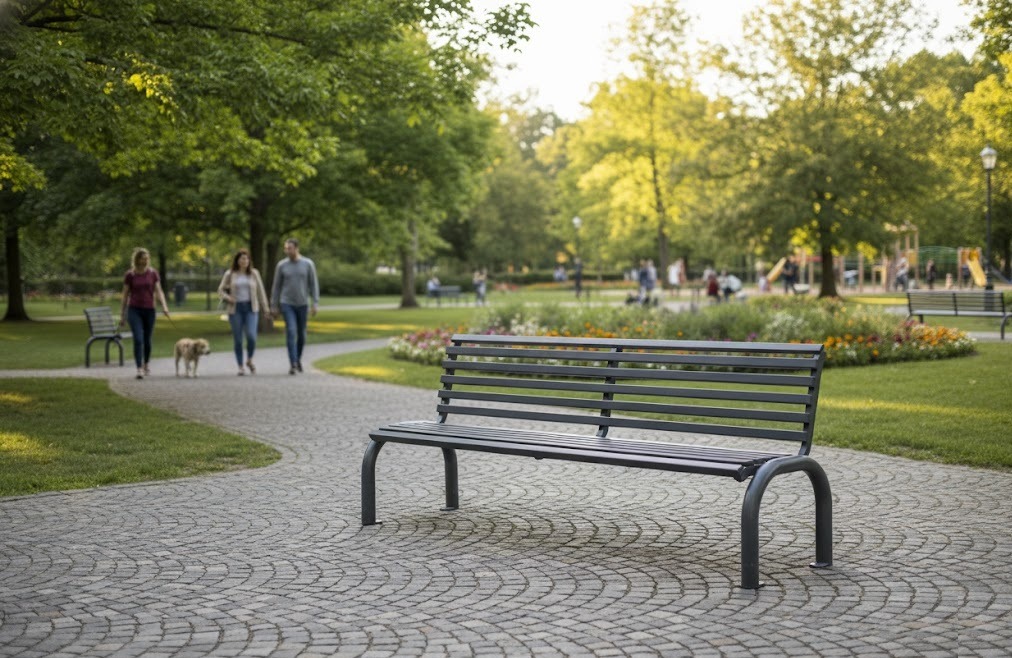 The benches They contribute to the usability of public spaces by offering rest areas along paths, squares, and green areas. The model must be chosen considering frequency of use, user characteristics, climate exposure, and expected maintenance.
When purchasing a municipal chair, it's especially important to check its stability, structure, finishes, the presence of a backrest and armrests, anchoring options, and ease of component replacement. The availability of technical data sheets and installation instructions is also an important factor.
Benches for Municipalities: A Comparison of Materials
The benches for municipalities They can be made of wood, steel, cast iron, aluminum, concrete, and recycled materials. Each solution has advantages and limitations that affect long-term management.
| Material |
Approximate cost |
Maintenance |
Characteristics |
| Wood |
Variable |
Periodical |
Natural appearance; requires attention to protective treatments |
| Treated steel |
Variable |
Generally contained |
Robustness; corrosion protection to be verified |
| Cast iron |
Variable |
It depends on the finishes |
Solid structure and traditional style |
| Aluminum |
Variable |
Generally contained |
Relatively low weight and corrosion resistance |
| Cement |
Variable |
Generally contained |
High mass and stability; demanding handling |
| Recycled plastic |
Variable |
Generally contained |
Moisture resistance; check dimensional stability |
The indications are qualitative: prices, durability, and maintenance frequency depend on the model, surface treatment, and environmental conditions. The choice should be based on the specifications declared by the manufacturer.
The wooden benches integrate well into parks and gardens, but may require periodic treatments. The models in steel and cast iron They're suitable for squares and busy spaces, as long as the finishes are suitable for outdoor use. Concrete benches offer high mass and stability, but require special care during transport and placement.
In coastal or particularly humid areas, materials, anti-corrosion treatments, and fasteners must be carefully considered. Proximity to the sea can increase the maintenance requirements of some metal surfaces.
Recycled plastic benches: advantages and limitations
The recycled plastic benches They represent an alternative to traditional materials for parks, schools, and community areas. They are generally resistant to moisture and do not require the periodic treatments typical of many wood species.
The choice of the recycled plastic However, it must consider the quality of the material, its behavior under solar exposure, the supporting structure, and the available environmental documentation. The presence of recycled material does not automatically demonstrate compliance with specific tender requirements.
Dimensions of benches for public spaces
The size of an urban bench affects comfort, number of seats, and overall size. It's important to check length, seat height, depth, backrest and armrests if availableThere is no one-size-fits-all solution for every project: the choice depends on the intended use and intended purpose of the space.
On public paths, it is important to provide clear spaces around the seat, avoiding obstructing the passage of pedestrians and people with mobility aids.
Backrests, armrests and models for public parks
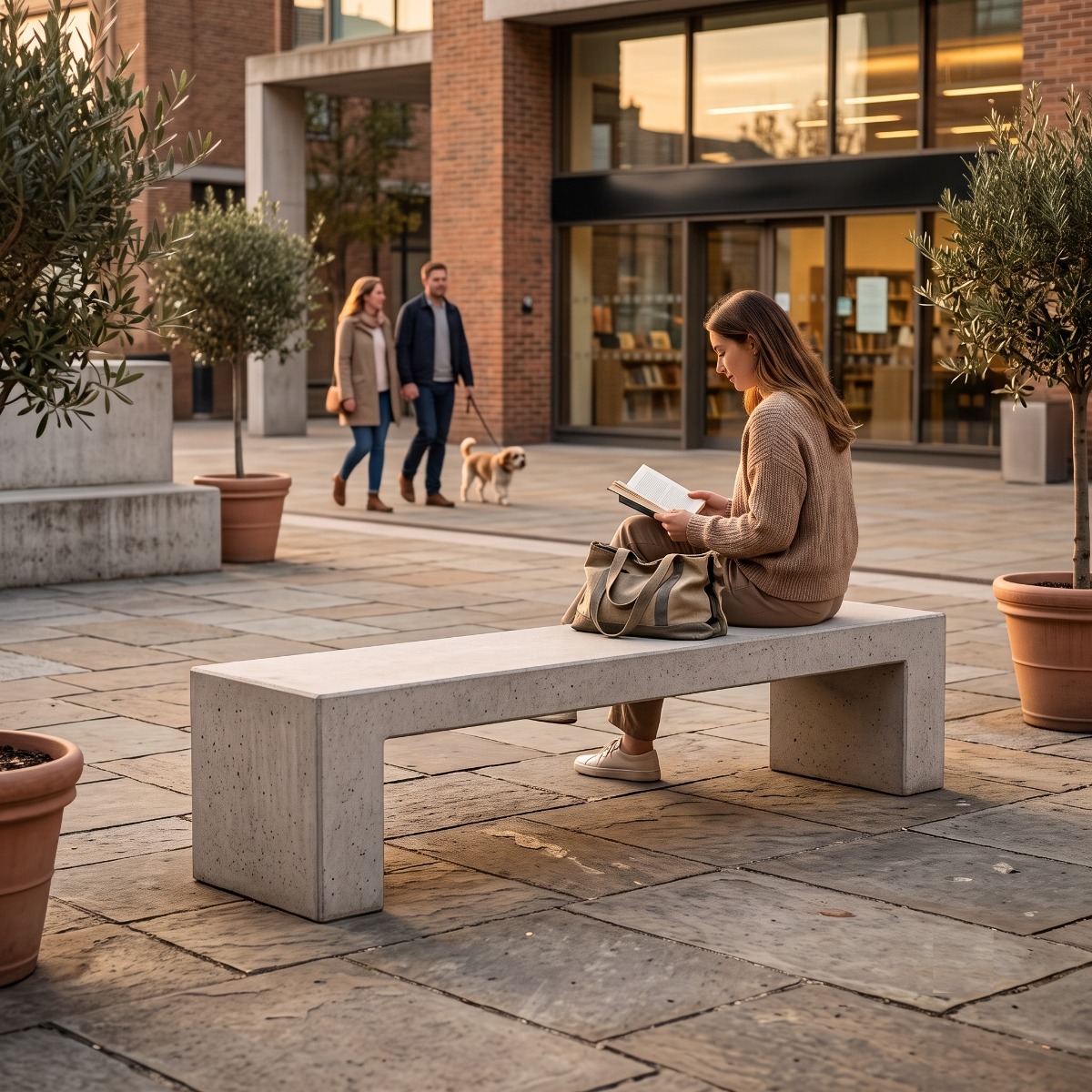
Benches with backrests and armrests can make it easier for some elderly people or those with mobility issues to rest and move around. Seats without backrests are suitable for certain squares, walkways, and spaces where people spend only a short time.
Among the models available, the choice must also consider the architectural context: classic lines in historic centers, contemporary design in modern squares and natural materials in green areas benches for public parks. They must offer a balance between comfort, durability and ease of management.
Installing and securing outdoor benches
Installation depends on the weight, structure, and manufacturer's instructions. Some benches can be freestanding, while others require anchoring with bolts or specific anchoring systems.
Before installation, it's important to check the stability of the subfloor, the type of flooring, drainage conditions, and available space. In public areas subject to heavy use or potential movement, it's particularly important to assess the suitability of the anchoring system.
Prices of benches for public parks
The price of the benches for public parks It depends on the material, size, design, accessories, finishes, and mounting method. Apparently similar models may have different costs due to their construction features and intended use.
To evaluate cost-effectiveness, it's also necessary to consider transportation, installation, maintenance, and the possibility of replacing components. For a municipality, the overall cost over time can be more significant than the unit price alone.
Which bench should you choose based on where you want to install it?
In public parks, benches with backrests, durable outdoor materials, and easily cleanable surfaces are often useful. In high-traffic squares, sturdiness, fastening, and wear resistance may be priorities. In school playgrounds, the characteristics of the users and the safety of the finishes should also be considered.
Corrosion resistance is particularly important for seafronts and coastal areas. On pedestrian walkways, it's important to distribute rest areas without compromising accessibility and the width of walkways.
How to evaluate a supply of benches for municipalities
Before purchasing benches for a public space, it's helpful to determine the quantity, installation location, materials, dimensions, fastenings, user characteristics, and budget. It's also a good idea to compare spare parts availability, maintenance requirements, and required technical documentation.
A selection based on these elements allows you to evaluate not only the price, but also the product's compatibility with the project and with future management activities in the area.
Frequently asked questions about street furniture benches
What material should I choose for an outdoor bench?
It depends on climatic exposure, use, and expected maintenance. Wood, metal, concrete, and recycled plastic have different characteristics, which can be compared in the technical data sheets.
Do municipal benches have to be fixed to the ground?
Not always. The need for fastening depends on the model, the installation location, and the manufacturer's instructions.
How much does a public park bench cost?
The price varies depending on the material, size, structure, and accessories. For a complete estimate, you should also consider transportation, installation, and maintenance.
Professional supplies of benches for street furniture
The choice of the street furniture benches It must start from the project's characteristics and the intended use of the space. A professional catalog allows you to compare materials, configurations, and installation methods.
Holity offers solutions dedicated to public areas, parks and collective spaces. Holity professional catalog It is possible to evaluate different types of street furniture based on the needs of municipalities, institutions, and professional operators.
 English
 Italian
 French
 German
 Spanish