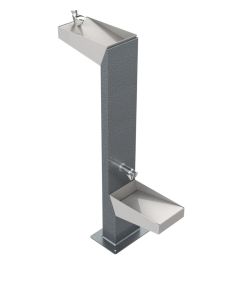
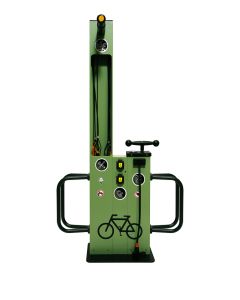
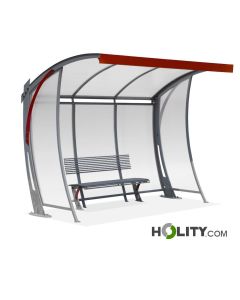
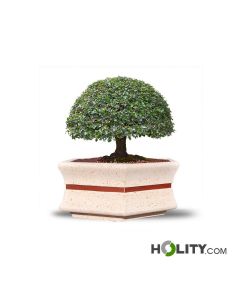
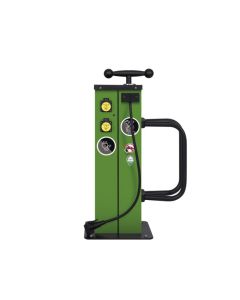
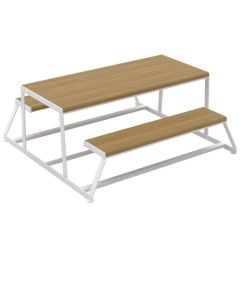
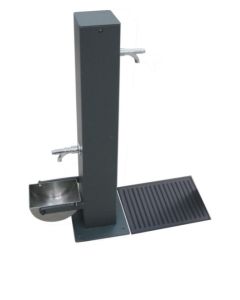
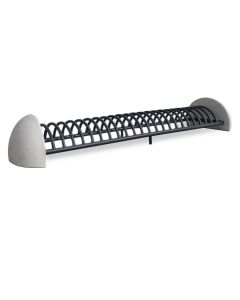
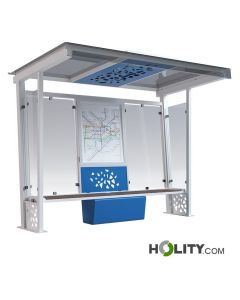
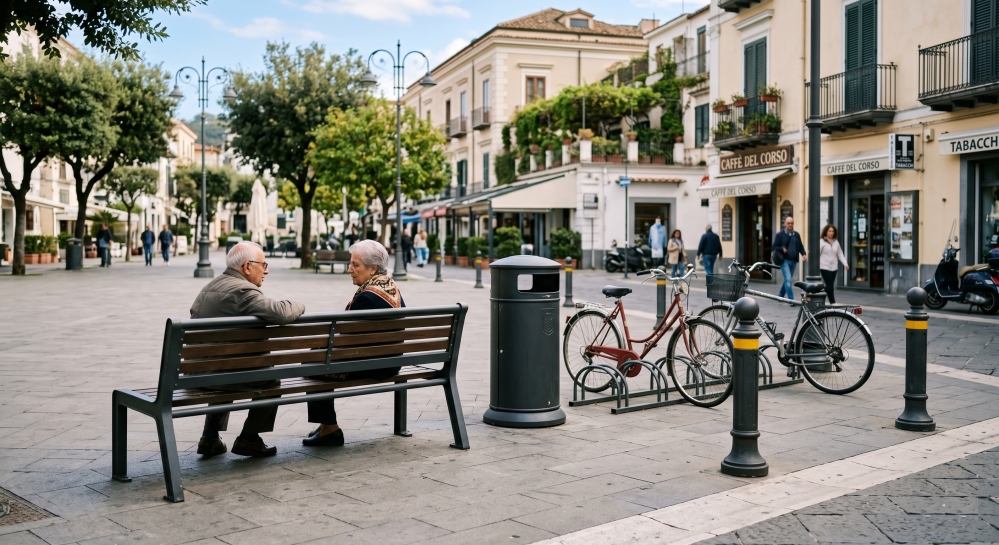
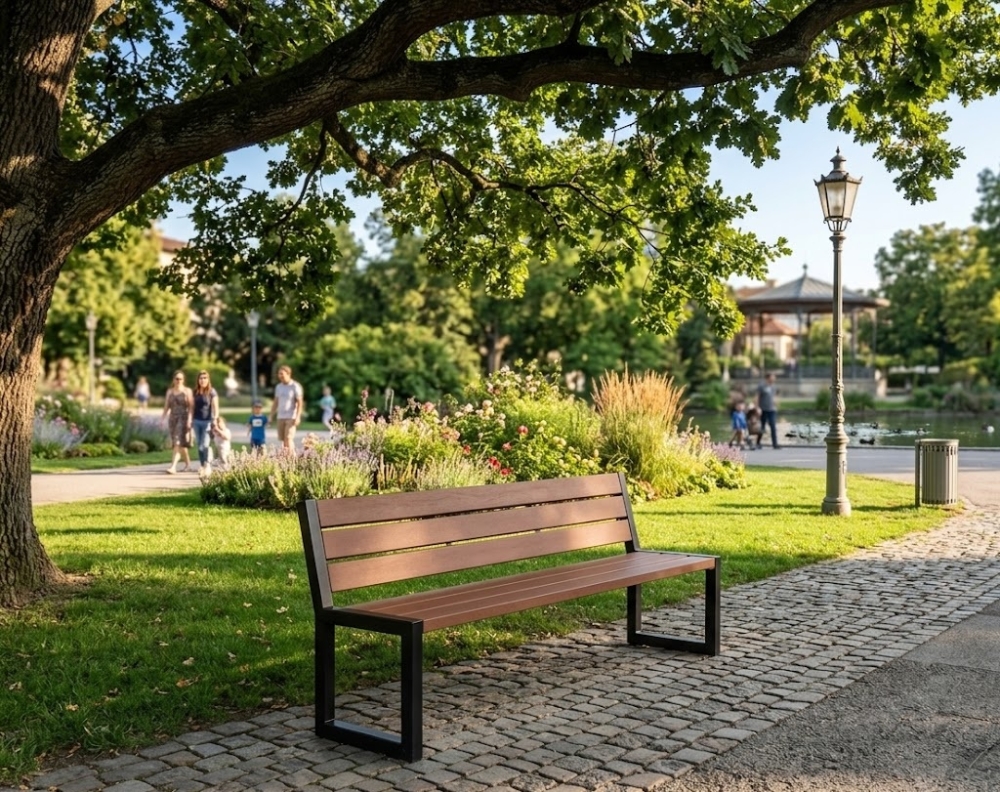
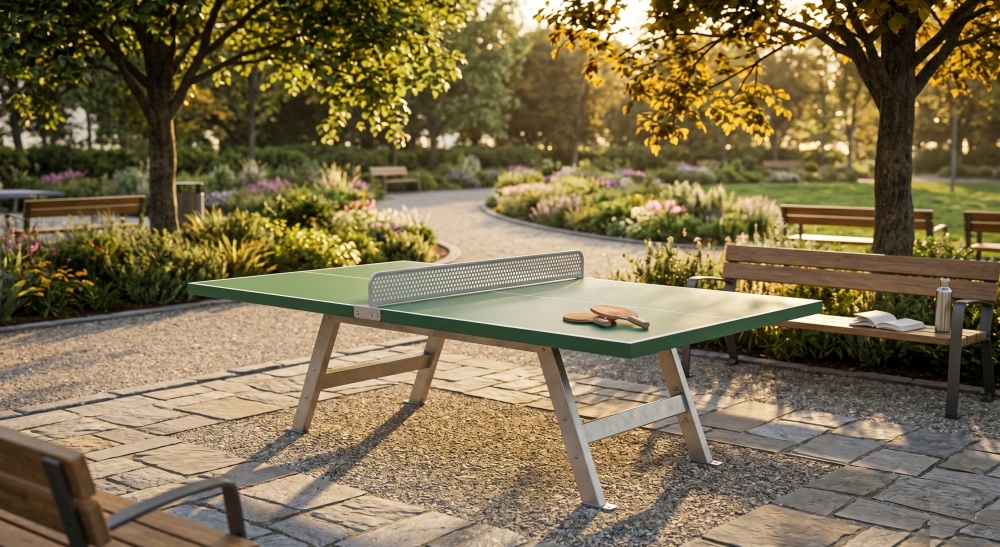
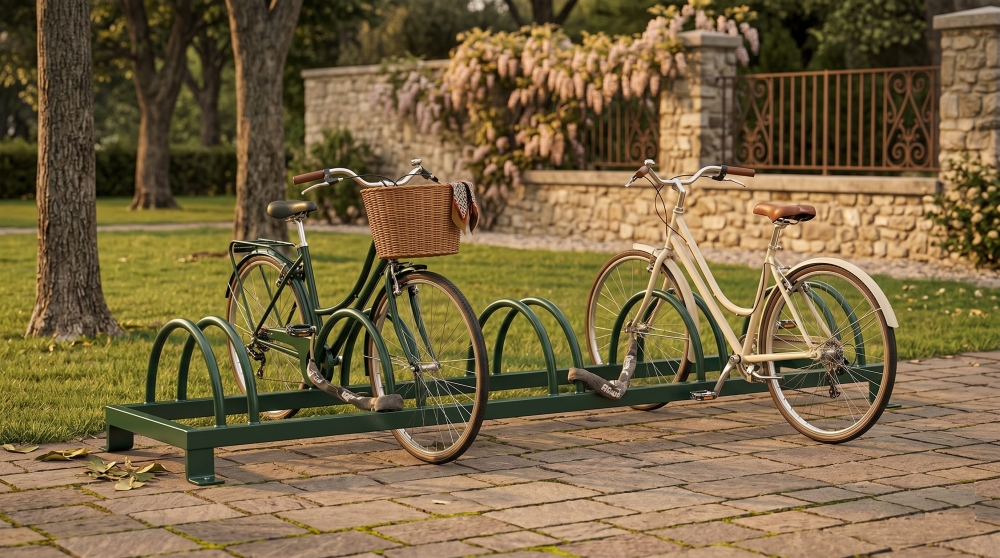
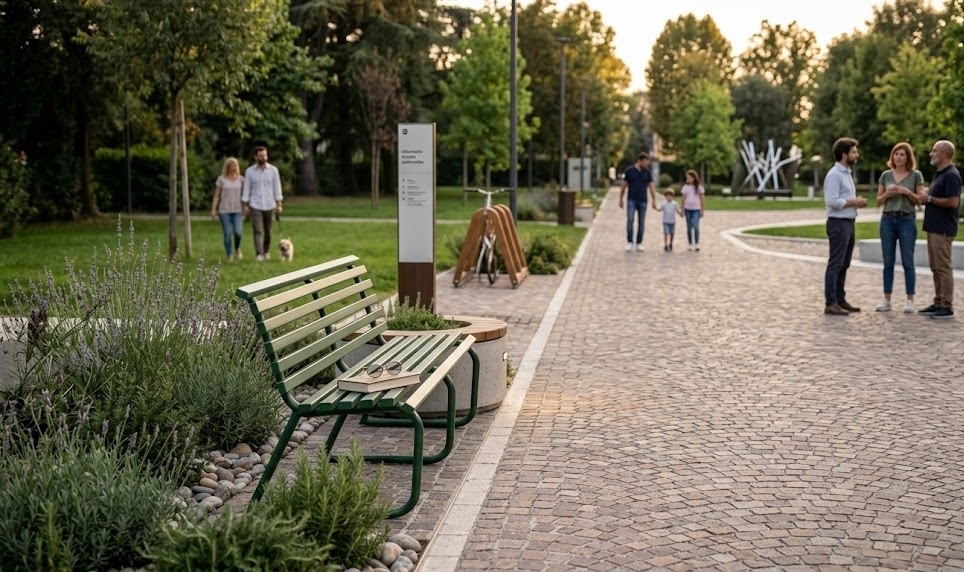
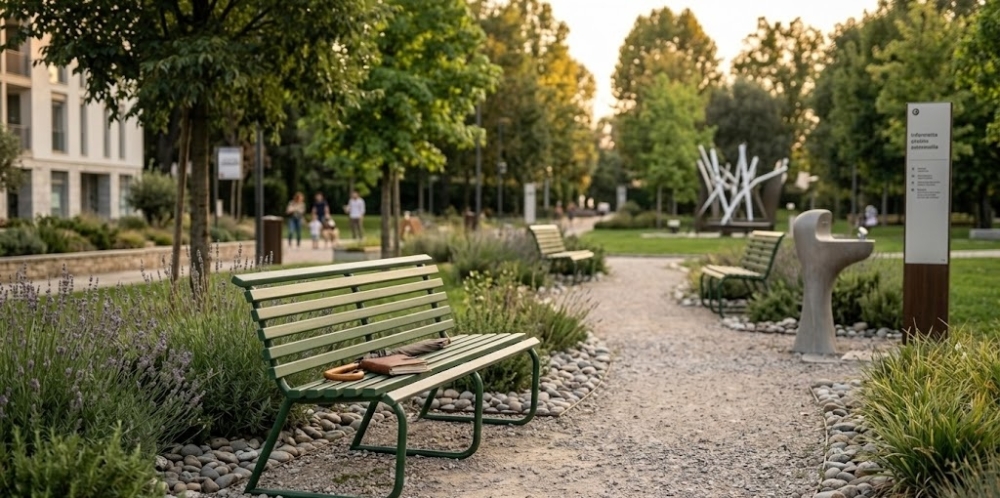
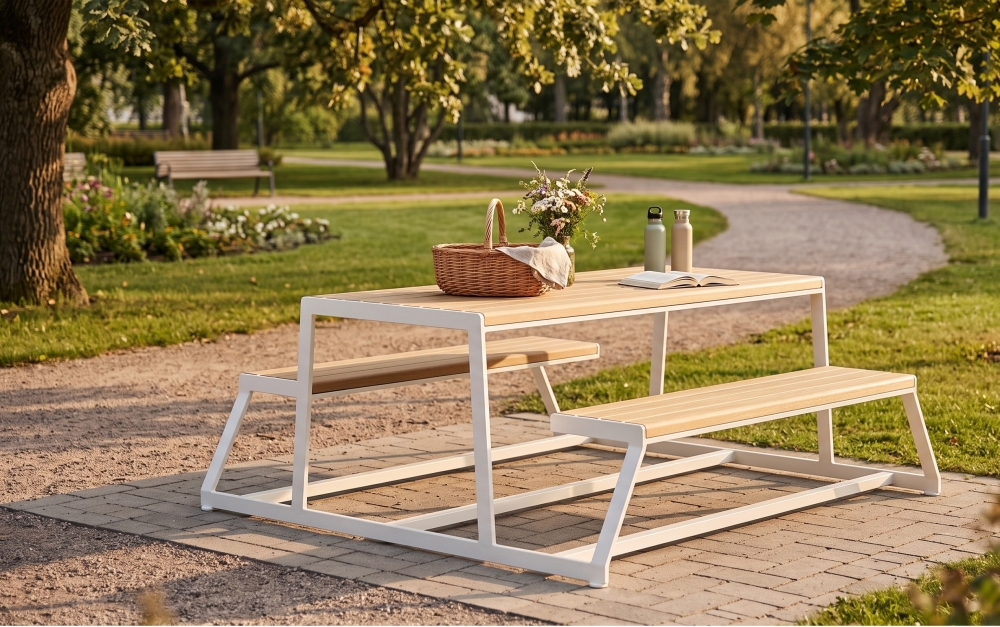
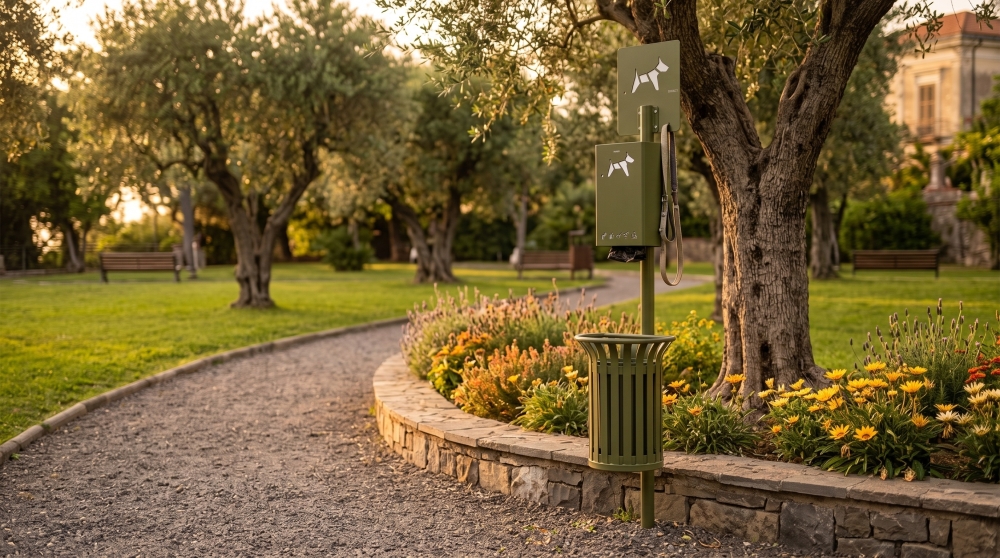
street furniture for municipalities includes benches , shelters , flower boxes , picnic tables, bollards, bike racks and many other elements intended for the management of public spaces. Preparing a request for quotation correctly is essential to avoid inconsistent supplies, unexpected costs or products that are difficult to install and maintain. An effective quotation should not limit itself to indicating the name of the desired item, but must clearly describe the context of use, the quantities, the required characteristics and the operating conditions of the intervention.
For technical offices, administrations and purchasing managers , the preliminary phase is Often decisive. Street furniture chosen without an analysis of the space may prove unsuitable in terms of size, materials, fixings, or resistance to public use. On the contrary, a well-constructed request allows the supplier to propose solutions that are more consistent with parks, squares, green areas, schools, pedestrian paths, or high-traffic areas. This reduces errors and makes it easier to compare truly comparable offers.
Why a well-prepared request for a quote avoids subsequent problems
A detailed request for a quote allows you to clarify from the outset which furnishings are needed and what function they must perform. A bench for a public park, for example, does not have the same requirements as a seat for a historic center or a school area. The same applies to bins, planters, bollards, and picnic tables. Each product must be evaluated in relation to the context, the intensity, and the type of use. of use and expected maintenance.
When the information is incomplete, the risk is that you will receive offers that are difficult to compare. Two products may seem similar in price, but differ in material, size, surface treatment, fastening system, or expected lifespan. For a municipality, this can generate problems during installation or higher subsequent costs. A specific request, however, helps direct the purchase towards professional street furniture that is truly suitable for public use.
Analyze the public space before choosing the furniture
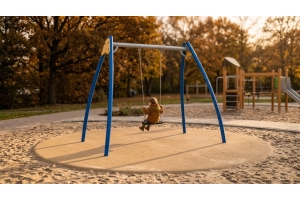
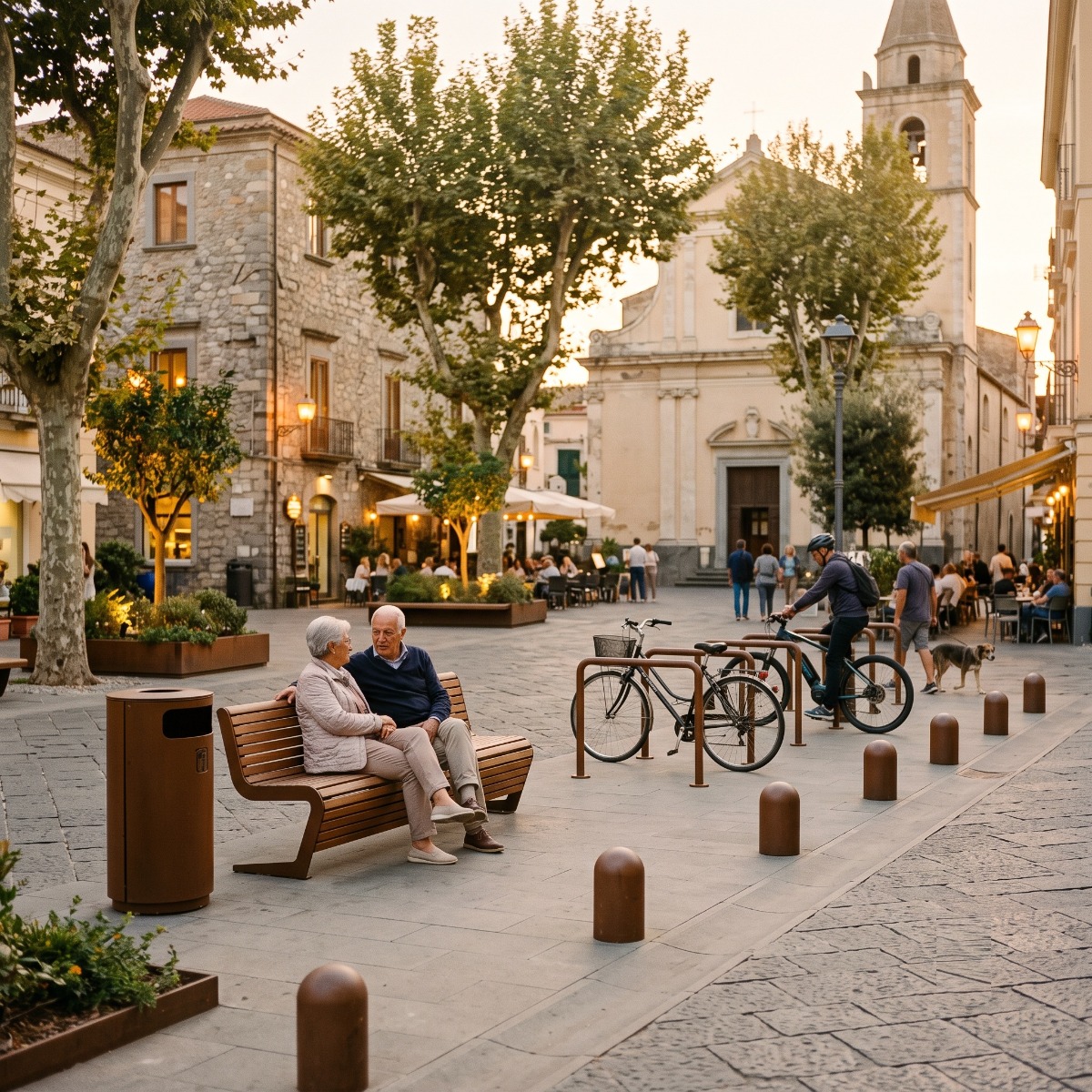 Before requesting a quote, it is useful to analyze the place where the furniture will be installed. A green area requires products that are resistant to atmospheric agents and consistent with a natural environment. A square may require more structured furniture, capable of integrating with paving, pedestrian paths, and the flow of people. A school zone or playground requires particular attention to safety, stability, and ease of cleaning.
The analysis should include exposure to sun and rain, the presence of pedestrian or vehicular traffic, the risk of vandalism, accessibility for maintenance vehicles, and aesthetic constraints of the context. In historic centers, for example, it may be important to maintain a sober style consistent with the environment. In public parks, however, comfort, robustness, and durability may be priorities. street furniture for municipalities must always respond to real needs, not just aesthetic preferences.
An effective request should indicate the type of product requested , the quantity, and the design. estimated, the installation location and the intended use.
It is useful to specify whether the furniture will be installed in parks, squares, schools, sports areas, pedestrian zones, car parks or green spaces. This information allows the supplier to evaluate the most suitable materials, models and solutions. Any size, colour or style constraints should also be indicated from the outset. When possible, it is also advisable to describe the operational requirements: The need for ground anchoring, resistance to weather conditions, ease of cleaning, accessibility, availability of spare parts, and consistency with existing street furniture should also be specified. This ensures that the quotation is not limited to the product price but also takes into account its actual suitability for use in the public space. For public authorities, this approach improves the quality of the assessment and reduces the risk of purchasing items that are not compatible with the project.
Materials, resistance, and maintenance: criteria to be indicated immediately
The materials affect durability, maintenance, and cost over time. Wood, metal, concrete, recycled plastic, steel, and technical materials have different performance characteristics depending on the installation context. Furnishings placed in a humid, exposed, or highly frequented area must guarantee resistance and stability. For this reason, in the request for a quote, it is useful to indicate whether the priority is robustness, sustainability, low maintenance, or aesthetic coherence with other urban elements. Maintenance is an often underestimated criterion. A product with a lower initial cost may require frequent interventions, periodic treatments, or early replacements. Conversely, more resistant furniture may be more convenient in the medium term. For municipalities and public bodies, indicating the expected duration and management helps to select street furniture supplies best suited to the continuity of the service and the care of public spaces.
Quantity, installation, and logistics in municipal supplies
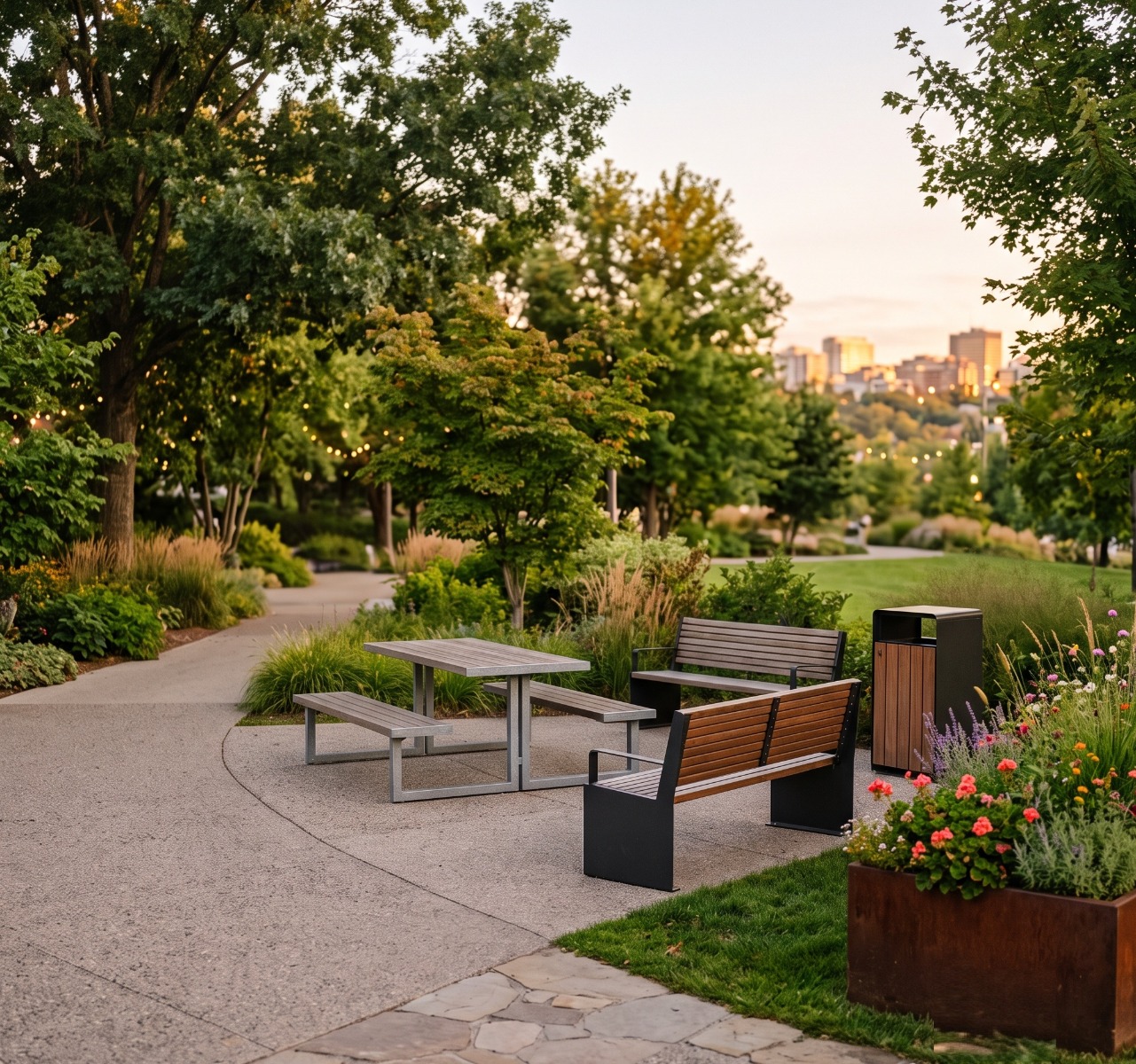 The quantity requested influences price, availability, delivery times, and supply management. Purchasing a few items for a one-off intervention is different from planning a complete installation for multiple areas of the territory. When requesting a quote, specifying precise or estimated quantities allows for a better assessment of the overall cost and the possibility of providing coordinated models. This is important when the municipality wants to maintain uniformity across different public spaces.
Installation and logistics must also be considered. Some furnishings are easy to move, others require adequate means for unloading and positioning. Concrete benches, large planters, or heavy bollards can have different costs and lead times than lighter furnishings. Specifying any installation, site access, and unloading requirements helps avoid misunderstandings and correctly interpret the value of the quote.
Frequent mistakes when choosing street furniture for municipalities
One of the most common mistakes is comparing quotes only on the unit price. This criterion can be misleading if the products differ in materials, dimensions, thickness, finishes, or intended use. A street bin, a bench, or a flowerpot can have very different prices because they respond to different levels of resistance and durability. For this reason, the comparison should be made between equivalent products, not just between similar prices.
Another mistake is not considering the installation context. Furnishings that are not suitable for outdoor use, are unstable, or are difficult to clean can create problems after just a few months. A lack of coordination between products can also generate a messy and less functional result. The ’ street furniture for municipalities must be chosen with a comprehensive vision, evaluating aesthetics, safety, maintenance, and management over time.
Choosing a professional supplier for street furniture and public bodies
Preparing a request for a quote becomes more effective when the body turns to a supplier specialized in street furniture and professional supplies. Holity, a specialist in supplies for municipalities, institutions, schools, green areas and collective spaces , offers solutions designed for public contexts where durability, functionality and continuity of use are central criteria. This approach helps administrations and technical offices evaluate products consistent with the real needs of the space.
Holity, , a leader in professional equipment and supplies for public institutions, companies and operational structures , represents a point of reference for those who need to purchase street furniture for municipalities with an organised and professional logic. A well-constructed request for a quote, complete with quantity, intended use, materials, installation and functional criteria, allows for more precise and comparable proposals. The result is a more informed choice, capable of improving the quality of public spaces and simplifying the management of the intervention.
 English
  Italian
 French
 German
 Spanish