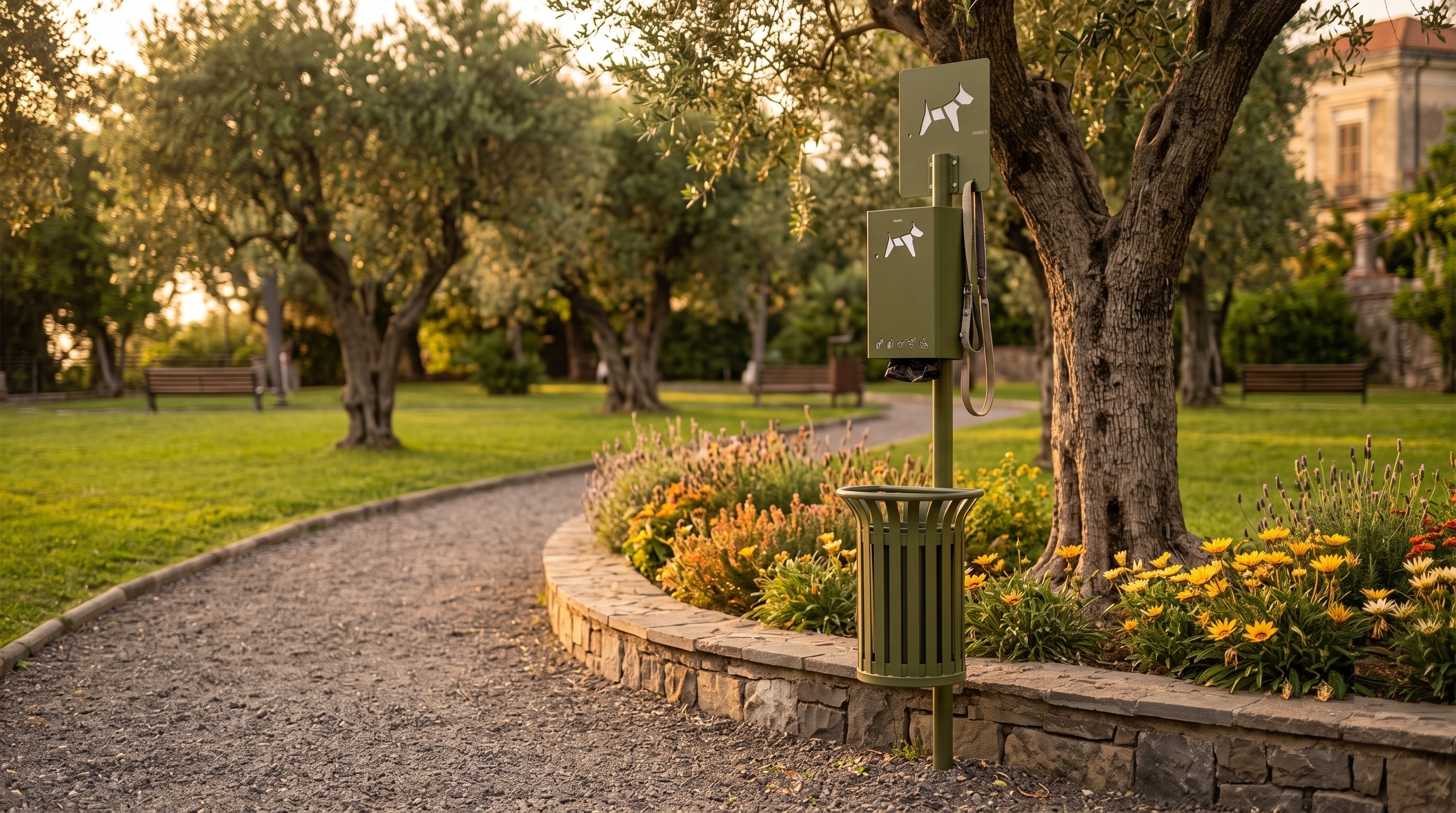
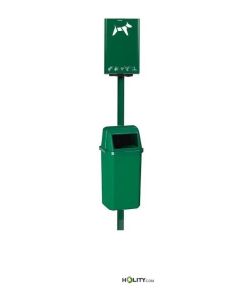
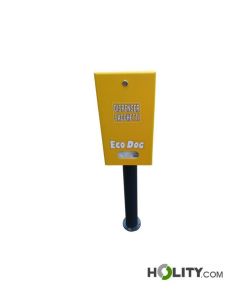
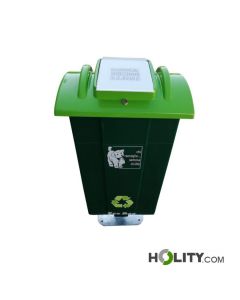
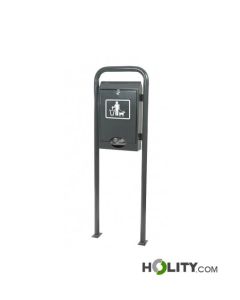
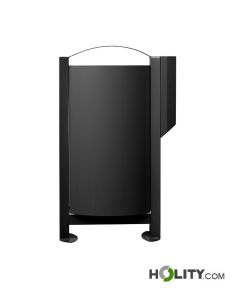
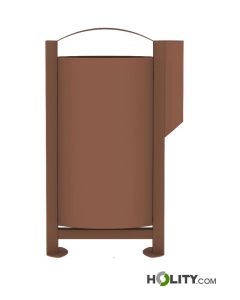
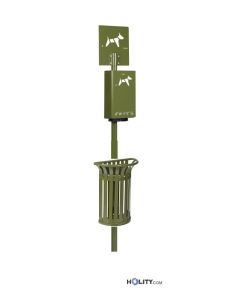
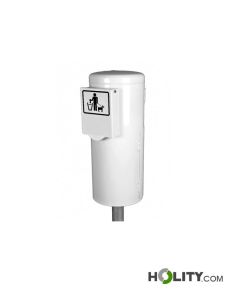
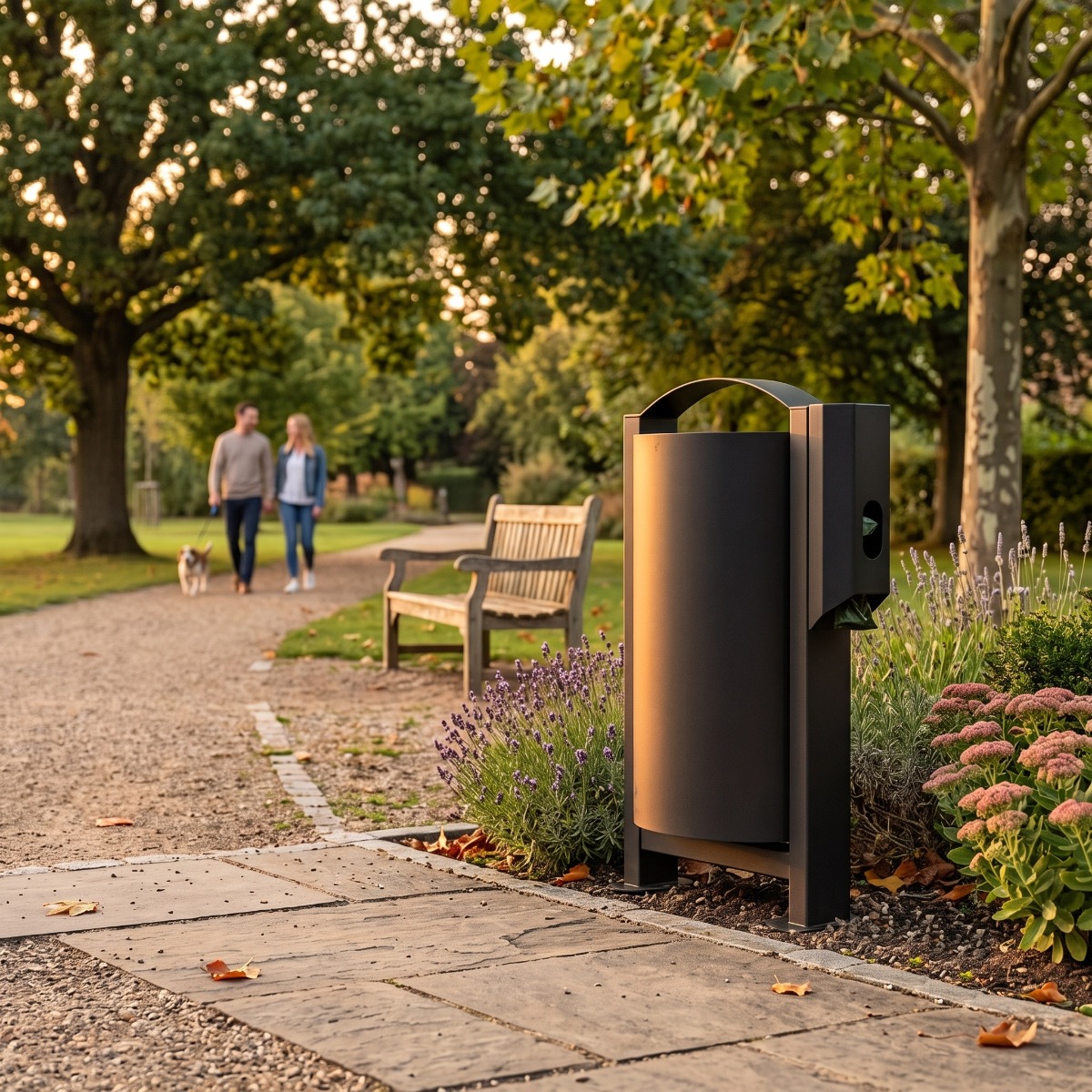
Dog waste bins are increasingly important elements in the management of public spaces, especially in municipalities, urban parks, green areas and areas dedicated to dogs. Their presence helps keep pedestrian paths cleaner, reduces waste abandonment and makes it easier for citizens to comply with urban hygiene rules. A generic bin may not be sufficient when the area is frequented by many pet owners, because dog waste requires recognizable, practical containers placed in the correct locations.
For a public administration or for a manager of a private area open to the public, choosing the right product means evaluating resistance, capacity, ease of emptying, integration with street furniture and the presence of accessories such as bag dispensers. Dog waste containers are not only a functional support, but contribute to improving the decorum, the perception of care and the responsible use of shared spaces. The correct choice depends on the context, the flow of users and the expected level of maintenance.
 Why dog waste containers are important in public spaces
The presence of dogs in urban contexts is now a stable part of daily life in parks, sidewalks, squares and residential areas. When dedicated collection points are lacking, the risk of waste being left on the ground or disposed of improperly increases. Dog waste bins bins offer a concrete answer to this problem, because they make waste disposal more immediate and visible. Their function is practical, but also educational, as they encourage more orderly and respectful behavior.
In the public sphere, hygiene is not only about the visual cleanliness of the space, but also about the safety and quality of the urban experience. A well-kept park is perceived as more accessible by families, the elderly, children, and pet owners. Placing dedicated bins in high-traffic areas reduces the burden on the cleaning service and improves the overall management of the area. For this reason, specific containers represent a useful component of street furniture and not simply a marginal accessory.
Dog waste containers for municipalities, parks and green areas
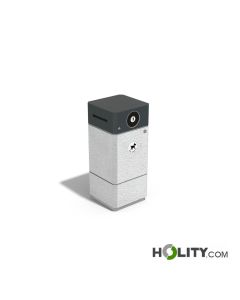
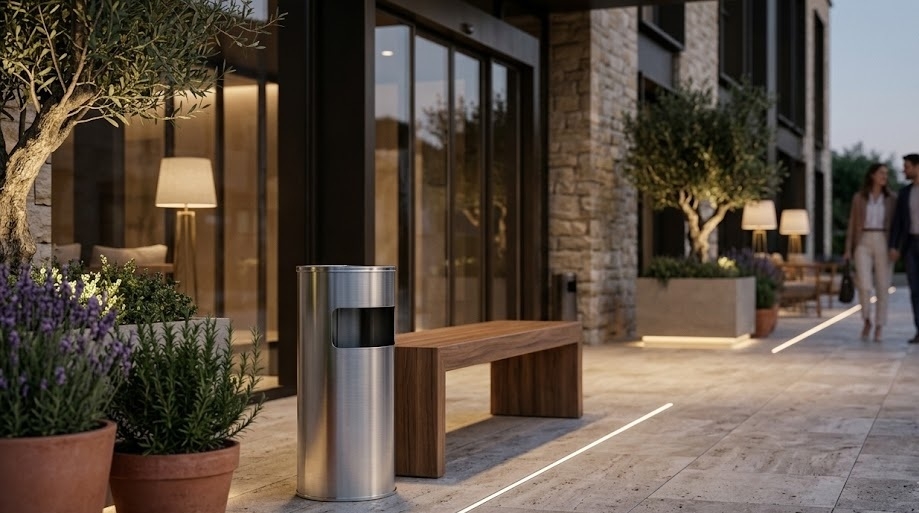
Dog waste containers intended for municipalities must be designed for frequent and continuous use. Unlike small domestic or condominium bins, models for public spaces must be resistant to bad weather, impacts, sunlight, humidity and possible vandalism. In parks and green areas, moreover, they must be easily identifiable, without compromising the aesthetic order of the context. Visibility is important because citizens must be able to quickly recognize the collection point.
Location has a significant impact on the effectiveness of the system. The containers should be positioned near park entrances, along main paths, near dog areas and in areas where passage is most frequent. An insufficient number of bins can reduce correct use, while a well-designed distribution facilitates maintenance and disposal. For municipalities, this means better managing the service and improving urban decorum with a simple but highly visible intervention.
Litter bins for dog areas and street furniture for dog walking areas
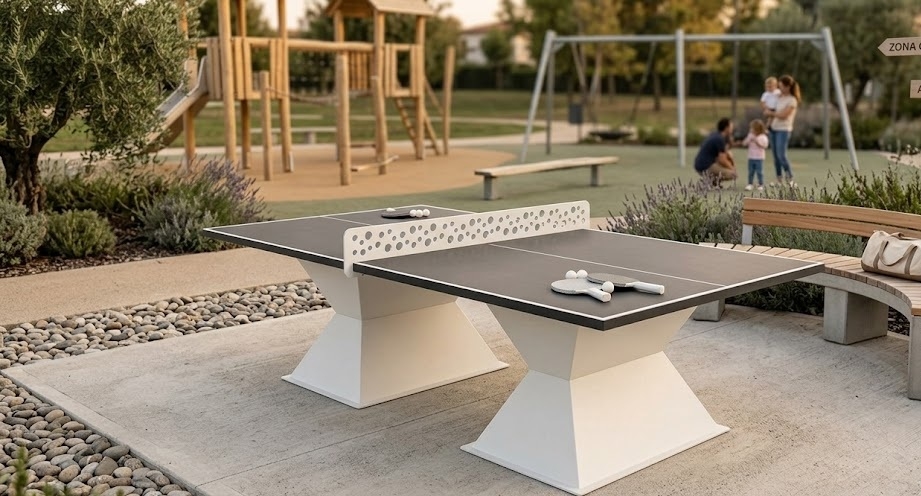
Litter bins for dog areas are particularly useful in dog walking areas, where the presence of animals is concentrated and constant. In these spaces, the container must be part of a larger system, together with fences, gates, benches, fountains, information signs and internal paths. The goal is to create a functional, safe and easily manageable area. A well-positioned bin reduces abandonment and makes it easier for users to keep the area clean.
The street furniture for dog walking areas must be chosen with criteria of robustness and practicality. Containers should be easy to empty, resistant to intensive use and possibly equipped with systems that limit the dispersion of odors. In a highly frequented dog area, the quality of the container also affects the perception of the service offered by the municipality or the manager. Careful equipment communicates attention, order and respect towards citizens and animals.
Materials, capacity and installation systems
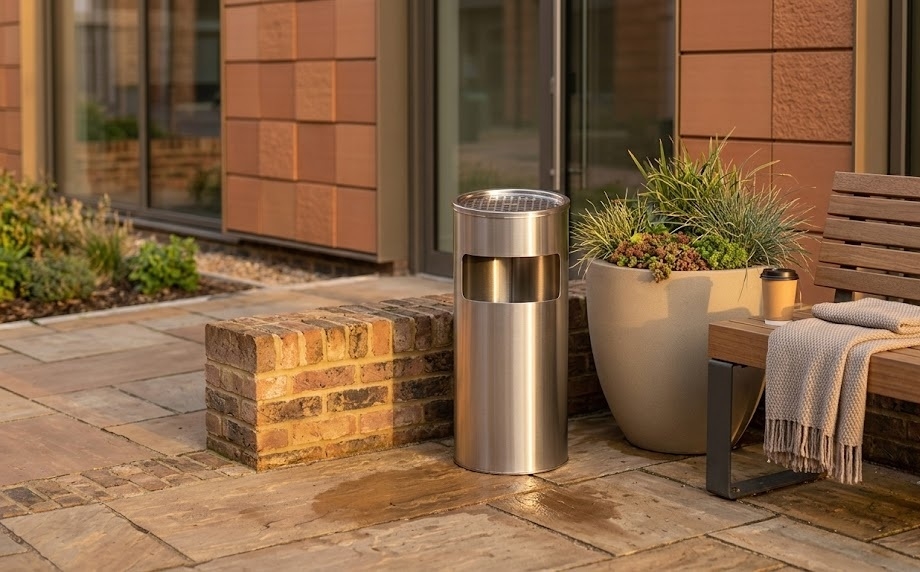
The choice of materials is central to ensuring durability and functionality. Containers in painted metal, steel or technical plastic materials are often used because they resist outdoor conditions well and can be cleaned easily. In more exposed contexts, it is important to check resistance to corrosion, rain and UV rays. A container intended for a public park must maintain its integrity and tidy appearance even after months of continuous exposure.
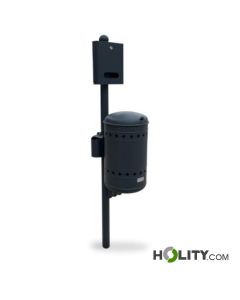
The capacity must also be evaluated based on the installation location. In a small neighborhood garden, a compact model may suffice, while in a busy dog walking area, a larger container or one with easy emptying is preferable. Installation systems can include pole mounting, wall mounting, or ground anchoring. The choice depends on safety, operator accessibility, and the risk of improper movement of the container.
Useful accessories: bag dispensers, signage, and maintenance
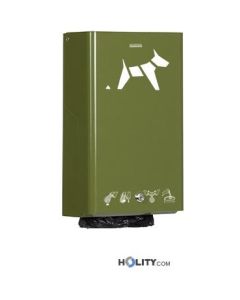
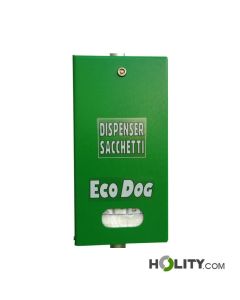
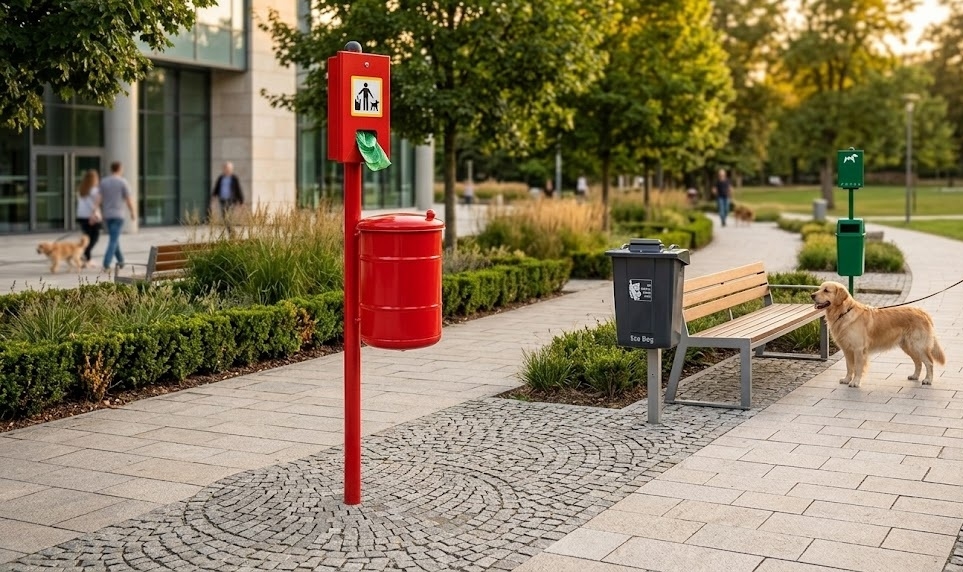
A dog waste container can be more effective if integrated with dedicated accessories. The bag dispenser, for example, helps users who do not have one and encourages more responsible behavior. Signage, on the other hand, makes the collection obligation clearer and directs people to the disposal point. These elements are particularly useful in public parks and dog areas where the influx is constant and diversified.
Maintenance remains a crucial aspect. A container that is difficult to open, empty, or clean can create problems for operators and reduce the efficiency of the service. It is useful to choose models with easy opening, a stable structure, and resistant components. Holity, a specialist in professional supplies for institutions, municipalities, and street furniture, offers solutions designed for public contexts where hygiene, practicality, and continuity of use are essential elements.
Dog waste containers prices: what affects the cost
When evaluating dog waste containers prices , it is important to consider that the cost varies based on the material, capacity, fastening system, presence of a dispenser, and level of resistance. A simple model may have a lower price, but may not be suitable for a highly frequented or heavily used area. In public contexts, the price must be linked to the expected durability and ease of management.
A more robust container can reduce replacements, extraordinary maintenance, and disruptions over time. For municipalities and park managers, convenience does not always coincide with the lowest initial cost. What counts is the relationship between price, resistance, capacity, and quality of installation. Evaluating these factors allows you to purchase products that are more consistent with the real needs of the area and the available budget.
Choosing professional supplies for urban hygiene and dog areas
The choice of Dog waste bins should be part of a broader vision of the management of public spaces. Parks, gardens, dog walking areas and pedestrian paths require durable, recognisable products suitable for collective use. For an organisation, purchasing professional containers means reducing operational criticalities and improving the quality of the urban service. The selection of the supplier therefore becomes an important step.
Holity, a leader in professional equipment and supplies for organisations, municipalities and street furniture, represents a point of reference for those seeking functional solutions for cleaning and organising public spaces. In the Holity catalogue you will find: It is possible to evaluate containers, bins and useful equipment for dog areas, parks and urban contexts. A correct choice helps keep public areas cleaner, facilitates responsible behavior by citizens and improves the daily management of the urban environment.
 English
  Italian
 French
 German
 Spanish