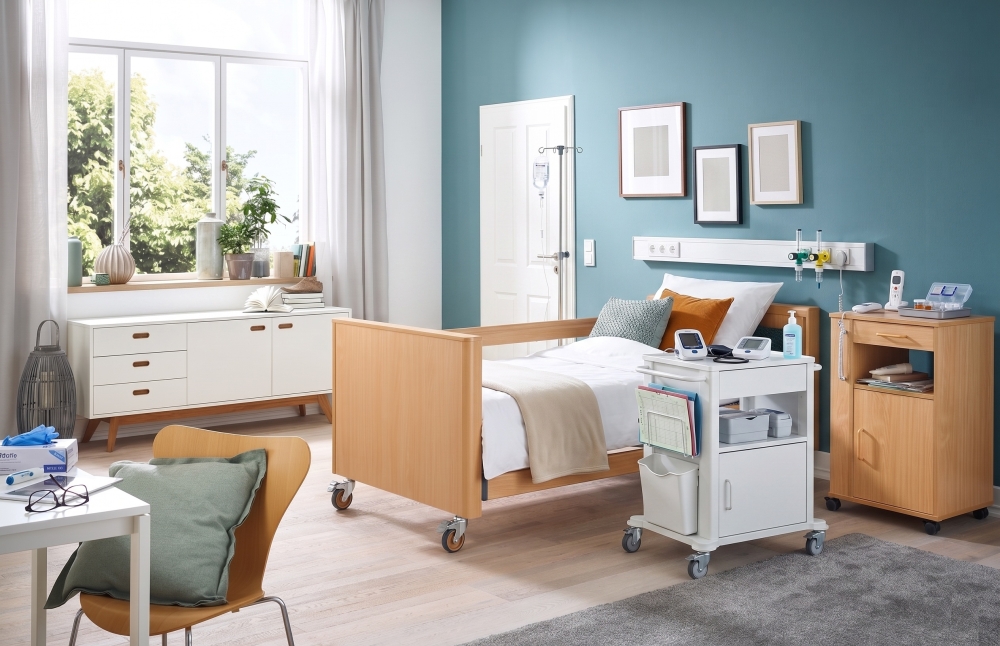
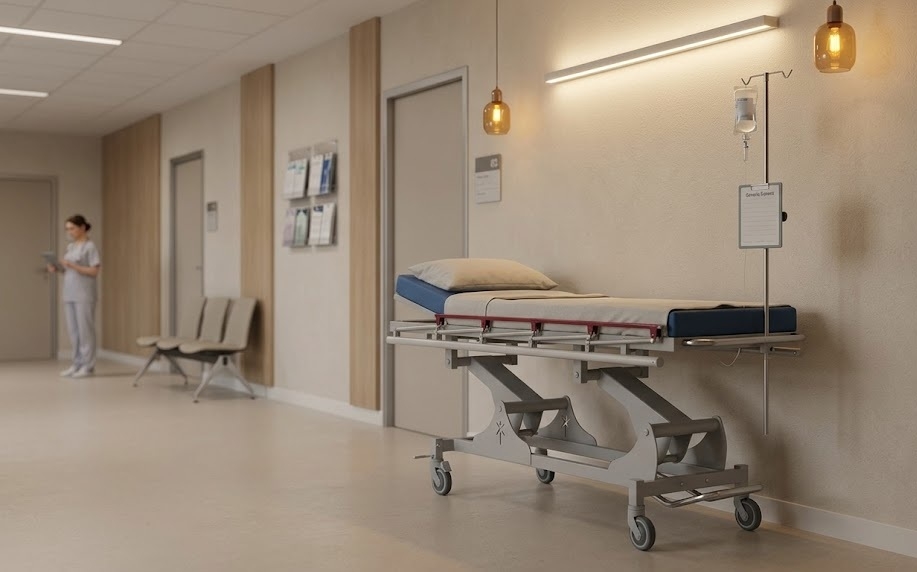
Pressure relief devices are devices used in healthcare to reduce prolonged pressure on specific areas of the body and help prevent pressure ulcers. They are mainly used with bedridden people, frail patients, the elderly, users with limited mobility, or individuals who spend many hours in the same position. In these cases, the skin and underlying tissues can be subjected to continuous compression, with an increased risk of injury if adequate preventive measures are not adopted.
Prevention of pressure ulcers requires a continuous care approach, which includes risk assessment, skin control, hygiene, nutrition, mobilization, repositioning, and the choice of appropriate support surfaces. International guidelines recommend support surfaces as part of prevention and treatment strategies, but also emphasize that no device completely replaces repositioning and professional assessment of the patient.
What are anti-decubitus devices
The term Pressure relief devices refers to mattresses, cushions, positioners and other devices designed to redistribute pressure, reduce friction and shear, improve comfort and support the management of patients at risk. They are not all the same and do not all perform the same function. Some act on the entire body, such as anti-decubitus mattresses, while others protect specific areas, such as heels, elbows, sacrum or areas subjected to localized load.
The main function is to limit constant pressure on the most vulnerable points. Pressure sores tend to develop more easily around bony prominences, when the patient remains immobile or with limited mobility for prolonged periods. For this reason, the choice of device must start from the level of risk and the person's conditions. A device suitable for a partially independent patient may not be sufficient for a bedridden patient or one with fragile skin.
Why pressure ulcers require continuous prevention
 Pressure ulcers are considered a significant problem in hospital, residential, and home care because they can have significant consequences on the patient's quality of life and require complex treatments. The Istituto Superiore di Sanità recalls the importance of adequate prevention strategies, since a pressure ulcer, once developed, can become a potentially serious condition and require timely intervention.
Prevention is not based on a single product, but on a set of coordinated interventions. Periodic repositioning, skin assessment, moisture management, nutritional status monitoring, and the use of support surfaces must be evaluated in an integrated manner. NICE recommendations indicate repositioning at least every 6 hours for adults at risk and at least every 4 hours for adults at high risk, unless otherwise clinically assessed.
Anti-decubitus mattresses and support surfaces
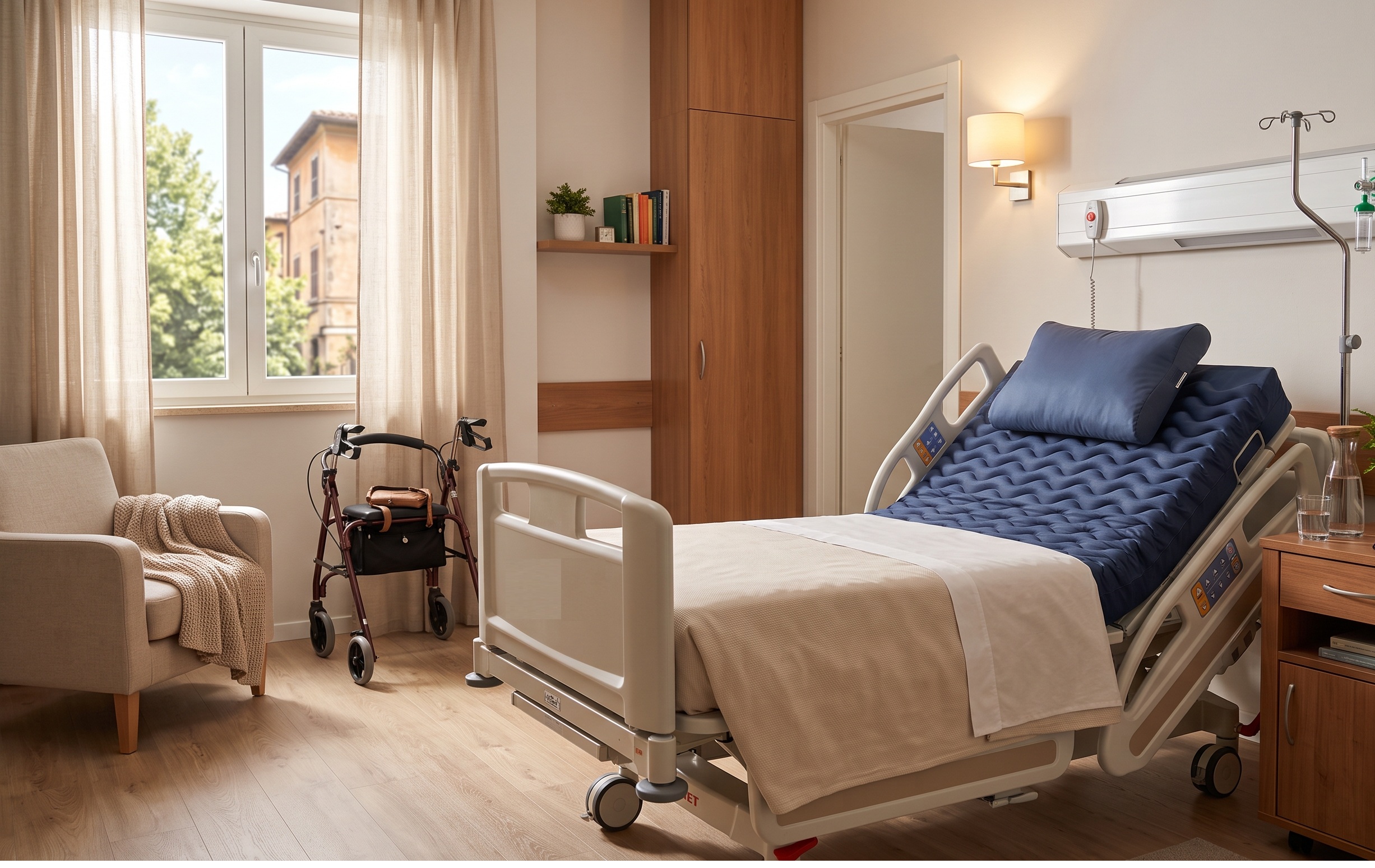
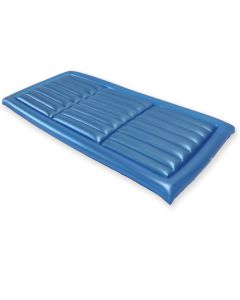
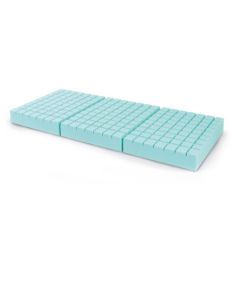
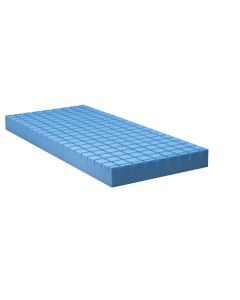
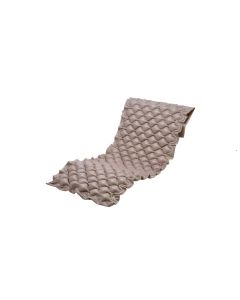
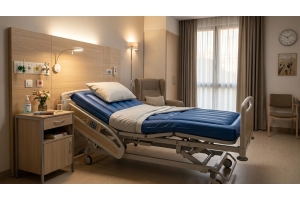
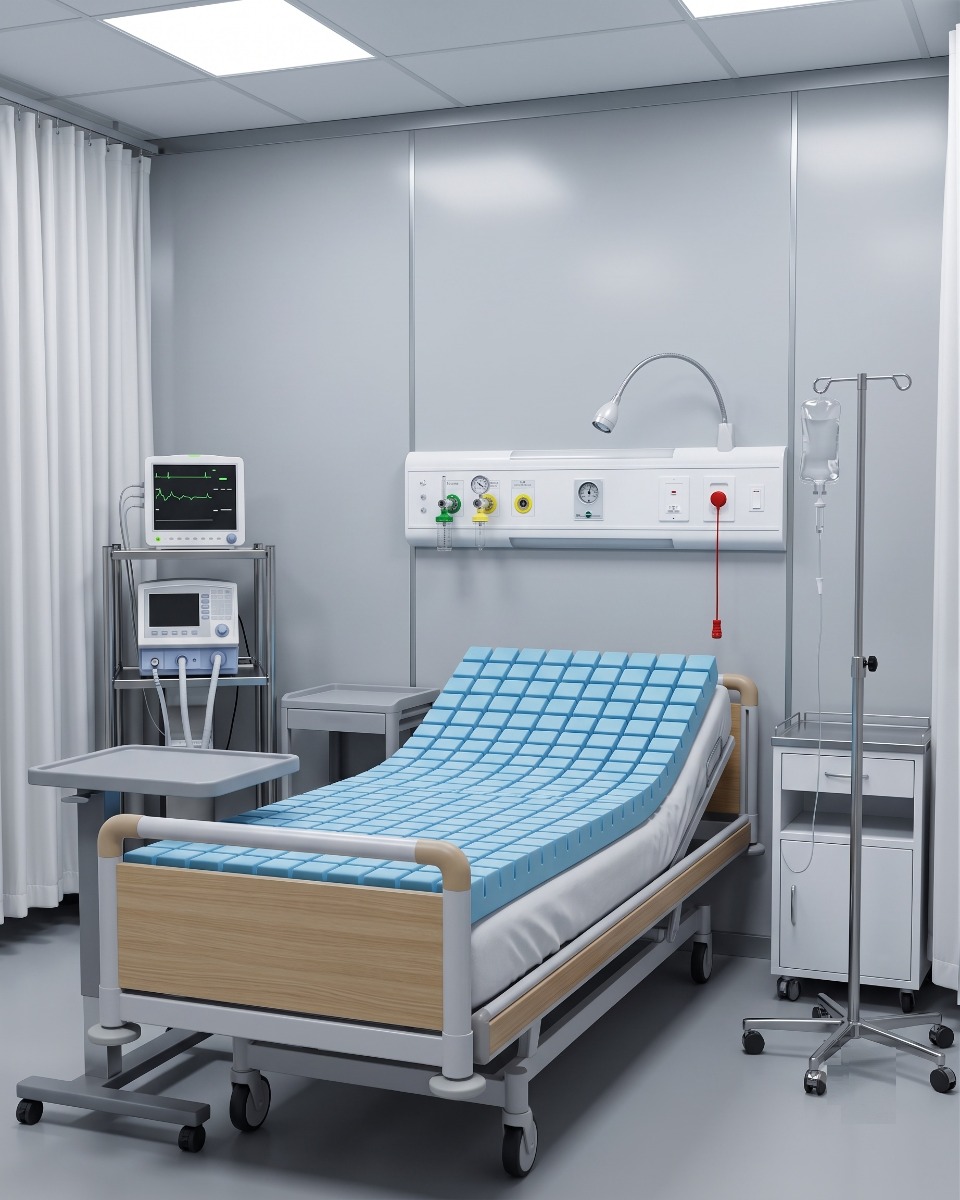
Anti-decubitus mattresses are among the most widely used devices for bedridden patients or those with severely reduced mobility. They can be made of high-density foams, viscoelastic materials, or dynamic alternating pressure systems. Static surfaces redistribute weight through shaped or deformable materials, while dynamic systems periodically change the support points through inflatable cells. The choice depends on the patient's risk, the time spent in bed, and the residual capacity for movement.
Support surfaces do not all have the same indications. A high-performance foam mattress may be adequate for patients at moderate risk, while an alternating pressure system may be suitable for patients at moderate risk. be evaluated for patients at higher risk or prolonged immobility. Regional and international guidelines emphasize the importance of choosing the surface individually, considering the risk of new injuries, any existing injuries, severity, and location.
Cushions and positioning devices
Anti-decubitus cushions are used mainly on wheelchairs, armchairs, and prolonged sitting. They can be made of foam, gel, air, or a combination of materials, with the aim of better distributing the load and reducing pressure on the ischial and sacral areas. They are particularly important for patients who spend many hours sitting or who have limited mobility of the trunk and pelvis. Again, the device must be chosen based on posture, weight, and level of risk.
Positioning supports protect specific, highly exposed areas, such as the heels, ankles, elbows, and knees. Heels are among the most vulnerable areas in bedridden patients, because they can be subjected to continuous pressure even when the rest of the body is supported by an adequate mattress. Side cushions, wedges, off-loading supports, and postural devices help maintain safer positions, but must be used as directed by healthcare professionals to avoid unwanted pressure in other areas.
Anti-decubitus devices in nursing homes and healthcare facilities
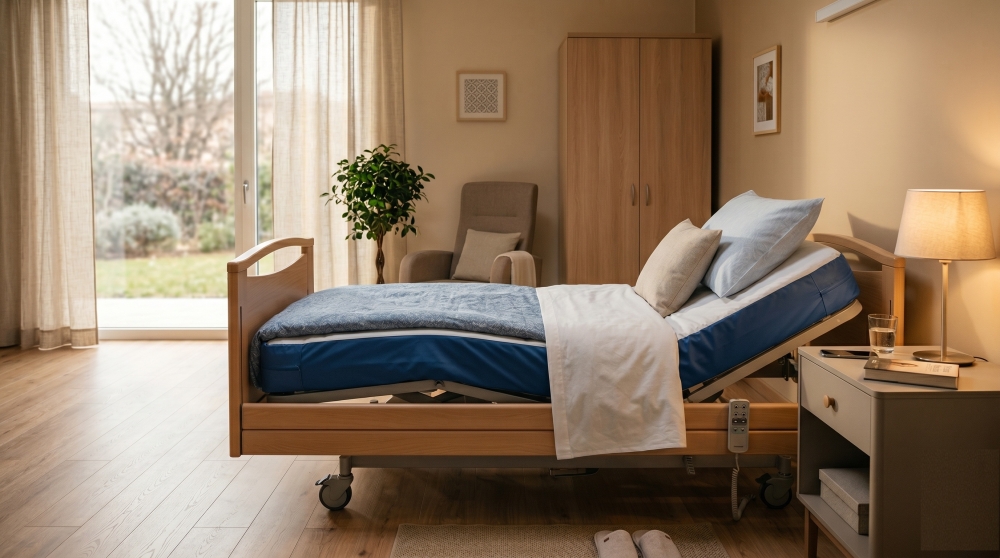
In nursing homes and healthcare facilities, Pressure relief devices are part of the daily care equipment. The choice must consider not only the individual patient, but also the overall management of the facility. Mattresses, cushions, and supports must be available in sufficient quantities. adequate, easy to sanitize, compatible with existing beds and wheelchairs, and suitable for continuous use. Maintenance is a key aspect, especially for dynamic systems with compressors.
In these contexts, prevention requires collaboration between nurses, healthcare workers, physiotherapists, doctors, and facility managers. The risk assessment must be updated over time, because the patient's conditions can change rapidly. A device that is adequate upon admission may no longer be adequate following a worsening of mobility, weight loss, a change in nutritional status, or a new clinical condition. For this reason, the equipment must be accompanied by consistent care procedures.
Criteria for choosing the device based on the patient's risk
 The choice of device must start from an assessment of the risk of pressure ulcers. Mobility, sensitivity, skin condition, nutrition, continence, body weight, restricted postures, and time spent in bed or wheelchair are all factors to consider. In low-risk patients, a preventive support surface may be sufficient, while in high-risk patients, more effective solutions and a more structured care plan are needed.
It is important to avoid a purely standardized choice. Two patients with the same type of bed may have very different needs. A thin, frail, and poorly mobile patient requires different attention than a patient with good ability to change position. The presence of pre-existing lesions also changes the assessment. Anti-decubitus devices must therefore be considered prevention support tools, not substitutes for clinical monitoring and professional care.
Professional supplies for healthcare and prevention
The choice of Pressure relief devices requires a supplier capable of offering solutions suitable for nursing homes, healthcare facilities, professional home care and social-care contexts. Holity, specialist in professional supplies for the healthcare sector, institutions, communities and care facilities, offers products designed to support the daily management of fragile patients. This approach is useful for those who need to evaluate reliable, sanitizable devices that are consistent with continuous use.
Holity, leader in professional equipment and medical-health supplies for organised facilities, represents a reference for those looking for mattresses, cushions and anti-decubitus aids intended for assistance. The correct choice arises from a combination of risk assessment, healthcare indications, device quality, and facility management. An appropriate device helps prevent pressure ulcers, improves patient comfort, and supports the work of operators in providing ongoing care.
 English
  Italian
 French
 German
 Spanish