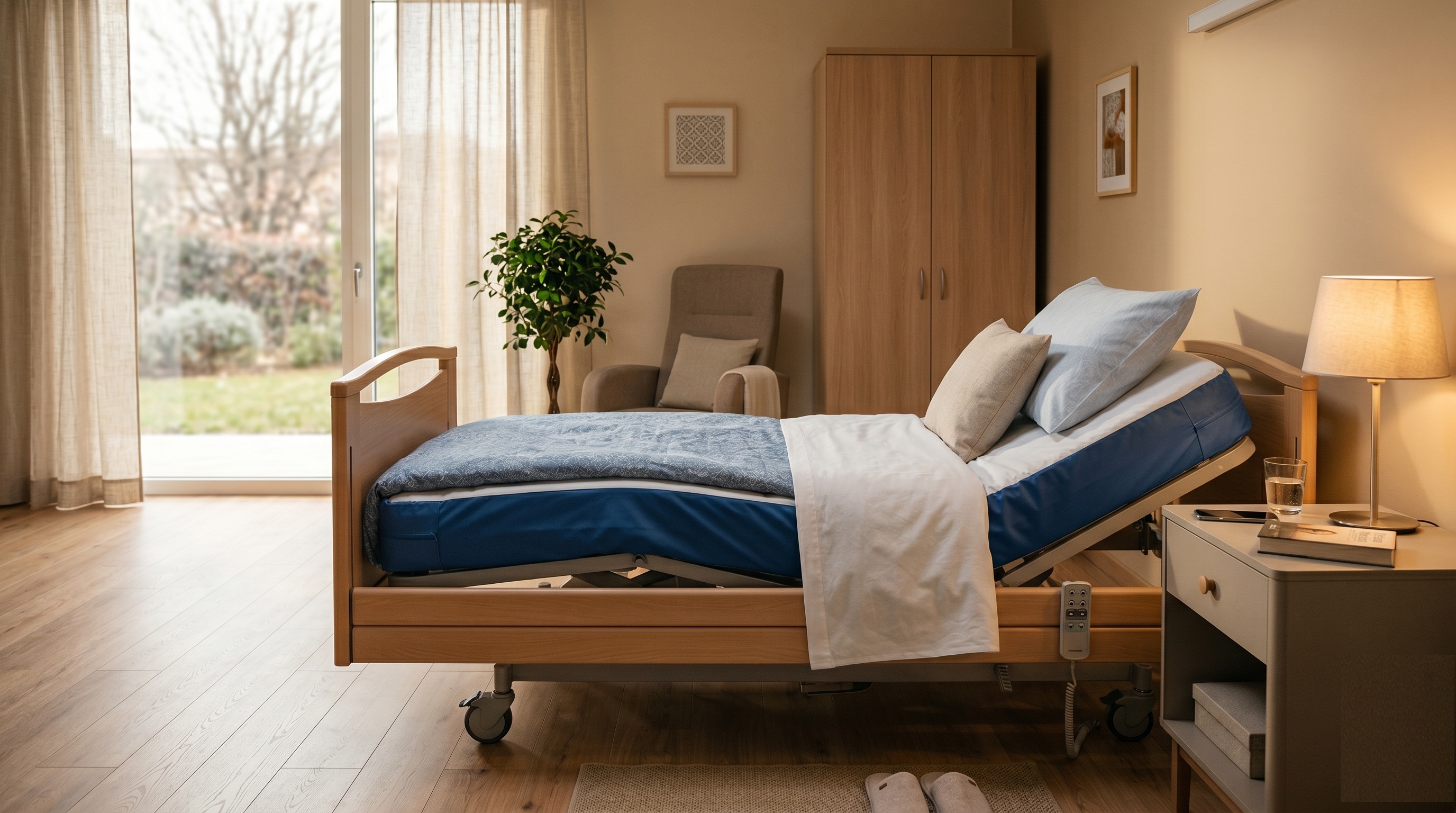
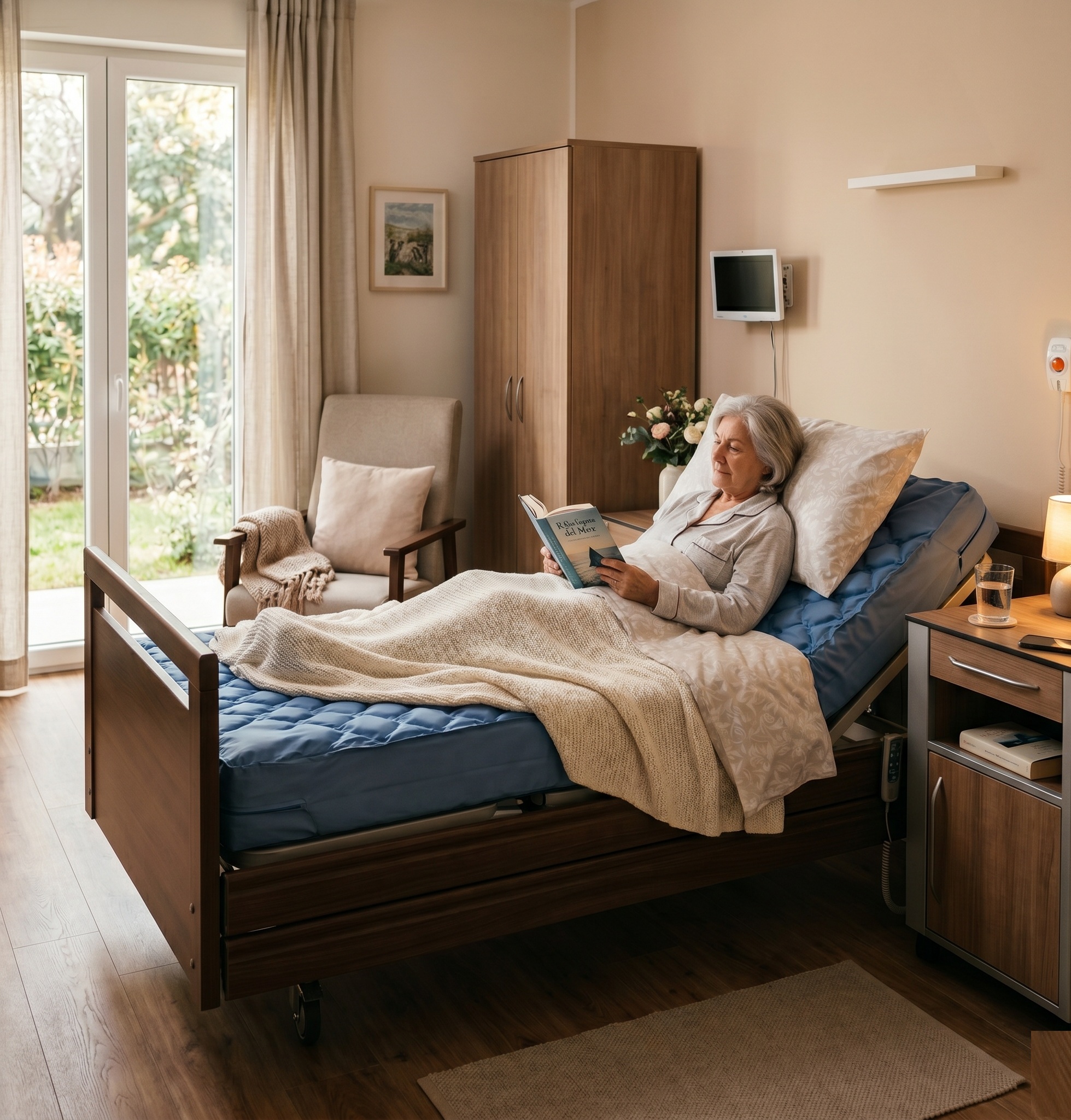
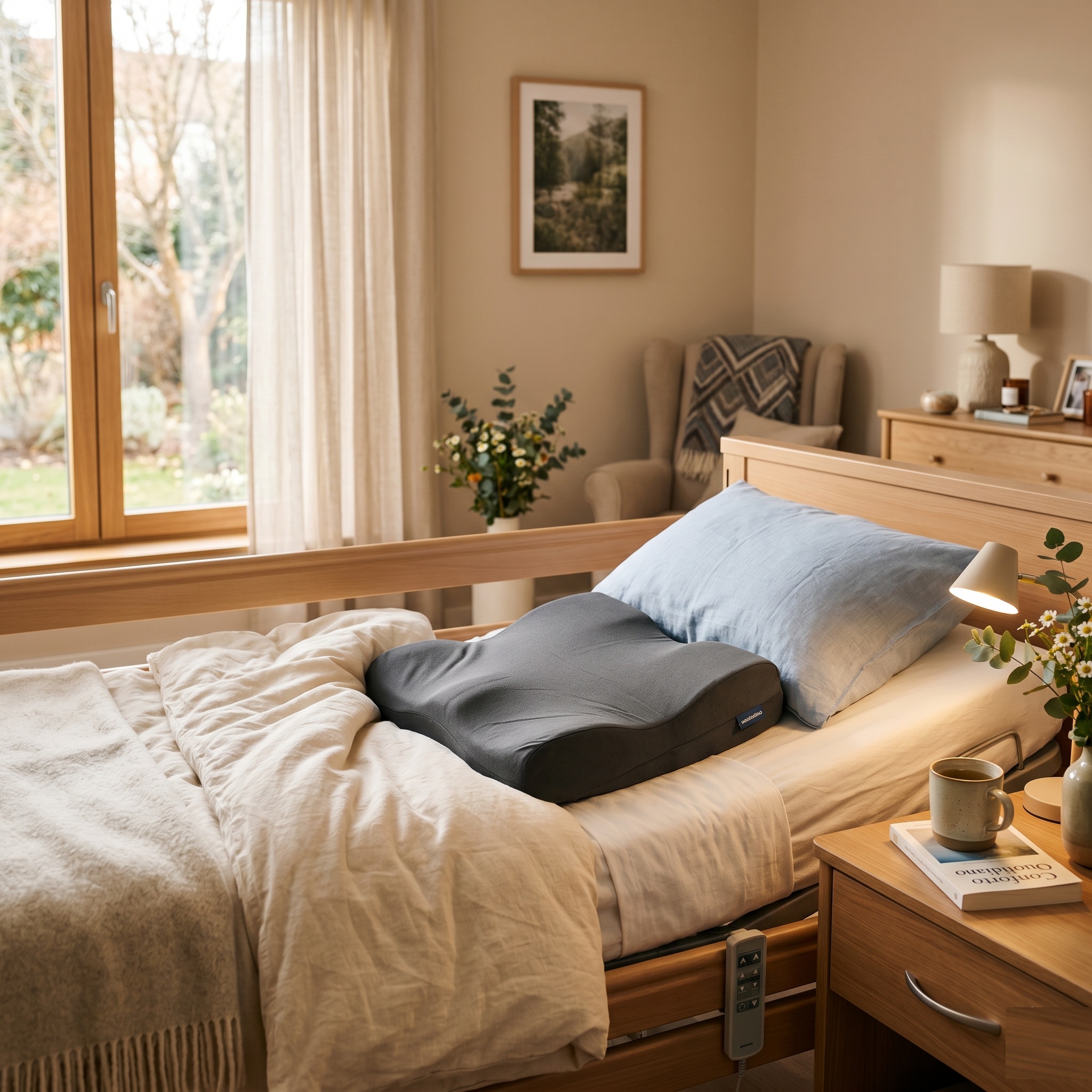
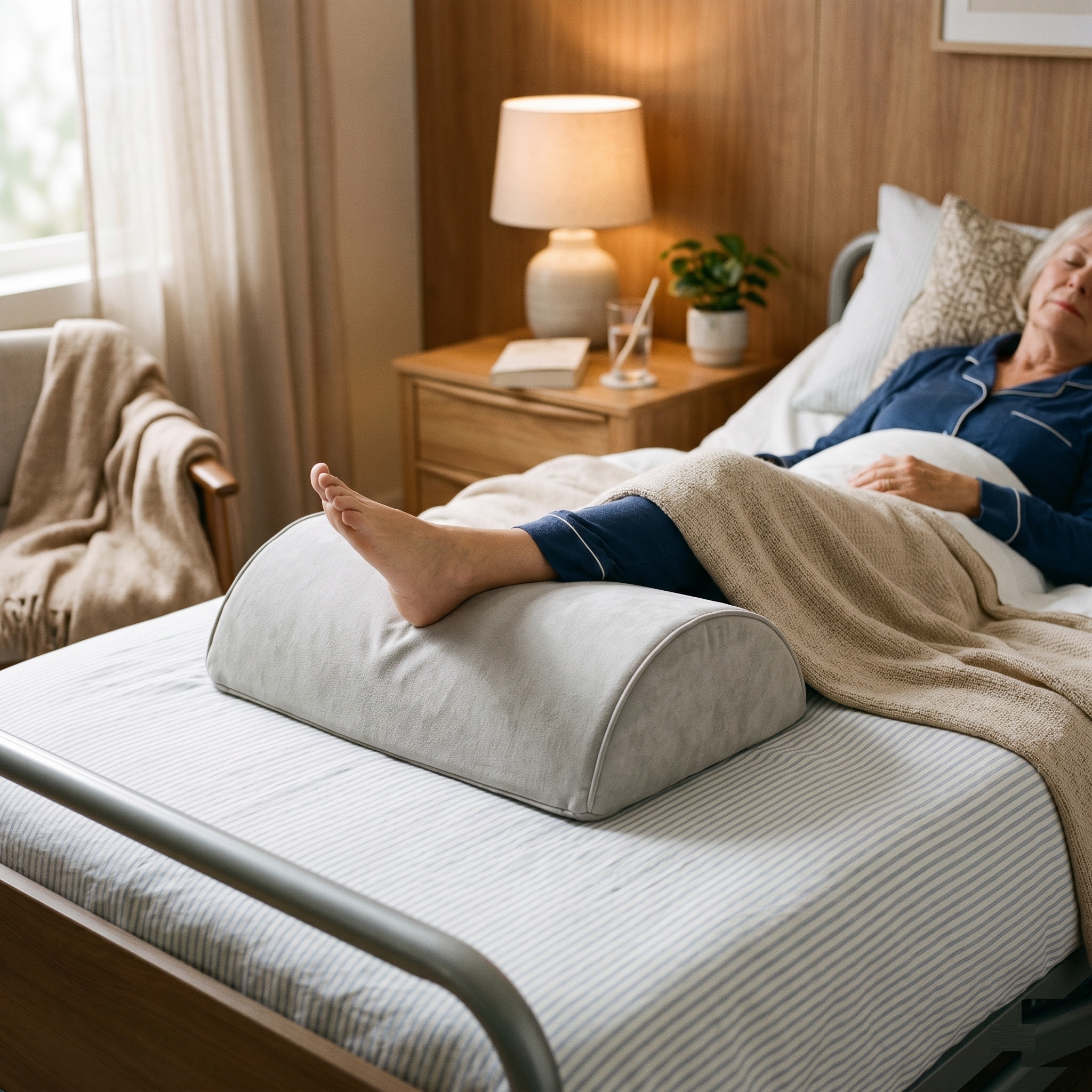
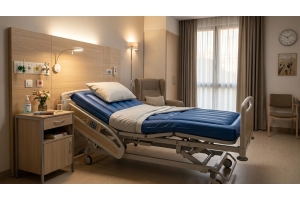
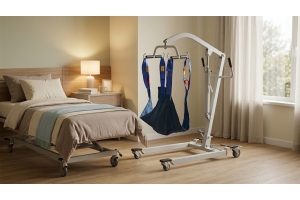
The innovations in anti-decubitus mattresses They are changing the way healthcare facilities, nursing homes, and home care manage frail patients. Pressure relief devices are no longer considered merely passive support for rest, but rather therapeutic surfaces designed to reduce pressure, friction, shear, and changes in the skin's microclimate. This shift is important because pressure ulcers are correlated with the quality of care and the patient's general condition, especially in bedridden patients or those with limited mobility.
The sector is evolving thanks to higher-performance materials, dynamic air systems, hybrid surfaces, and solutions designed to improve comfort during prolonged periods of immobility. For those managing healthcare procurement, nursing homes, or home care, choosing the right device requires a technical, not just economic, assessment.Holity, leader in professional supplies for healthcare, nursing homes, institutions and communities, operates precisely in this field with a catalogue aimed at organisations that purchase healthcare equipment and products for professional assistance.
Why anti-decubitus devices are evolving
Prevention of pressure ulcers requires an integrated approach. mattress A mattress overlay does not replace clinical assessment, repositioning, hygiene, nutrition, or skin monitoring, but it is a fundamental component of the care plan. International guidelines recommend the use of pressure-redistributing surfaces for at-risk individuals, indicating full-body reactive foam surfaces as the first choice in many clinical settings.
THE'technological evolution It stems from the need to respond to more complex patients, variable lengths of stay, and vastly different care settings. A patient in a nursing home, a bedridden elderly person at home, or a person hospitalized in a ward may have different risk levels. For this reason, the market offers devices with specific functions: advanced static surfaces, alternating pressure systems, hybrid mattresses, viscoelastic materials, and solutions designed to promote postural stability and comfort.
 New materials to better redistribute pressure
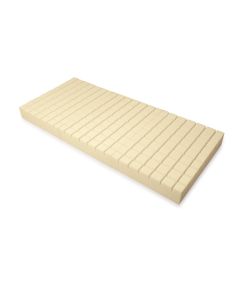
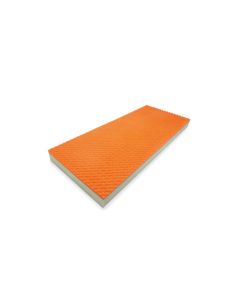
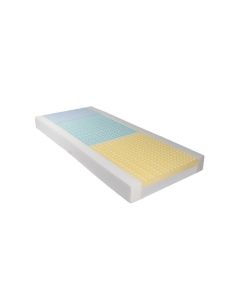
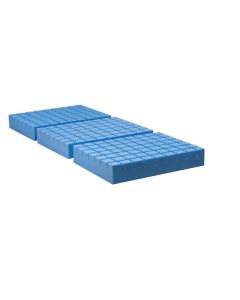
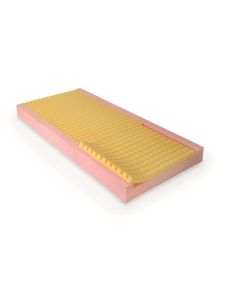
One of the most relevant areas concerns the materials. The high resilience foams, the viscoelastic foams, i shaped polyurethanes and the multilayer structures They allow body weight to be distributed over a larger surface area. The goal is to reduce pressure peaks in the most vulnerable areas, such as the sacrum, heels, hips, and shoulder blades. Modern surfaces also try to limit the effect of excessive sinking, which can make it more difficult for the patient to mobilize.
The anti-decubitus surfaces The most advanced mattresses don't just focus on softness. They must offer support, stability, body adaptation, and compatibility with assistive devices. This is why the quality of the material is crucial: a mattress that's too soft may be comfortable in the short term, but it doesn't always guarantee adequate support. therapeutic surfaces more modern ones aim for a balance between immersion, enveloping, lateral support and ease of management by operators.
Static, dynamic and hybrid surfaces in risk management
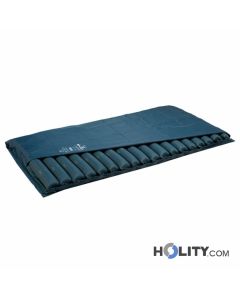
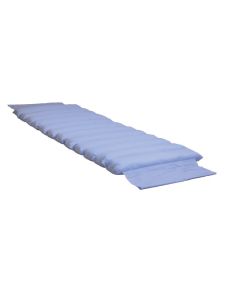
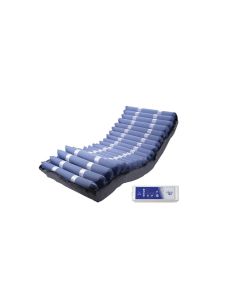
THE anti-decubitus mattresses Static surfaces are designed to redistribute pressure without motorized components. They may be suitable for low- or medium-risk patients, depending on clinical assessment and the care setting. Dynamic surfaces, on the other hand, use air cells and alternating pressure systems to vary load points over time. This principle allows for the reduction of continuous pressure on specific body areas, especially in patients with very limited mobility.
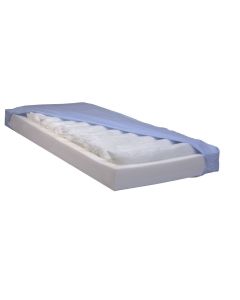
In recent years there has also been a growing interest in hybrid surfaces, which combine foam and air to provide stable support and dynamic pressure management. Technical literature describes support surfaces as specialized devices for redistributing tissue loads, managing microclimate, and offering additional therapeutic functions. This approach is particularly attractive for nursing homes and healthcare facilities because it allows the device to be adapted to patients with different needs without sacrificing stability and comfort.
Microclimate, comfort and continuity of care
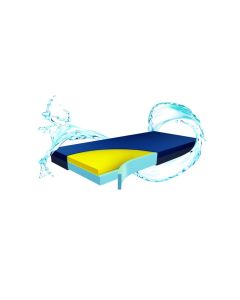
The microclimate It is one of the most important aspects in innovations in anti-decubitus mattressesSkin temperature and humidity influence skin fragility, especially in elderly, bedridden, or incontinent patients. A modern surface must therefore reduce heat retention, promote breathability, and limit conditions that can increase maceration or irritation. Low air loss technologies and technical coatings were created precisely to improve the management of the environment between skin and surface.
Comfort remains a clinical and organizational criterion. A more stable and better positioned patient can more easily tolerate care maneuvers, rest, and prolonged bed rest. Caregivers also benefit from properly designed surfaces, as mobilization is more orderly and predictable. Therefore, the choice should not be limited to the type of mattress, but also include coverings, ease of sanitization, weight, compatibility with medical beds, and maintenance.
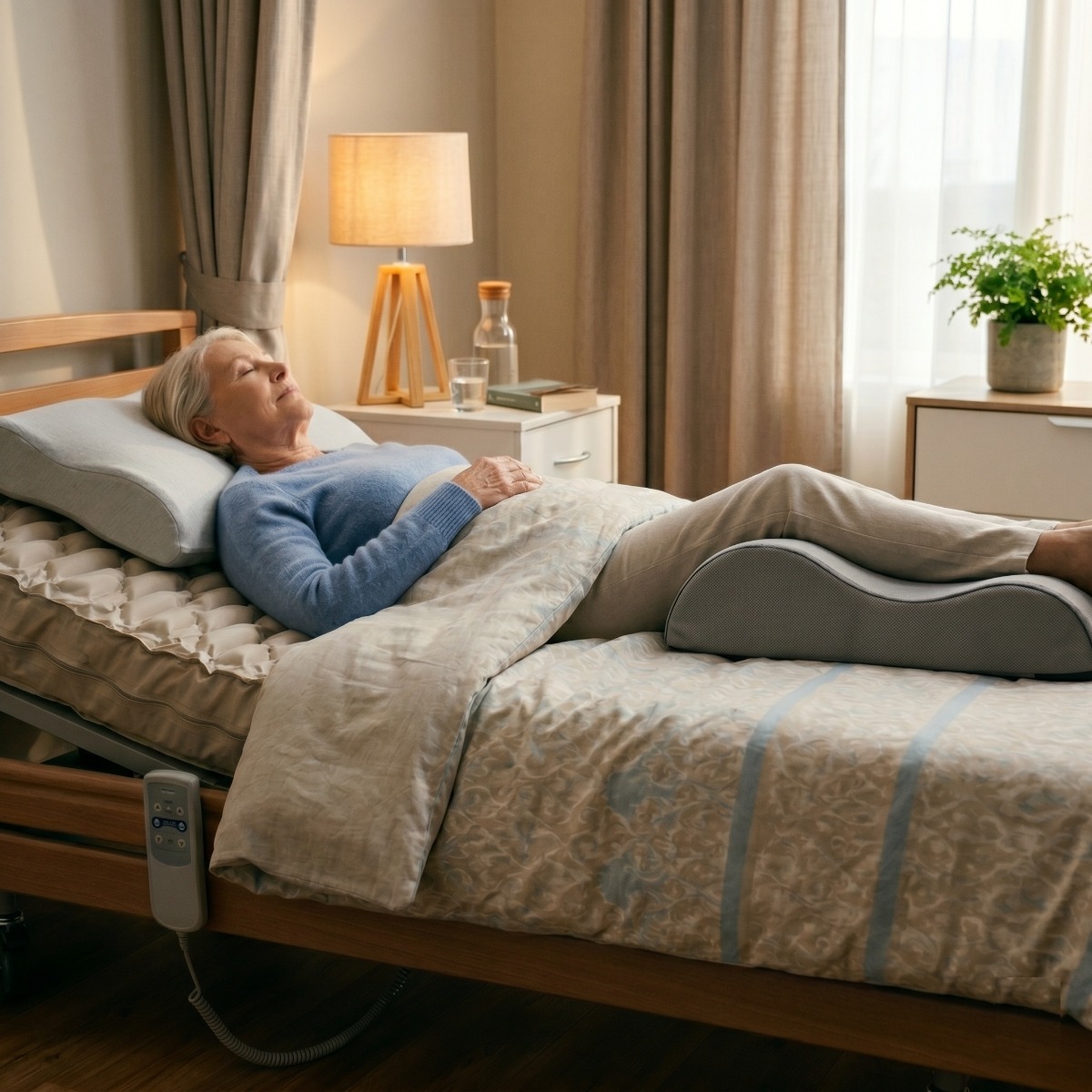 Anti-decubitus innovation in homes, nursing homes, and healthcare facilities
Home care requires devices that are easy to install, manage, and maintain. In this context, anti-decubitus solutions must be effective but also understandable for caregivers and family members. An air mattress with a compressor, for example, must be chosen considering noise levels, ease of adjustment, size, patient weight, and continuity of use. Technology should reduce complexity, not increase it.
In nursing homes and healthcare facilities, however, the service must be part of a broader organization. This includes compatibility with adjustable beds, cleaning procedures, staff shifts, prevention protocols, and rotation of aids. Holity, specialist in professional equipment for the medical-health and care sectors, responds to an audience made up of purchasing managers, healthcare facilities, organizations and communities looking for reliable products, support and a breadth of catalog.
How to choose professional anti-decubitus devices
The choice of a anti-decubitus device It should begin with an assessment of the patient's risk, level of mobility, body weight, expected duration of bed rest, and the presence of incontinence, pain, or existing lesions. International guidelines on the prevention and treatment of pressure ulcers are developed by organizations such as EPUAP, NPIAP, and PPPIA and offer evidence-based recommendations to support clinical decisions.
From a purchasing perspective, price must be considered alongside function. A device intended for intensive use must be durable, easy to clean, have spare parts available, be compatible with the structure, and be adequate for the level of risk. Holity, like Professional eCommerce for healthcare, nursing homes and assistance, It allows you to navigate products and supplies designed for real-world healthcare settings, where reliability and operational continuity are part of the purchase value.
A new vision of care for the vulnerable patient
Advanced materials, dynamic surfaces, hybrid systems, and microclimate control help create more suitable care environments for vulnerable patients. Prevention remains a multidisciplinary process, but proper care can improve comfort, stability, and skin protection.
For healthcare facilities, nursing homes, retirement homes and home care, invest in professional anti-decubitus mattresses it means choosing tools that are consistent with the quality of care. Holity, leader in professional healthcare supplies and aids for healthcare facilities, represents a specialized partner for those who need to purchase reliable devices suitable for patients with complex needs. In an ever-evolving sector, the most effective choice is one that combines technology, ease of use, and concrete attention to the patient.
 English
  Italian
 French
 German
 Spanish