English
  Italian
 French
 German
 Spanish
Post Contents [hide]

mon-fri 9-13 / 14.30-18.30
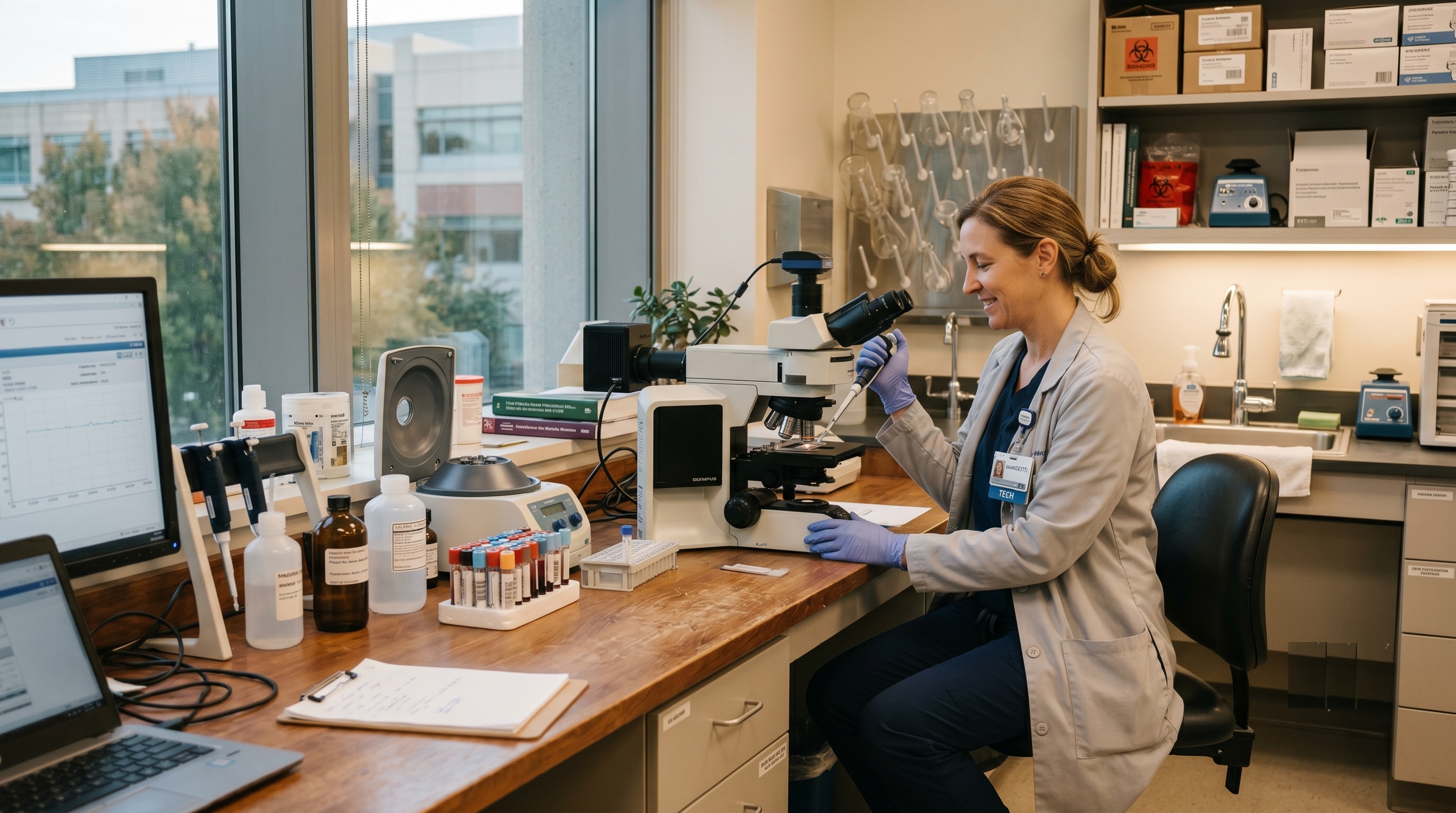
The cost of a laboratory cannot be estimated with a single figure valid for each project. A school laboratory, an analysis laboratory, a chemical laboratory, a research environment, a company technical room or a healthcare space have very different needs. The furnishings, systems, work surfaces, safety devices, instruments and the level of specialization required change. For this reason, the correct question is not only how much it costs to set up a laboratory, but which items make up the budget and which ones really impact the final investment.
Generally, the cost increases as the technical complexity, resistance of the materials, need for sanitization, presence of liquids or reagents, safety requirements and number of workstations increase. For professional structures, institutions, schools, companies and healthcare facilities, the choice must take into account price, durability, compliance and safety. and daily functionality. In this context, Holity, an e-commerce site for professional supplies and technical laboratory furniture, represents a point of reference for those who need to choose between stools, sinks, glassware and operating equipment.
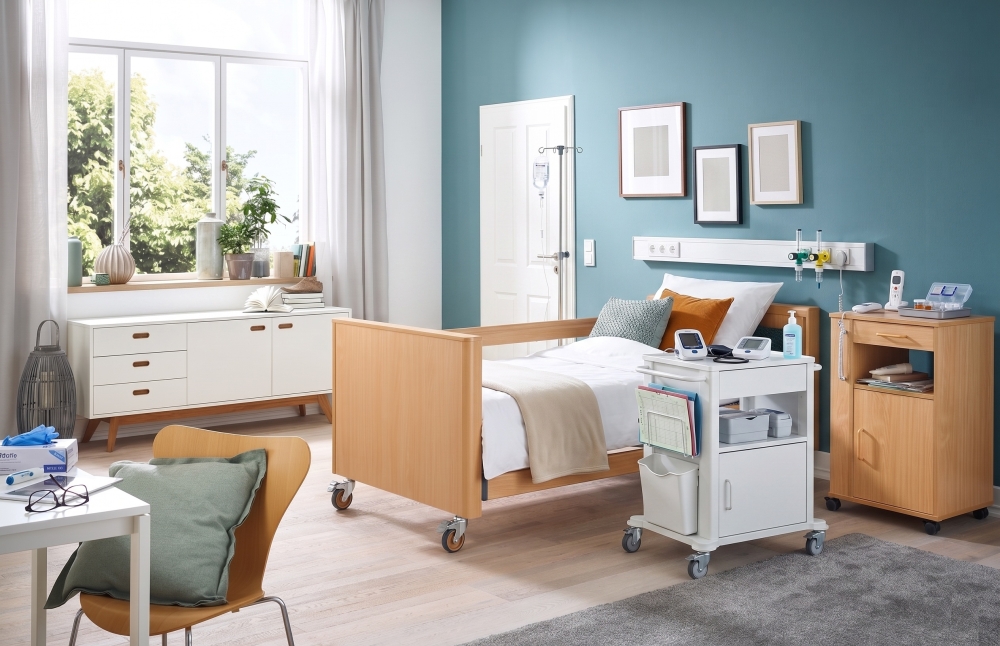
The first factor is the intended use. An educational laboratory requires sturdy furniture, tidy workstations and safe solutions for students and teachers. A chemical laboratory requires resistant materials, hoods, safety cabinets and surfaces suitable for contact with aggressive substances. A medical or healthcare laboratory may require autoclaves, trolleys, beds, sterilization systems and easy-to-clean components. The more technical the context, the more The need for specialized products increases.
The second factor is the scale of the project. Setting up a small technical room with a few benches has a very different economic impact than designing several complete workstations, with sinks, utilities, storage, tools and collective protection devices. Transport, assembly, any system adjustments and maintenance must also be considered. The real budget is therefore born from the sum of several levels: technical furniture, equipment, safety, installation and management over time.
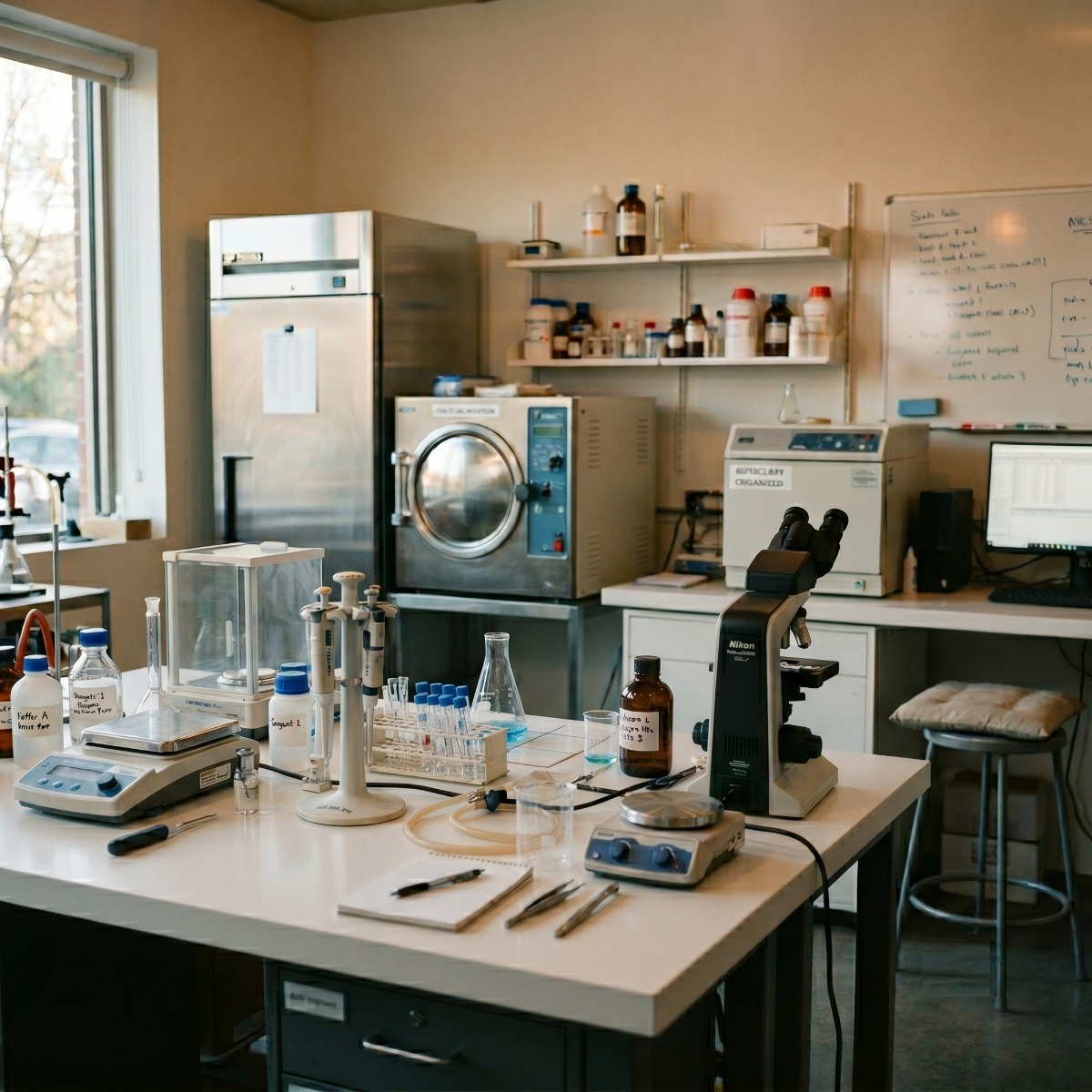 Technical furniture: the basis of the budget
The technical furniture represents one of the first items to evaluate. Modular laboratory benches on the market can start from a few hundred euros per unit, with variations related to the top material, dimensions, presence of back walls, backsplashes, sinks or special configurations. Some modular laminate benches start at around 595 euros excluding VAT, while stoneware or tempered glass models can be placed in higher ranges.
The price difference is not just about aesthetics. A stoneware, laminate, technical laminate or enamelled glass top meets different needs in terms of resistance, cleanliness and durability. Cabinets, wall units, stools, sinks and storage systems also impact the total. Holity highlights how the selection of technical laboratory furniture affects the quality of daily work, especially when resistance to liquids, ease of sanitization, stability and adaptability to available spaces are required.
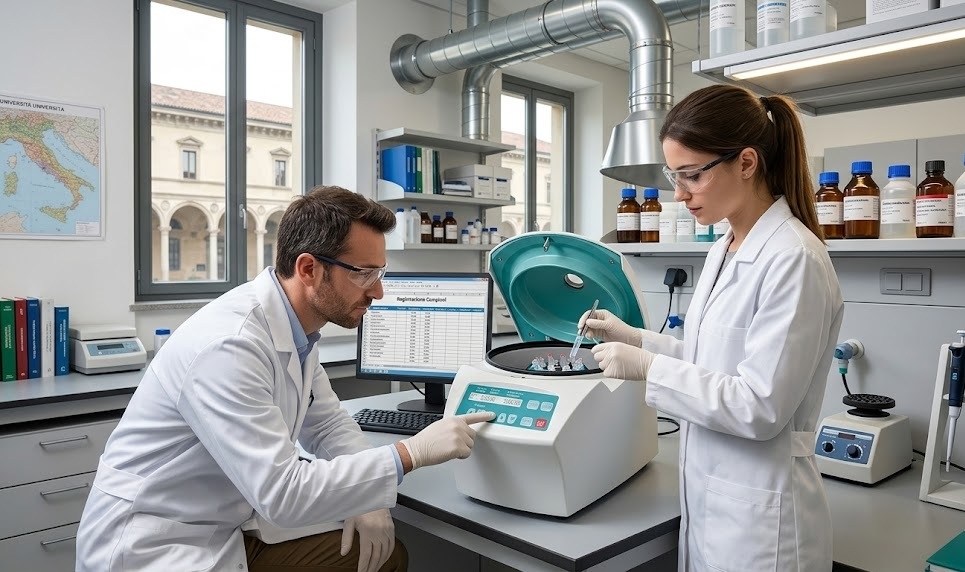
The equipment can significantly change the final cost. A chemical fume hood, a laminar flow hood, a reagent cabinet, a technical scale, a microscope, a stirrer, a sterilization system, or an autoclave have very different prices based on performance, capacity, certifications, and intended use. For this reason, when preparing a quote, it is useful to distinguish between essential tools, specialized tools, and equipment to be integrated at a later stage.
A concrete example concerns professional autoclaves. A laboratory autoclave with a capacity of 47 liters can cost more than €4,800 excluding VAT, as is the case for a professional model with two baskets and a sliding door. :contentReference. Reagent cabinets can also impact the budget: some technical cabinets start at around €1,350 and go up based on size, compartments, and construction features. These figures show why Laboratory costs should always be calculated based on the actual configuration, not on a generic estimate.
Many initial estimates underestimate safety. Hoods, certified cabinets, resistant surfaces, extraction systems, waste containers, protective devices, signage, technical sinks, and periodic maintenance are not accessory elements. In a professional laboratory, they are part of the functionality of the environment. Neglecting them can generate higher subsequent costs, especially when the setup must be adapted after the start of operations.
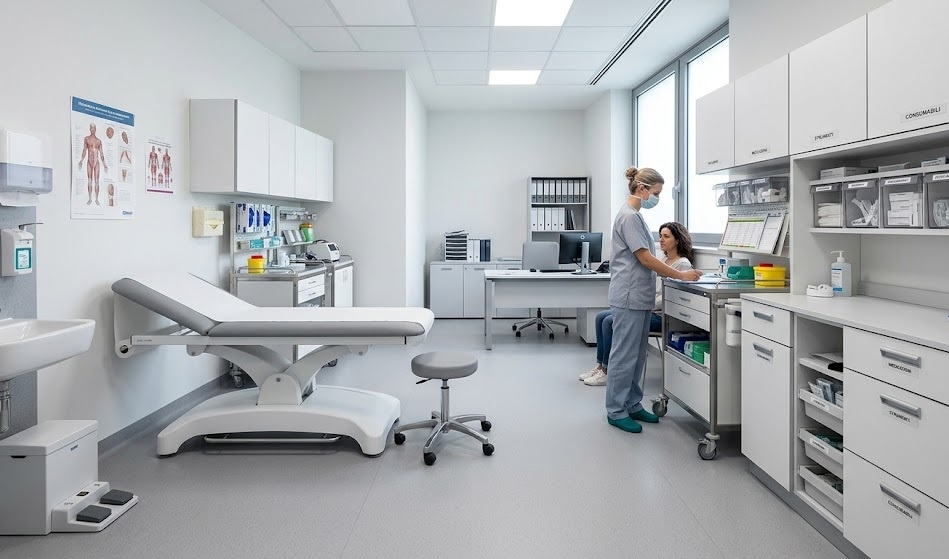
Compliance also depends on the sector. A chemical laboratory must consider reagents, vapors, storage, and ventilation. A healthcare laboratory must focus on hygiene, sterilization, washable materials, and operating procedures. An educational laboratory must balance safety, robustness, and simplicity. of use. For companies, organizations, and professional structures, investing in suitable products reduces the risk of premature replacements and improves work continuity.
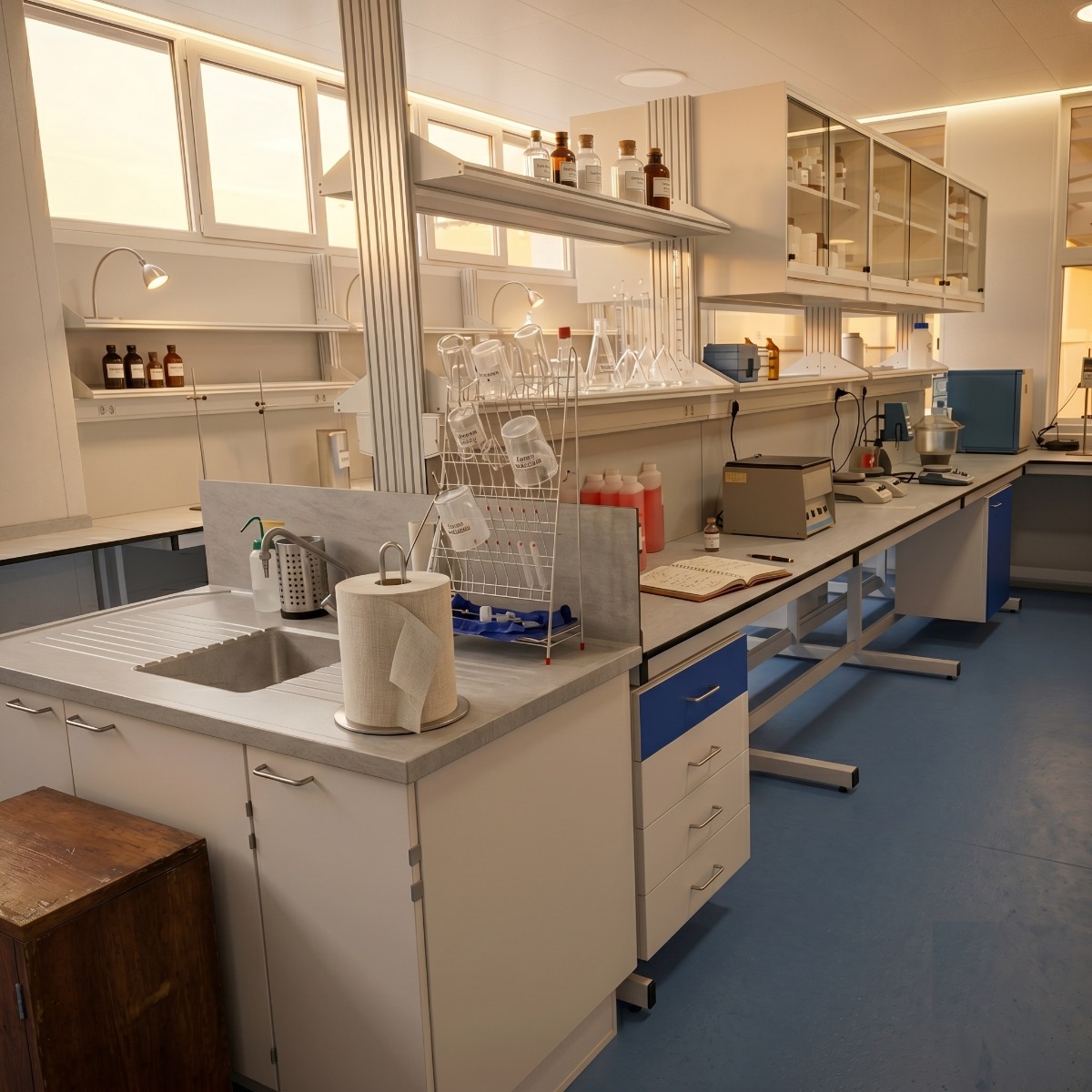 How to plan your budget without waste
Effective planning starts with a map of the planned activities. Before purchasing, it is useful to define the number of operators, workflows, required surfaces, water or electricity needs, storage, essential tools, and products subject to consumption or replacement. This approach allows you to avoid redundant purchases and concentrate the budget on the components that truly impact operations.
A practical criterion is to separate the budget into three areas. The first concerns the structural elements: benches, seats, sinks, cabinets, and shelving. The second concerns the technical equipment, which depends on the type of laboratory. The third concerns safety, maintenance, and accessories. An orderly choice allows you to better compare quotes and evaluate the relationship between initial cost and durability over time, not just the lowest price.
For a professional laboratory, the supplier is not a detail. A extensive catalogue allows you to compare different solutions, coordinate purchases and reduce fragmentation between multiple interlocutors. This aspect is particularly relevant for schools, companies, institutions, professional studios and healthcare facilities, which often need to purchase different but compatible products. Holity operates as a professional eCommerce with over 30,000 products and a structure oriented towards technical supplies, professional furnishings, quotations and direct support.
From an investment perspective, true savings do not always coincide with the lowest price. A more resistant bench, a more suitable storage cabinet, an ergonomic seat or a correctly sized sterilization system can reduce inefficiencies and replacements. For this reason, Holity, , a leader in professional equipment for laboratories, institutions and organized structures, can support those who need to build a realistic budget and purchase products consistent with the required operational level.
The Laboratory costs should therefore be viewed as a progressive investment. A basic configuration can start from a few thousand euros, while a complete technical laboratory can require much higher amounts based on hoods, instruments, special furnishings and safety requirements. The most effective choice is to start from the real functions of the space, define the priorities and request a quote built on operational needs, avoiding overly generic estimates or solutions unsuitable for the context.

Nullam nec tortor semper, mattis tortor ut, dictum augue. Etiam vitae tellus turpis. Aenean dictum metus non turpis luctus, ut egestas mi facilitasis.