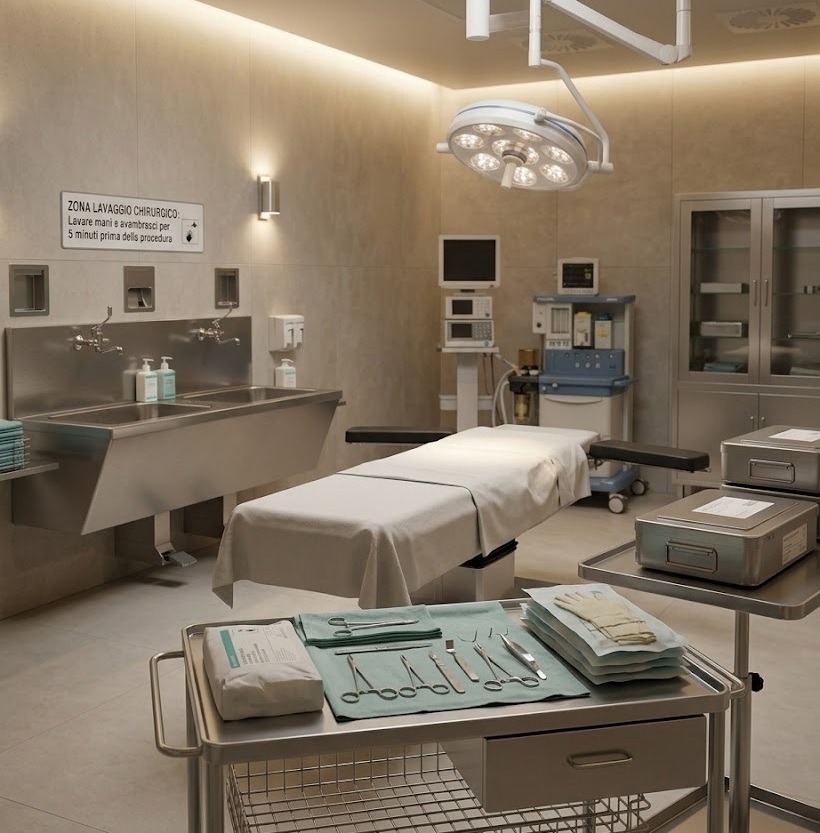
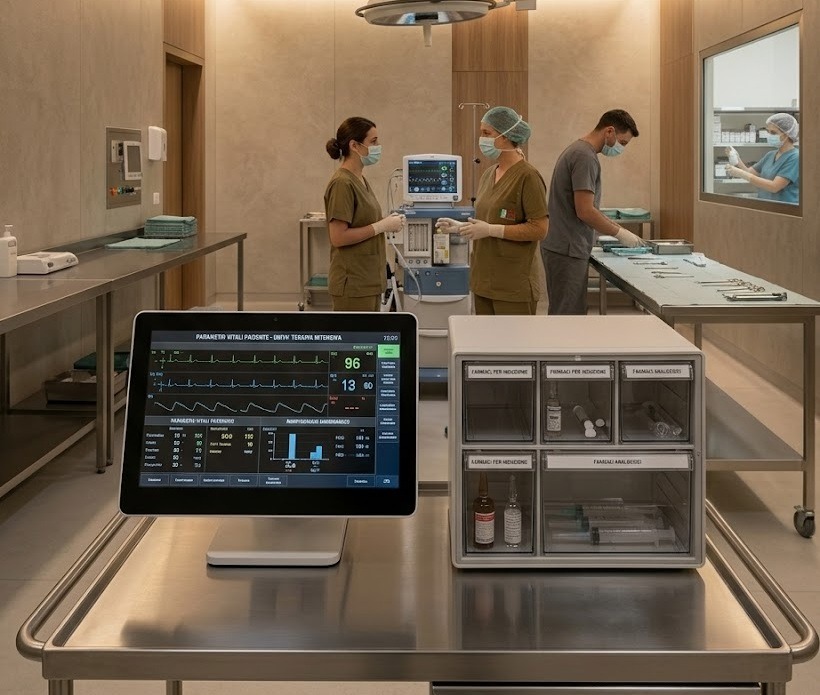
THE'setting up of the operating room It represents one of the most delicate aspects of hospital design. Every element, from surgical lighting to operating tables, technical furnishings, and modular systems, must contribute to ensuring safety, functionality, and maximum efficiency during surgical procedures.
Designing a modern operating room requires an integrated approach that takes into account workflows, ergonomics, the needs of healthcare personnel, and safety and hygiene regulations. A well-designed environment optimizes operating times and improves the quality of patient care.
On Holity.co.uk A wide range of professional equipment and furnishings for the hospital sector is available, designed to meet the needs of modern healthcare facilities, clinics, and operating rooms.
Operating room design: an integrated approach
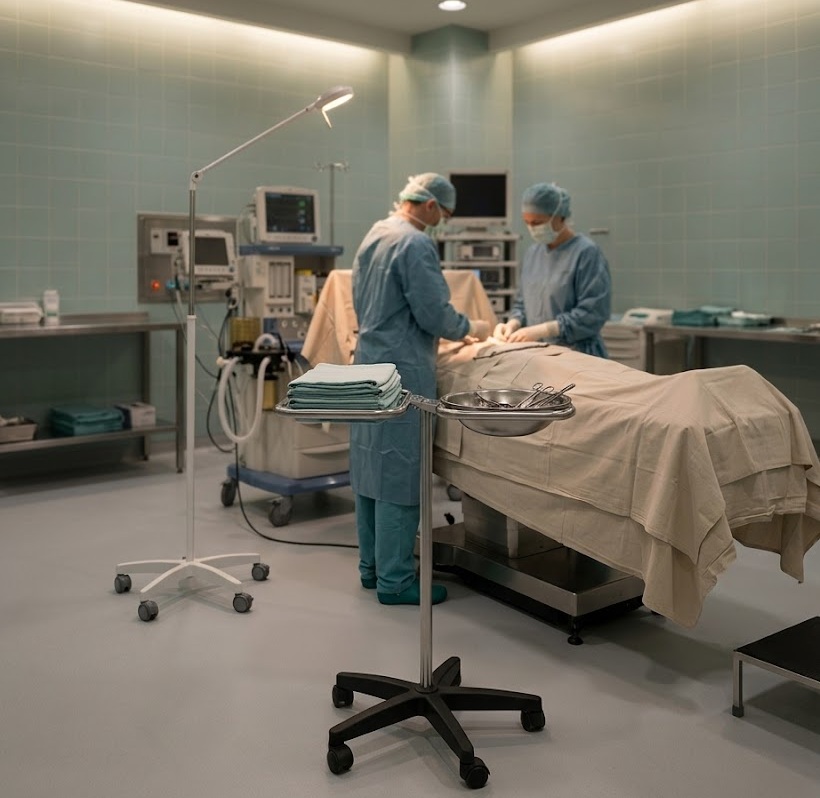
Designing an operating room involves more than just the layout of the equipment; it also encompasses structural, technological, and organizational aspects. Each space must be carefully considered to ensure maximum sterility, operator safety, and proper workflow management.
Modern operating rooms are designed according to criteria that include a functional division of space, dedicated routes for sterile and non-sterile materials, and the presence of integrated systems capable of facilitating the activities of medical staff.
 Surgical lighting: precision and visibility during operations
The surgical lighting It represents one of the most important elements in the operating room. Modern surgical lights are designed to ensure a perfectly illuminated operating field, reducing shadows and glare that could compromise the precision of procedures.
Lighting systems must ensure:
- uniformity of light;
- high color rendering;
- light intensity regulation;
- reduction of shadows on the operating field;
- limited heat emission.
The LED technologies currently used allow for high performance with reduced consumption and a longer lifespan.
Operating tables: the heart of the surgical room
The operating tables They are one of the central elements of the operating room setup. Their function is to ensure the correct positioning of the patient during surgical procedures, while also ensuring comfort, stability, and maximum accessibility for the medical team.
Modern operating rooms use electric or electro-hydraulic operating tables, characterised by:
- height adjustment;
- Trendelenburg and anti-Trendelenburg movements;
- modularity of the sections;
- compatibility with different surgical specialties;
- dedicated accessories for patient positioning.
The choice of operating table depends on the type of surgery performed and the level of specialization of the healthcare facility.
Wall units and technical furniture for the operating room
The surgical cabinets Technical furnishings and equipment play a fundamental role in organizing the operating room. These systems optimize space, improve ergonomics, and ensure a rational arrangement of medical equipment.
The wall units can integrate:
- electrical and medical outlets;
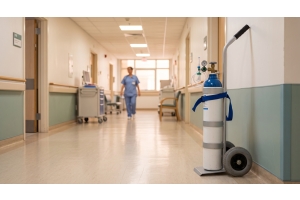
- medical gas systems;
- shelves and monitor stands;
- articulated arms;
- housings for electromedical equipment.
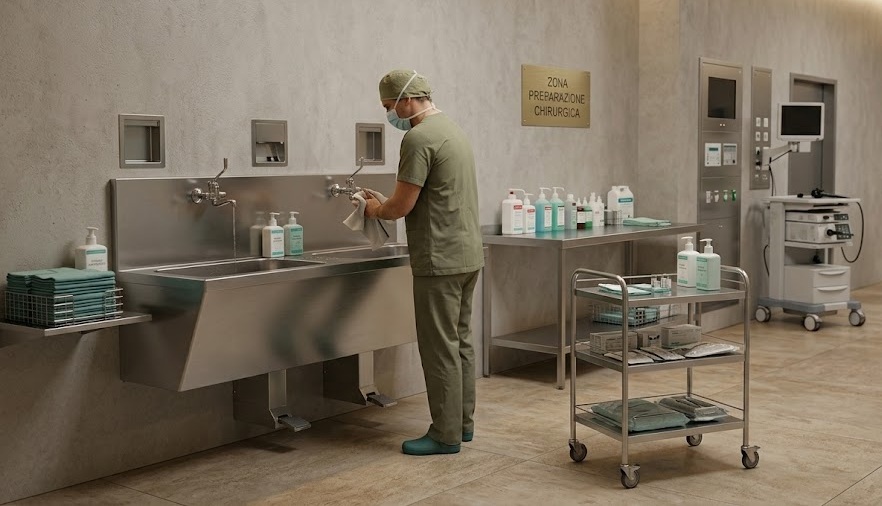
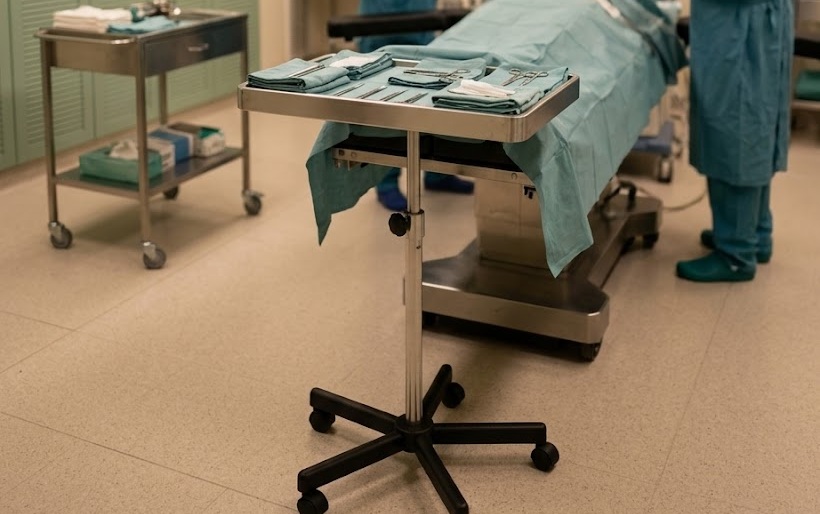
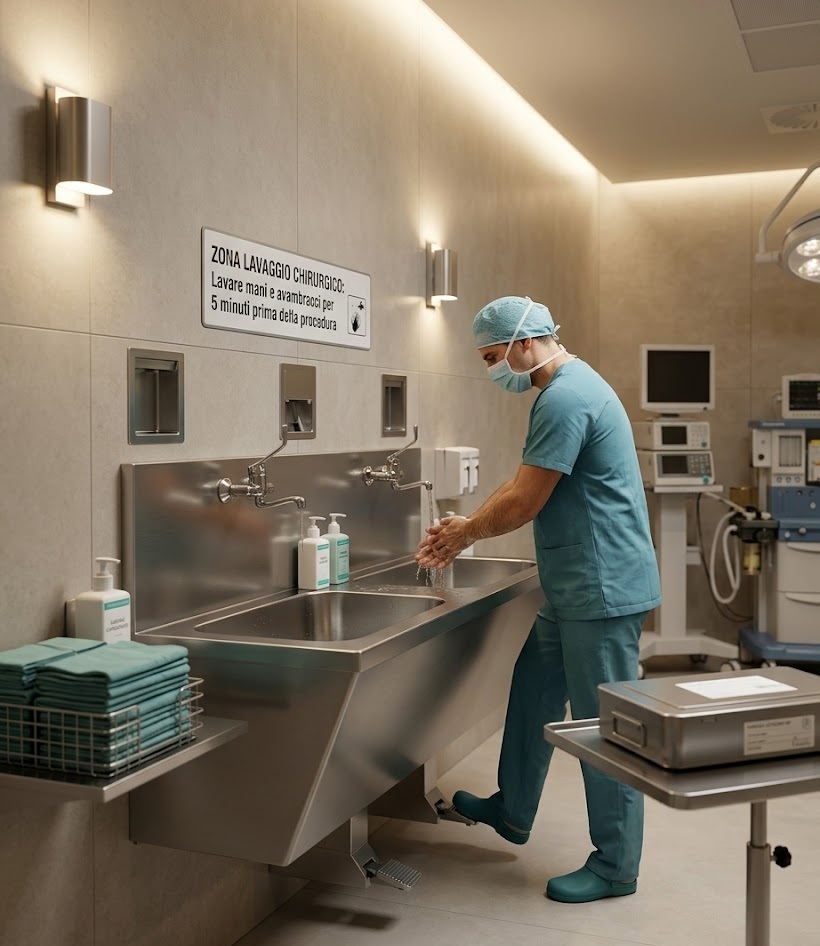
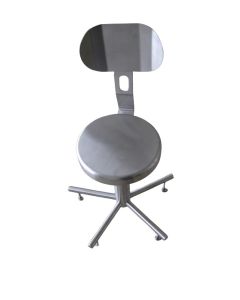
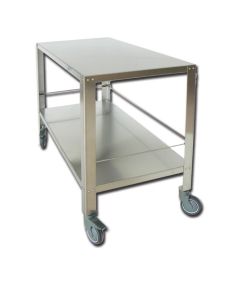
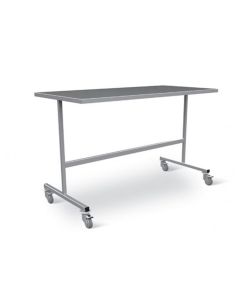
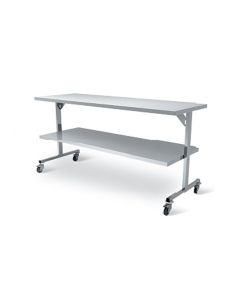
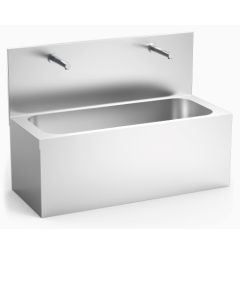
Stainless steel technical furnishings, such as cupboards, trolleys and serving tables, also contribute to maintaining high hygiene standards and improving work organisation.
Modular design of modern operating rooms
Modern hospital facilities increasingly prefer a modular design of operating rooms. This approach allows for the creation of flexible environments that can easily adapt to technological developments and diverse clinical needs.
Modular operating rooms allow you to:
- optimize the distribution of spaces;
- facilitate system maintenance;
- integrate new technologies over time;
- reduce intervention times during any changes;
- ensure high standards of hygiene and safety.
Modularity is now one of the main criteria adopted in the construction of new-generation operating theatres.
 English
  Italian
 French
 German
 Spanish