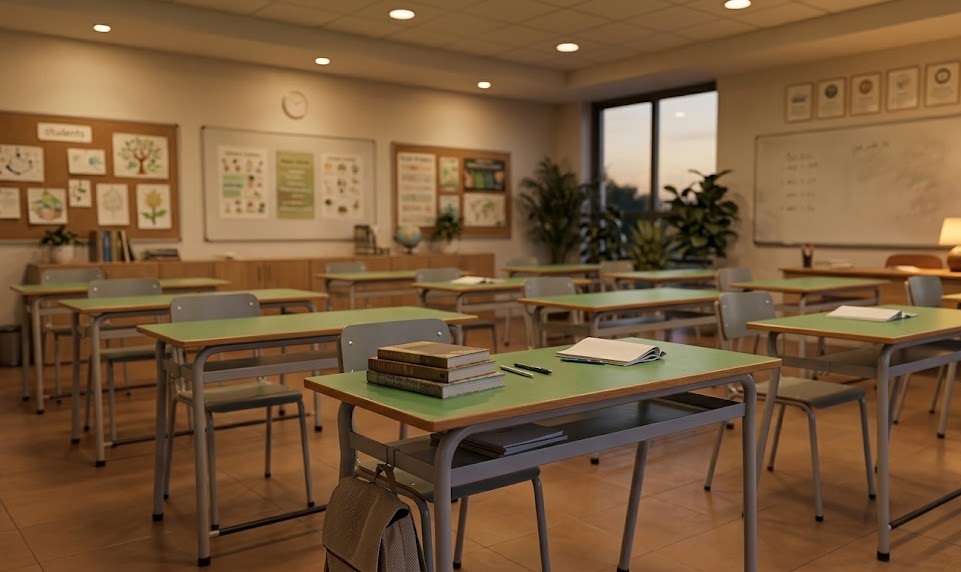
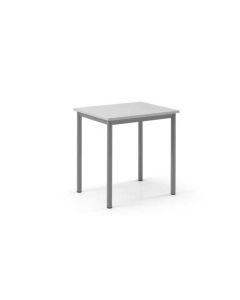
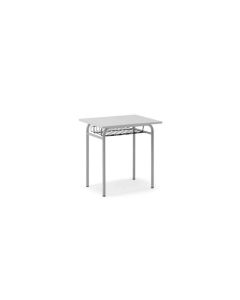
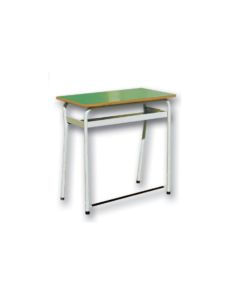
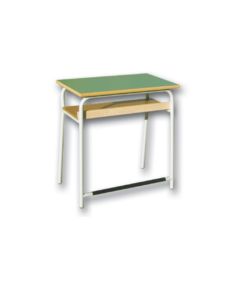
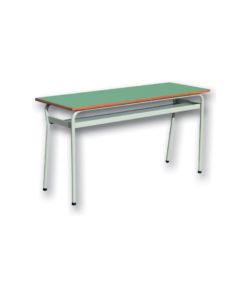
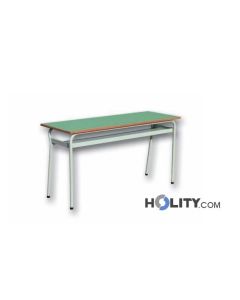
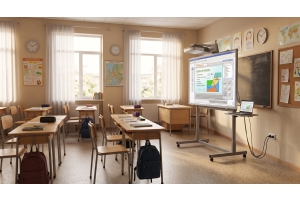
The purchase of school desks for schools, training institutions, and educational facilities requires careful consideration that goes far beyond a simple price comparison. When furnishing entire classrooms or multiple school environments, it is essential to consider aspects related to ergonomics, stability, durability of materials, and spatial organization. An inappropriate choice can negatively impact both student comfort and the daily management of teaching environments.
School desks are used intensively every day and must therefore guarantee durability, ease of maintenance, and functionality. Furthermore, the configuration of the modern classroom requires furnishings capable of adapting to different teaching methodologies, while always maintaining high standards of safety and practicality. For this reason, correctly evaluating the characteristics of the desks represents an important investment in the quality of educational spaces.
Why the choice of school desks affects the quality of the teaching environment
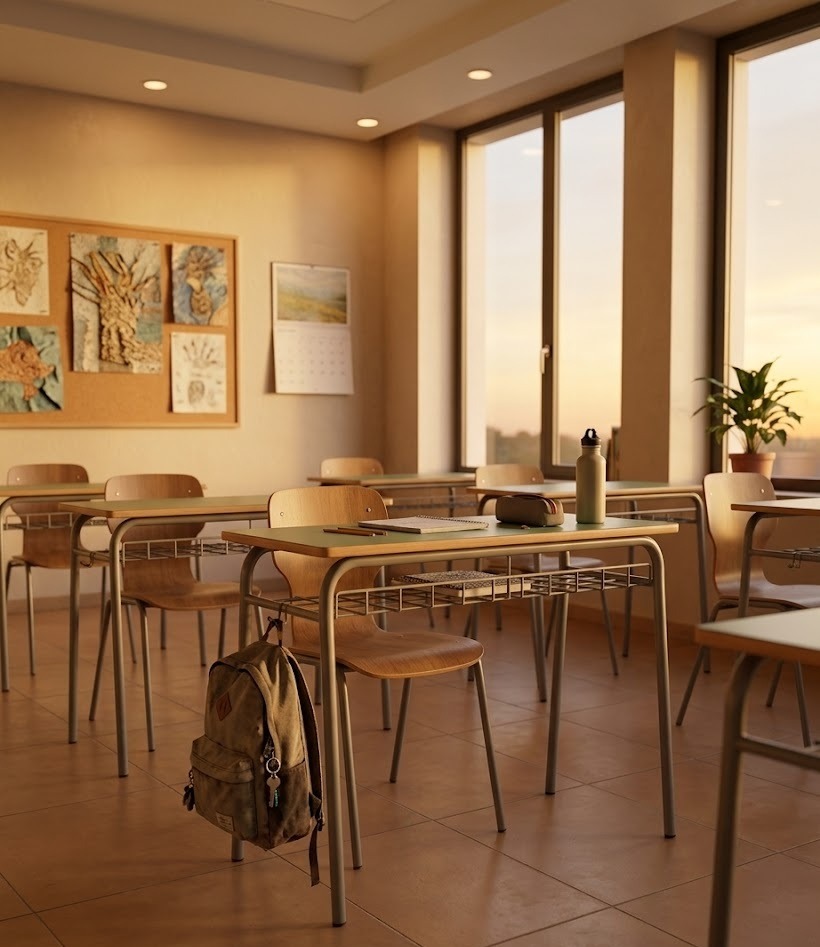 School furniture contributes directly to the well-being of students and the efficiency of teaching activities. A stable, ergonomic and well-proportioned desk promotes correct posture and improves concentration during lessons.
The arrangement of the desks also influences the management of the classroom, the movements of students and the flexibility of the spaces. Tidy and functional environments facilitate the work of teachers and make it easier to adapt the class to different educational activities.
Materials and resistance: fundamental elements in the choice
Robust structure for intensive use
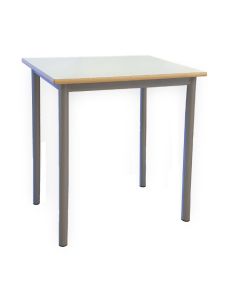
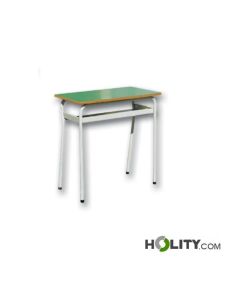
The school desks must be designed to withstand intensive daily use. Solid metal structures, reinforced joints, and scratch-resistant surfaces help maintain stability and safety even after years of use.
Robustness takes on an even more important role in quantity purchases, where the durability of the furniture directly affects replacement and maintenance costs in the long term. Quality materials help reduce wear, deformation, and structural problems.
Easy-to-clean worktops
Desk surfaces must be easy to clean and resistant to detergents, impacts, and scratches. In school environments, hygiene is a fundamental aspect, especially in facilities frequented daily by numerous students.
High-resistance laminates are among the most popular solutions thanks to their ability to maintain good aesthetic conditions even under intensive use.
Ergonomics and comfort for students of different ages
Ergonomics is one of the most important aspects when choosing school furniture. Desk height, legroom, and correct proportions allow students to maintain a more natural posture during learning activities.
Modern schools tend to choose solutions designed for different age groups, avoiding standard configurations that are not suited to the real needs of students. An ergonomic desk improves comfort and concentration, helping to create a more favorable environment for learning.
Classroom configuration and organization of spaces
Single or modular desks
The choice between single, double, or modular desks depends on the type of teaching activity and the classroom configuration. Schools that are more oriented toward collaborative methodologies often prefer modular solutions that allow the layout of the spaces to be quickly modified.
Modular models encourage group activities, workshops, and dynamic lessons, while maintaining order and functionality. In more traditional environments, however, single desks are often chosen to facilitate organization and distancing.
Optimization of available space
The arrangement of the school desks must ensure easy passage, correct visibility of the blackboard, and freedom of movement for students and teachers. An unbalanced configuration can make the classroom messy and not very functional.
Before purchasing in quantity, it is therefore important to carefully evaluate the size, number of students, and how the school environment will be used. Correct planning allows you to optimize space without compromising comfort and safety.
Safety and stability of school desks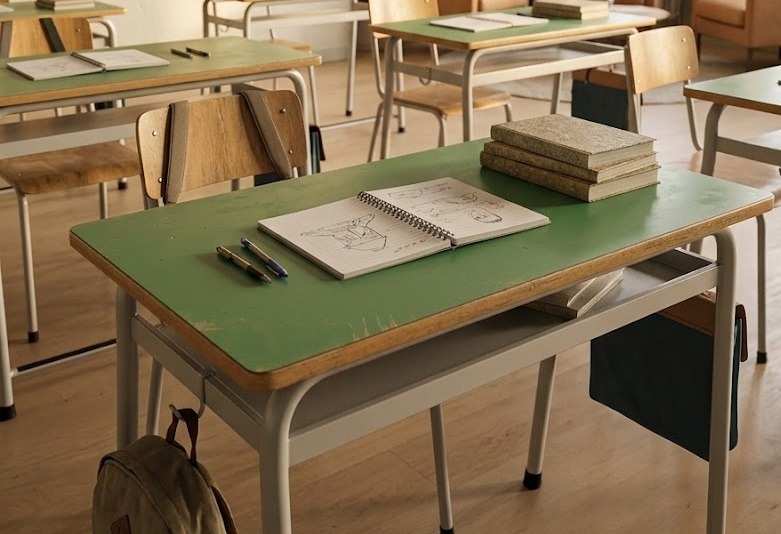
Safety is a fundamental requirement in school furniture. Desks must guarantee stability even during intensive use and avoid potentially dangerous edges or components.
Anti-tip structures, rounded edges and certified materials help create safer environments suitable for daily use by students. Schools and public bodies are increasingly favoring professional supplies designed specifically for the education sector.
Durability over time and reduction of maintenance costs
When purchasing in quantity, the durability of the furniture directly affects the economic sustainability of the investment. Cheap but not very resistant desks can generate high costs related to frequent repairs and replacements.
Choosing professional materials and robust structures allows you to maintain high quality standards over time, reducing extraordinary maintenance interventions and improving the management efficiency of the school.
Why rely on specialized suppliers for school furniture
The choice of school desks should be entrusted to suppliers capable of offering solutions designed specifically for educational environments. In addition to the quality of the materials, it is important to evaluate the availability of different configurations, technical assistance and the possibility of customization.
Specialized companies such as Holity, a point of reference in professional supplies for schools and collective environments, allow you to identify school desks suited to different teaching and organizational needs. Carefully evaluating ergonomics, robustness and configuration of spaces allows you to create more functional, tidy and comfortable classrooms for students and teachers.
 English
  Italian
 French
 German
 Spanish