How to choose parking barriers based on the needs of the area
 The choice of a parking barrier must start from the function that the device will have to perform. Protecting a single parking space from unauthorized occupation requires a different solution than the delimitation of an area intended for multiple vehicles. In the first case, it is important to be able to open and close the barrier easily, while in the second it may be necessary to provide a stable separation between parking areas and transit routes. Before comparing the construction characteristics, it is therefore useful to identify the problem to be solved and the ways in which the space is actually used.
Another criterion concerns the frequency of access and the number of people authorized to use the parking lot. A barrier moved several times a day must allow easy operations, without requiring complex maneuvers or creating obstacles when it is lowered. In spaces used occasionally, however, the simplicity of closure and the possibility of keeping the area delimited for prolonged periods may take on greater importance. The comparison between Parking barriers should therefore consider together practicality, configuration and characteristics of the installation site.
Fixed, folding and removable barriers: the differences to know
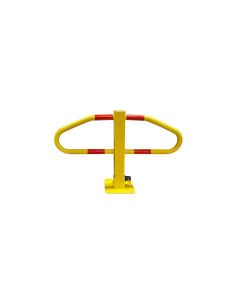
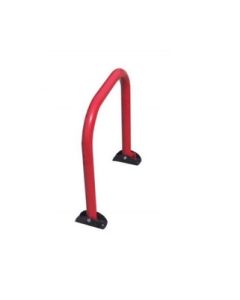
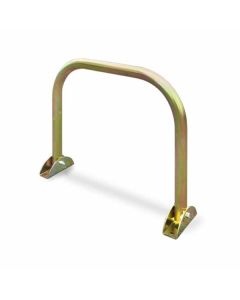
Fixed barriers for parking are used when it is necessary to maintain a permanent delimitation of the space. They can help separate reserved areas, prevent certain maneuvers or make recognizable zones that must not be occupied by vehicles. Since they are not intended to be moved during normal use, they require particularly careful placement with respect to the entry and exit routes. They should therefore be evaluated especially in points where the passage does not need to be cleared frequently and where physical separation responds to a continuous need.
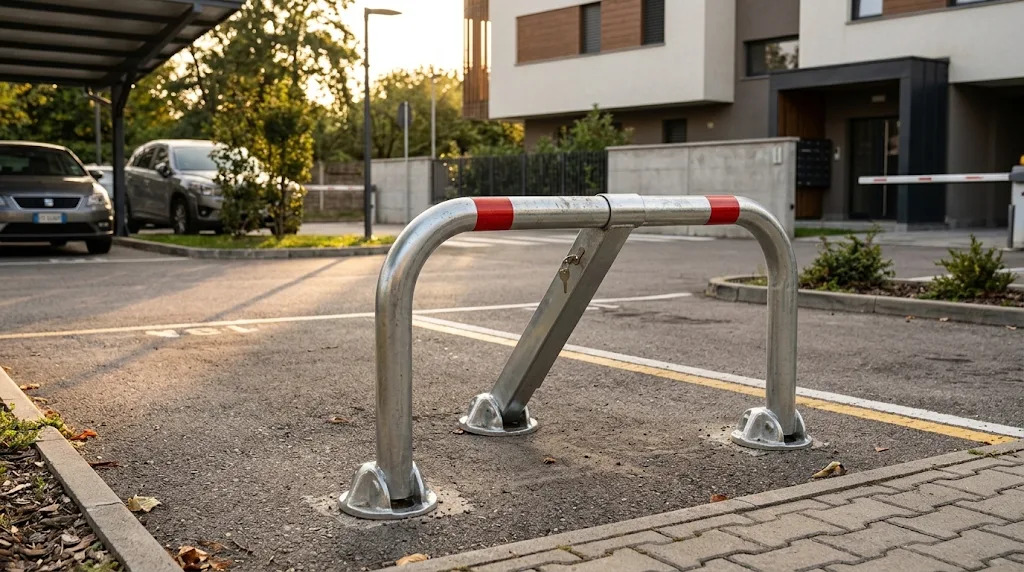
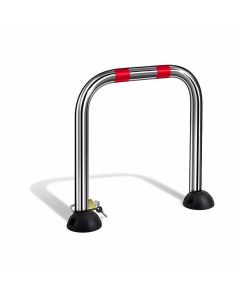
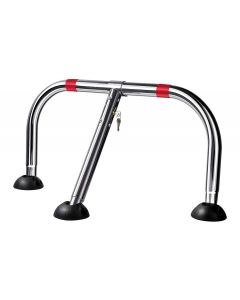
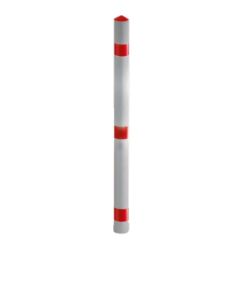
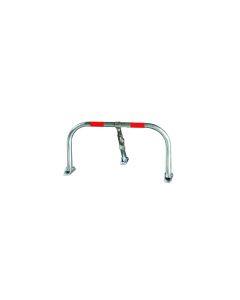
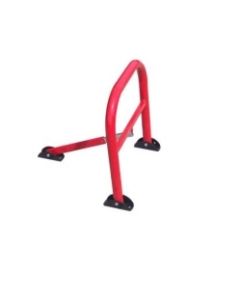
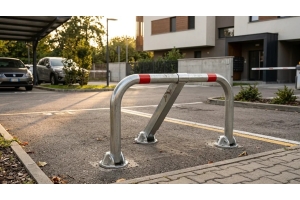
Folding parking barriers instead respond to the need to protect a parking space while maintaining the possibility of accessing it. Once lowered, they allow the vehicle to pass according to the dimensions and methods provided for by the structure. Removable bollards allow for a different management, because they can be extracted from their housing when the passage needs to be cleared. The choice between these configurations depends on the frequency of use, the available space and the practicality of the required operations, without considering one type automatically superior to the others.
Protecting a private parking space with a functional barrier
The protection of a private parking space requires a solution that prevents unauthorised use of the space without complicating the manoeuvres of the owner or authorised users. A barrier placed at the entrance to the space must be easily identifiable by the driver and not interfere with the normal parking trajectory. It is necessary to evaluate the position of the device with respect to the boundaries of the parking space, the length of the vehicle and any surrounding obstacles. In particular, in narrow spaces it is important to check how much space remains when the barrier is lowered or opened.
Parking space-saving barriers can be useful in private courtyards, garages and reserved parking spaces, provided that their installation is permitted and compatible with the intended use of the area. The device should be simple to use even when access occurs frequently or in poor lighting conditions. In situations where several people use the same space, it is also advisable to consider the management of keys or other opening tools. A choice proportionate to daily needs allows you to protect the space without making every entry or exit an impractical operation.
Barriers for condominium parking and shared areas
In condominium contexts, the choice of barriers for condominium parking must take into account the overall organization of the common spaces. The protection of an assigned parking space cannot be assessed without checking the routes used by other residents and the areas required for maneuvering. Even a small barrier can create interference if placed near a narrow passage or an area used for access to other parking spaces. For this reason, the location of the structure must be defined based on the distribution of the parking spaces and the actual conditions of use of the parking lot.
The assessment must also include the title that allows use of the space and any condominium decisions necessary to proceed with installation. The presence of an assigned parking space does not automatically imply the possibility of modifying flooring or common areas without further checks. When planning to supply multiple parking spaces, it may be useful to choose configurations that are consistent in terms of materials, dimensions, and usage systems. This approach facilitates the organization of the parking lot and makes it easier to schedule equipment inspection and maintenance operations.
Parking barrier materials and outdoor resistance
The materials of parking barriers affect the resistance of the structure and the methods of maintenance during use. Steel is frequently used to make devices intended for parking spaces, while surface treatments can contribute to corrosion protection. Galvanizing and painting must be evaluated in relation to the declared characteristics, because the actual duration also depends on the quality of the workmanship and the environmental conditions. When choosing an outdoor barrier, it is important to consider exposure to rain, humidity and possible stresses due to daily use.
Some configurations may use aluminum or components made of different materials, chosen according to the structure and the expected operations. A removable device must also be evaluated for the ease with which it can be moved, while a fixed barrier requires particular attention to stability. of the whole. The characteristics of the materials must not be considered separately from those of hinges, locks, screws and connection points. Holity, specialist in professional supplies for the management of outdoor spaces , offers solutions that allow you to compare materials and configurations through the available technical information.
Dimensions, overall dimensions and visibility of parking barriers
The dimensions of the Parking barriers must be evaluated considering the width of the stall, the space required for maneuvering and the position of the device in relation to the vehicle. It is not sufficient to check the height of the barrier when it is in the closed position, because it is also necessary to know the surface occupied by the base and the fixing components. For foldable structures it is important to check the overall dimensions in the lowered position, while for removable ones it is necessary to evaluate the positioning of the housing on the ground. The choice must keep the space usable without introducing obstacles in the paths intended for vehicles or pedestrians.
Visibility is another important criterion, especially in outdoor car parks and areas used in the evening. Contrasting colours and any reflective elements can help make the presence of the barrier more recognisable, according to the characteristics actually provided for by the structure. It is however necessary to evaluate the position with respect to the existing lighting and the driver's view during approach. A poorly visible device may be difficult to spot during manoeuvring, even when it is sized adequately to protect the space.
Closing systems and ease of daily opening
The locking system of parking barriers directly influences the ease of use, especially when the parking space is occupied several times during the day. Some configurations require padlocking, while others may use integrated locks or different locking mechanisms. The choice must consider the frequency of openings, the ease of use, and the ease of use. of movements and the possibility of managing keys when there is more than one authorized user. Before purchasing, it is also useful to check the location of the locking point and how easily it can be reached.
In company and condominium parking lots, access management requires an organization consistent with the number of people using the barriers. A manual system may respond adequately to the protection of a single space, while access to an area with numerous vehicles may require a solution designed to manage a passageway. It is important to distinguish these functions, because a space-saving barrier does not necessarily perform the same task as an automated barrier for a driveway. The selection should therefore start from the type of access to be protected, avoiding attributing equivalent characteristics to different devices.
Installation of parking barriers and fixing to the ground
The installation of parking barriers must be preceded by checking the surface on which the device will be placed. The anchoring methods may vary depending on the configuration and characteristics of the support, which is why it is not appropriate to consider the same fixing systems as universal. A concrete pavement, an asphalt surface and an area with modular elements may require different assessments. It is also necessary to check the presence of any underground services and follow the technical instructions relating to the chosen device.
For foldable and fixed barriers it is particularly important to check the stability of the base and the correct positioning with respect to the maneuvering space. Removable devices may require the provision of a dedicated housing, the compatibility of which with the flooring must be verified before the intervention. When necessary, the selection and installation of anchors must be entrusted to qualified personnel, especially if the site conditions present particular critical issues. Correct preparation of the area allows the barrier to be installed in a functional position and limits difficulties in subsequent use. 
Regulations and checks before installing a barrier
The possibility of placing a barrier for private parking also depends on the legal and functional characteristics of the space concerned. It is necessary to distinguish an exclusively owned parking space from common condominium areas, public spaces, and private surfaces subject to public use. The required checks may vary depending on the intended use of the area and any interference with traffic. The simple availability of the device therefore does not confer the right to install it anywhere in a parking lot or along a driveway.
In the presence of public spaces or spaces open to traffic, the applicable provisions and any provisions of the competent body must be evaluated. In condominiums, however, it is necessary to consider the rights to the common areas, the rules for using the parking spaces and any necessary authorisations. The presence of pedestrian paths, accessible spaces and roads used for safety reasons also requires attention when defining the installation point. Before proceeding with the supply, it is therefore advisable to verify that the project is compatible with the applicable regulations and with the characteristics of the site.
Maintenance of parking barriers and management over time
The maintenance of parking barriers must be organised according to the materials, the frequency of use and the exposure to atmospheric agents. Structures installed outdoors can accumulate dirt and show signs of wear in the most stressed parts. For foldable devices, it is useful to periodically check the correct movement of the hinges, while for removable ones, the condition of the housings and insertion components must be checked. The operations must be carried out following the manufacturer's instructions and using methods compatible with the surfaces and mechanisms present.
It is also advisable to pay attention to the closing systems and the elements fixed to the ground, especially when the barriers are opened and closed frequently. Any loosening, deformations or difficulty in movement must be evaluated before they compromise the normal functionality of the device. In car parks managed by companies or condominiums, it may be useful to include these checks in the ordinary maintenance of the area. The ease of inspection and the availability of technical information are therefore elements to consider already in the purchasing phase.
How to identify the parking barriers best suited to your structure
The final choice of Parking barriers should derive from a comparison between the intended use, configuration and installation conditions. To protect a frequently used space, it may be useful to include these checks in the ordinary maintenance of the area. A solution that allows for quick access may be useful, while fixed structures may be more appropriate for delimiting a permanent area. Materials, dimensions, visibility, and locking systems must also be evaluated with respect to the actual needs of the area. A choice based on these criteria allows you to avoid oversized, impractical, or incompatible devices with normal vehicle maneuvers.
Holity, a specialist in professional supplies for parking lots and outdoor spaces , provides a category dedicated to Parking barriers , useful for further information on the configurations, materials, and methods of use of the structures. Through the technical data sheets, it is possible to compare dimensions, locking systems, and fixing characteristics in relation to the intended use. For owners, condominium administrators, and purchasing managers, the selection should be accompanied by the necessary checks on the conditions of the area and the installation methods. A properly chosen barrier helps protect parking spaces and makes daily management more orderly.
 English
 Italian
 French
 German
 Spanish