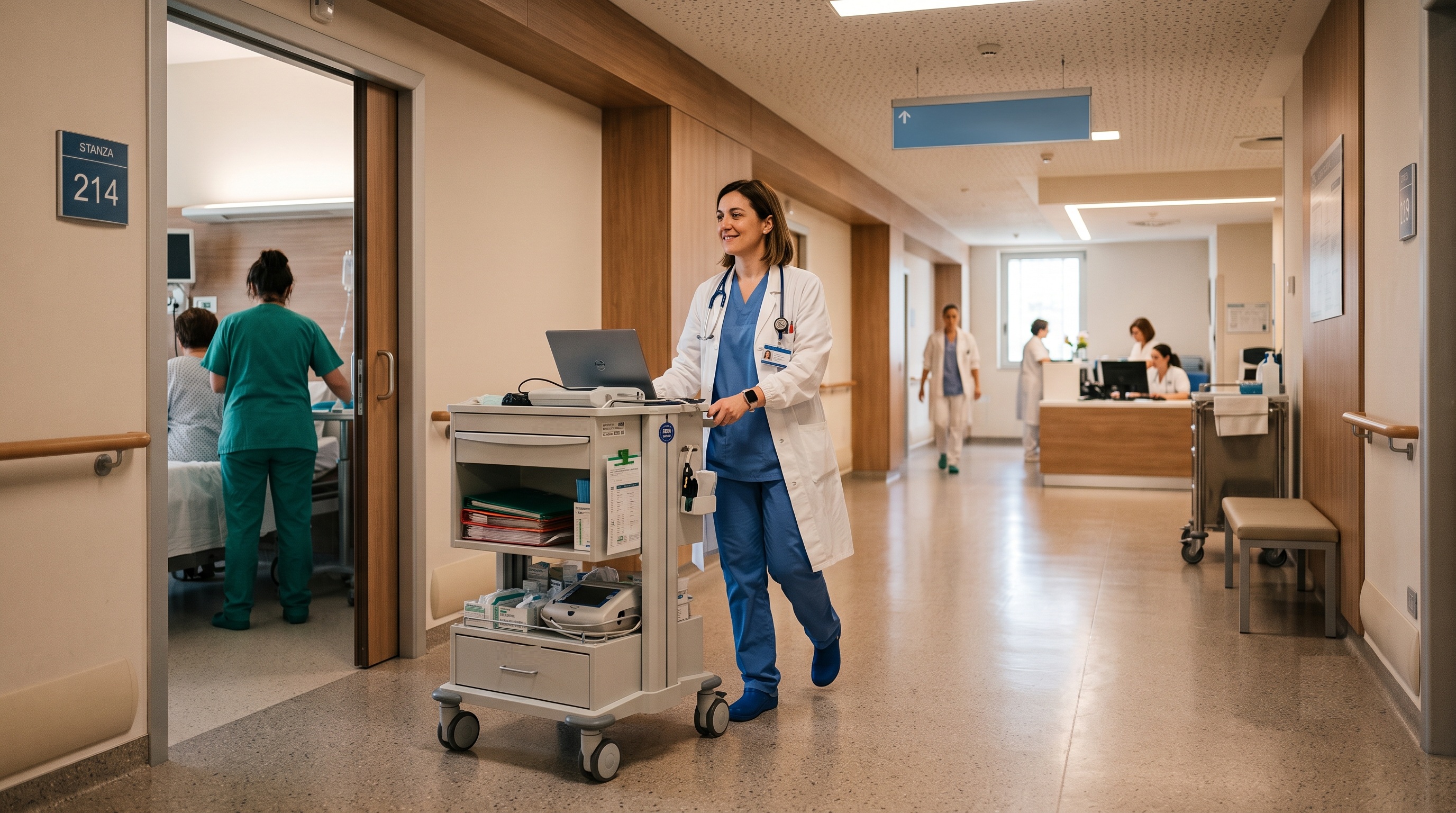
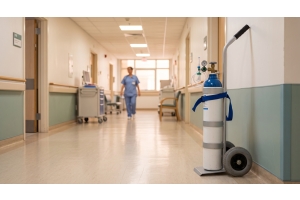
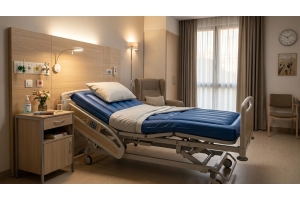
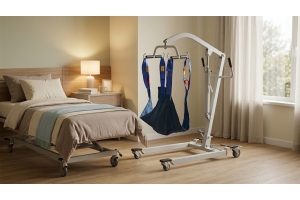
THE'efficiency of healthcare personnel It doesn't just depend on the number of staff present or the organization of shifts. The quality, availability, and layout of equipment also influence the time needed to prepare a procedure, transfer a patient, procure supplies, or reset a workstation. When equipment isn't suitable for the situation, part of the day is taken up by travel, searches, adjustments, and maneuvers that could be simplified.
Hospitals, clinics, nursing homes and outpatient clinics They have different needs, but they share the need to work with reliable and easily accessible equipment. An unwieldy stretcher, a disorganized cart, or a cabinet located far from the point of use can cause repeated delays. Conversely, equipment consistent with department procedures helps maintain a more orderly workflow and allows staff to devote more attention to care activities.
Why equipment affects the organization of healthcare work
Every healthcare procedure involves a sequence of actions, materials, and movements. If the necessary tools are not ready or are difficult to use, the sequence is interrupted. The operator must search for an accessory, change devices, or wait for a new item to be available. These interruptions, observed individually, may seem minor, but they become significant when they are repeated over multiple shifts and involve numerous professionals.
The professional equipment They contribute to efficiency when they are tailored to the department and compatible with the activities actually performed. The presence of advanced features does not automatically guarantee improvement. An overly complex product may require more training and monitoring without offering real benefits. The choice should therefore begin with the operational process, identifying the steps that generate the greatest waste of time or create difficulties for staff.
Reduce travel and preparation times in departments
A significant portion of inefficiencies arises from the distance between where the activity is performed and where materials and equipment are stored. If operators must repeatedly cross the department to retrieve gloves, instruments, dressings, or containers, preparation times increase and procedure continuity decreases. A more rational distribution of equipment can reduce these movements without radically changing the organization.
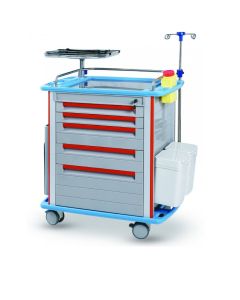
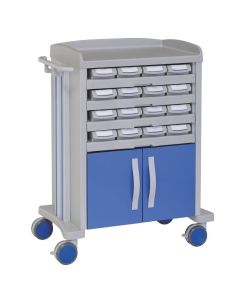
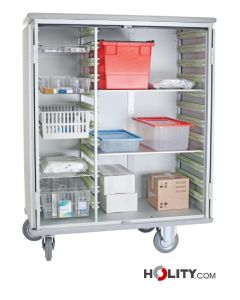
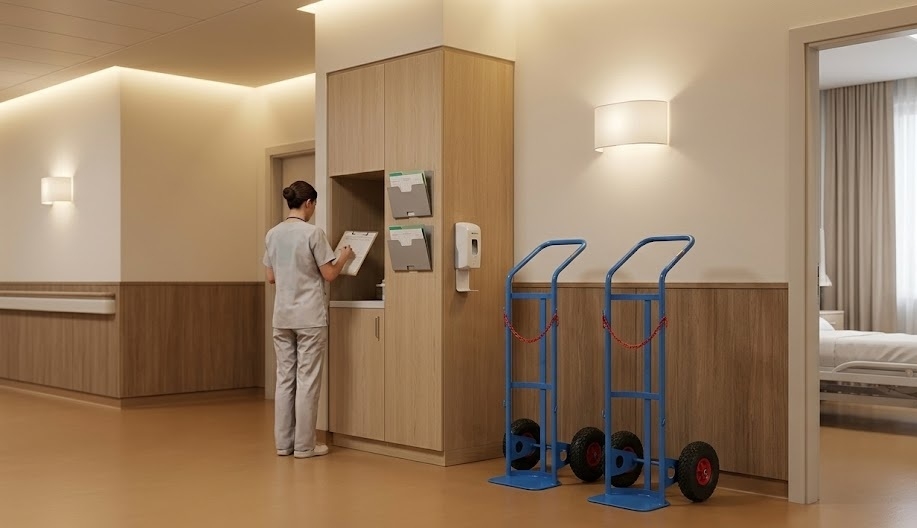
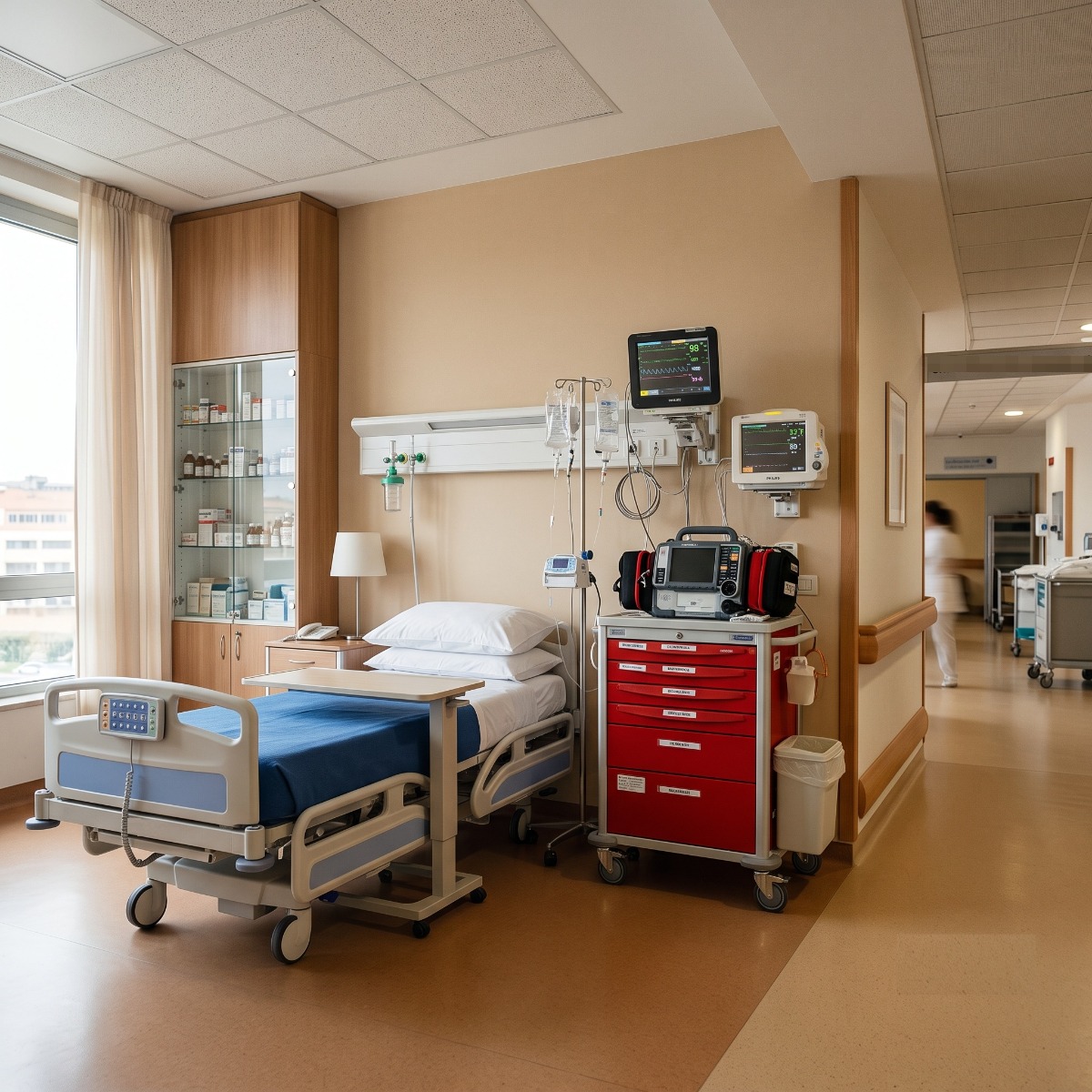
Equipped trolleys, well-positioned cabinets Recognizable storage systems help keep frequently needed items close to the point of use. The goal isn't to accumulate materials in every area, but to organize supplies based on consumption, urgency, and frequency of use. A consistent setup makes it easier to monitor availability and limits the risk of starting a procedure without everything needed.
Patient handling and operator ergonomics
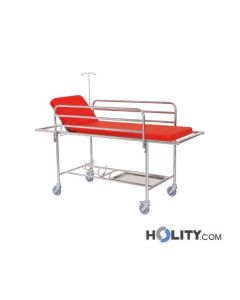
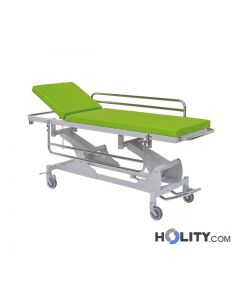
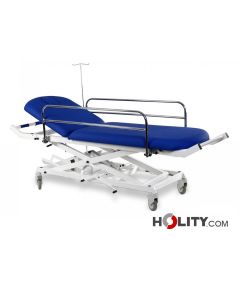
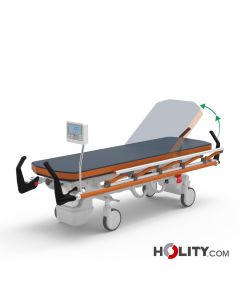
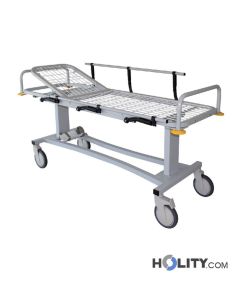
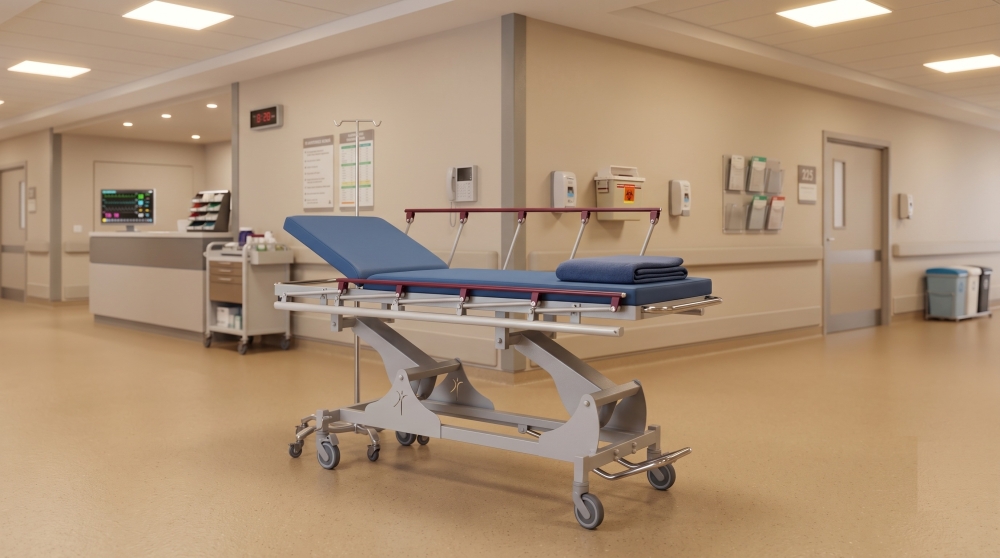
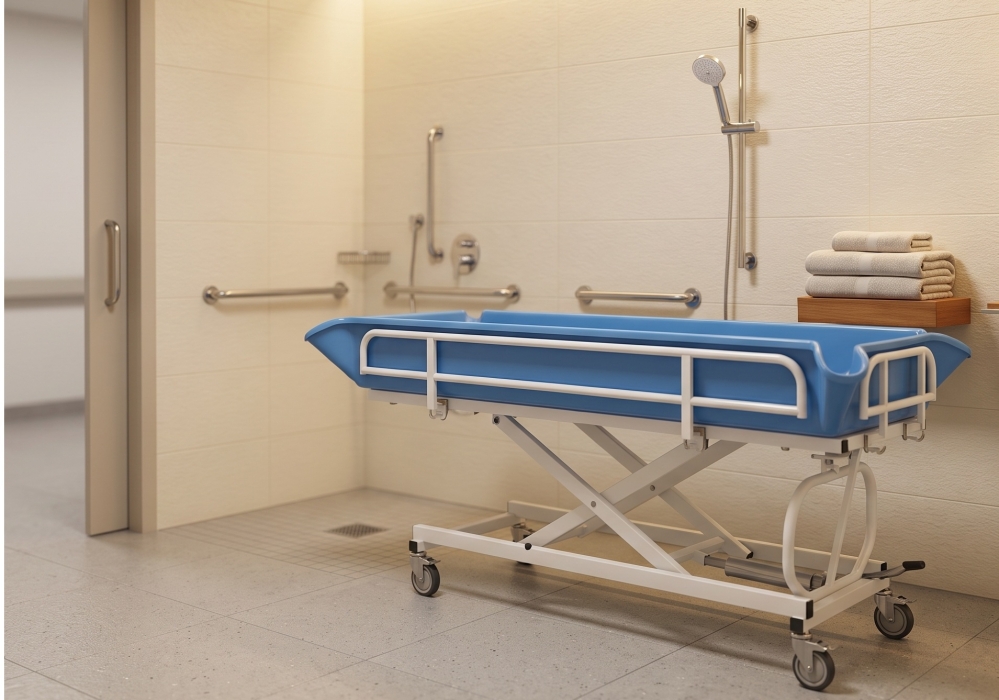
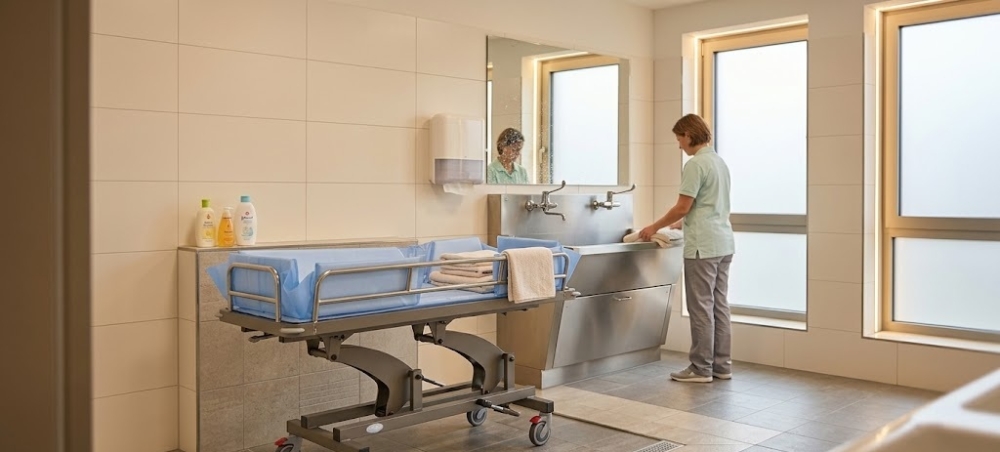
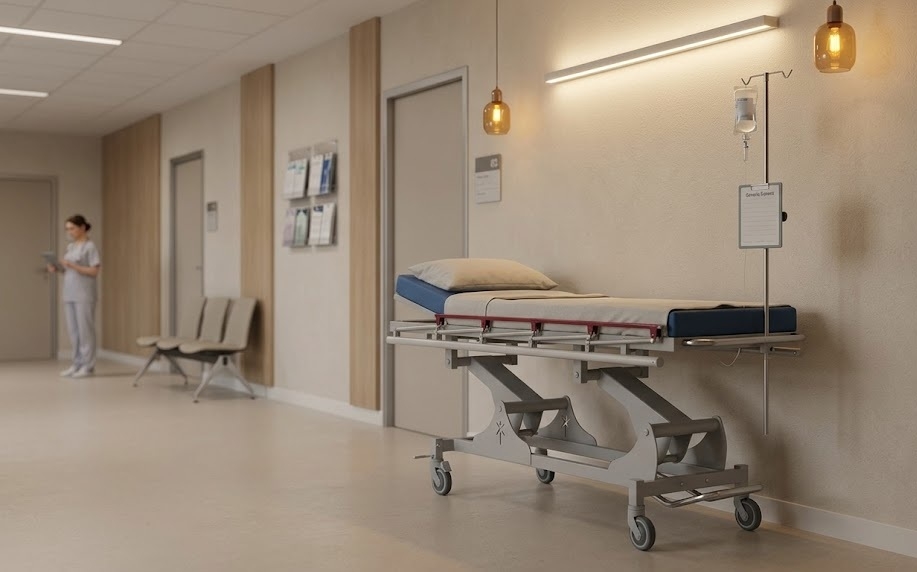
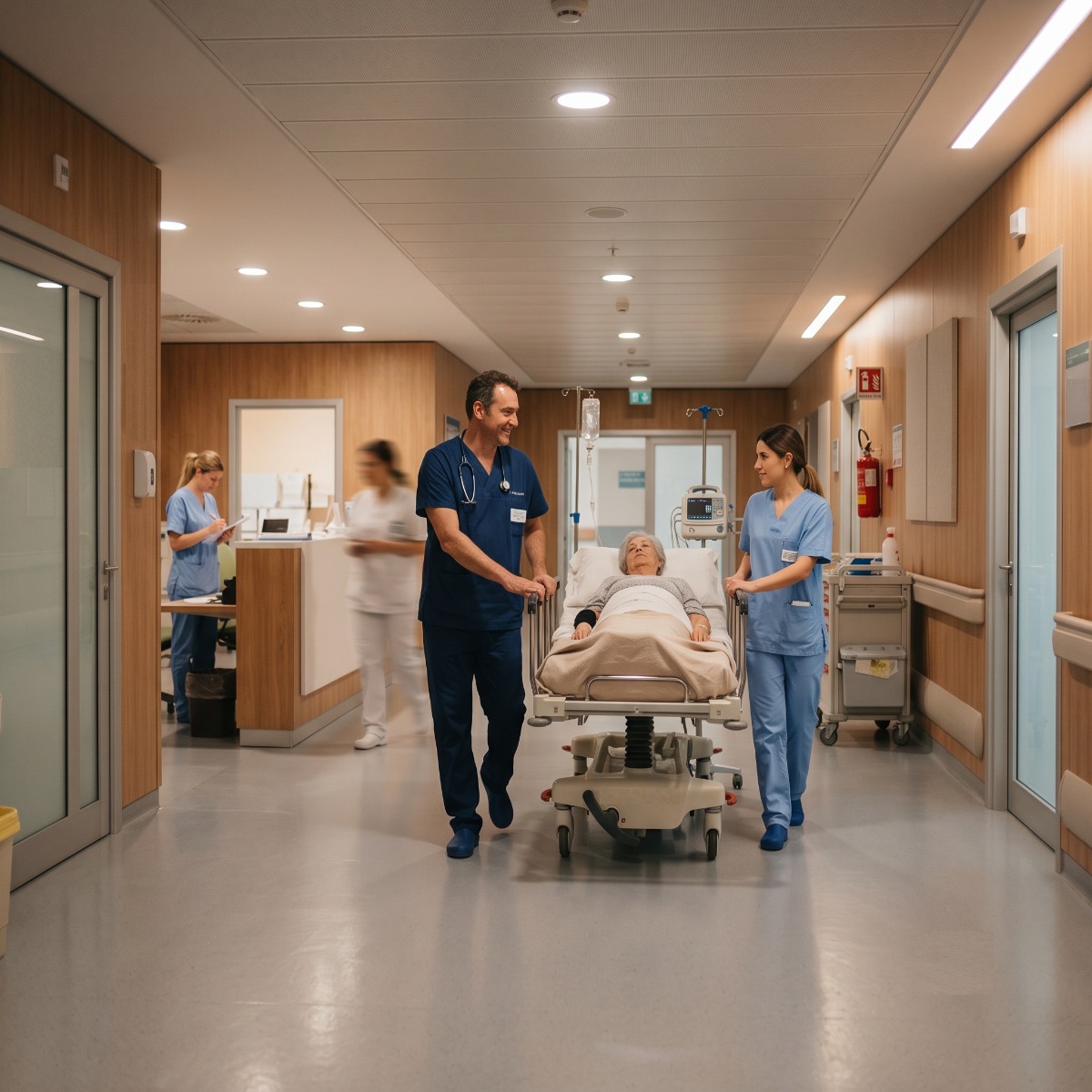 Transferring a person from bed to wheelchair, moving a stretcher, or assisting a patient during hygiene requires equipment suited to the person's condition and the available space. Lifts, verticalizers, stretchers adjustable and shower chairs They can make maneuvers more controlled when selected correctly. Compatibility with beds, doors, elevators, and assisted bathrooms should be verified before purchase.
Ergonomics isn't just about operator comfort. Height-adjustable equipment, easy to operate, and equipped with easily accessible controls can reduce unnecessary steps and improve collaboration between multiple workers. However, the benefits depend on training and the device's availability when needed. A suitable lift, but located far from the area, risks being used less than expected.
Always-available medical carts and material storage systems
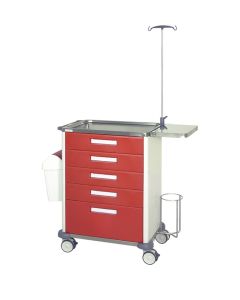
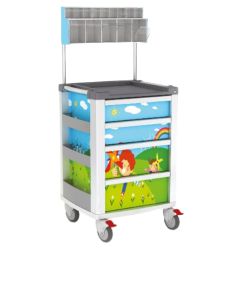
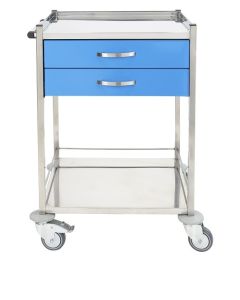
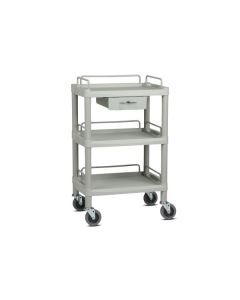
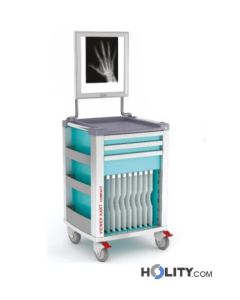
THE medical trolleys Carts are central to daily organization because they allow for the transportation of materials and the provision of a mobile workstation near the patient. The choice must consider the number of drawers, size, wheels, locking system, and the ability to divide the contents. A cart that is too small requires frequent refilling, while an oversized configuration can be difficult to maneuver within the ward's space.
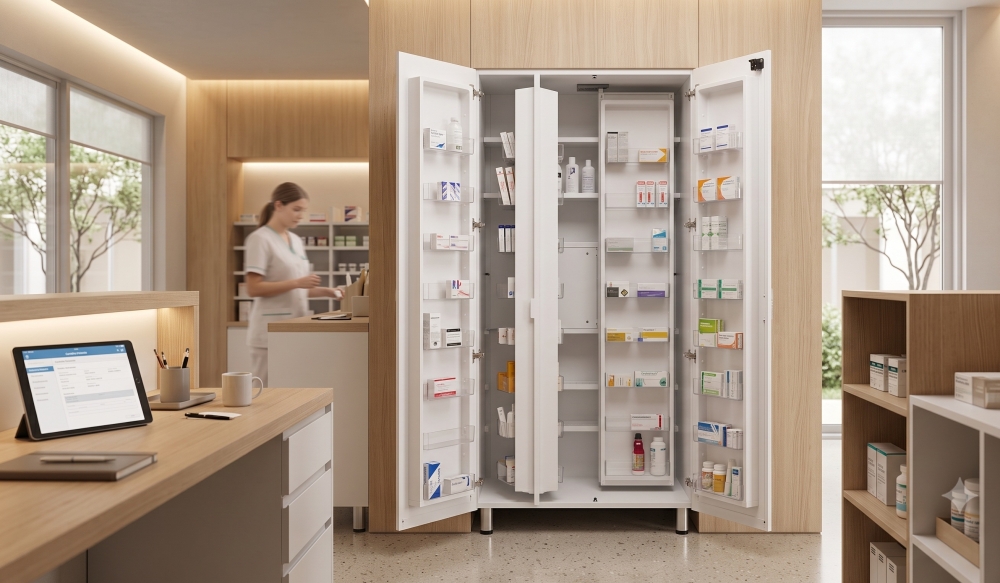
Also medicine cabinets, medical display cases Equipment and furniture must follow clear organizational criteria. Adjustable shelves, identifiable compartments, and locks consistent with the contents facilitate control and reduce searching time. Efficiency improves when each category has a stable, shared location. Frequent changes in layout, however, can lead to errors and slow down operators, especially during shifts with different staff.
Adjustable equipment compatible with healthcare environments
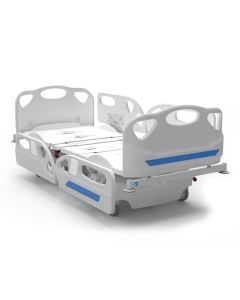
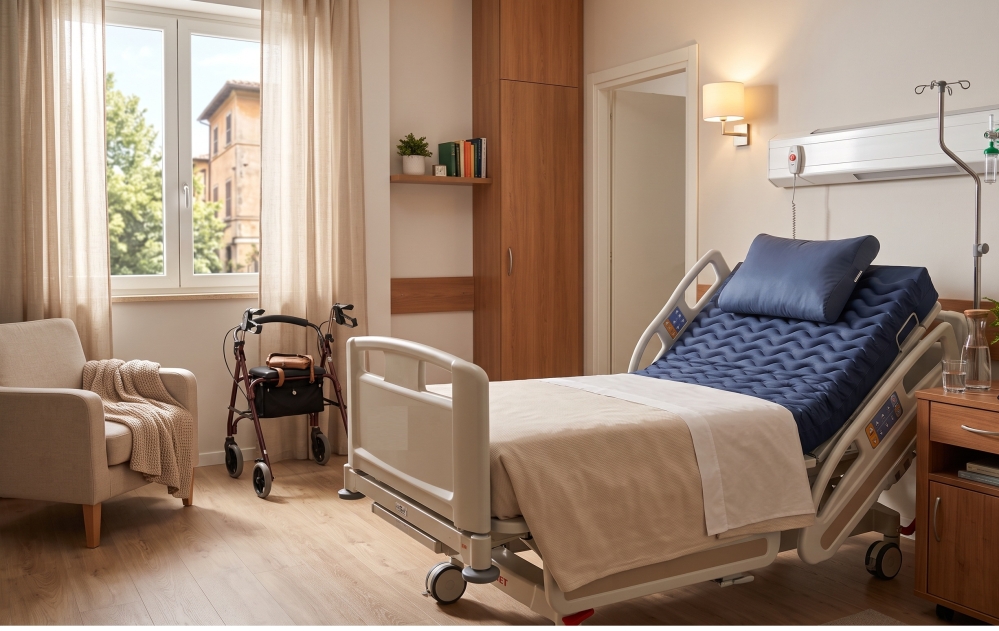
Adjustment is useful when it allows you to adapt the equipment to different stages of the procedure. Beds, stretchers, Adjustable-height tables and chairs can make it easier to approach and limit the amount of maneuvering required. However, each additional system increases the product's complexity and requires maintenance. Before purchasing, it's a good idea to check which adjustments will actually be used and how often.
Environmental compatibility is equally important. Dimensions, rotation radius, and control placement must be considered for rooms, corridors, and elevators. A professional device may offer excellent performance on the specifications sheet but prove impractical in a department with limited space. Measuring the rooms and simulating the operational path helps prevent problems that would only emerge after delivery.
Hygiene, sanitization and speed of recovery
Healthcare equipment must be able to be cleaned and restored without unnecessarily complex procedures. Smooth surfaces, accessible components, and materials compatible with facility protocols reduce the time between uses. Hard-to-reach crevices, delicate coatings, or non-removable accessories can slow down sanitization and increase the risk of the device being unavailable for longer.
Ease of cleaning should be evaluated at the purchasing stage, also considering the manufacturer's instructions. Not all materials tolerate the same detergents and treatments. The availability of replaceable mats, covers, or components can speed up equipment replenishment. Easy-to-sanitize equipment supports service continuity and reduces the operational burden associated with post-service activities.
Maintenance and standardization to limit operational downtime
 A device that's unavailable due to a fault creates a problem that goes beyond the cost of repair. Staff must find an alternative, reroute, or share equipment with another department. To limit these downtimes, it's helpful to schedule checks, verify spare parts availability, and record recurring anomalies. Wheels, brakes, batteries, actuators, and locking systems are components that require special attention.
Standardizing certain equipment can simplify training, maintenance, and procurement. Using consistent models allows operators to familiarize themselves with controls and procedures without having to constantly adapt to different devices. This doesn't mean eliminating all specialization, because some departments require dedicated products. It does mean reducing unnecessary differences and building a more manageable equipment fleet.
How to assess your needs before purchasing new equipment
Before introducing new equipment, it's helpful to analyze daily operations and identify where waits, delays, or difficulties arise. Involving operators, coordinators, technical managers, and the purchasing department allows for identifying complementary needs. Those who use the product are aware of operational issues, while those managing maintenance and procurement can assess the durability, spare parts, and sustainability of the supply.
The quote request should specify the intended use, number of users, frequency, room dimensions, and required equipment. It's helpful to distinguish essential features from optional ones, so you can compare truly equivalent products. The initial price should be considered in conjunction with maintenance, service life, and ease of management.efficiency of healthcare personnel It improves when the purchase responds to a specific problem and not simply to the replacement of the previous model.
Professional supplies for more organized healthcare facilities
Holity, specialist in professional medical and healthcare supplies, proposes equipment for hospitals, clinics, outpatient clinics, nursing homes and care facilitiesThe catalog includes solutions for handling, medical furniture, material organization, hygiene, and department management—areas in which the availability of consistent products can reduce waste and search times. This approach meets the needs of healthcare buyers focused on reliability, quality, and support in their selection.
Holity represents a point of reference for professional equipment intended for clinical and healthcare environments, with a range of services designed for facilities that need to coordinate diverse operational needs. Improving efficiency doesn't mean asking staff to work faster, but rather providing tools, spaces, and procedures that reduce avoidable obstacles. Properly selected equipment helps maintain a tidier department, facilitates repetitive tasks, and supports more seamless management of healthcare work.
 English
  Italian
 French
 German
 Spanish