English
  Italian
 French
 German
 Spanish
Post Contents [hide]

mon-fri 9-13 / 14.30-18.30
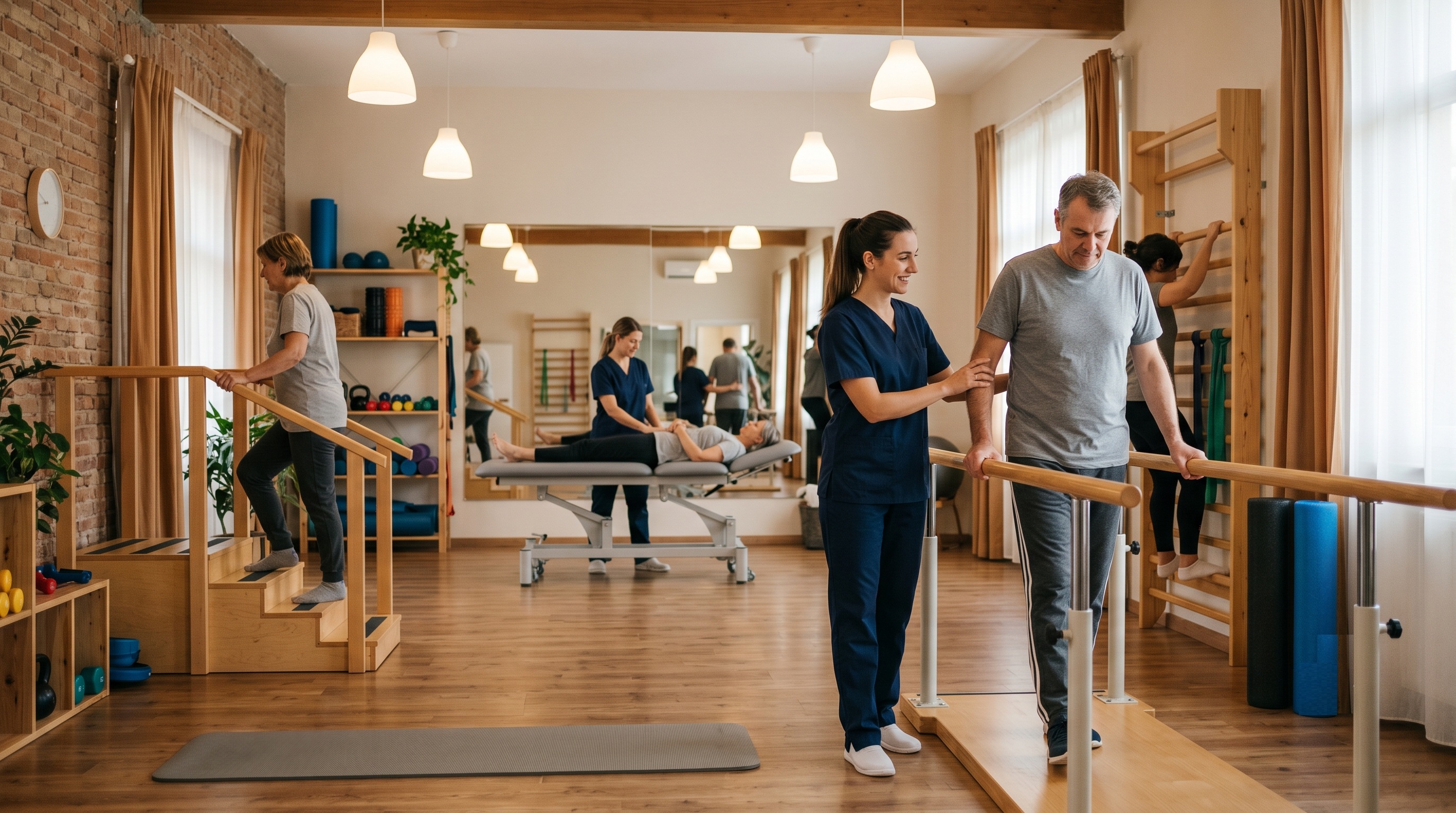
The construction of a gym dedicated to rehabilitation requires a precise project, built around the needs of patients, physiotherapists, and the healthcare facility. The choice of rehabilitation gym equipment, the layout of spaces and the organization of internal routes directly impact the quality of service and the daily functionality of the environment.
Post Contents [hide]
A rehabilitation gym is more than just a fitness area adapted for therapeutic use. It's a professional space where every piece of equipment, surface, and work area must promote motor recovery, patient safety, and continuity of treatment. For this reason, the design must integrate technical, health, and operational criteria, with a vision geared toward the facility's growth.
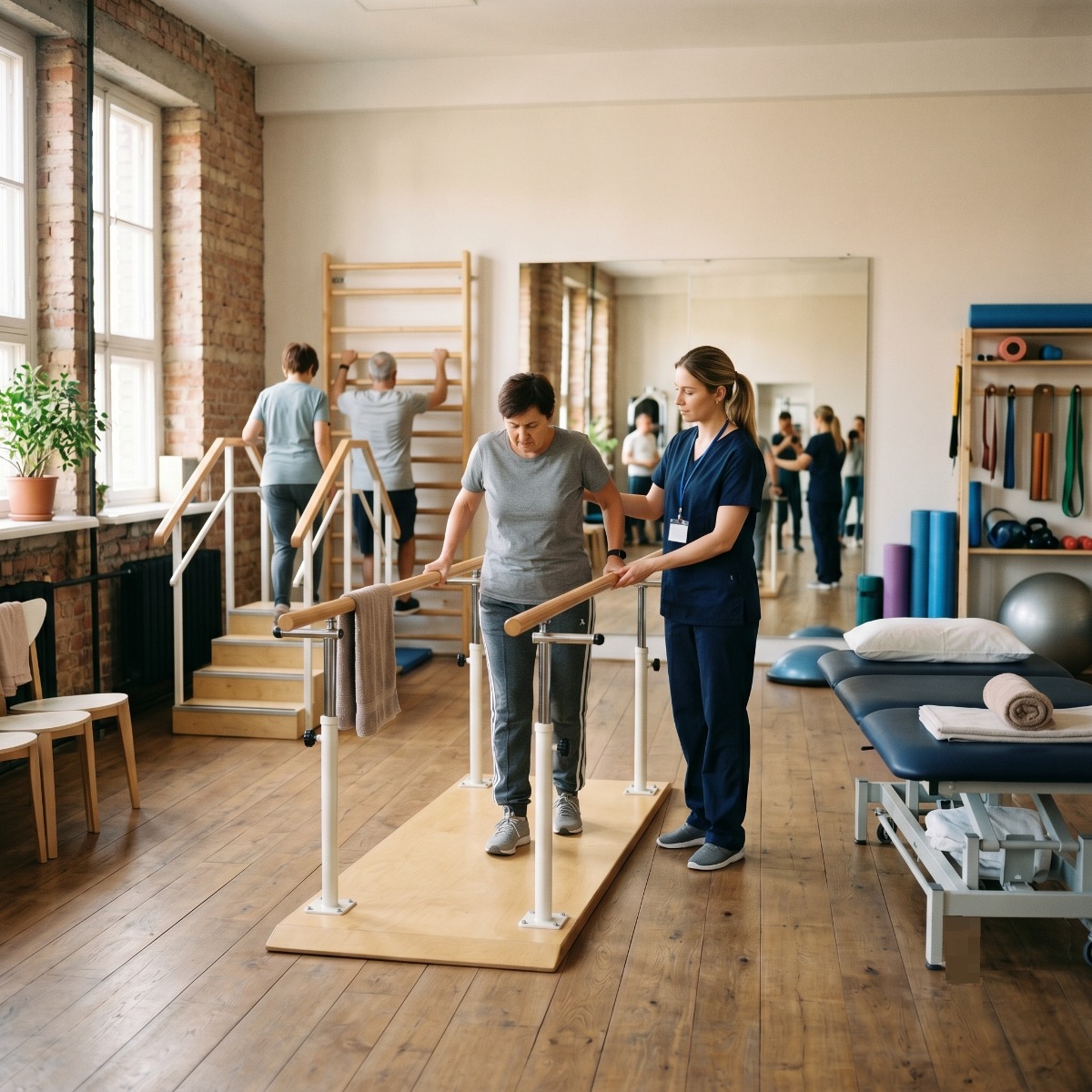 How to design a functional and professional rehabilitation gym
The first step in designing a rehabilitation gym is to define the type of activity that will be offered within the center. A facility focused on orthopedic rehabilitation will have different needs than one that primarily serves neurological, sports, or elderly patients. This initial analysis allows us to identify the most important areas of activity and select equipment consistent with the planned therapeutic programs.
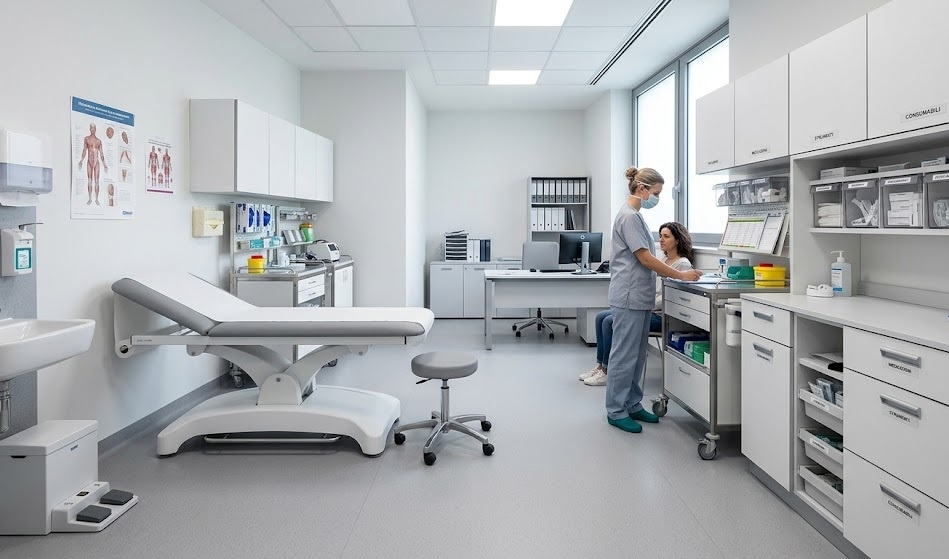
Effective design must also consider the number of staff present, the frequency of treatments, and the daily flow of patients. Spaces must be easily visible, accessible, and organized to reduce unnecessary movements. In a professional rehabilitation gym, the functionality of the environment supports the work of healthcare personnel and improves the patient experience at every stage of the journey.
Before purchasing the equipmentIt's important to clarify which therapeutic objectives the gym will support. Strength recovery, improved balance, gait rehabilitation, and improved joint mobility require different tools. Proper selection prevents unnecessary purchases and allows for a truly functional environment.
This phase is also important for defining the facility's level of specialization. A newly opened physiotherapy center can start with basic, modular equipment, while an established facility can integrate more specific devices to expand the services offered. In both cases, the choice of professional rehabilitation equipment must follow an operational logic and not just a commercial one.
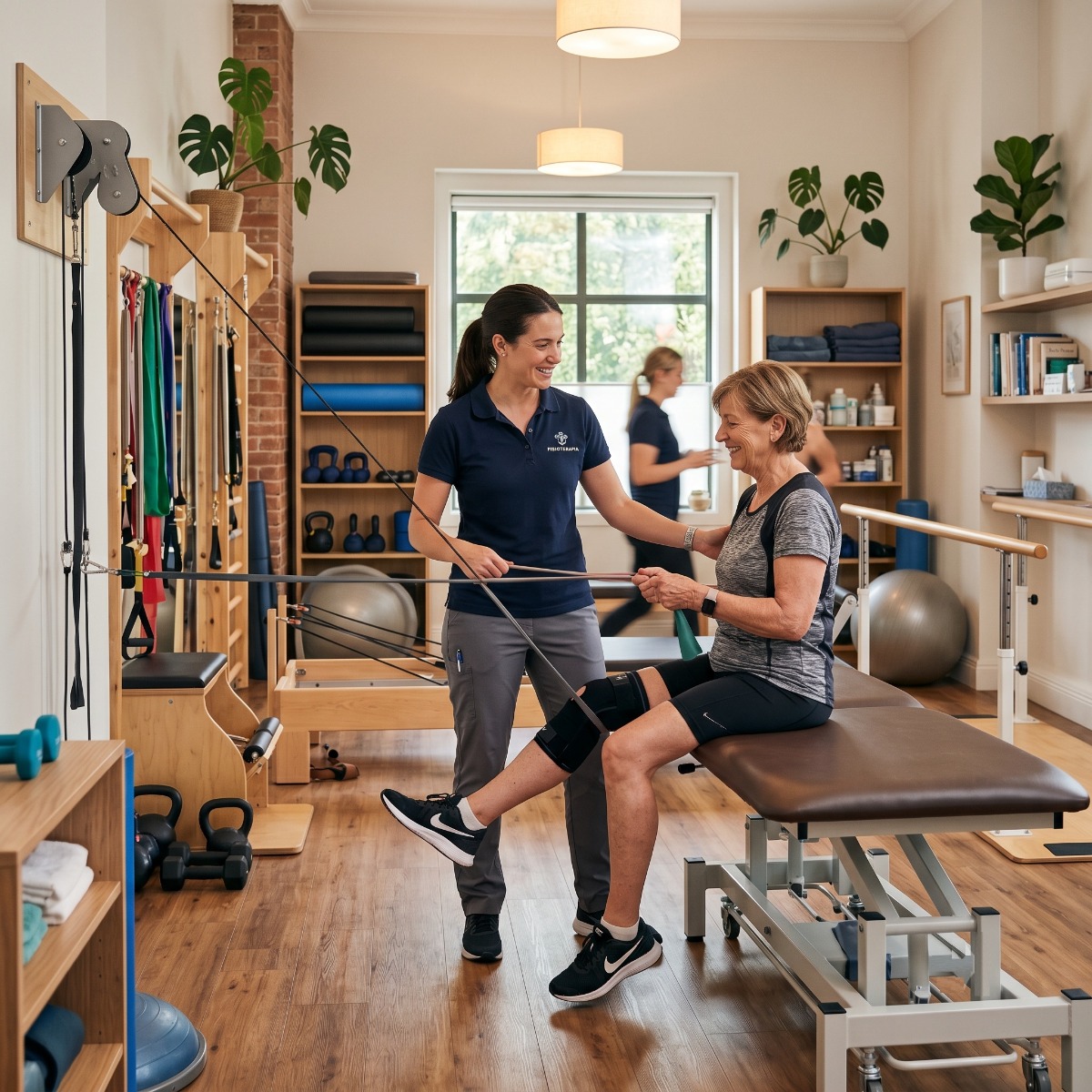
The space must be sized to allow patients to move around safely, even when using walking aids, wheelchairs, or walking aids. Equipment must not obstruct internal pathways and must be positioned to facilitate staff supervision. A crowded space can reduce the quality of treatment and increase the risk of interference between different activities.
The ideal layout includes distinct yet interconnected areas. One area can be dedicated to functional assessment, another to individual exercises, and yet another to gait or proprioceptive work. This arrangement allows for the simultaneous management of multiple patients while maintaining order, safety, and therapeutic continuity.
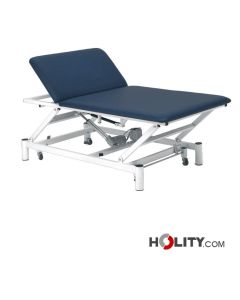
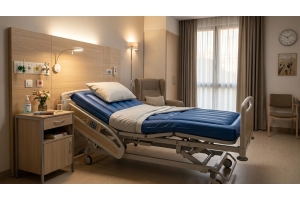
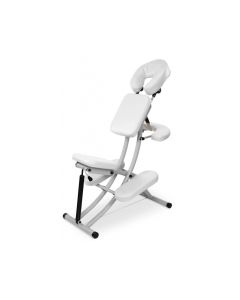
The choice of the rehabilitation gym equipment It must start from the treatments that the facility intends to offer. Typically, a complete rehabilitation gym includes professional beds, tools for free body exercises, muscle strengthening devices, proprioceptive equipment and mobility recovery solutions. Each element must be chosen based on quality of use, stability, and the ability to adapt to patients with different functional levels.
An effective setup doesn't depend on the number of devices present, but on the coherence of the entire system. The equipment must integrate with each other and allow for the progression of treatment, from the initial recovery phase to the gradual return to independence. For this reason, it's important to select versatile, durable tools that are suitable for continuous professional use.
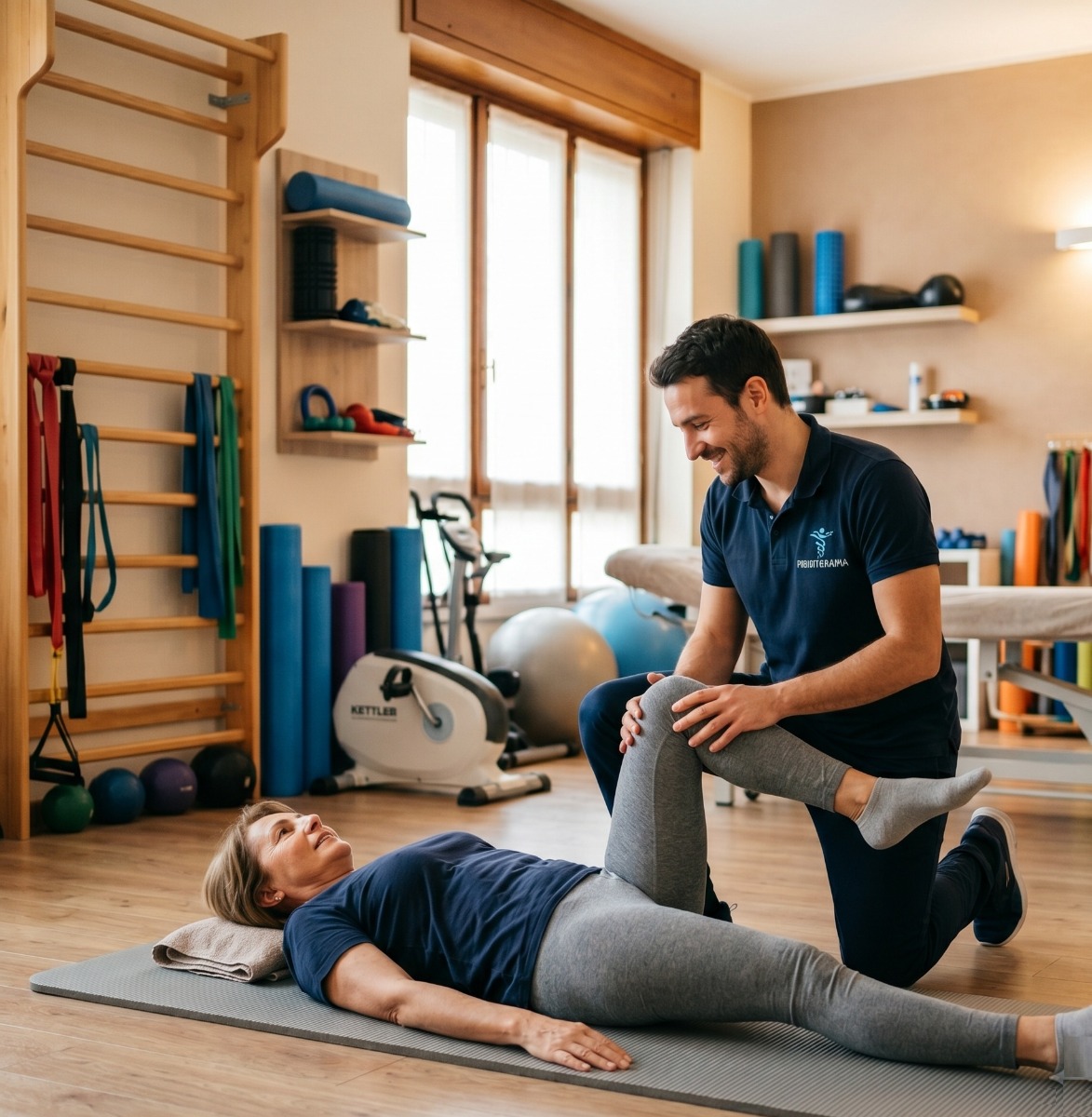 Tools for functional assessment and recovery
Functional assessment is a key phase of the rehabilitation process. It allows the professional to observe movement, measure progress, and adapt treatment based on the patient's response. To support this activity, adjustable beds, measuring instruments, accessories for motor tests and sufficient space to observe posture, balance and gait.
In addition to the assessment, the gym must provide tools dedicated to the progressive recovery of motor function. Mats, step, Elastic bands, small weights, and mobilization accessories allow for customized exercises. These elements are essential because they allow the physiotherapist to adjust intensity, difficulty, and objectives based on the patient's clinical condition.
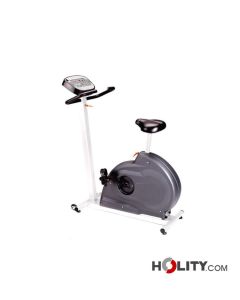
Muscle strengthening is included in many rehabilitation programs, especially after trauma, surgery, or periods of immobilization. Equipment must allow for controlled, progressive, and safe exercises. Therapeutic elastic bands, ankle weights, and light dumbbells are all useful tools. rehabilitation exercise bikes and variable resistance systems are useful tools for working on strength without overloading the patient.
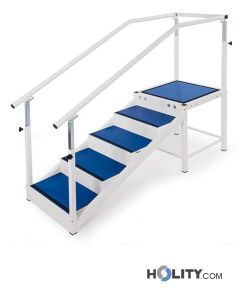
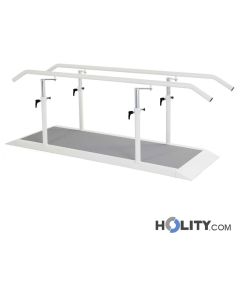
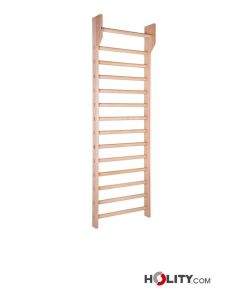
Motor re-education also requires equipment for coordination, balance and movement control. Proprioceptive platforms, parallels, postural mirrors, And rehabilitation stairs They help the patient regain body awareness and confidence in their movements. In this context, Holity it is proposed as specialist in professional supplies for healthcare facilities, physiotherapy centers and environments dedicated to rehabilitation.
Post-traumatic and post-operative care requires a controlled environment where patients can gradually regain mobility, strength, and independence. Equipment must provide stability and allow for progressive exercises, avoiding excessive loads in the early stages of recovery. Adequate support allows professionals to work with greater precision and safety.
In these cases, spatial organization is as important as technical equipment. Patients must be able to move easily between the treatment table, exercise area, and walking area, without obstacles or complex routes. A well-designed gym reduces downtime and streamlines treatment, especially when the center manages multiple rehabilitation programs during the same day.
Every patient has different timeframes, limitations, and goals. For this reason, a rehabilitation gym must include flexible equipment that can be used in customized programs. Modular accessories, proprioceptive exercise tools, and adjustable equipment allow treatment to be adapted to different clinical conditions.
Personalization is a key differentiator for facilities seeking to offer a professional and truly patient-focused service. Versatile equipment allows for personalized care options without having to constantly reorganize the space. This improves the center's efficiency and enhances the perceived quality of service.


The organization of work areas must follow a clear logic. Each area of the gym should have a recognizable function, to facilitate staff work and simplify patient orientation. An orderly layout improves treatment management and reduces the risk of overlap between different activities.
In a professional rehabilitation facility, spaces should not be designed solely to house equipment. They must allow for continuous, safe, and functional use of the facilities. Proper internal organization optimizes staff time, keeps the environment tidy, and ensures a smoother patient experience.
The walking area should be large, accessible, and free of obstacles. It's a useful space for patients who need to regain walking confidence, improve their footing, or work on their static and dynamic balance. This area can accommodate parallel bars, walking paths, walking aids, and surfaces suitable for proprioceptive exercises.
The location of this area should allow operators to monitor the patient's activity at all times. Good visibility improves safety and allows for rapid intervention in the event of instability. The flooring also plays a key role, as it must ensure grip, comfort, and ease of cleaning.
Individual exercises require smaller spaces, but still large enough to allow for freedom of movement. This area can be used for personalized programs, postural exercises, active mobilizations, and activities supervised by a physical therapist. Easily accessible equipment improves the continuity of treatment.
A well-designed area allows for targeted exercises without interfering with other patients' activities. The arrangement of accessories must be neat and functional, with storage solutions that reduce clutter and facilitate daily management. This aspect contributes to the facility's perceived professionalism.
Multipurpose spaces are useful in rehabilitation gyms that offer different workouts throughout the day. The same area can be used for group exercises, individual activities, motor assessments, or specific recovery programs. Achieving this flexibility requires mobile equipment, easily repositionable furnishings, and a tidy layout.
This solution allows for better use of available space, especially in smaller physiotherapy centers. A well-organized, multifunctional space increases the facility's operational capacity and allows for rapid adaptation to patient needs. Even at this stage, choosing specialized suppliers such as Holity helps identify solutions consistent with professional and continuous use.
 Safety, accessibility and ergonomics of environments
Safety is a key requirement when setting up a rehabilitation gym. Patients may have mobility limitations, reduced balance, or difficulty moving around. For this reason, every element of the environment must be designed to reduce the risk of falls, impacts, or uncontrolled movements.
Accessibility and ergonomics also impact the work of healthcare professionals. Well-sized spaces, properly positioned equipment, and organized pathways allow professionals to care for patients more effectively. A functional gym protects both patients and the healthcare workers who work within the facility every day.
The environments must have non-slip surfaces, adequate maneuvering space, and stable equipment. Each device must be positioned so as not to create obstacles and to allow safe access. Regular equipment maintenance is another important aspect for maintaining high safety standards over time.
Safeguarding staff also requires proper worktop heights, adjustable beds, and easily accessible accessories. Reducing forced movements and poor posture improves the quality of daily work. An ergonomic structure therefore contributes to the center's overall safety and continuity of service.
Internal pathways must be simple, intuitive, and accessible even to patients with limited mobility. It's important to avoid narrow passageways, unnecessary obstacles, and transit areas occupied by equipment. Orderly flow management improves safety and makes space easier to use.
In high-traffic centers, separating waiting areas, treatment areas, and exercise spaces helps avoid overlap. This improves overall organization and allows staff to work more seamlessly. Clear pathways also help create a more reassuring environment for patients.
The materials chosen for the furnishings must be durable, easy to clean, and suitable for professional use. Technical flooring, washable surfaces, and sturdy furnishings contribute to the facility's durability. In a rehabilitation setting, the quality of materials impacts both safety and the overall perception of the service.
Operating comfort stems from a balance between functionality and order. A well-lit, clean, and organized environment promotes patient concentration and operator work. The choice of professional rehabilitation equipment It must therefore be accompanied by concrete attention to the quality of the spaces.
An efficient rehabilitation gym allows for better treatment management, reduced preparation time, and a more organized patient experience. Optimizing space is not just about aesthetics, but also about the environment's ability to support daily clinical work. A rational layout of equipment facilitates exercise progression and improves therapeutic continuity.
The quality of the experience also depends on the perception of safety and professionalism. When patients enter an orderly, accessible, and well-equipped space, they develop greater confidence in the proposed treatment plan. This aspect is especially important for healthcare facilities, physiotherapy centers, and clinics that wish to stand out for their reliability and organizational quality.
Organizational efficiency allows operators to care for more patients without compromising the quality of care. Easily accessible equipment, well-defined areas, and clear pathways allow for an orderly transition from one treatment phase to the next. This reduces interruptions and improves overall management of the workday.
Continuity of treatment is particularly important during long rehabilitation programs. A well-structured environment allows for monitoring progress, adapting exercises, and maintaining a consistent treatment plan over time. The gym thus becomes an operational tool to support clinical work, not just a well-equipped physical space.
Equipment selection must be aligned with the services actually offered by the facility. A center specializing in sports rehabilitation should prioritize tools for strength, balance, and advanced functional recovery. A facility serving elderly or neurological patients should instead focus on safety, assisted walking, and motor control.
This consistency improves the investment and makes the gym's internal catalog more functional. Holity, leader in professional supplies for the healthcare sector, offers solutions suitable for physiotherapy centers, clinics and rehabilitation facilities. The presence of a catalog oriented towards the professional world, it allows you to identify products that are consistent with different operational needs.
A rehabilitation gym should also be designed with the facility's future development in mind. New services, increased patient numbers, and the integration of more specialized equipment require flexible spaces. A structure that's too rigid can quickly become limiting, while a modular space allows for adaptation to new needs without complex interventions.
Investing in a well-organized setup means building a solid foundation for the quality of service and the professional growth of the facility. The choice of gym rehabilitation equipment It must therefore be guided by criteria of functionality, safety, and durability. For organizations wishing to design or renovate a complete rehabilitation environment, Holity represents a A specialized reference for professional equipment, technical furnishings, and solutions dedicated to the healthcare sector.