Public restroom furnishings must meet the needs of spaces used by many people every day. Sanitary fixtures, accessories and surfaces should therefore be durable, practical and easy to maintain. The choice depends on the number of users, frequency of use and type of facility. Careful planning helps create functional spaces that are easier to manage over time.
The project starts from the actual use of the public bathroom
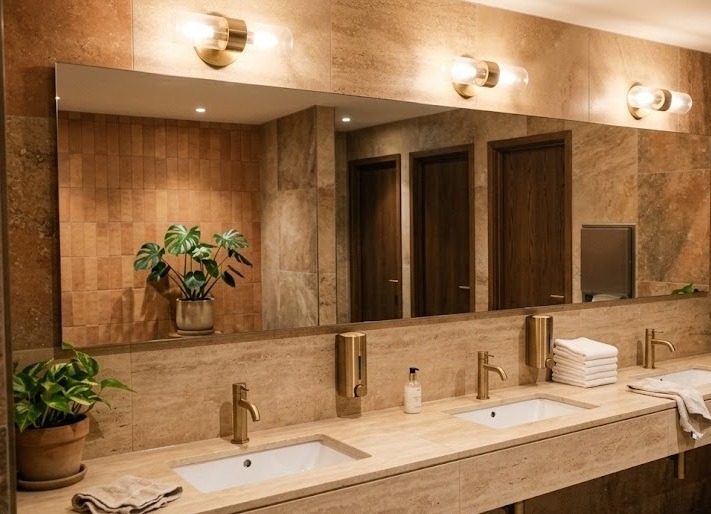 The design should begin by estimating how many people use the services and at what times of the day the greatest influx is concentrated. A bathroom in a school may have very intense peaks in use during breaks, while one in an office may have a more even distribution. In a hotel or a center open to the public, however, very different users come into play. These differences modify the quantity of sanitary fixtures, the equipment provided, and the frequency with which they must be cleaned and refilled.
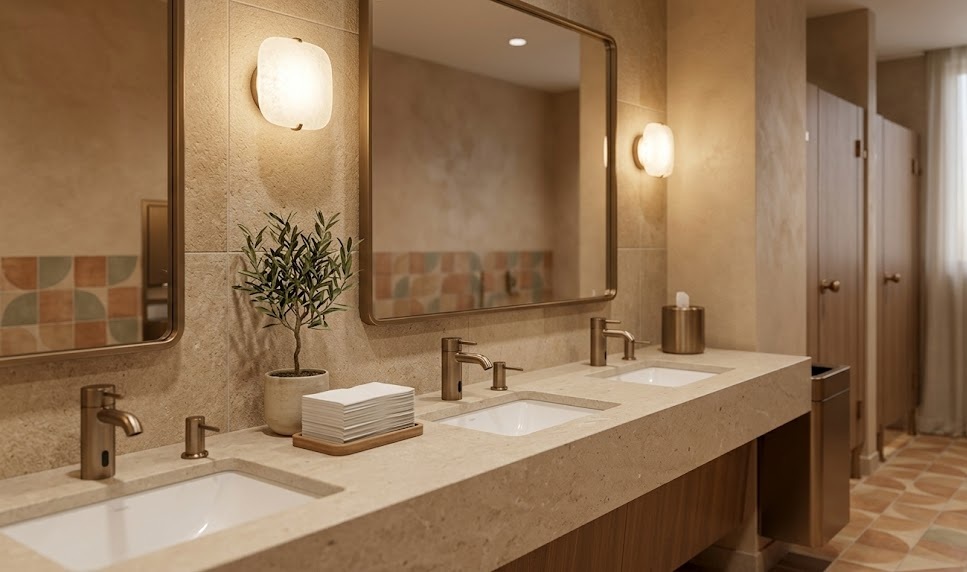
It is also important to observe the routes within the environment. The entrance, the position of the sinks, the access to the individual toilets, and the area designated for drying hands must form a legible whole. An irrational layout can create interference even in a room of adequate size. The functionality of the public bathroom furniture therefore depends on the relationship between available space, number of users, and the sequence of operations performed.
Resistant materials reduce maintenance and replacements
In a high-traffic environment, materials are subjected to continuous contact, humidity and repeated cleaning. The choice must consider not only the initial appearance, but also how surfaces and components will behave over time. Stainless steel, technical plastic materials and other professional finishes can meet different needs. The comparison must be made considering the position, frequency of use and maintenance instructions provided for each product.
Robustness does not depend exclusively on the declared material. Fixings, hinges, edges, joints and opening systems affect the life of the entire element. A dispenser with a resistant structure but a mechanism that is not suitable for frequent use may require interventions sooner than expected. Holity, specialist in professional supplies for institutions, communities and public administrations, is a leading supplier of professional supplies for public administrations and public administrations. and high-traffic facilities , allows you to compare solutions designed for contexts in which operational continuity and maintenance are central criteria.
Sanitary ware and sinks must be chosen based on space
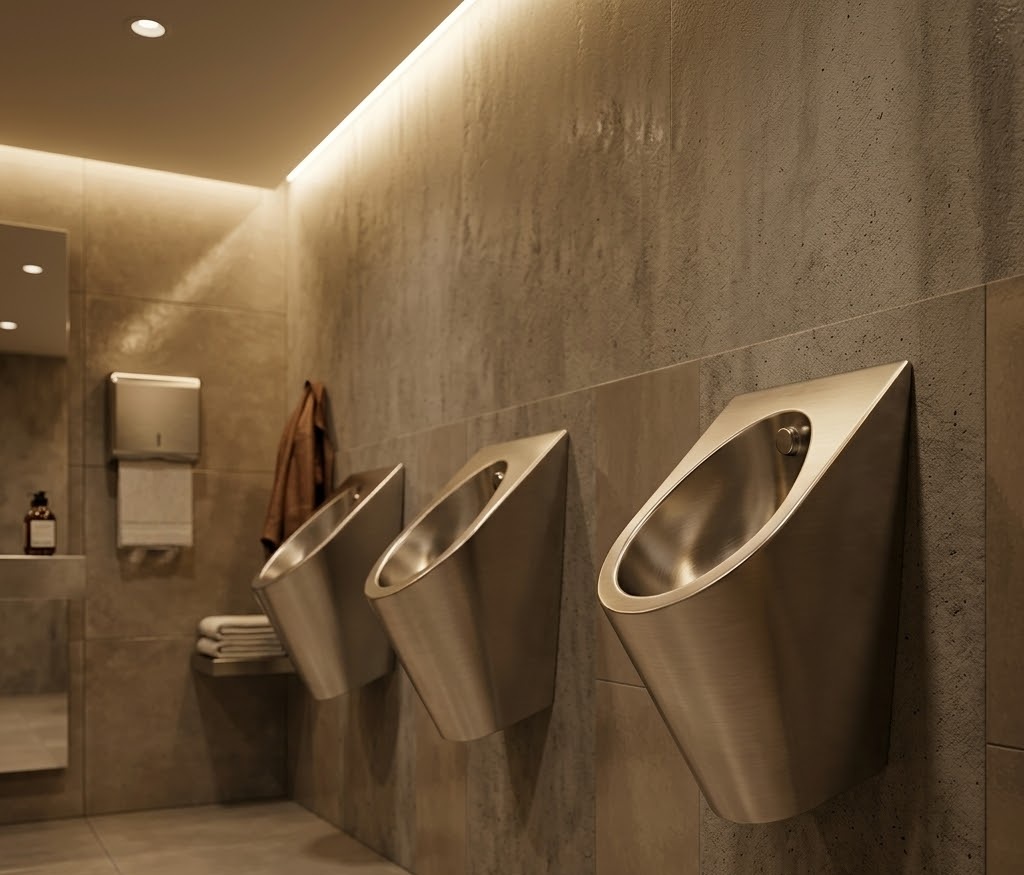
Toilets and sinks form the functional basis of the bathroom and must be sized in relation to the environment. Their position must allow for easy use without unnecessarily narrowing the passageways. The depth of the elements and the space required in front of each station must also be considered in the design phase. A compact sanitary ware can be useful in smaller spaces, while large rooms can allow for different configurations.
The choice should also take into account the cleaning methods and the ease with which it is possible to reach the surrounding surfaces. Elements that are difficult to inspect or with many inaccessible areas can increase the time required for ordinary maintenance. Consistency between sanitary ware, taps, and accessories helps make the environment easier to manage. Each component must therefore be viewed as part of a system and not as an independent purchase.
Accessories complete the functionality of the bathroom
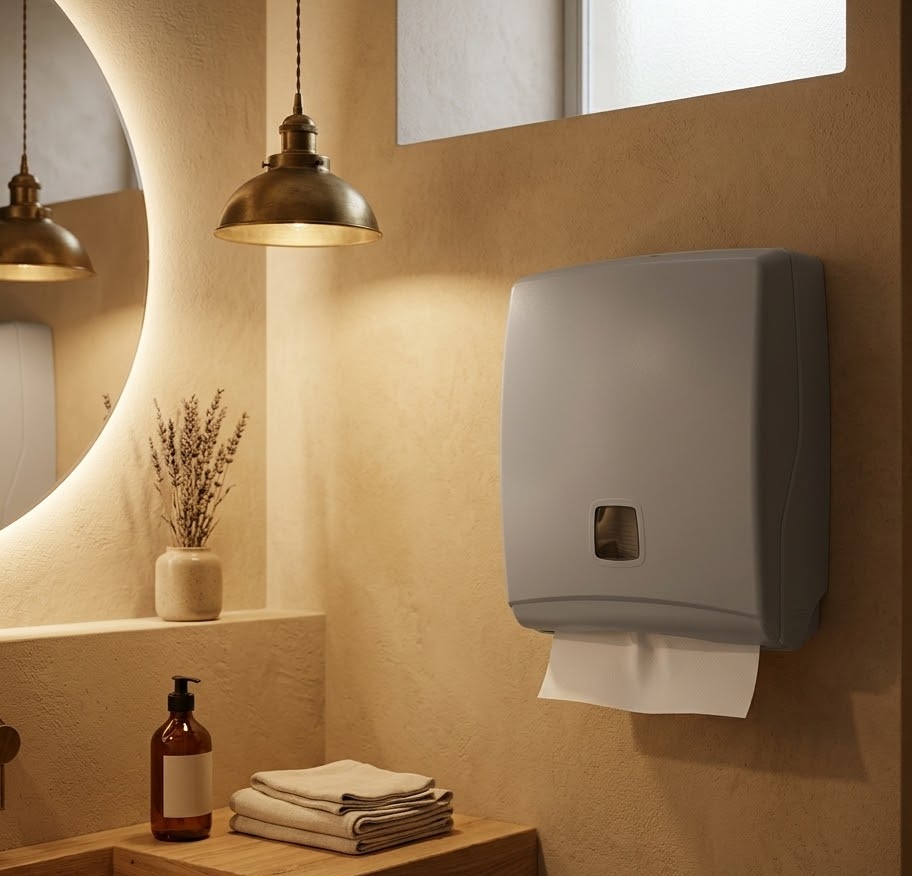
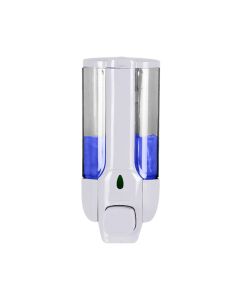
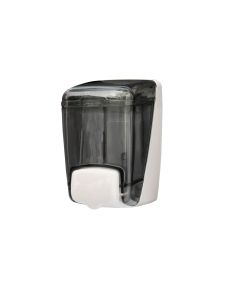
Soap dispensers, roll holders, paper dispensers, hand towels, mirrors, and wastebaskets directly impact the user experience. Their capacity must be linked to the number of users and the frequency with which staff can refill. A dispenser that is too small may require constant checking, while an oversized model may unnecessarily occupy walls and surfaces. The position must also make the sequence of operations intuitive.
In professional environments, it is useful to maintain a certain uniformity between the accessories present in the different bathrooms. Holity, a point of reference for professional equipment and accessories for toilets and collective spaces , allows you to create coordinated supplies for environments with different needs. Choosing products belonging to the same design logic also facilitates spare parts, checks and future management. Aesthetics maintains its importance, but must be accompanied by practicality and solidity.
The distribution of the elements influences practicality and cleanliness
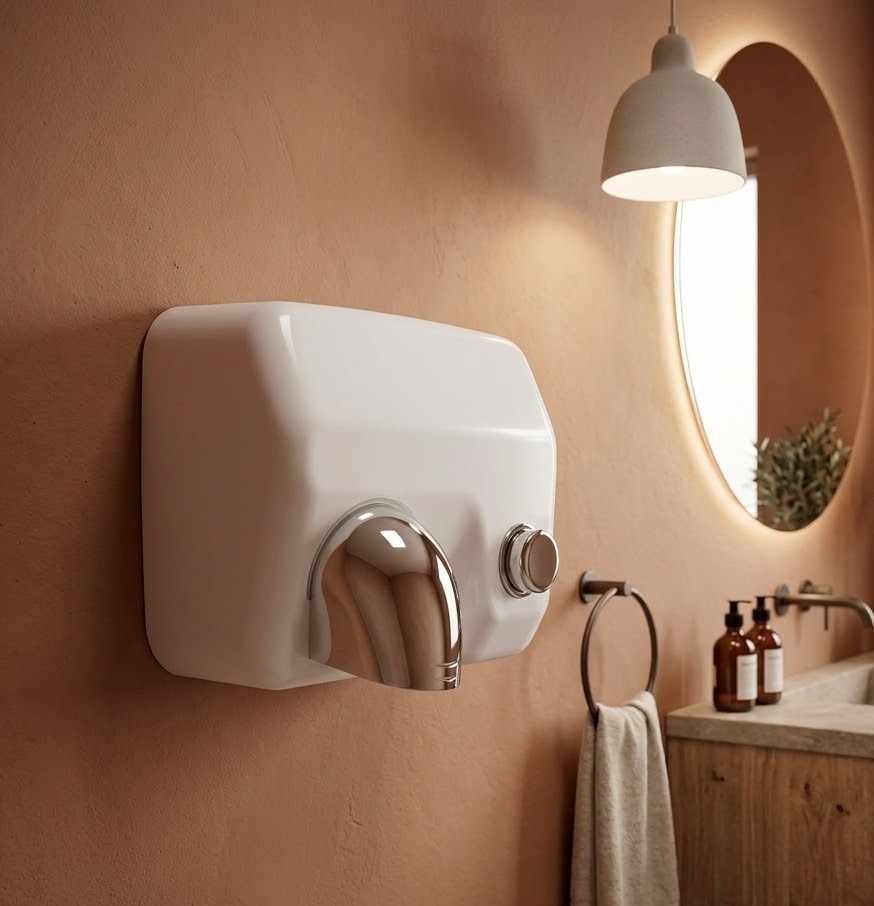
The arrangement of the accessories should follow the user's natural path. The soap must be easily accessible from the sink, while the hand drying system should be in a position that does not require unnecessary crossing of the room. The waste bins must also be placed near the points where waste is generated. This organization makes the service more intuitive and limits unnecessary movements. 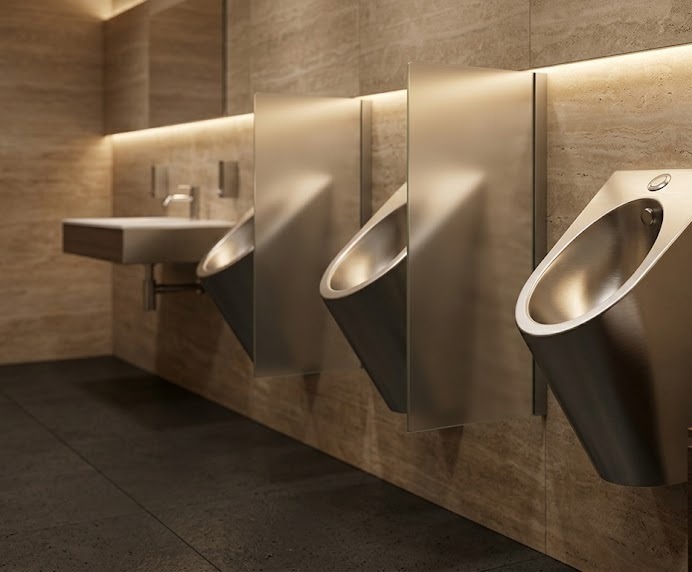
Distribution also influences the activities carried out by the staff. A waste bin wedged between several bins Elements or a dispenser placed in a difficult-to-reach location require more time during maintenance and refilling. The design must therefore be evaluated from both the user's and the bathroom manager's point of view. A well-organized environment allows normal operations to be carried out without moving furnishings or creating additional obstacles.
Accessibility and usability must be included in the design
A bathroom intended for the public must consider the variety of people who can use it. The design of accessible environments requires specific spaces, elements and configurations that must be evaluated right from the initial phase. It is not sufficient to add a single accessory after organizing the rest of the room. Routes, distances and the position of the sanitary fixtures must be thought of as parts of the same environment.
Grab bars, seats, sinks and accessories must also be chosen in relation to the overall configuration. The technical characteristics and any instructions relating to installation must be verified in the product documentation and in the project applicable to the structure. It is advisable to avoid standardized solutions without having verified the spaces actually available. Usability arises from the correct relationship between size, position and characteristics of the individual elements.
Hygiene and maintenance guide the choice of surfaces
Ease of cleaning is one of the most important criteria in high-traffic restrooms. Regular surfaces, accessible components and materials compatible with the procedures required by the structure facilitate the work of the staff. The number of joints and hard-to-reach points can also affect the time required. The choice should therefore consider how the product will be cleaned, checked and replenished throughout the day.
Maintenance also includes the periodic checking of hinges, fixings, locks and dispenser mechanisms. A small deteriorated component can render an accessory that is still in good condition unusable. For this reason, it is useful to keep technical data sheets and references of the installed products. An orderly management simplifies the replacement of spare parts and makes it easier to maintain uniform equipment in the various toilets.
A coordinated supply simplifies management over time
When the project involves multiple bathrooms, it is useful to define a coherent supply in advance. Sanitary ware, dispensers, bins, mirrors and other accessories can be selected according to common criteria, adapting quantities and capacity to the different areas. This approach avoids creating completely different environments within the same structure. It also facilitates the identification of products and the management of subsequent interventions.
Holity, specialist in professional supplies for public bathrooms, communities, companies and institutions , represents a reference for the selection of sanitary ware, accessories and equipment intended for high-traffic contexts. A coordinated project allows you to compare products based on materials, dimensions and methods of actual use. Durability It doesn't depend on a single feature, but on the coherence between products, environment and management. A well-designed Public bathroom furniture makes daily use easier, limits improvised solutions and facilitates maintenance activities over time.
 English
  Italian
 French
 German
 Spanish