What are waste compactors?
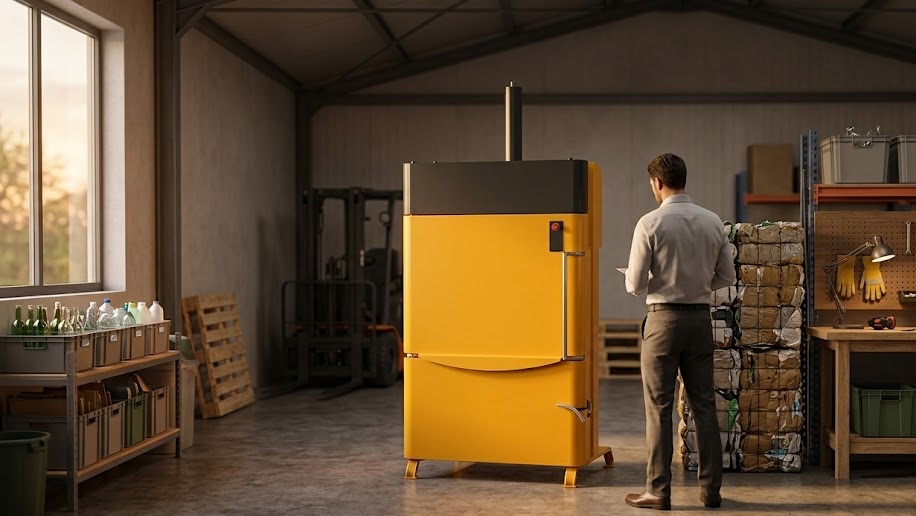
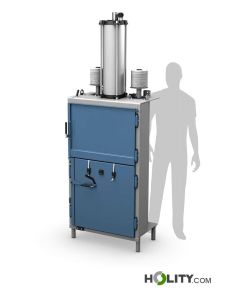
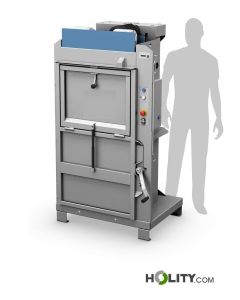
A compactor is a machine that exerts a controlled force on compressible materials to reduce their space requirements. Compaction does not eliminate waste, but reduces its volume and, in suitable models, allows for the production of tied and moveable bales. This solution is mainly used to manage cardboard, paper and packaging in commercial, logistics and production activities.
How does a compactor baler work?
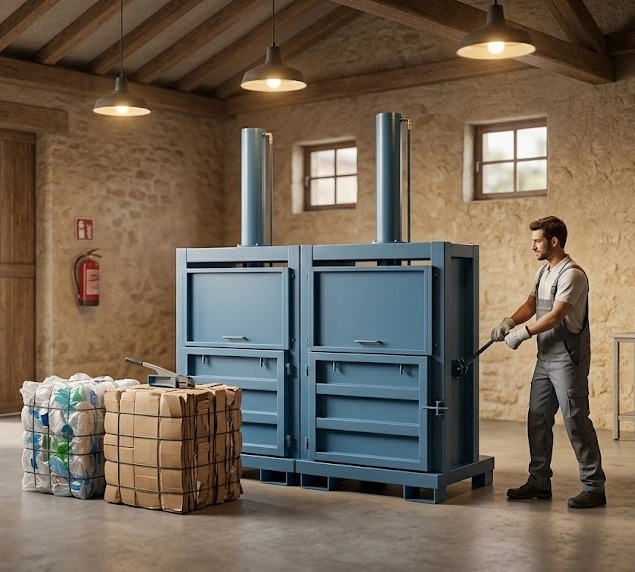 The material is introduced into the loading chamber and compressed by a plate operated by the machine's system, often hydraulic. Loading can be repeated until the permitted quantity is reached. Once the model produces bales, the material is subsequently tied and expelled according to the procedures indicated by the manufacturer. The operating methods vary according to the configuration and the level of automation.
Vertical and horizontal balers: what are the differences?
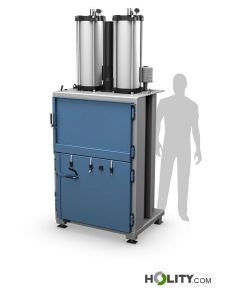
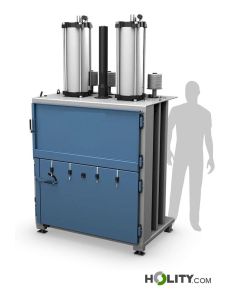
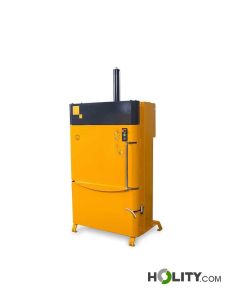
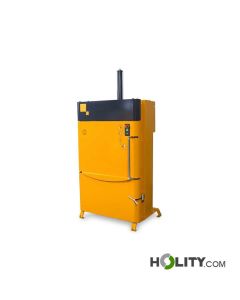
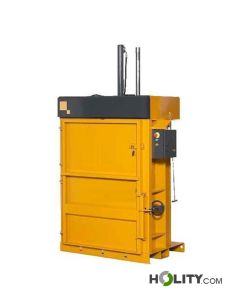
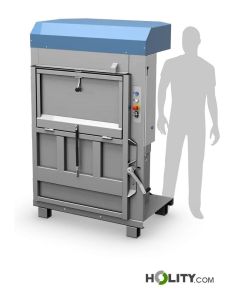
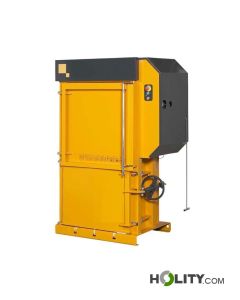
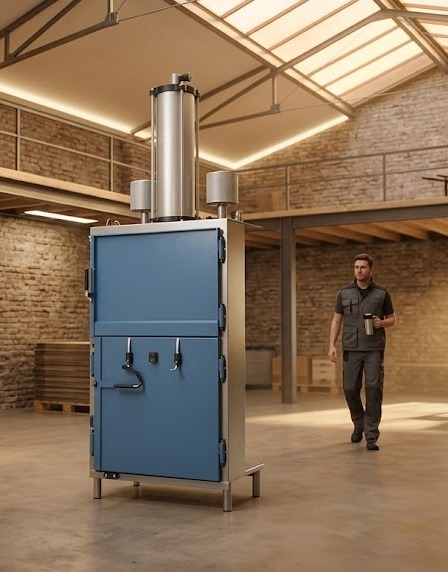
Vertical waste balers compress the material using a predominantly vertical movement and are often used in shops, supermarkets and warehouses with discontinuous flows. The horizontal balers use a long-length configuration and can accommodate larger quantities and more continuous loading processes.
| Feature |
Vertical baler |
Horizontal baler |
| Typical use |
Small or intermediate flows |
High or continuous flows |
| Space requirement |
Generally smaller on the ground |
Greater length |
| Loading |
Often manual and discontinuous |
Also automated |
| Bales |
Variable dimensions and weights |
Also large bales |
| Context |
Shops and warehouses |
Logistics and industry |
The table describes common configurations, not guaranteed performances: capacity, duty cycle, dimensions and weight of the bales must be verified in the technical data sheet of each model.
When to choose a small waste baler?
A A small waste baler may be suitable for operations with limited space and moderate quantities of cardboard or packaging. Before purchasing, it is necessary to check the actual footprint, including the space required to open the doors, load materials, remove bales and carry out maintenance. A compact machine is not necessarily suitable for all materials or for continuous use.
What waste can be compacted?
The most common applications are paper, cardboard, plastic film and dry packaging , as long as they are compatible with the machine. A cardboard baler can facilitate the management of boxes from shops and warehouses, while some configurations also allow the baling of specific plastics. Wet materials, hazardous waste, pressurized containers, and waste not authorized by the manufacturer must not be fed into the machine.
Operating capacity and pressing force
To size a baler, you need to know the quantity of material produced each day or week, its composition, and the loading frequency. The pressing force , normally expressed in kN or ton-force, indicates the system's ability to exert pressure, but does not coincide with the quantity of waste that can be processed in an hour.
It is also important to compare cycle time, chamber dimensions, loading opening, indicative weight of the bales, and declared productivity. The latter depends on the material and operating conditions: values referring to different machines are not always directly comparable.
Dimensions, feeding and handling of bales
The installation must take into account the available surface area, height of the room, required power supply and accessibility of the machine. It is also necessary to provide spaces for loading and extracting the compacted material. The weight of the bales must be compatible with the available handling means, avoiding inadequate manual operations.
How is the pressed waste tied?
Balers that produce bales can use straps, wires or other binding systems provided by the manufacturer. The binding serves to keep the material compact after expulsion. The system varies according to the machine, type of waste and size of the bale: it is therefore important to check the consumables, operating procedure and compatibility with subsequent collection.
Safety and compliance of balers
Waste balers are machines that present risks related to the compression components, loading and ejection of bales. For machines placed on the market under the current European regulatory framework, it is necessary to check the CE marking, the EC declaration of conformity and the instructions required by Directive 2006/42/EC, together with any other applicable provisions.
It is essential to check guards, interlocks, emergency stops and procedures for clearing jams. Operators must receive adequate information and training and use the machine in accordance with the manufacturer's instructions. From 20 January 2027, Regulation (EU) 2023/1230 on machinery will become generally applicable.
Where are waste balers used?
Compactors are used in supermarkets, shops, warehouses, logistics centers, industries, and facilities with recurring quantities of packaging. In retail outlets, they can limit the accumulation of cardboard boxes, while in logistics activities they allow for better organization of temporary storage. Some accommodation facilities and agricultural companies can also use them, verifying their compatibility with the waste produced.
What advantages does waste compaction offer?
Volumetric reduction allows for better use of space and organization of materials into easier-to-manage units. It can help reduce movements and the frequency of collections, but the actual savings depend on the quantities produced, management costs, and agreements with the operators responsible for recovery. A baler does not automatically change the classification of the waste nor replace the procedures established for its disposal.
How to choose the most suitable compactor suitable?
Before purchasing, it is useful to collect some data: materials to be treated, daily quantity, packaging dimensions, available space, power supply, required productivity and bale handling methods. This information allows you to compare the characteristics of the models without choosing solely based on pressing force or price.
In the Holity catalogue you can evaluate equipment for professional waste management and compare the available specifications, identifying the solutions compatible with your operating context.
Frequently asked questions about waste balers
What is the difference between a baler and a waste compactor?
The terms can be used generically, but a baler normally produces bales of compressed material, while some compactors reduce the volume of waste inside containers without forming bales.
Which baler should I choose for cardboard?
The choice depends on the quantity, size of the boxes and frequency of delivery. For small flows, a compact vertical baler may be suitable; for high production, horizontal systems can be evaluated.
How much space is needed for a vertical baler?
It depends on the size of the model and the operating spaces required for loading, opening, extracting the bales and maintenance. It is necessary to consult the technical installation drawing.
Balers for professional waste management
Compacting balers can improve the organisation of waste when they are correctly sized and used with compatible materials. Holity catalogue offers solutions for companies, commercial activities and institutions, with equipment dedicated to waste management . The comparison between technical characteristics, dimensions and operating modes helps to select the most suitable machine. suited to the needs of the business.
 English
  Italian
 French
 German
 Spanish