The choice starts from the level of assistance and the context of use
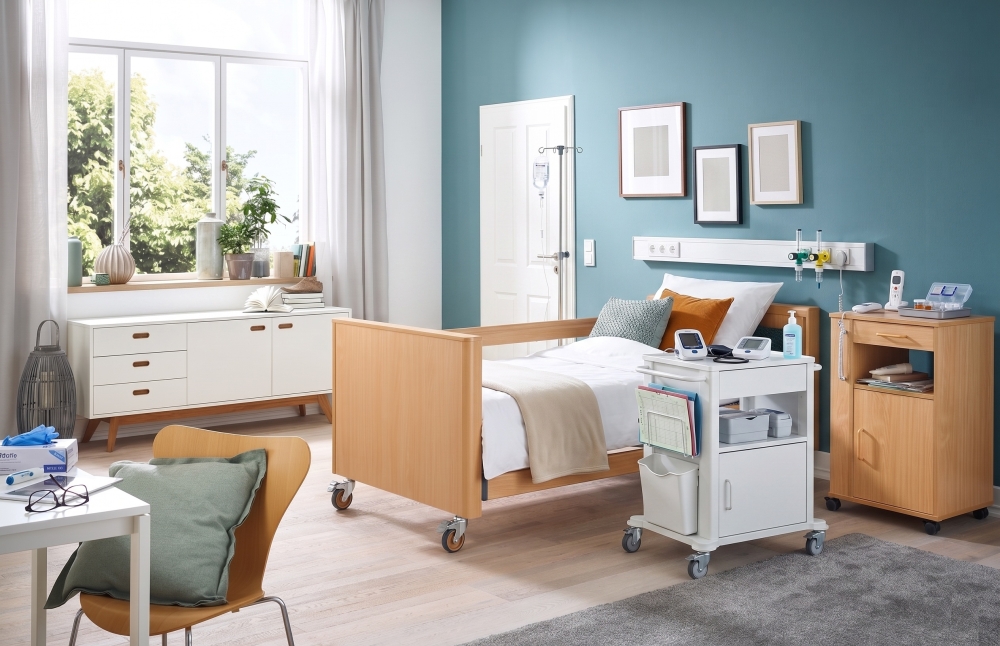
The first element to consider is the place where the bed will be used. A domestic room presents different constraints than a room in a nursing home, retirement home, or healthcare facility, especially regarding available space, frequency of movements, and organization of care. The number of people who use the bed daily can also change the priority assigned to adjustments, wheels, and accessories. The context of use must therefore be defined before comparing models..
It is equally important to distinguish the technical characteristics of the product from the specific needs of the person. An adjustable bed can offer numerous configuration possibilities, but this does not mean that all are necessary or appropriate in every situation. For health conditions, risk of falling, transfers, or individual postural needs, it is still advisable to follow the indications of the healthcare professionals involved in the care. The commercial comparison can instead focus on what the bed actually offers and its compatibility with the environment.
The height of the bed base affects daily management
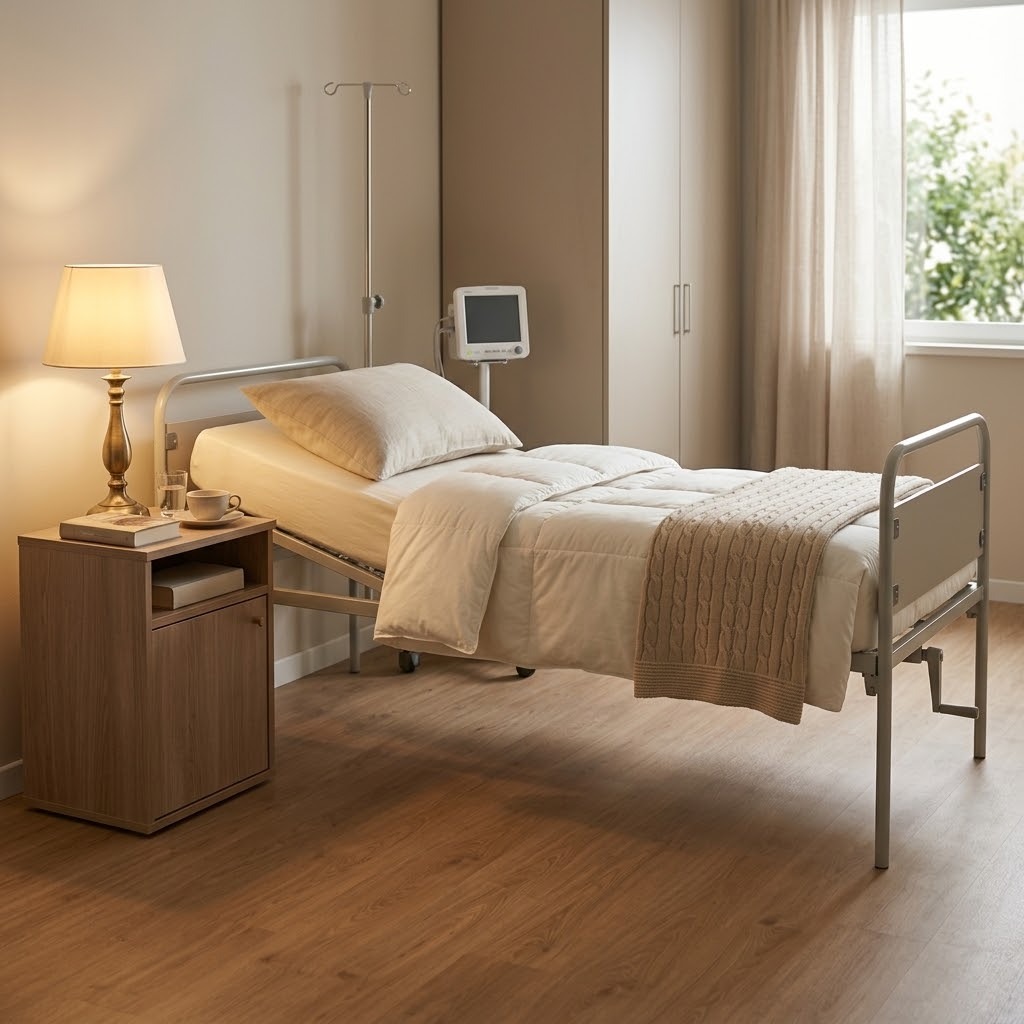
The height is one of the most relevant parameters because it determines the position of the base in relation to the floor and can influence daily activities around the bed. Some models maintain a fixed height, while others allow manual or electric vertical adjustment. In beds with variable height, it is necessary to check both the minimum and maximum declared values. This data allows you to understand the actual range available and compare it with the needs of the environment.
In the Holity catalogue, for example, there are electric beds with bases adjustable to different intervals: one model offers a variable bed base height from 40 to 80 cm, while another professional model has an even wider adjustment range. The values therefore vary significantly from one product to another and should not be generalized to the entire category. Holity, a specialist in professional supplies for assistance, nursing homes and healthcare facilities, allows you to compare configurations with different technical characteristics depending on the context of use.
Articulated backrest and legrest expand the adjustment possibilities
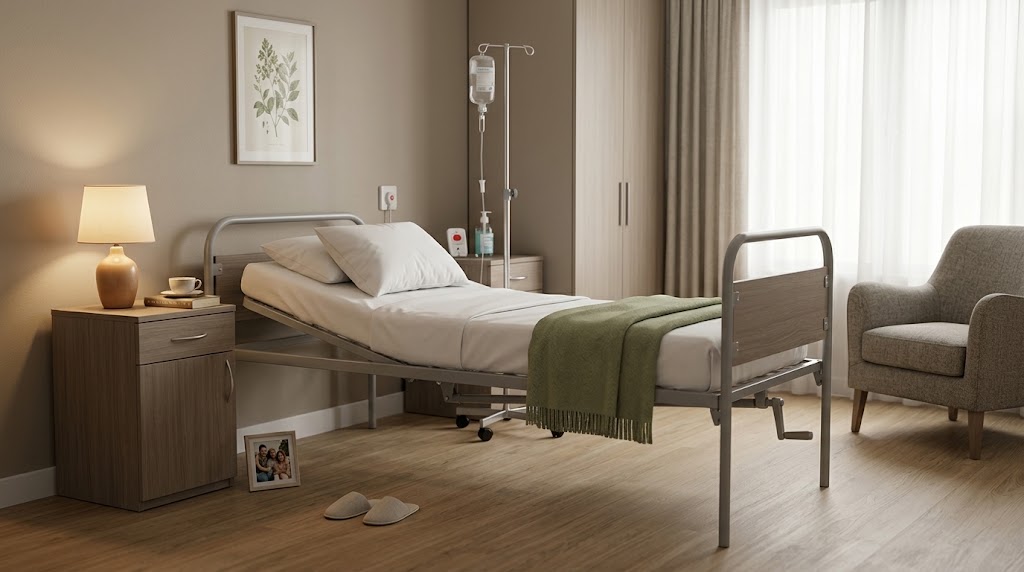
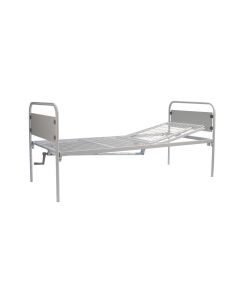
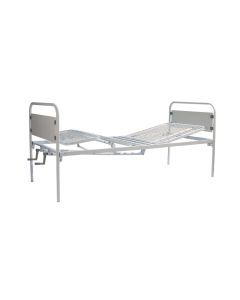
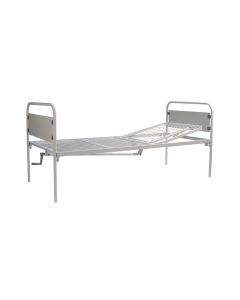
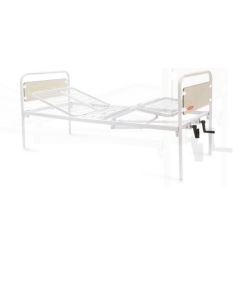
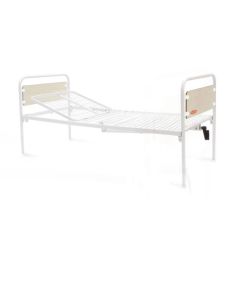
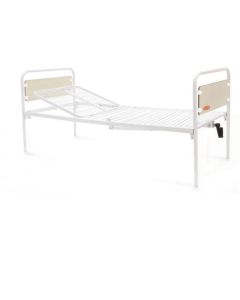
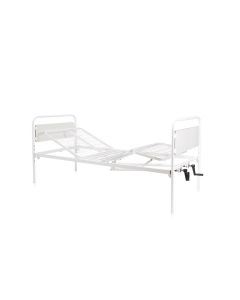
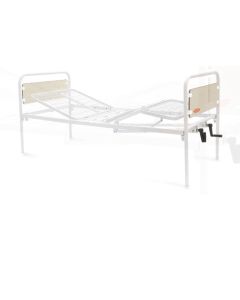
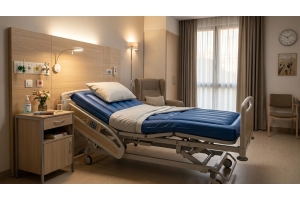
The presence of articulated sections allows you to modify the configuration of the bed base without having to intervene on the entire structure. In the simplest models, only the backrest can be adjusted, while more complete configurations also include a section dedicated to the legs or additional joints. It is important for the buyer to verify how many sections are actually mobile and which movements are independent. The expression “articulated bed” can in fact describe products with very different operational possibilities.
An electric hospital bed available on Holity, for example, has three joints and four sections, with electrically operated headrests and leg rests. Another manual model uses two independent cranks to adjust the backrest and leg rest. This comparison shows why the number of joints and the operating methods must be read together. Two apparently similar beds may require very different management methods during daily use.
Manual or electric bed: the difference is in the management method
In manual beds, adjustments are normally made using cranks or mechanical systems. This configuration may be suitable when changes in position are relatively occasional and when a simple structure is preferred. In electric models, however, a button panel allows you to control one or more sections. movements through dedicated motors. The operational benefit must be evaluated in relation to the frequency with which the bed is adjusted during the day.
Motorization does not automatically make a model better in an absolute sense. An electric bed requires power supply, motorized components and a more detailed verification of the available functions, while a manual bed may be more basic but still suitable for certain contexts. Some electric beds also allow adjustment of the overall height as well as the backrest and legs, while others have different configurations. The choice between manual and electric must therefore start from the intended use and the frequency of adjustments.
Side rails and bed configuration must be evaluated together
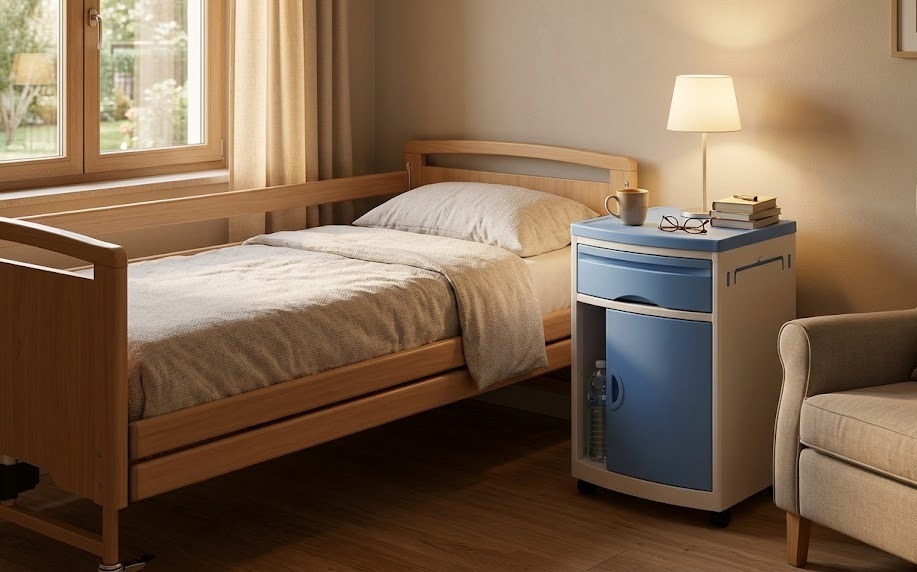
Side rails are among the most sought-after elements in beds intended for elderly people with reduced autonomy, but they cannot be evaluated as an accessory independent from the rest of the structure. Some models include them, others provide them as a separate accessory, while opening systems and methods can vary significantly. It is therefore necessary to check compatibility with the frame, mattress and bed movements. The height of the side rails with respect to the surface of the mattress must also be considered on the actual model.
Individual needs related to the use of side rails also require an appropriate healthcare assessment, because the presence of a lateral element does not automatically equate to greater safety in every situation. From a purchasing point of view, it is instead possible to check the fastening system, material, length, opening and adjustment methods. Holity offers both beds with integrated side rails and dedicated side rails for hospital beds. Compatibility and declared intended use therefore remain the main technical criteria.
Wheels and braking systems facilitate movement
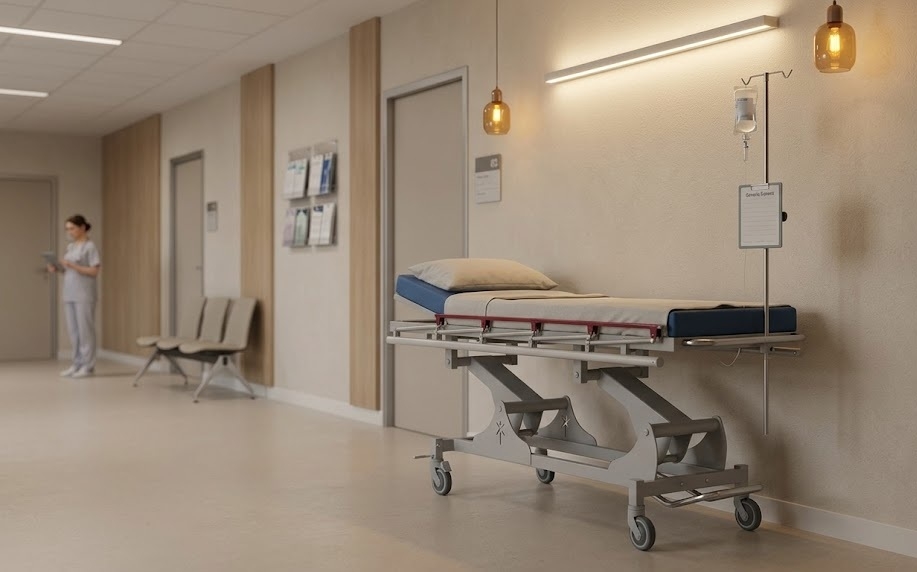
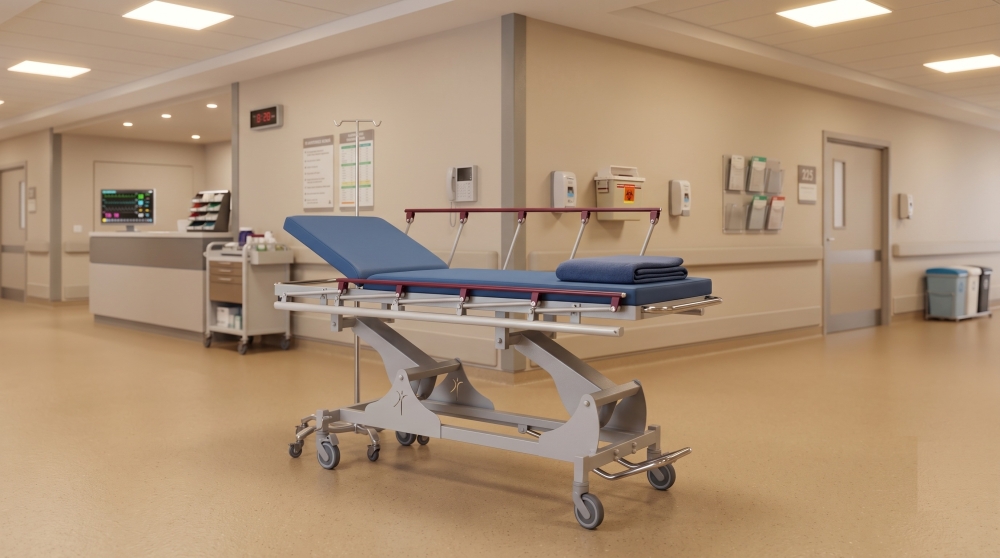
Wheels become important when the bed needs to be moved within the room or transferred for organizational needs. Not all hospital beds are equipped with them and, when present, it is necessary to check the diameter, number and locking system. A mobile structure must in fact be able to be moved when necessary and stabilized during use. This aspect is particularly relevant for nursing homes, retirement homes and contexts in which operations around the bed are frequent.
Some Holity models use four swivel wheels with individual brakes, while more structured beds may include centralized braking systems. Here too, there is no single configuration valid for the entire category. Wheels, base and overall weight must be evaluated as a single system, especially when the bed is moved with the person being cared for or with other accessories installed. The manufacturer's instructions remain the reference for movement methods and limits.
Dimensions and load capacity must be verified before purchase
The size of the bed affects both the comfort and the ease with which it is moved. of the station and on the possibility of inserting it into the intended environment. It is important to distinguish the dimensions of the mattress platform from the external dimensions, because the headboard, footboard, side rails and structure can increase the overall size. In home care, it is also useful to check doors, corridors and available space around the bed. In a professional facility, however, the same data can affect the arrangement of multiple stations in the room.
The load capacity must also be read carefully. The technical data sheets can distinguish between the maximum user weight and the safe working load, which also includes other elements weighing on the structure. A Holity model, for example, declares a maximum patient weight of 135 kg and a safe working load of 170 kg, while other products have higher values. Dimensions and load capacity are model-specific data and should not be deduced from the name "bed for the elderly" alone..
Mattress and accessories complete the assisted station
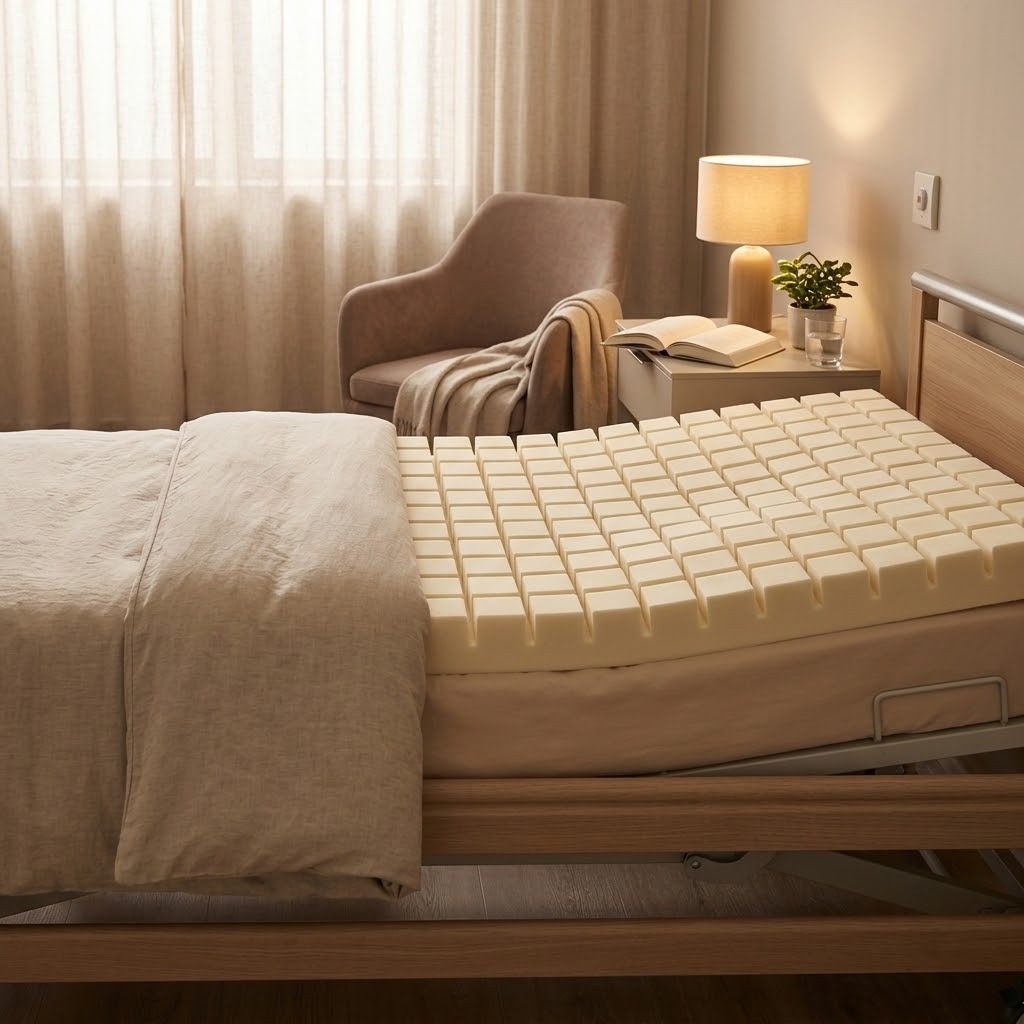
The bed represents the main structure, but the final configuration also depends on the mattress and accessories used. It is necessary to check that the length, width and characteristics of the mattress are compatible with the bed base and any side rails. This aspect is particularly important in articulated beds, where the surface must follow the movements foreseen by the product. The choice of specific surfaces for clinical needs must instead be entrusted to a professional evaluation.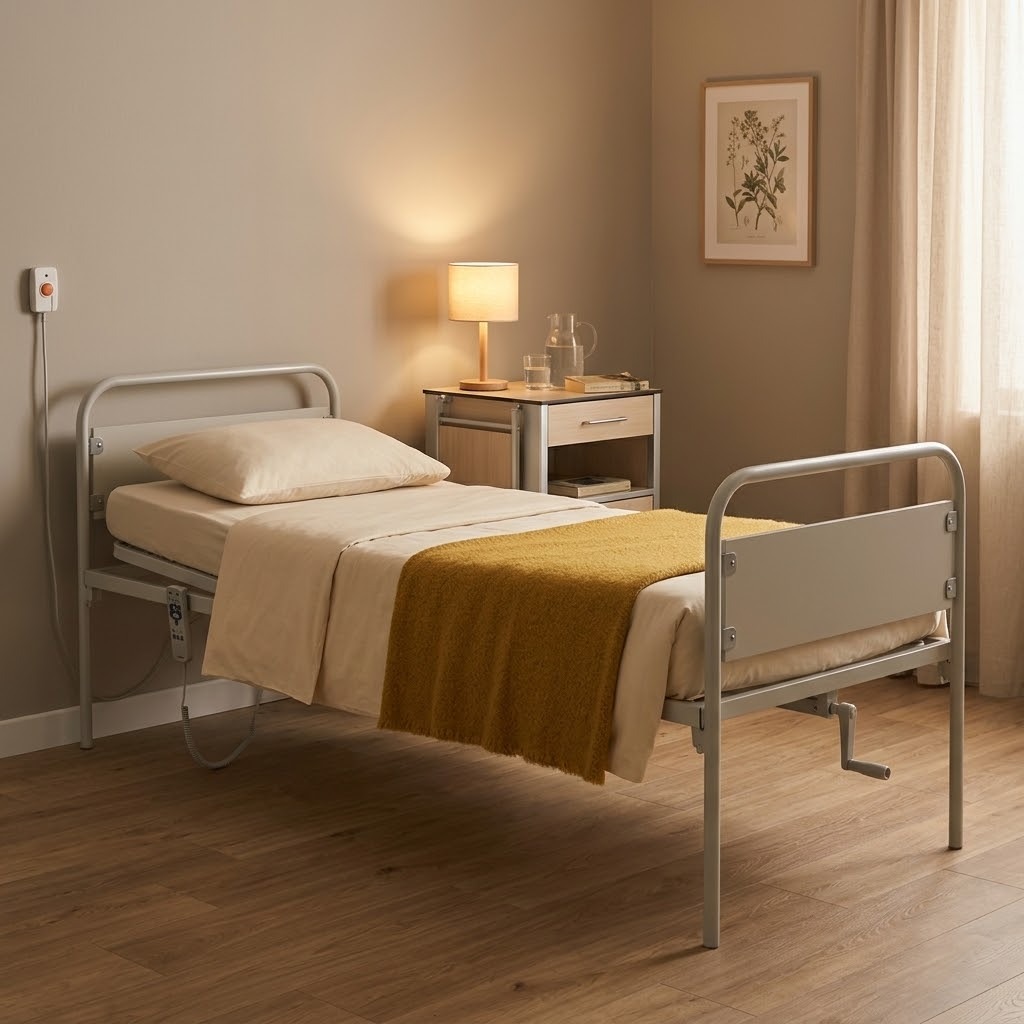
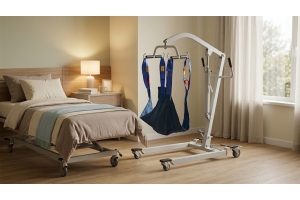
Overbed tables, IV poles, patient lifting supports and other accessories can be added to the station, as long as they are compatible with the model used. Holity offers, for example, adjustable tables on wheels and patient lifting supports with independent bases to complete the set-up of the hospital area. Holity, leader in professional supplies for healthcare and assistance environments, thus allows you to evaluate the bed together with the elements necessary for daily management. Even in this case, dimensions, load capacities and fixing methods must be checked on the individual technical data sheets.
Documentation and intended use help to compare models
When a bed is placed on the market as a medical device, its evaluation must start from the intended use declared by the manufacturer and the related documentation. European Regulation 2017/745 defines the intended use on the basis of the information provided by the manufacturer on the label, instructions and commercial materials. For this reason, it is not correct to automatically attribute to each adjustable bed the same classification or the same characteristics as a medical bed. The product documentation must accompany the commercial comparison.
The technical references must also be read in their updated version. From 5 May 2026, the previous IEC 60601-2-52:2009 is has been replaced by IEC 80601-2-52:2026, dedicated to the basic safety and essential performance of medical beds for adults, including electric and manual models in its scope of application. The presence or applicability of a specific standard must in any case be verified on the documentation of the individual product and in the relative regulatory context. It is therefore not appropriate to deduce conformity solely from the commercial belonging to the "hospital bed" category.
The most suitable model arises from a comparison between functions and context
The final comparison should start from a few concrete data: installation environment, available dimensions, frequency of adjustments, need for movement and required accessories. It is subsequently possible to verify the height of the shelf, number of joints, manual or electric operation, presence of wheels and characteristics of the side rails. This method allows you to quickly eliminate models that are not consistent with the project. Price thus becomes a parameter to be evaluated between truly comparable products.
Holity, a specialist in the supply of hospital beds for RSA, healthcare facilities and home care, offers manual and electric configurations with different adjustments, load capacities and features. The choice of beds for the elderly who are not self-sufficient must therefore start from the documented characteristics of the model and the organizational needs of the environment. When there are specific clinical or care needs, the technical configuration must always be compared with the indications of competent professionals. In this way, the purchase can focus on a product that is truly consistent with the intended use and with the daily management of the station.
 English
  Italian
 French
 German
 Spanish