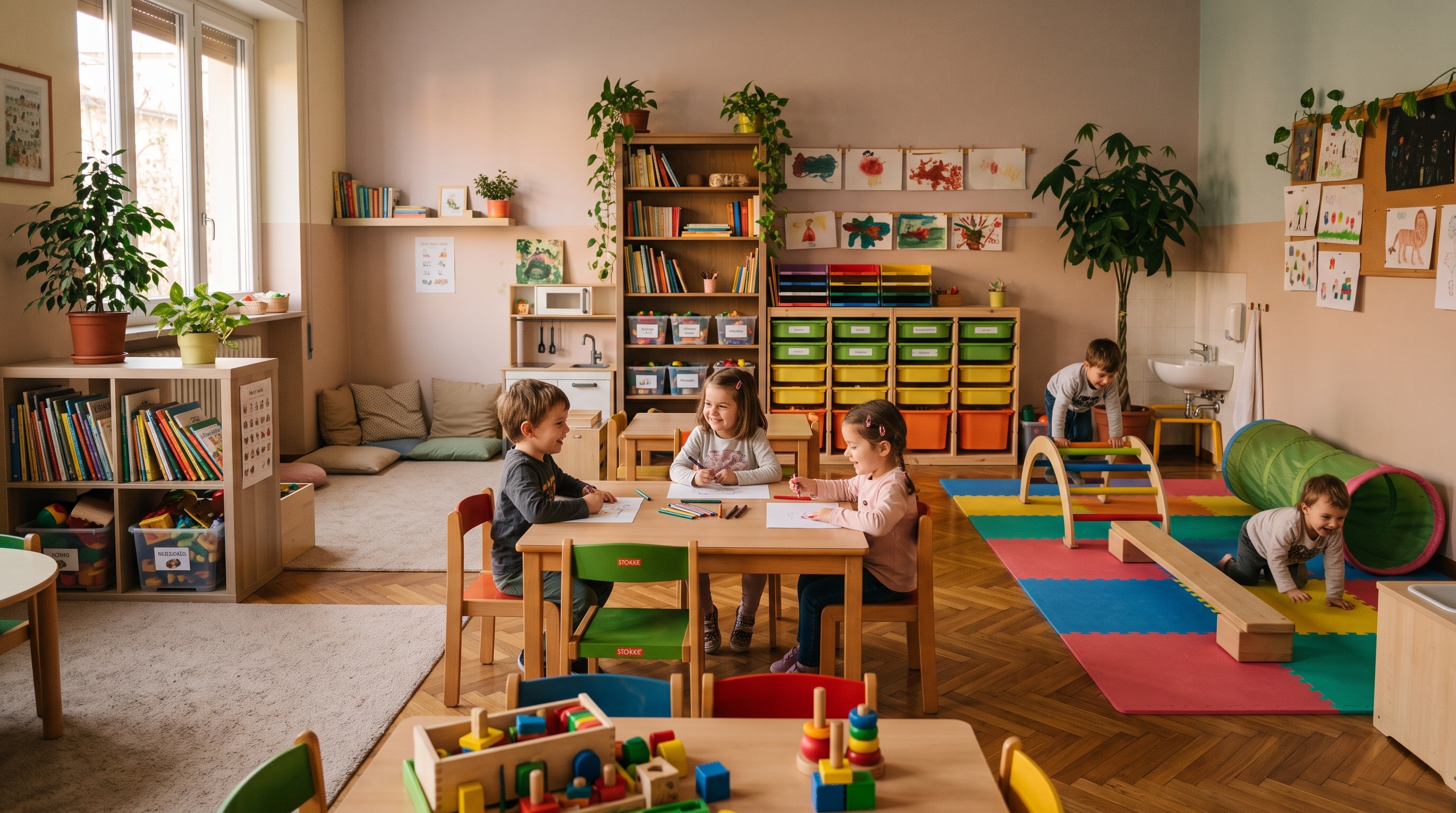
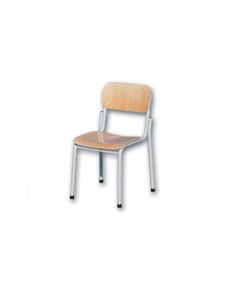
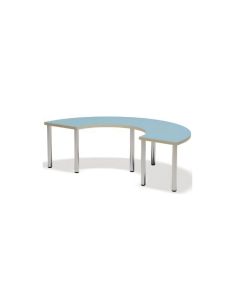
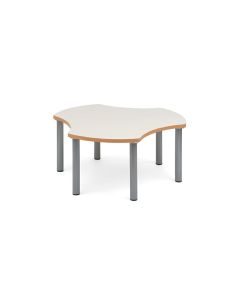
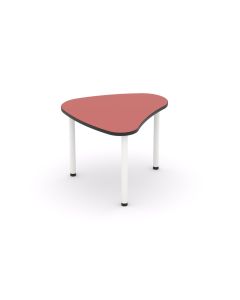
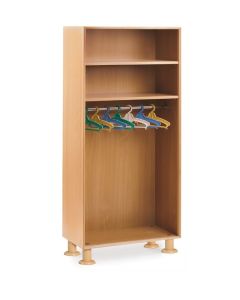
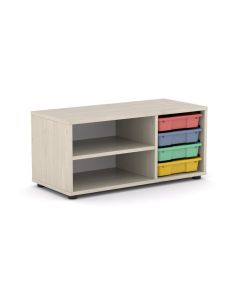
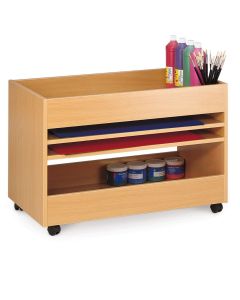
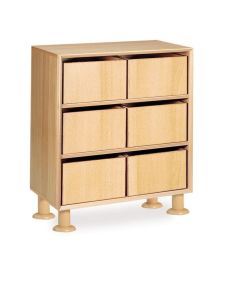
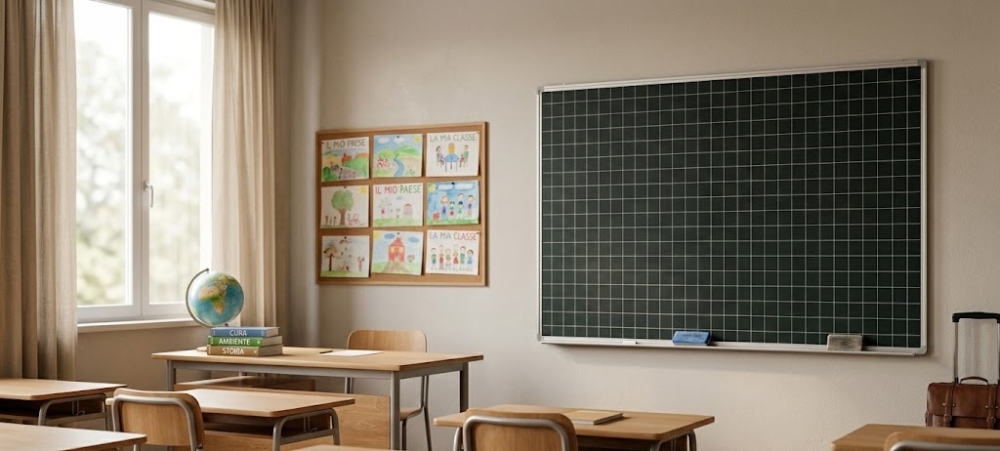
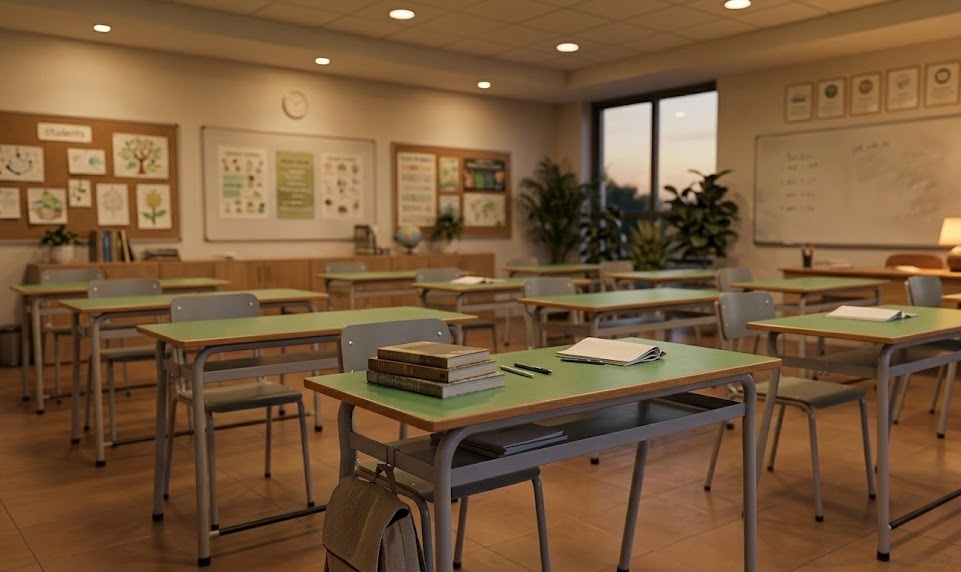
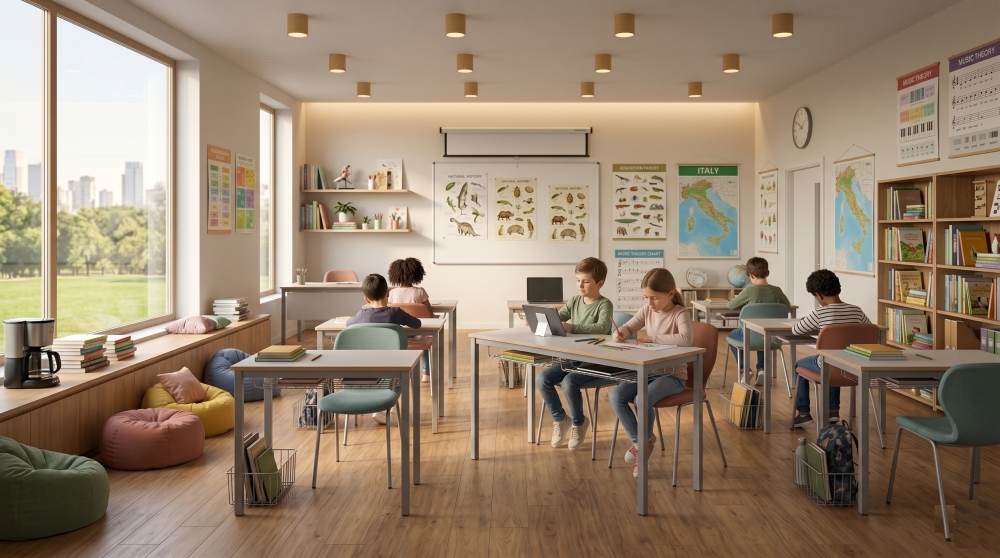
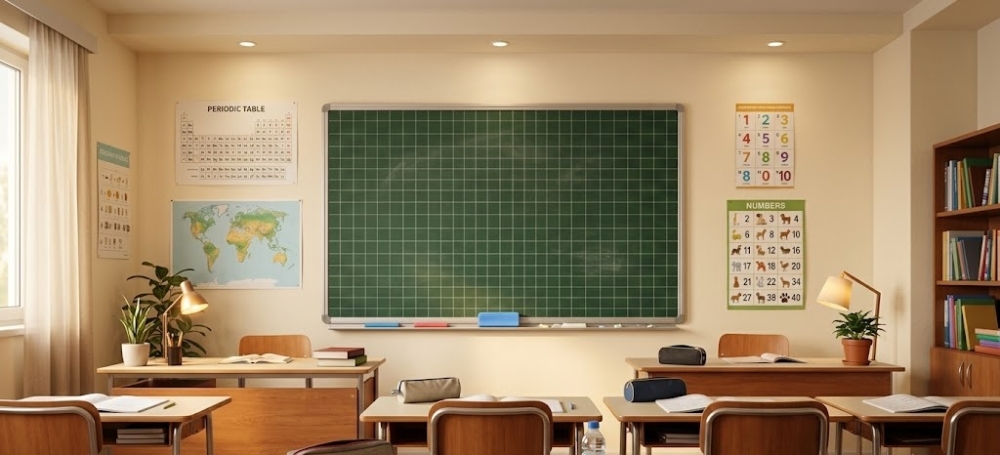
Designing nursery school furniture means organizing environments in which children, teachers, and educators must be able to carry out very different activities during the same day. Tables, seats, containers, bookcases, and wardrobes cannot be chosen as independent elements, because together they contribute to the legibility of the space. For a school principal or for those who manage a 0-6 complex, the first objective should therefore be to identify which functions must be supported and which furnishings are really necessary.
The quantity of furniture does not automatically coincide with the quality of the environment. An excessively full section can limit movement, make it more difficult to change activities, and produce a feeling of disorder. On the contrary, a few correctly sized and distributed elements can facilitate clearer management. The design should therefore consider the children's age, planned activities, autonomy, containment of materials and ease of tidying up before evaluating individual products.
Start with the activities before choosing the furnishings
Each section of the nursery school hosts different moments: table activities, free play, reading, manipulation, expressive experiences and opportunities for sharing. The first step is to understand which of these functions require a permanent station and which can be organised temporarily. This allows you to establish where tables are needed, where it is preferable to leave free space and which walls can be used for storage.
The arrangement of furniture should help children and adults intuitively understand the purpose of the different areas. A low piece of furniture can delimit an area without closing it off, while a bookcase can identify a space intended for reading. The educational function of the space also depends on its legibility. For this reason, the design is more effective when it starts from the activities and uses the furniture to support them, rather than subsequently adapting the activities to the furniture already present.
Tables and chairs: dimensions and configurations for the
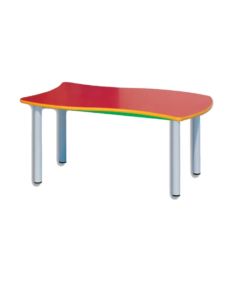
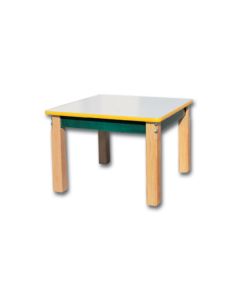
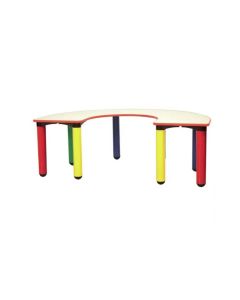
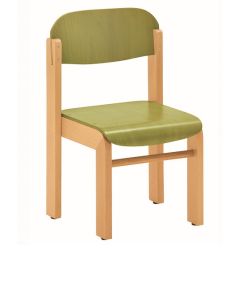
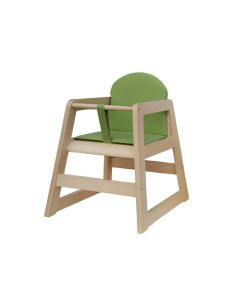
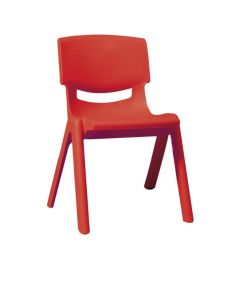
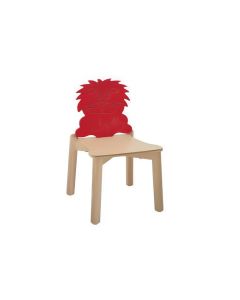
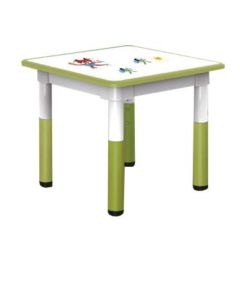
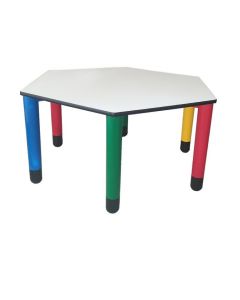
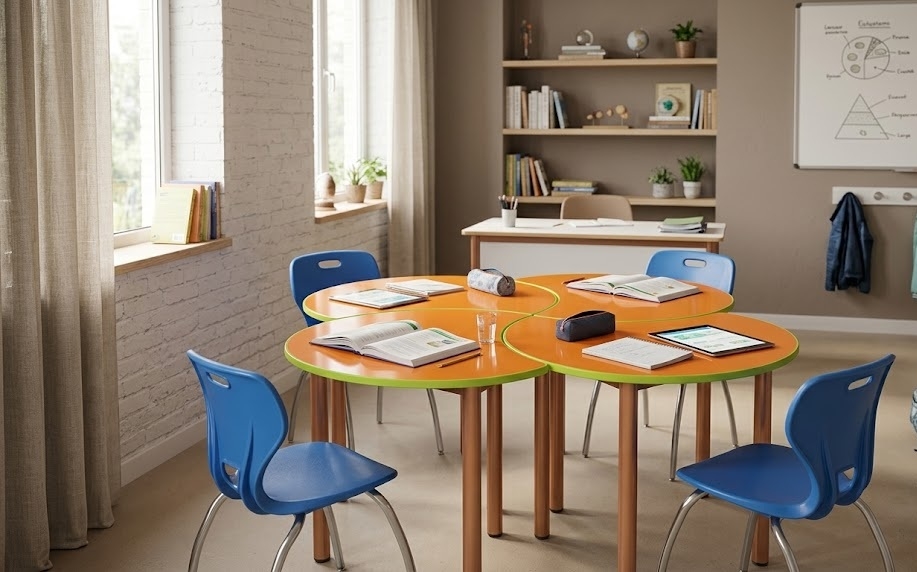
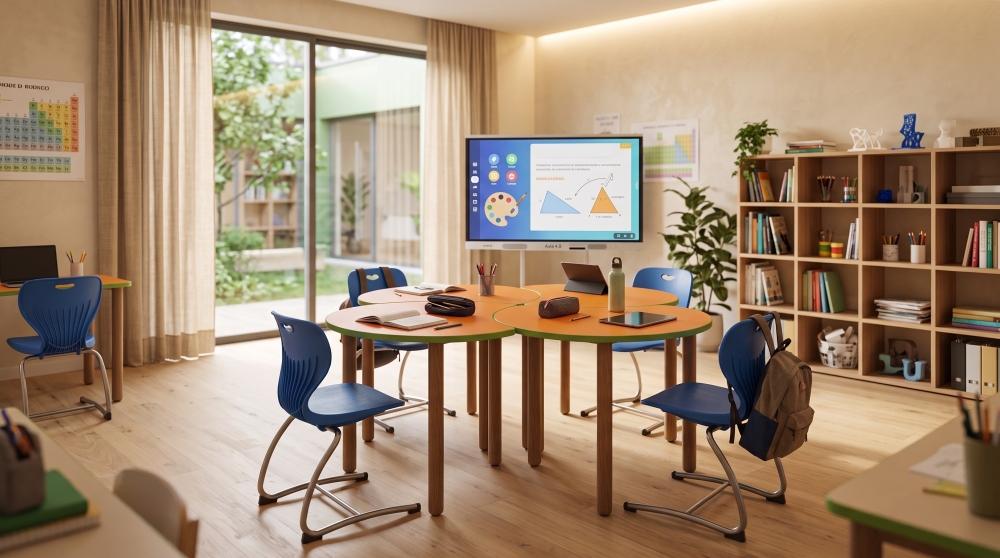
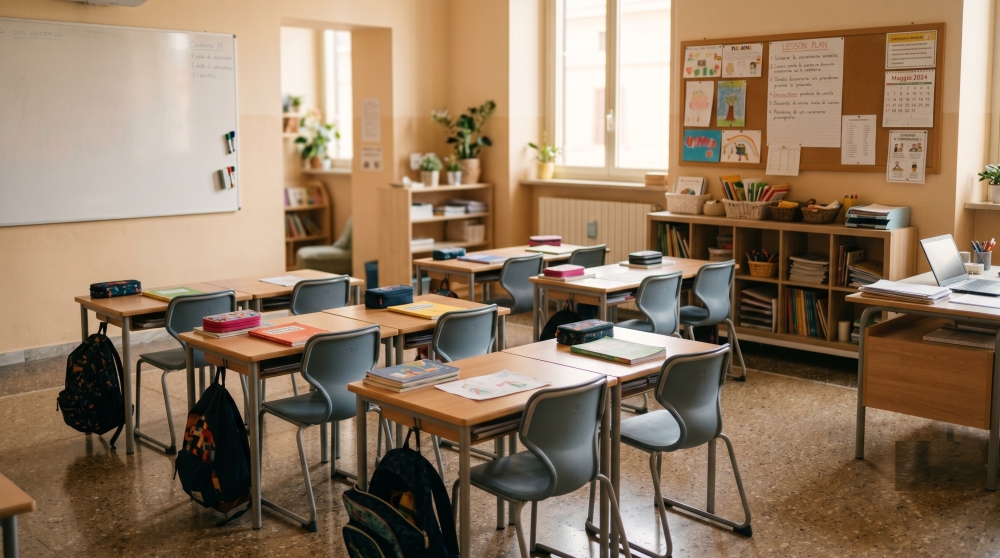
section Tables and chairs are among the most used elements and must be selected considering the age group and the type of activity planned. The height of the table, the proportions of the seat and the ease of movement affect the way children use the station. The shape of the table can also modify the organization: rectangular, square or shaped configurations allow for the creation of different groups and to adapt the space to individual or collective moments.
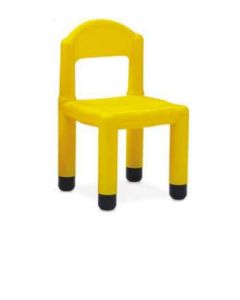
It is useful to avoid occupying the entire section with permanent stations if the activities at the table represent only a part of the day. Easily reconfigurable tables allow the space to be freed up or transformed when necessary. Seating should be sized consistently with the tables and be easy to manage when tidying up. The goal is to create child-sized stations compatible with a flexible section.
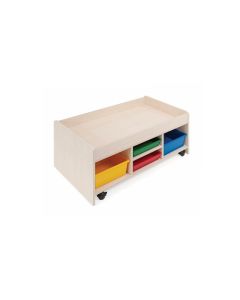
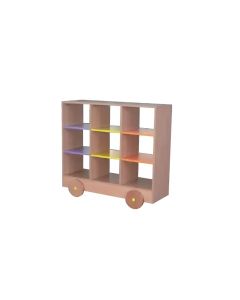
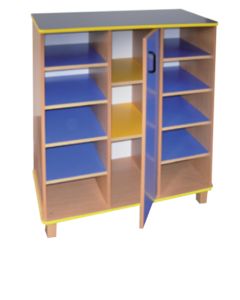
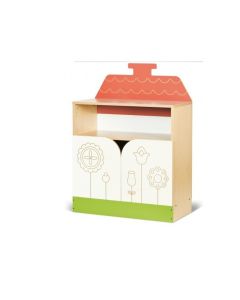
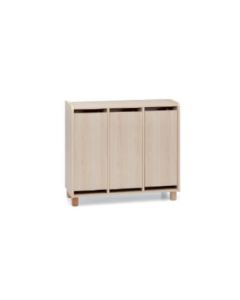
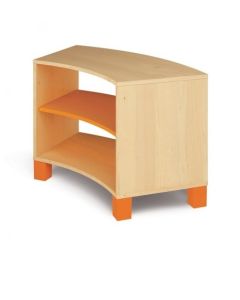
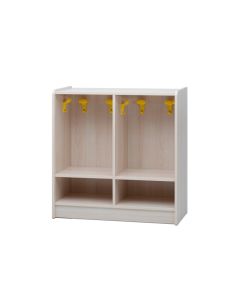
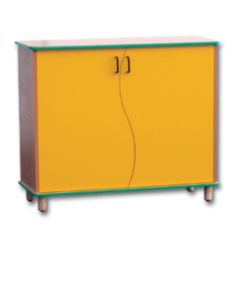
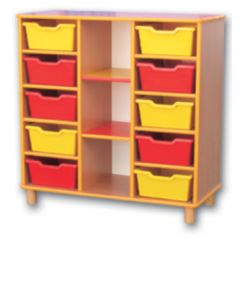
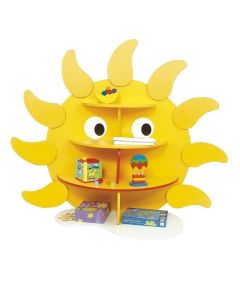
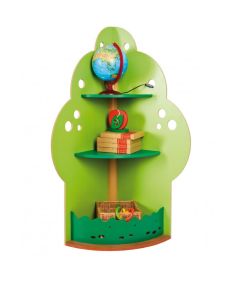
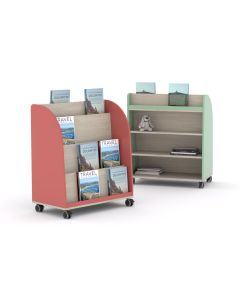
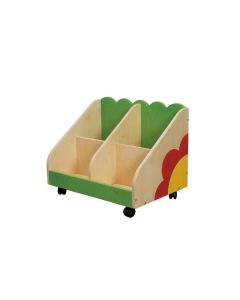
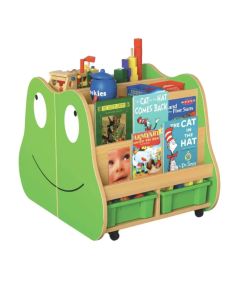
Storage units play a particularly important role in children's environments. They allow toys and materials to be placed at an accessible height, helping children recognize where objects are and where they need to be put away. Open shelves, compartments, and pull-out containers can be organized according to activity, preventing all materials from being available at the same time without a precise logic.
Accessibility must be accompanied by a comprehensible organization. Each compartment should have a clear function, and the number of materials on display should remain compatible with the capacity of the room. reorganizing the section. A low piece of furniture can also help visually separate two areas while maintaining the possibility of adult control. Holity, a specialist in professional supplies for schools and educational facilities, offers storage solutions designed to organize materials and activities in environments dedicated to children.
Bookcases and spaces dedicated to reading
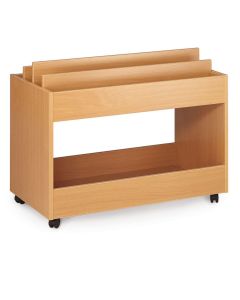
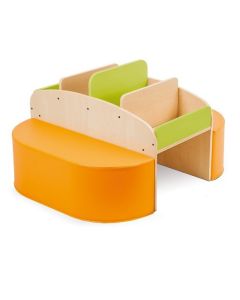
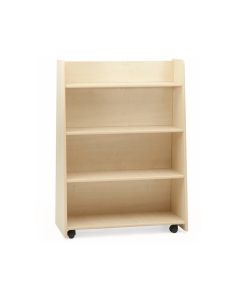
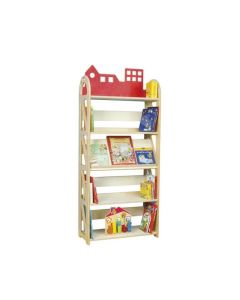
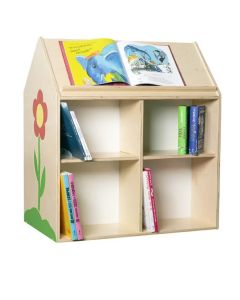
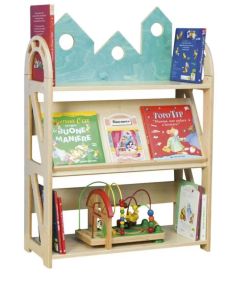
A dedicated reading area can be identified through a few well-chosen elements. A bookcase with easily visible books, some seats or soft surfaces and a relatively quiet location can make the space immediately recognizable. Also in this case, the size of the furniture should favor direct use by children, avoiding consultation always depending on the intervention of an adult.
The library does not necessarily have to contain all the volumes available in the complex. A limited and periodically renewed selection can make the offering more legible and simplify reordering. The remaining materials can be stored in a separate archive and used for rotation. This approach allows the reading area to be kept tidy and to integrate books into the daily experience of the section without transforming the environment into a storage room.
Furnishings to create recognizable areas without closing spaces
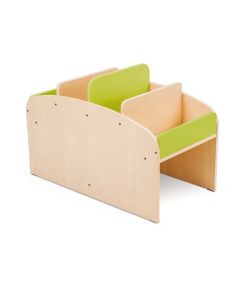
Children's environments must be able to accommodate different activities without losing continuity and visibility. For this reason, it can be useful to use low furniture, double-sided shelves and other storage elements as light separations. The objective is not Create small rooms within the section, but visually suggest the presence of areas with different functions. The child can thus more easily understand where a certain activity takes place and which materials are associated with that space.
The delimitation must, however, leave sufficiently clear paths and allow adults to maintain a good overall perception of the environment. Too many dividers or tall furniture can produce the opposite effect, excessively fragmenting the section. Low furniture and open configurations instead allow activities to be organized while maintaining greater visual continuity and the possibility of transformation.
Modularity and flexibility in 0-6 environments
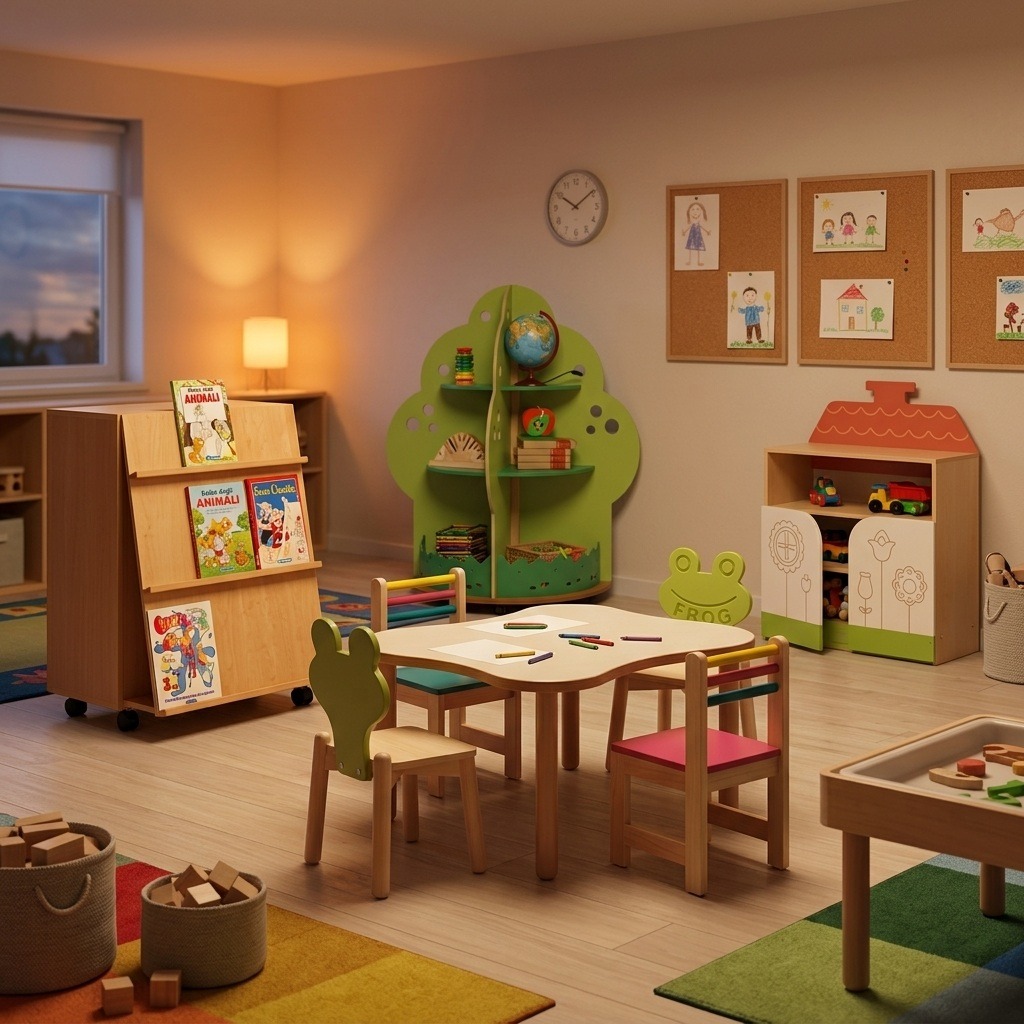 The needs of a complex can change over time in relation to the number of children, the scheduled activities and the pedagogical organization. Modular and easily reconfigurable furnishings allow you to adapt the space without having to replace the entire equipment. Combinable tables, sectional containers and furniture that can be used in multiple positions can offer greater design freedom than overly rigid compositions.
Modularity is especially useful when planned from the beginning. Purchasing individual, uncoordinated elements can make it more difficult to build subsequent configurations. It is therefore preferable to evaluate families of furnishings that are coherent in terms of size, function and finishes. In this way, any additions can be inserted without completely modifying the organisation of the section and maintaining greater continuity between the rooms of the complex.
Safety, stability and construction characteristics
In the rooms used by children, the quality The construction
of furniture takes on particular importance. Stability, structural resistance, surface finishing and configuration of edges and components must be evaluated in relation to frequent and dynamic use. It is therefore not enough to observe the external appearance of the furniture. It is necessary to consider how it will behave during movements, openings, closings and daily activities. Safety also depends on correct placement. A suitable piece of furniture may become less functional if placed in a passageway or used in a configuration other than that intended. The manager and the purchasing manager should therefore examine the product's characteristics and layout in space together. Stability, proportions and correct use must be considered as parts of the same design criterion.
Materials and surfaces for easier daily management simple
The furnishings of the nursery school are used intensively and must be compatible with normal cleaning and maintenance activities. Easily accessible surfaces and materials suitable for the intended use make daily management easier. Even tables and storage units can be subjected to contact with paints, glues, creative materials and small residues produced during activities, making the practicality of the finishes important.
The choice of materials should also consider the expected lifespan and the frequency with which the furniture is moved. A solution suitable for a fixed element may not be as effective for a table that is moved daily. Holity provides professional furnishings for schools and communities with differentiated configurations, useful for designing environments consistent with the organizational needs of childcare facilities.
How to avoid overload and visual clutter
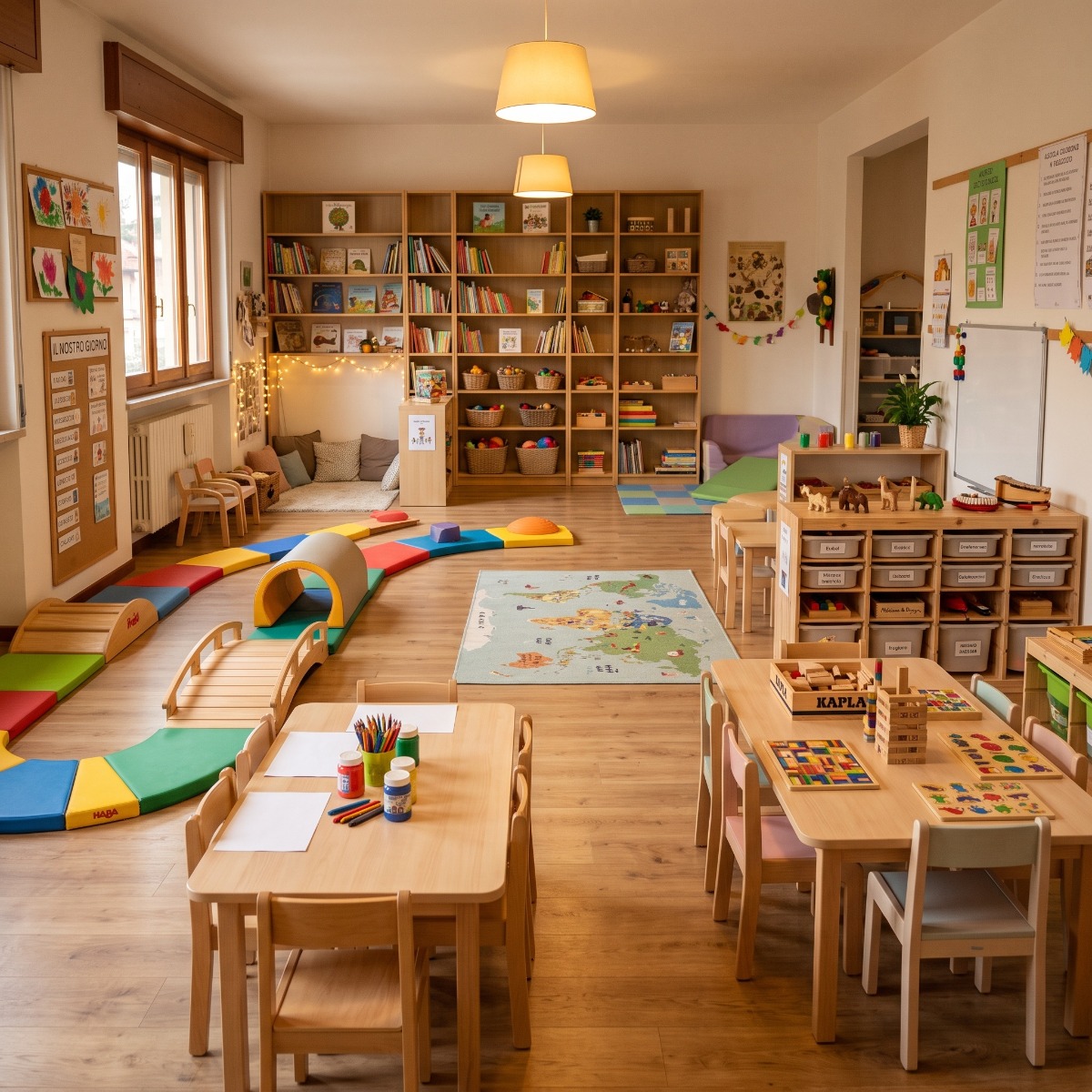 An educational environment does not necessarily have to display all the materials and furnishings available. An excessive amount of furniture, containers, objects, and colors can make it more difficult to recognize the different areas and maintain a stable order. Before adding a new element, it is therefore useful to check whether it performs a specific function and whether there is actually adequate space to use it.
The distribution of materials also contributes to visual readability. Coordinated containers, relatively free surfaces, and clearly organized areas make it easier to understand where the different activities begin and end. This criterion does not require environments devoid of stimuli, but a more conscious selection of what remains visible. Furnishings can thus support the variety of experiences without transforming the section into an overly saturated space.
Designing nursery school furniture as a system
The choice of nursery school furniture is more effective when tables, chairs, bookcases, containers and wardrobes are evaluated as components of a single system. The starting point should not be the single product, but the way in which children and adults will use the environment during the day. Dimensions, capacity, accessibility and the possibility of reconfiguration allow the different solutions to be compared with more concrete criteria.
Holity, a point of reference in professional supplies for schools and collective structures, offers solutions dedicated to the organisation of classrooms, sections and educational environments. For a school principal, designing carefully means distinguishing what is important from what is practical. It must be accessible to children from what requires adult management, leave enough space for activities, and choose furnishings that are consistent with each other. A clear and well-organized environment therefore arises from a few coordinated design decisions, not from the simple quantity of furniture present.
 English
  Italian
 French
 German
 Spanish