Requesting a supply of school furniture for an entire school is a more complex activity than purchasing individual desks or chairs. A school principal, a DSGA or an administrative manager must evaluate different environments, quantities, priorities, delivery times, available budget and consistency between the chosen furnishings. In fact, the school is not only made up of classrooms: it includes laboratories, offices, teachers' lounges, canteens, libraries, common areas and reception areas.
An orderly procedure reduces the risk of errors, incomplete purchases or supplies unsuitable for daily use. For this reason, it is useful to start with a precise mapping of needs and arrive at the request for a quote with already structured information. Holity, a specialist in professional supplies for institutions, schools, communities and public administration, operates with a extensive catalogue and a model oriented towards commercial support, estimates and professional purchasing.
 Why school supplies should be planned before purchasing
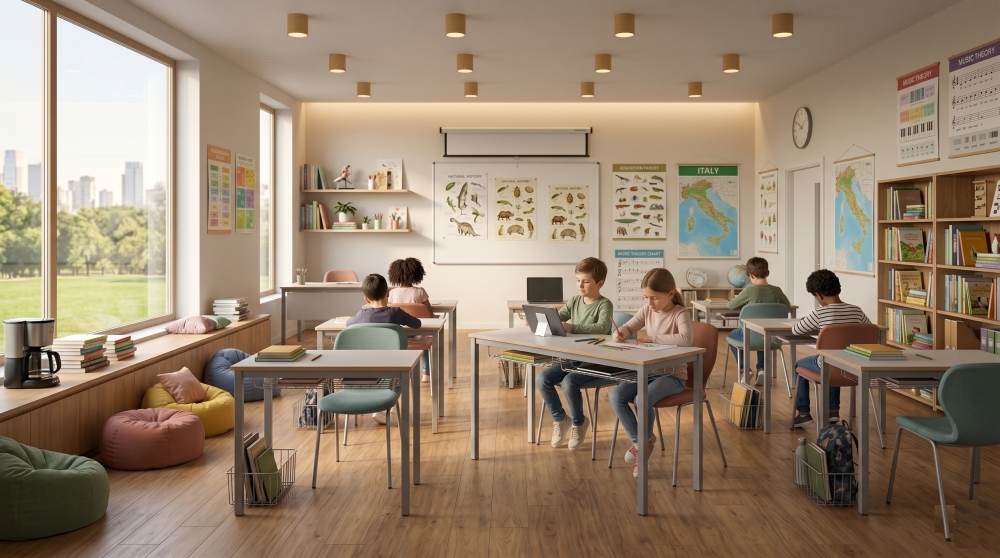
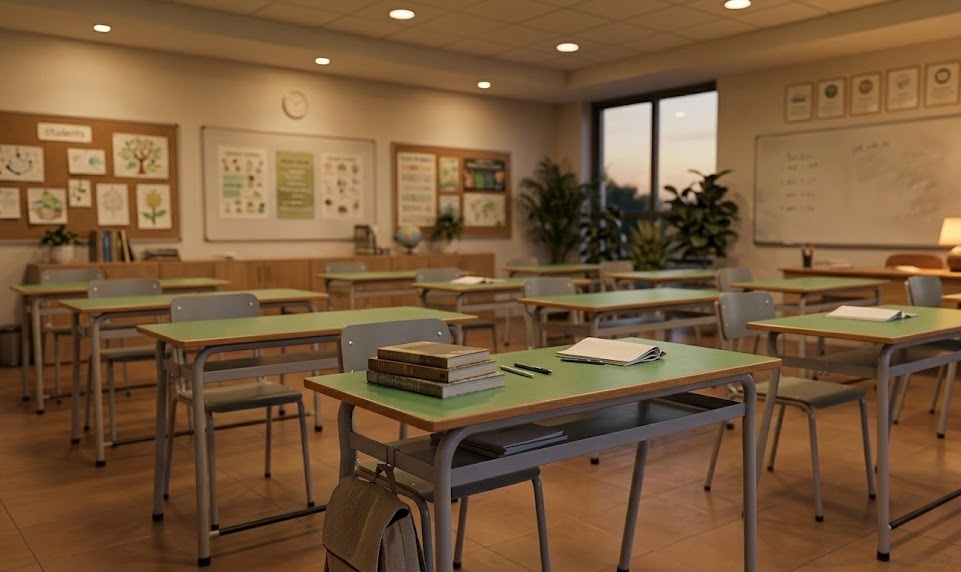
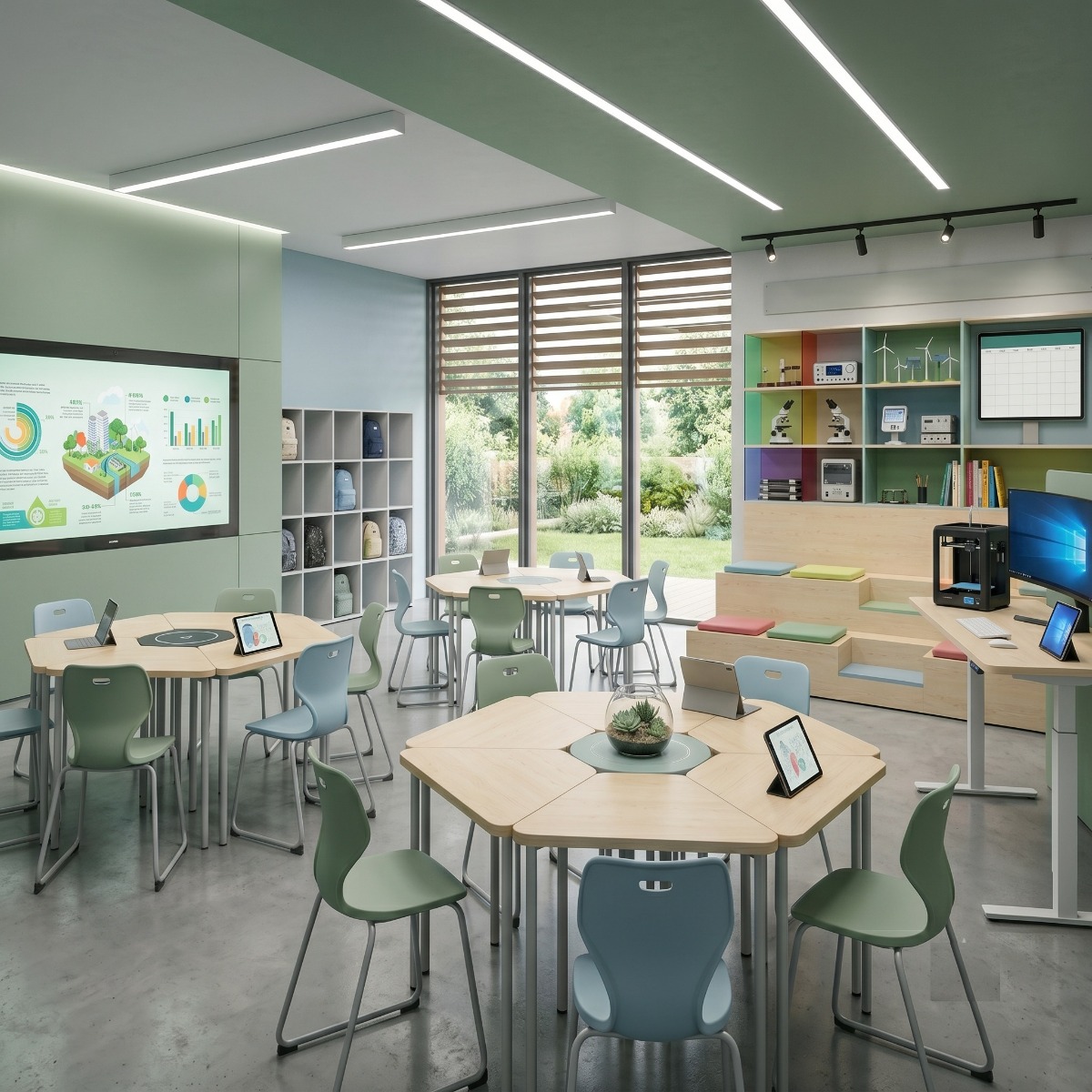
A complete school supply involves multiple levels of decision-making. It is not enough to define the number of students or the number of classrooms, because each environment has different functional needs. An ordinary classroom requires desks, chairs, a teacher's desk and containers. A laboratory may require technical stations, cabinets, stools and resistant surfaces. An administrative office needs desks, task chairs and filing cabinets. Each area must be evaluated based on actual use.
Planning also allows you to establish priorities. Some institutions need to renew worn-out furniture, others need to set up new sections, expand laboratories, or adapt shared spaces. In these cases, the budget must be distributed carefully, avoiding fragmented purchases that generate differences in quality, incompatible measures, or organizational delays. A well-designed school furniture project allows the school to purchase in a more coherent and controllable way.
Collect the institution's real needs
The first operational step consists in collecting the needs. Management can start with a census of the spaces, distinguishing classrooms, laboratories, offices, meeting rooms, canteen spaces, libraries, and common areas. For each space, it is useful to indicate the quantity, available dimensions, number of users, and condition of the furniture already present. This phase makes it easier to construct a clear request and reduces subsequent integrations.
The collection of needs must also consider the type of user. A primary school has different needs from a secondary school, a technical laboratory or an administrative office. The height of the furniture, the required resistance, the configuration of the spaces and the need for movement change. An effective supply of school furniture therefore arises from a concrete analysis of the institute, not from a generic order built only on the number of pieces.
Identify the furniture needed for each school environment
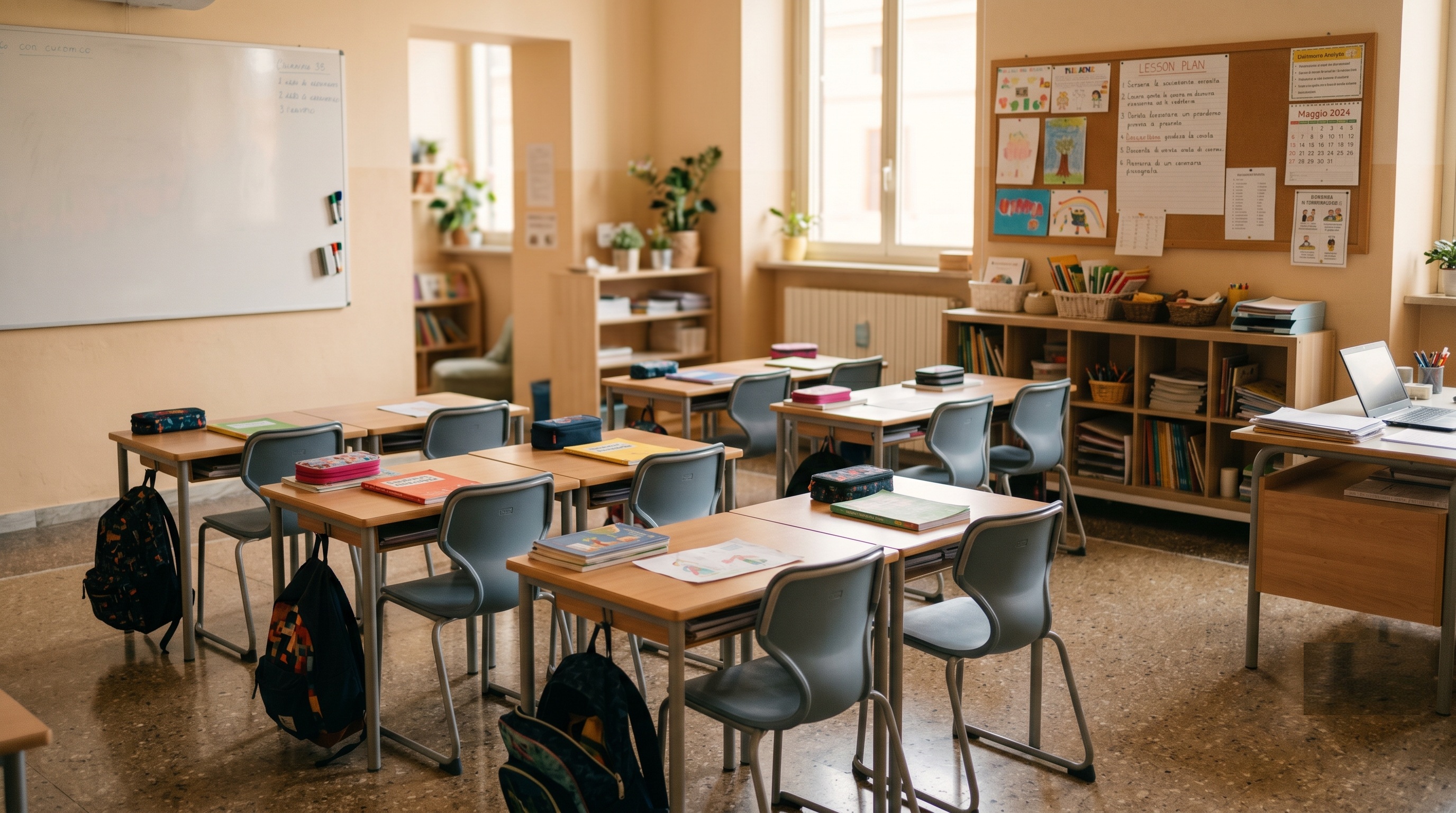
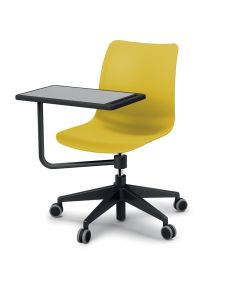
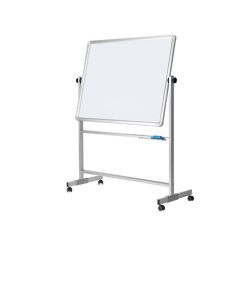
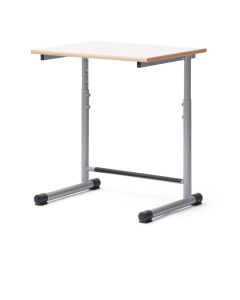
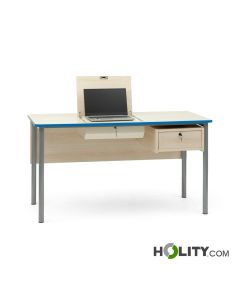
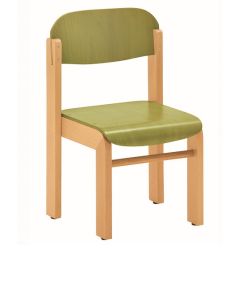
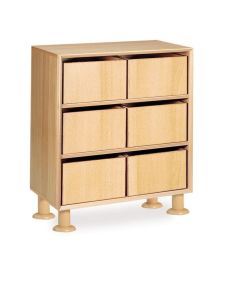
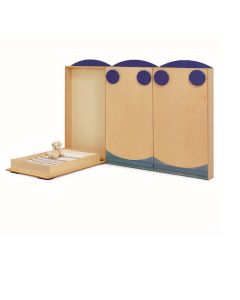
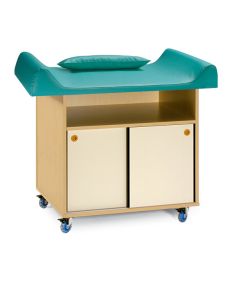
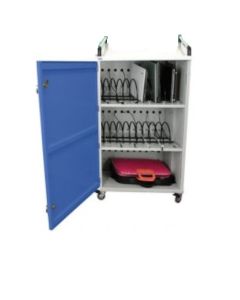
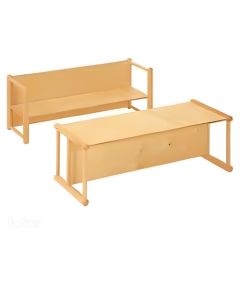
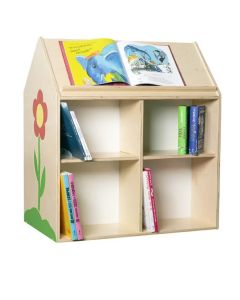
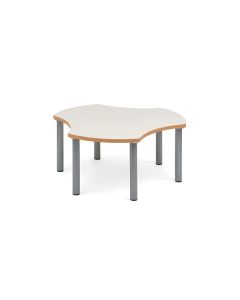
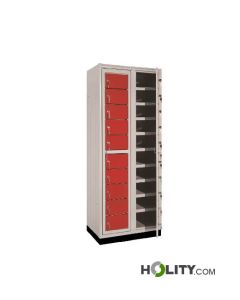
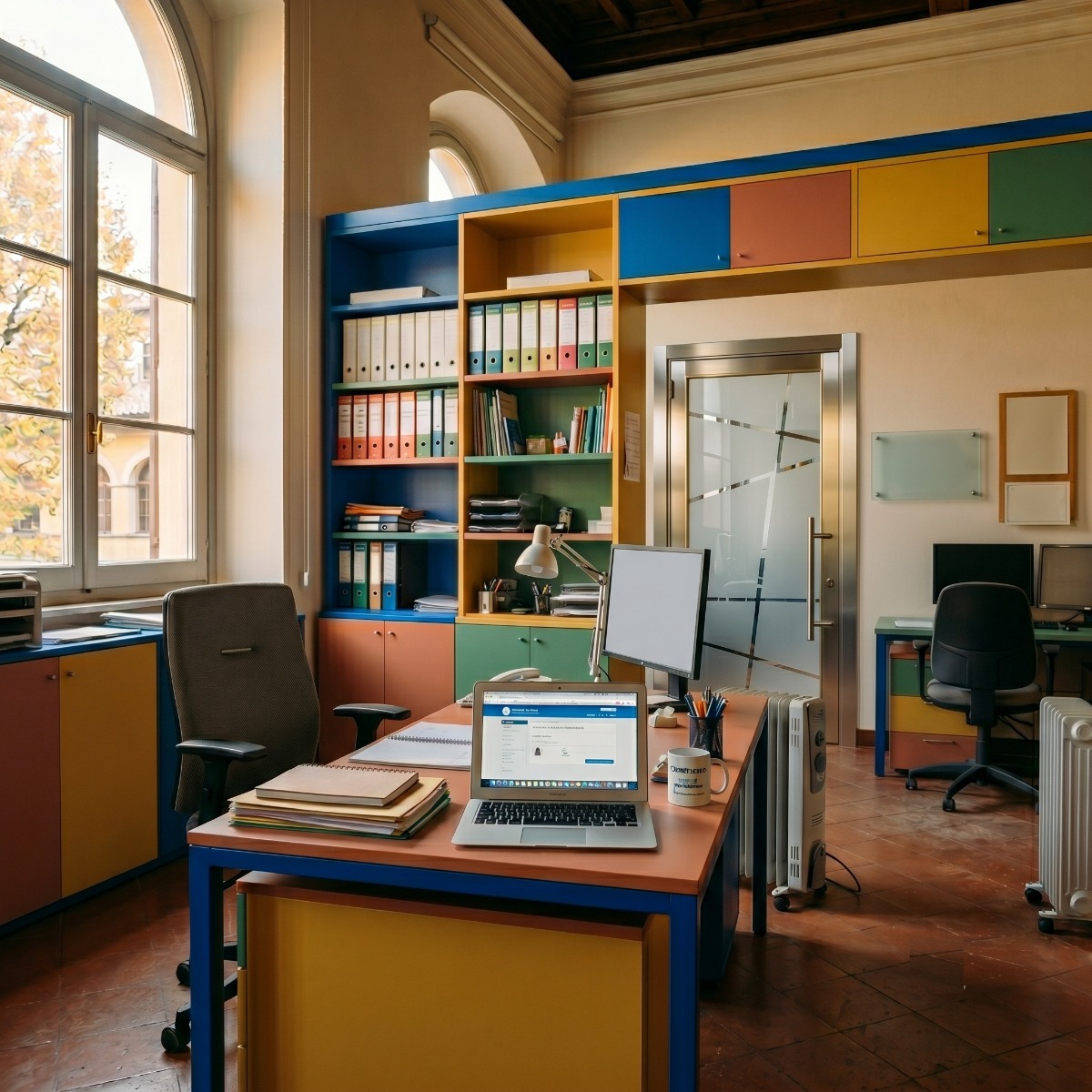
After data collection, it is possible to define the product categories. Classrooms require desks, chairs, teacher desks, blackboards, cupboards and storage solutions. Laboratories may require specific technical furniture, stools, shelving and cupboards. The administrative offices require desks, ergonomic chairs and storage furniture. Common areas, however, may require benches, sofas, tables, coat racks and containers.
The distinction by room helps to avoid overlaps and inconsistent products. A desk suitable for an ordinary classroom may not be suitable for a laboratory. A student chair does not perform the same function as an office chair. The school must therefore create a detailed request, indicating the intended use and quantity for each environment. Holity oversees the school segment within its supplies for institutions and communities, with a proposal consistent with B2B and B2G purchases.
 Evaluate the quality, safety and durability of products
The school furniture are subject to intensive use. Desks, chairs, cabinets and tables are used every day by many students, teachers and operators. For this reason, quality should not be evaluated only on the basis of the initial price. Materials, stability, ease of cleaning, resistance to wear and tear and simplicity are all important factors. Maintenance directly affects the duration of the supply and the reduction of replacement costs.
Safety is an essential criterion, especially in environments frequented by children and young people. The furnishings must be stable, suitable for the age of the users and consistent with the activities carried out. Cleaning also plays an important role, because easily sanitized surfaces simplify daily management. From a professional purchasing perspective, the real value of school furniture lies in the combination of functionality, robustness, safety and continuity of use.
Request a clear and complete quote
An effective quote request must contain precise information. It is useful to indicate the type of institution, the rooms to be furnished, the number of workstations, the desired quantities, any dimensional constraints, priorities and the type of furniture. delivery requirements and specific needs. The clearer the request, the more the supplier can propose a coherent solution, avoiding incomplete or difficult-to-compare quotes.
The quote should allow the school to easily read items, quantities, products, and operating conditions. For a complex purchase, documentary clarity is a concrete advantage, because it facilitates internal evaluations, administrative comparisons, and subsequent decisions. Holity combines the eCommerce catalog with quote services and direct support, an important element for professional buyers, organizations, and structures that manage complex purchases.
Choosing a specialized partner to simplify the process
The supply partner impacts the quality of the entire process. A specialized contact knows the needs of institutions, has a extensive catalogue and can help coordinate different categories. This aspect is important when the school needs to purchase not only desks and chairs, but also furniture for offices, laboratories, common areas, canteens and collective environments. A single reference reduces dispersion, search times and organizational complexity.
Holity, leader in professional supplies for schools, institutions and communities, is aimed at an audience made up of procurement managers, executives, administrations and organizations looking for reliability, a breadth of catalog and commercial support. The brand operates in the sector of professional equipment, furnishings and technical supplies for B2B and B2G customers, with a structure consistent with institutional and professional purchases.
A more orderly procedure for better purchasing
Requesting a complete supply of school furniture means transforming a complex need into a legible process. The school must start from the environments, gather the needs, distinguish the categories, evaluate quality and safety, then send a complete request for a quote. This method allows for reducing errors, speeding up evaluations and purchasing products more consistent with the actual use of the institution.
For school directors and administrative managers, the main advantage is simplification. A specialized partner like Holity allows you to navigate between multiple furniture categories, receive support in the selection phase and build a supply consistent with the spaces, budget and priorities of the institution. A well-planned supply of school furniture not only responds to a material need, but helps create more orderly, functional environments suited to the daily life of the school.
 English
  Italian
 French
 German
 Spanish