English
  Italian
 French
 German
 Spanish
Post Contents [hide]

mon-fri 9-13 / 14.30-18.30
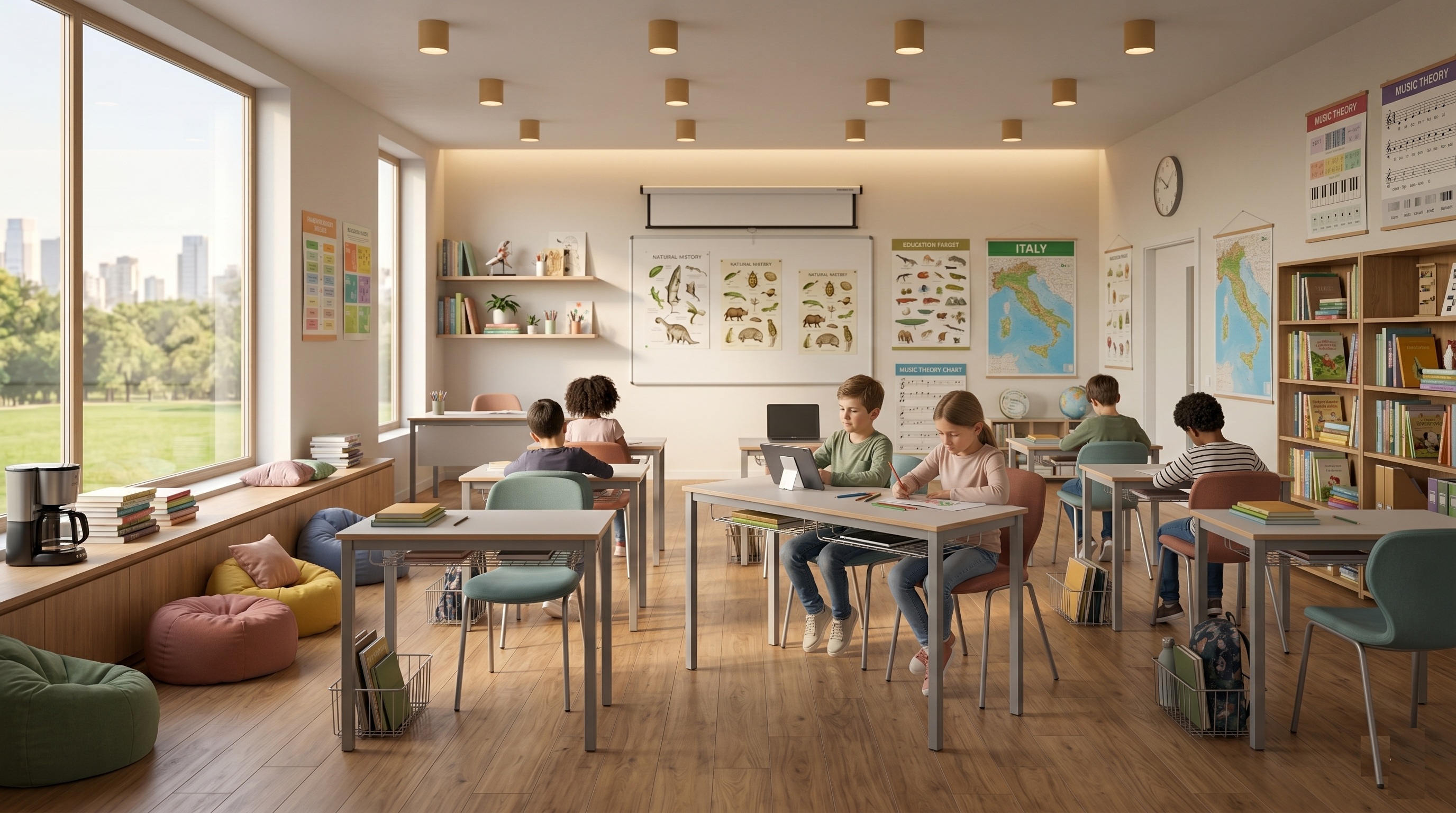
When purchasing school furniture, one of the most frequently asked questions concerns the actual cost of a desk. The answer isn't straightforward, as the market offers a variety of solutions, designed for primary and secondary schools, technical institutes, training centers, and private educational institutions.
Comprehend how much does a school desk It means evaluating not only the purchase price, but also durability, wear resistance, safety, and ease of maintenance. For school administrators, purchasing managers, and organizations, the right choice helps optimize budgets and ensure functional spaces.
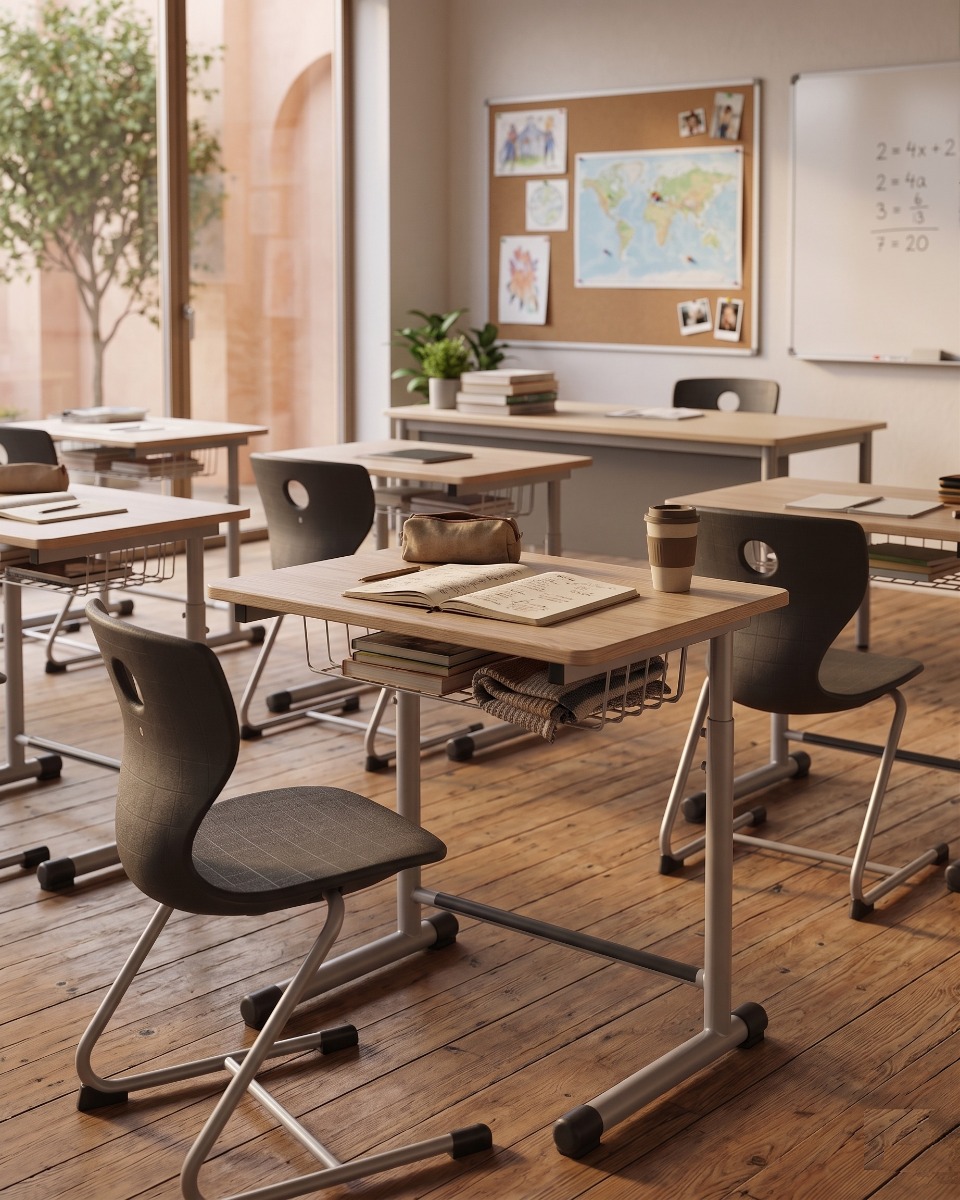 What is the average price of a school desk?
The cost of a school desk can start at around 50-70 euros for the most basic models. In the intermediate range, you can find solutions between 80 and 150 euros, often featuring sturdier structures, better materials, and greater attention to ergonomics.
For advanced, modular models, or those designed for innovative teaching methods, the price can exceed €200 per unit. The price range also depends on the order volume and supply conditions.
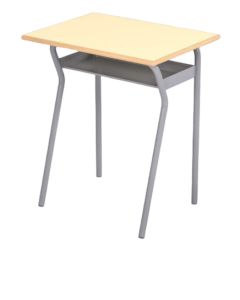
Budget desks meet the essential needs of the classroom. They use standard metal frames and sturdy, but limited customization options, making them ideal when budget is the primary consideration.
Mid- and high-end models introduce features such as ergonomic adjustments, more durable surfaces, modular systems, and designs designed to improve the organization of classroom environments.
Public schools tend to favor products that guarantee reliability, regulatory compliance, and longevity. The goal is to achieve a balance between the initial investment and the life cycle of the furniture.
Private institutions may place greater emphasis on aesthetics, educational innovation, and personalized spaces. This focus can impact the overall budget.
Not all of the school desks They have the same configuration. The design differences directly impact the final price and explain much of the market variation.
The choice must consider the students' age, teaching methods, and frequency of use. A traditional classroom desk has different needs than one designed for laboratories or collaborative spaces.
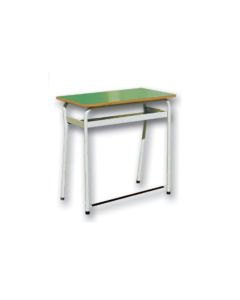
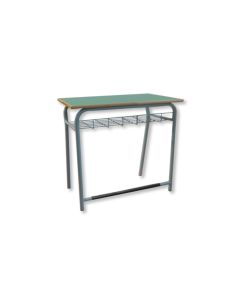
THE single-seater models They allow for greater flexibility in classroom layout and facilitate the reorganization of spaces based on teaching activities.
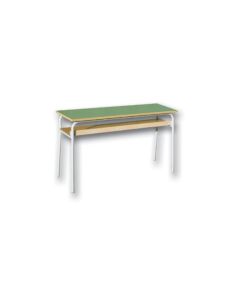
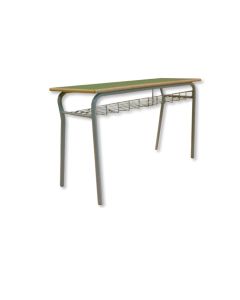
THE double benches They can be advantageous when the goal is to optimize the number of available workstations, but they require careful evaluation of the space and configuration of the environment.
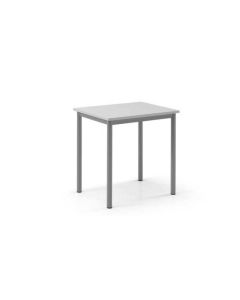
Pack of 10 pieces
€603.60 VAT excl.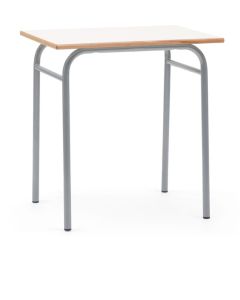
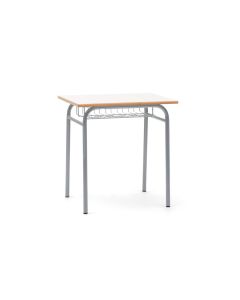
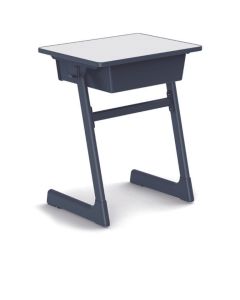
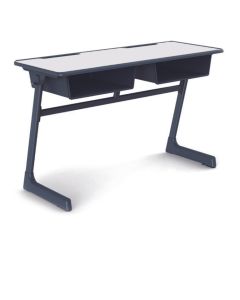
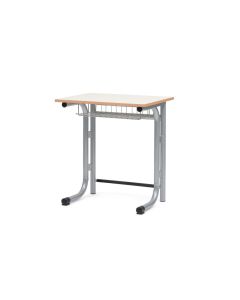
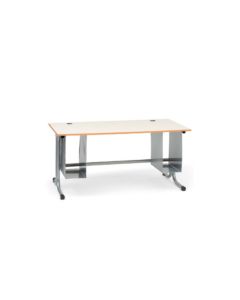
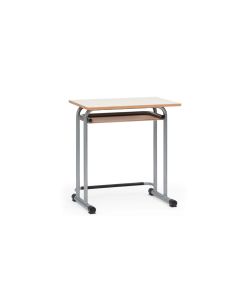
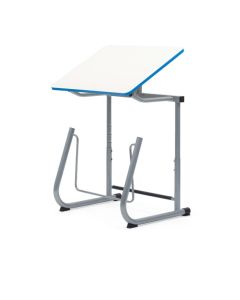
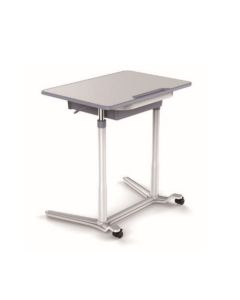
THE modular systems They are designed to adapt to dynamic teaching methodologies. Special shapes, wheels and possibility of aggregation make these products more complex from a construction point of view.
As a result, their cost tends to be higher than traditional models. However, the higher cost can be justified by their operational versatility.
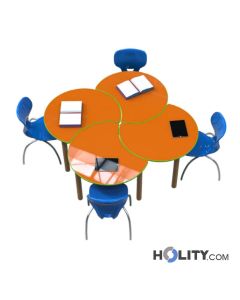
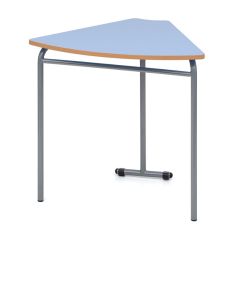

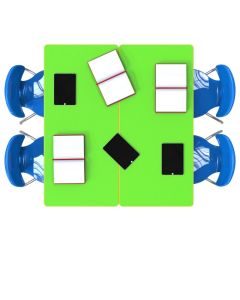
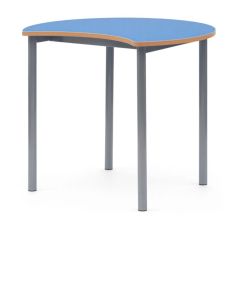
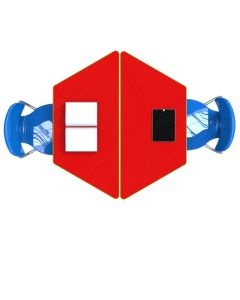
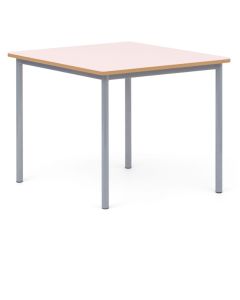
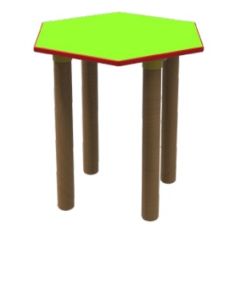
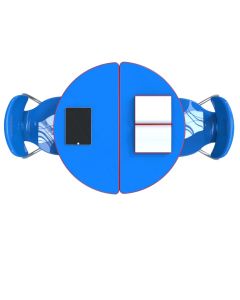
Among the most relevant factors in defining the cost we find the materials usedThe quality of the structure and surfaces influences both the initial price and the durability of the furniture.
A desk intended for intensive use must withstand impacts, abrasions, and frequent cleaning. For this reason, many institutions carefully evaluate the technical specifications before purchasing.
The metal structures Reinforced frames offer greater stability and improved durability. The thickness of the materials also contributes to the price.
THE laminate tops Highly resistant, scratch-resistant finishes and shock-resistant edges mean higher production costs, but help keep the bench in good condition for longer.
Ergonomic features are increasingly required in school environments. Height adjustments, supports for teaching materials and solutions designed for student comfort affect the overall value.
Also certifications Compliance with regulations are important factors. Products designed to specific standards require controls and manufacturing processes that can impact the final cost.
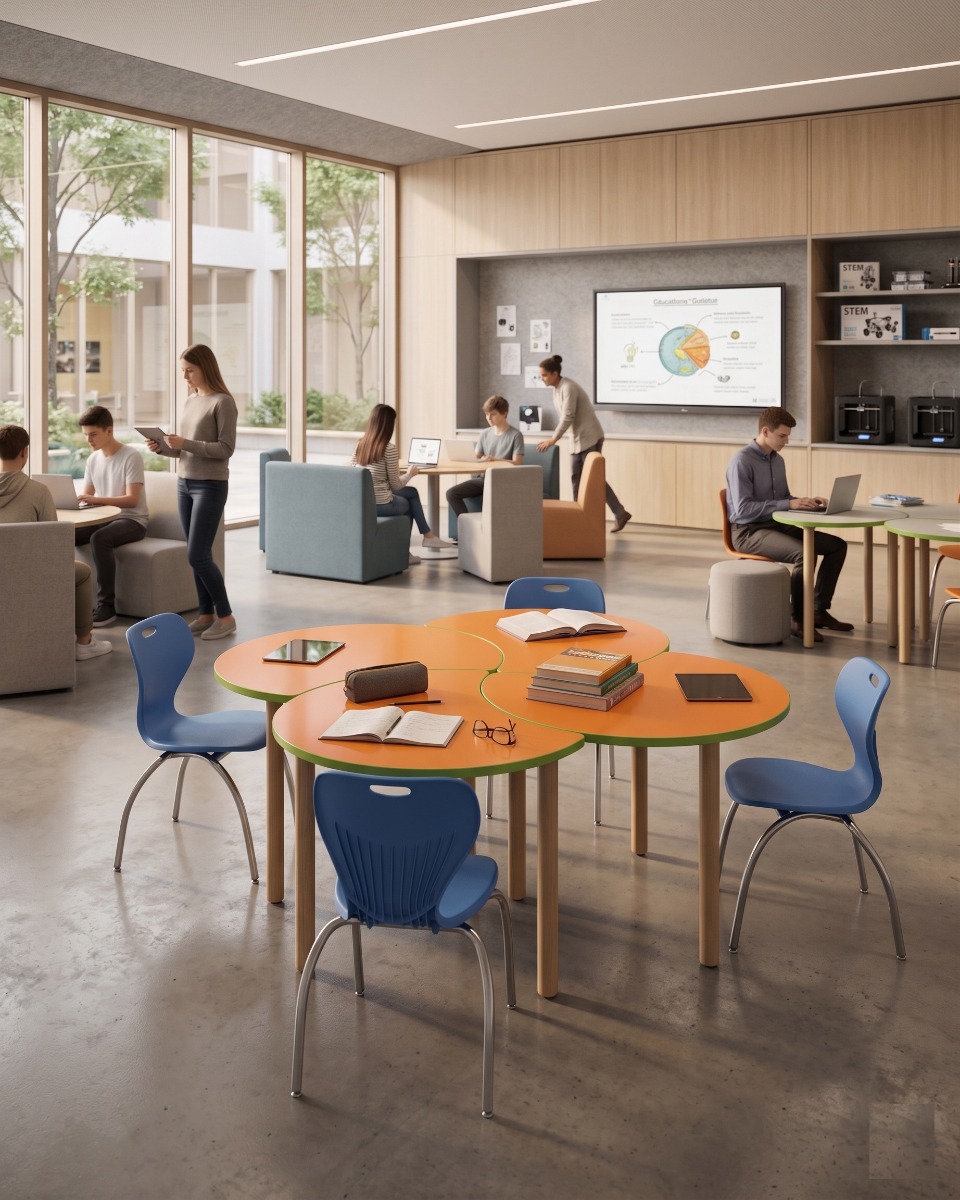 How to correctly evaluate the budget for school supplies
When planning the purchase of school furniture, it's not enough to consider the price of a single desk. You need to analyze the number of workstations needed, the features required, and any future needs.
A comprehensive assessment helps avoid inappropriate purchases and properly allocate available resources. This approach is useful for organizations and institutions managing planned investments.
Complete supplies require more detailed planning than purchasing a few items. Logistics, delivery times, and furniture consistency play a key role.
In these situations, it's helpful to compare multiple solutions and request detailed quotes to accurately understand the overall cost of the project.
Shipping, assembly, future replacements, and maintenance are all items that can impact your overall budget. A cheap product at the time of purchase could lead to higher costs in the long run.
Evaluating the life cycle of your furniture allows you to make more informed choices and reduce the frequency of replacements over the years.
The choice of the school desk It should start from the specific needs of the facility. The number of students, the type of activities offered, and the layout of the spaces directly influence the product selection.
For this reason, comparing technical features, build quality, and price remains one of the most effective tools for making a balanced and sustainable purchase.
The most useful parameter isn't necessarily the lowest price, but the ratio between initial investment and the expected product lifespan. A bench designed for intensive use can offer long-term economic benefits.
The quality of the materials and the reliability of the construction help maintain the high performance of the furniture even after years of continuous use.
For schools, institutions and communities It is often advantageous to turn to suppliers specialized in the professional furniture sector. The availability of extensive catalogs, Selection support and technical advice make the choice easier.
In this context, Holity proposes a dedicated assortment to school environments and collective spaces. Thanks to our experience in supplying professional furniture and equipment, Holity represents a reference for evaluating different types of school desks and compare solutions based on the available budget.
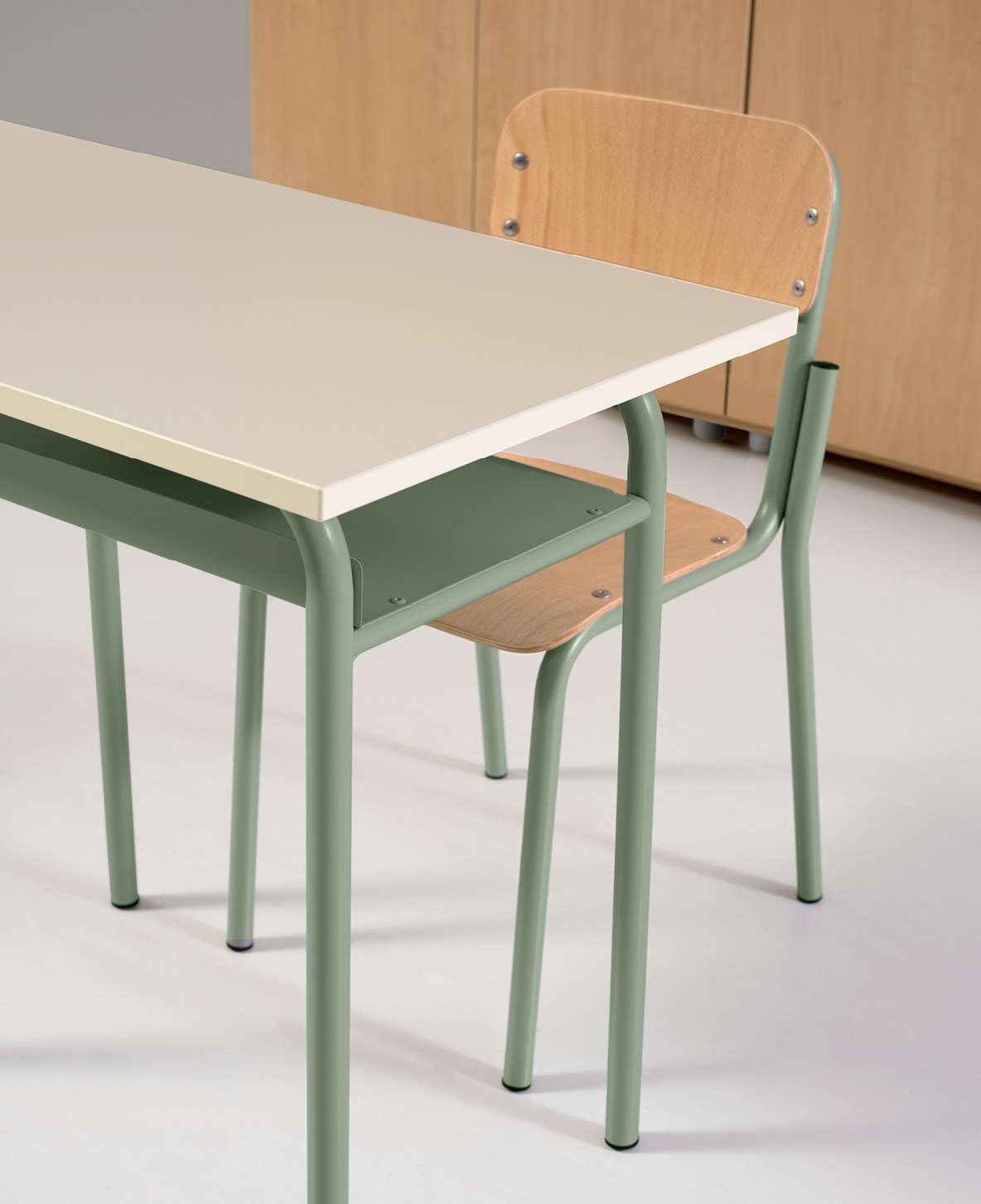
PRIMARY AND SECONDARY SCHOOL CHAIRS
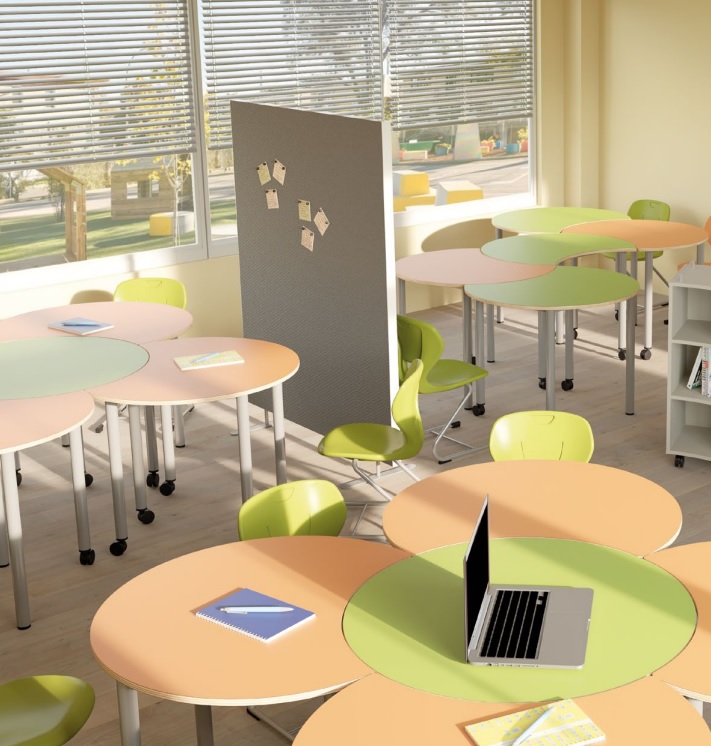
SCHOOL 4.0
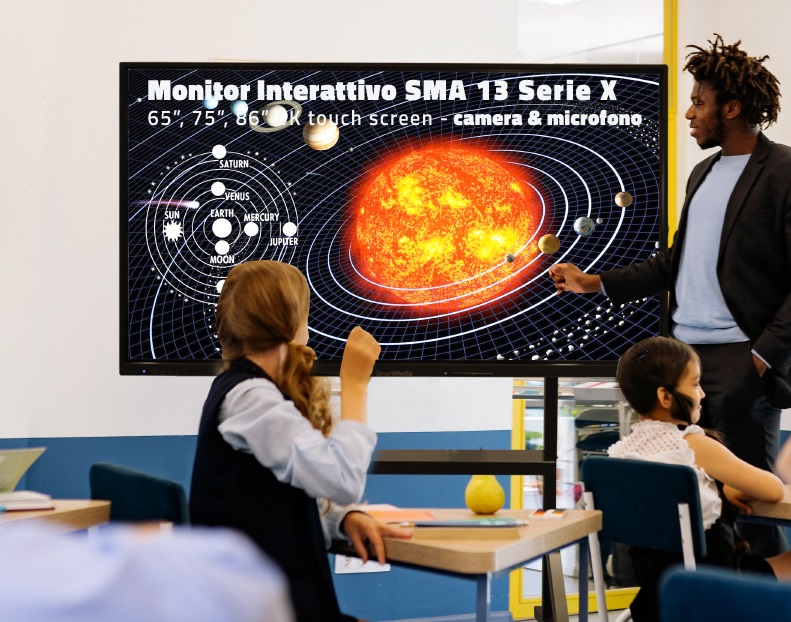
TROLLIES FOR LIM AND VIDEO PROJECTOR