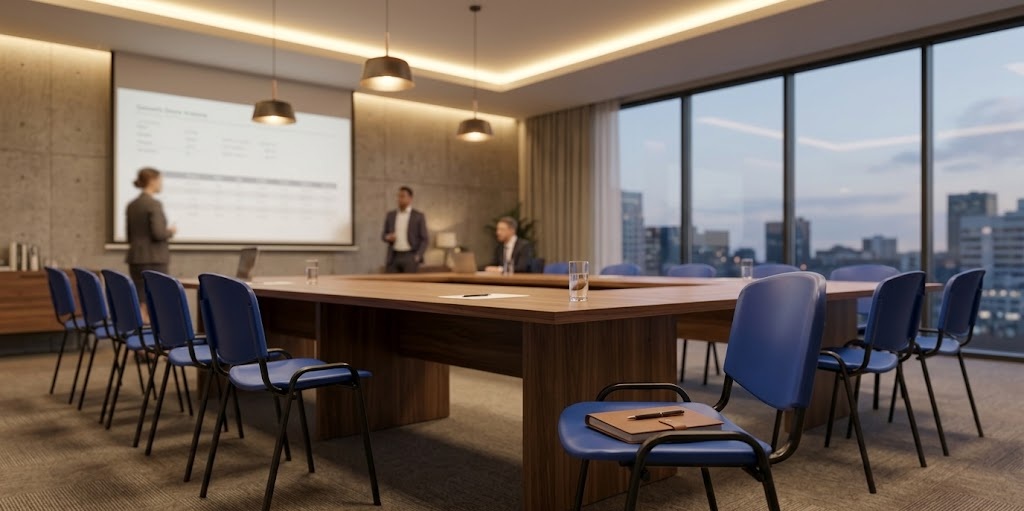
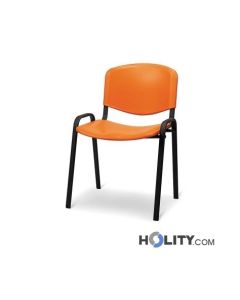
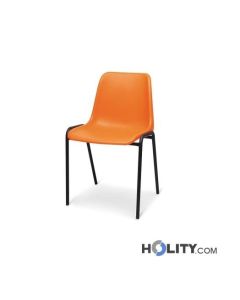
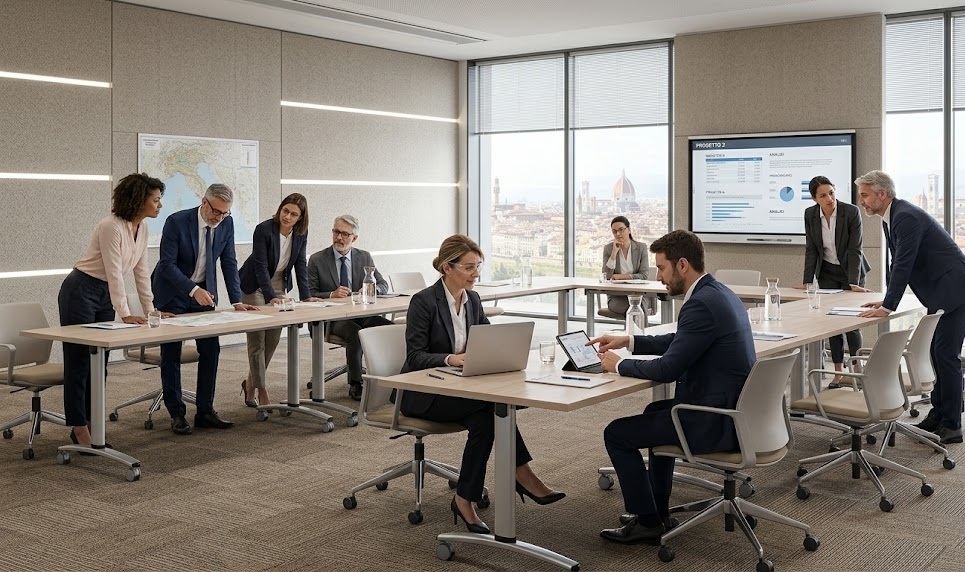
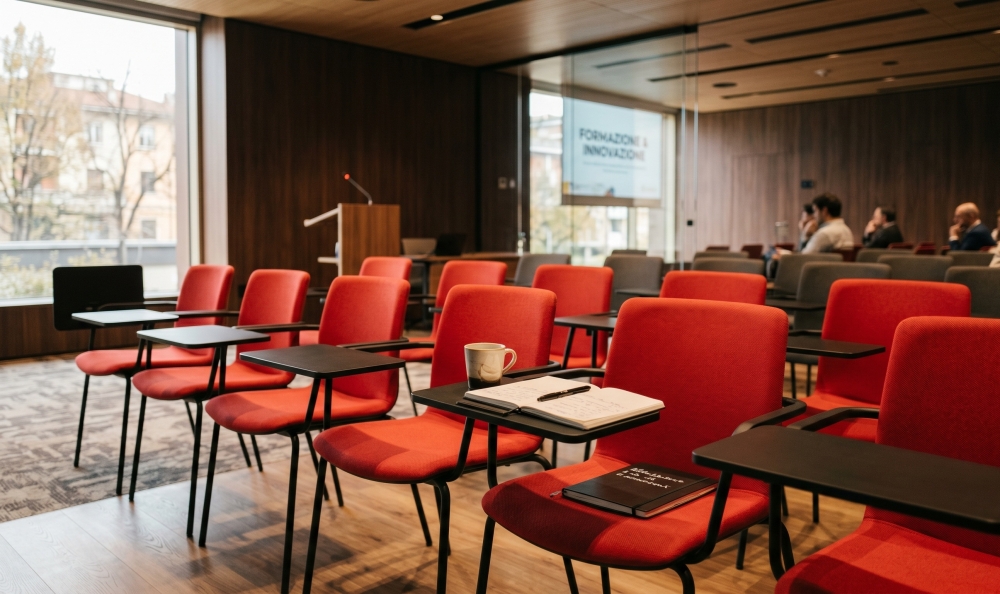
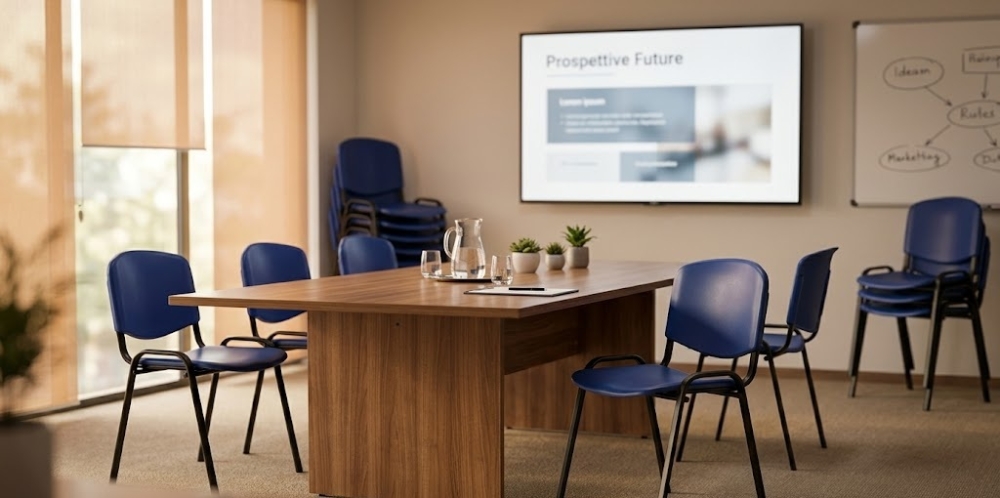
The choice of conference room chairs is a fundamental aspect to guarantee the success of meetings, conferences, training courses and corporate events. In fact, adequate seating contributes to the comfort of participants, promotes concentration and improves the overall experience during meetings. Conversely, chairs that are not very ergonomic or unsuitable for the context can compromise the well-being of users and negatively impact the perception of the professional environment.
Modern conference rooms must respond to increasingly diversified needs. From large conference rooms to training rooms, to multifunctional corporate spaces, each environment requires specific solutions in terms of ergonomics, practicality, durability and design. Knowing the most important selection criteria allows you to make a targeted and long-lasting investment.
Evaluate the intended use of the conference room
The first element to consider concerns the actual use of the space. A room intended for short operational meetings has different needs than an auditorium used for conferences that can last several hours at a time.
Understanding the frequency of use, the average duration of events, and the number of participants allows you to identify the most suitable seating characteristics. This initial assessment forms the basis for a truly functional choice.
The importance of ergonomics
Ergonomics is undoubtedly one of the most important factors in choosing conference room chairs . Participants often spend many hours sitting during conferences, seminars, and training courses, making comfortable seating essential.
A well-designed backrest, correct inclination, and adequate postural support help reduce fatigue and maintain high levels of attention. Investing in ergonomic seating means improving the user experience and enhancing the entire professional environment.
 Padded or rigid seat: which to choose?
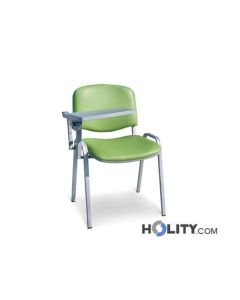
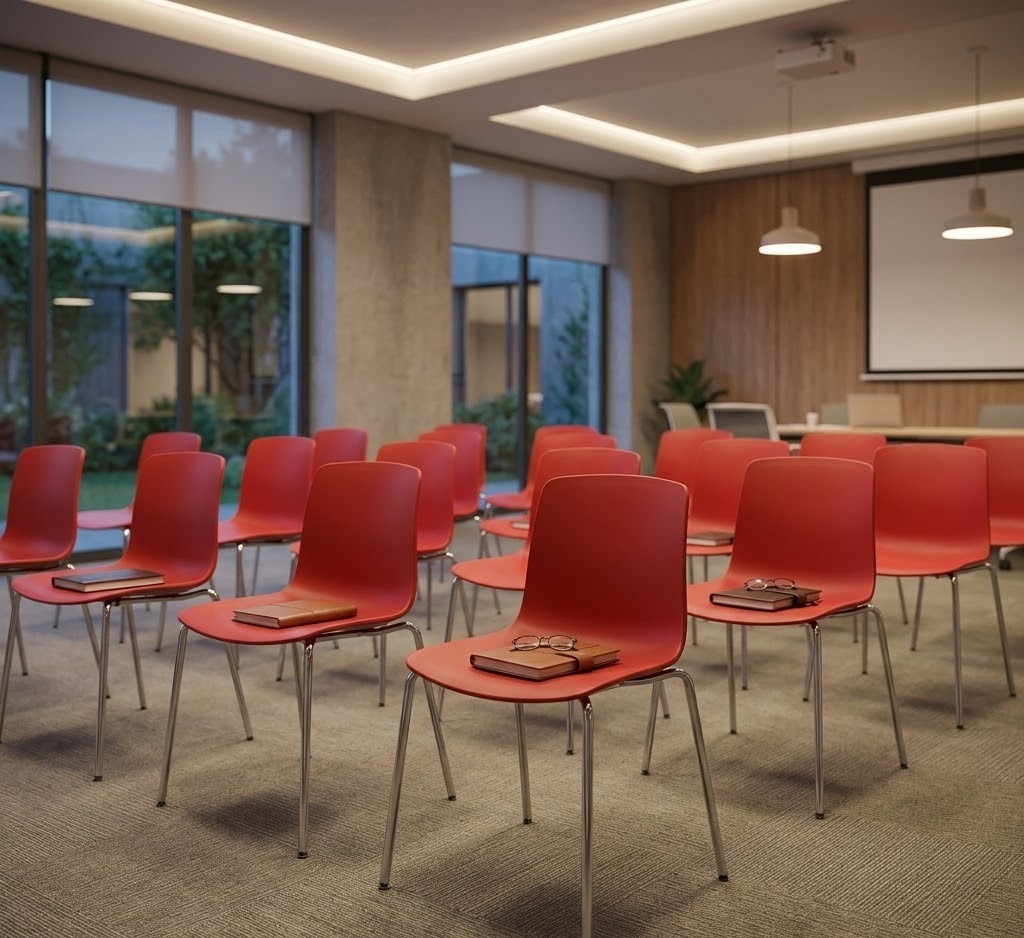
The choice between padded and rigid chairs depends mainly on the duration of the events and the desired level of comfort. Padded chairs are generally preferable for long-lasting conferences, courses, and meetings, as they guarantee greater comfort.
Rigid chairs, on the other hand, can represent a valid solution for occasional use or for short events, often offering easier maintenance and lower costs. It is important to carefully evaluate the context of use before making a decision.
The practicality of stackable chairs
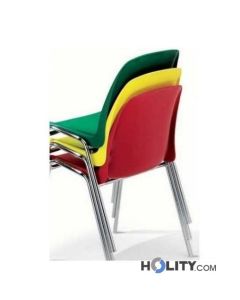
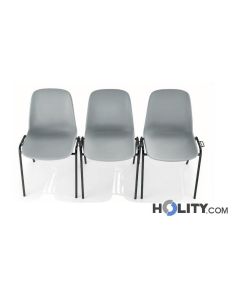
Many conference rooms require flexible space management. In these cases, stackable chairs represent one of the most popular solutions thanks to their ability to optimize storage and handling operations.
The possibility of stacking the chairs allows you to quickly free up space when necessary and to adapt the room configuration to different types of events. This feature is particularly useful in multifunctional structures and conference centers.
Materials and durability
Chairs intended for professional environments must be designed to withstand intensive use. For this reason, it is essential to pay attention to the quality of the materials used for the structure and upholstery.
Steel, aluminum, and technical polymers are some of the most common solutions for ensuring strength and durability. Fabrics and padding must also offer high resistance to wear and tear and be easy to maintain.
Design and professional image
In addition to functional aspects, chairs contribute significantly to the image of the conference room. A design consistent with the style of the environment helps create a positive and professional perception of the space.
Companies, public bodies, and conference facilities are increasingly choosing seats that combine aesthetics and practicality, enhancing the environment and improving the experience of participants.
Accessories and additional features
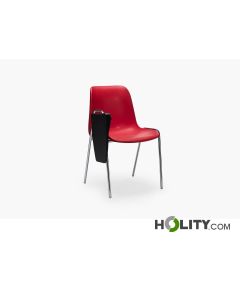
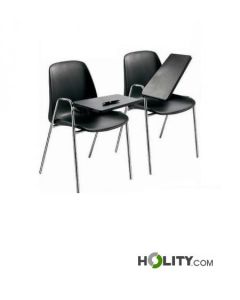
In some contexts, chairs equipped with integrated accessories can be particularly useful. Writing tablets, armrests, attachment systems between seats and document holders allow you to increase the functionality of the environment.
These features are particularly appreciated during training courses, seminars and educational activities, where participants need practical and easily accessible support surfaces.
How to choose chairs based on the capacity of the room
The size of the room directly affects the type of seating to be used. In environments with high capacity, it is essential to optimise space while maintaining a good level of comfort for participants.
Correct planning of the space allows you to guarantee adequate access routes, facilitate the circulation of people and comply with any safety regulations applicable to spaces open to the public.
Maintenance and ease of use Cleaning
Conference rooms often host numerous events throughout the year and require constant maintenance. For this reason, it is advisable to choose seats that are easy to clean and made from materials that are resistant to stains and wear.
Simple maintenance helps preserve the aesthetic appearance of the chairs over time and reduces the management costs of the facility.
Rely on specialized suppliers
The quality of the seats directly affects the comfort of the participants and the functionality of the environment. For this reason, it is important to turn to specialized suppliers able to offer certified, durable products designed for professional use.
Holity offers a vast selection of conference room chairs suitable for meeting rooms, conference centers, training rooms and multifunctional environments. The various solutions available allow you to identify the model best suited to your specific operational and furnishing needs.
An investment that improves the user experience
Chairs are one of the central elements of any conference room. A careful choice allows you to improve comfort, promote concentration and enhance the professional image of the environment.
Evaluating ergonomics, resistance, practicality and design allows you to create functional and welcoming spaces, capable of satisfying the needs of organizers, speakers and participants in the long term.
 English
  Italian
 French
 German
 Spanish