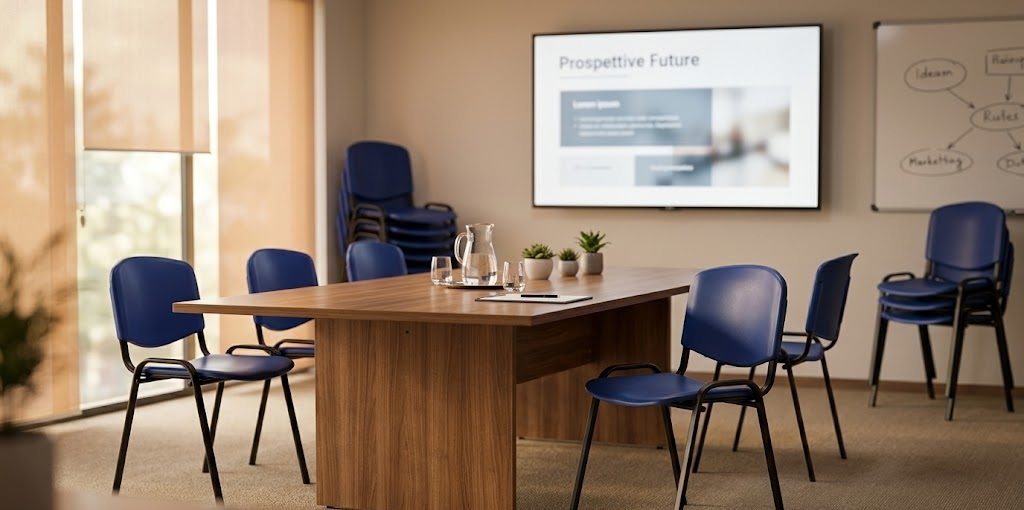
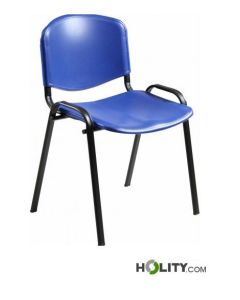
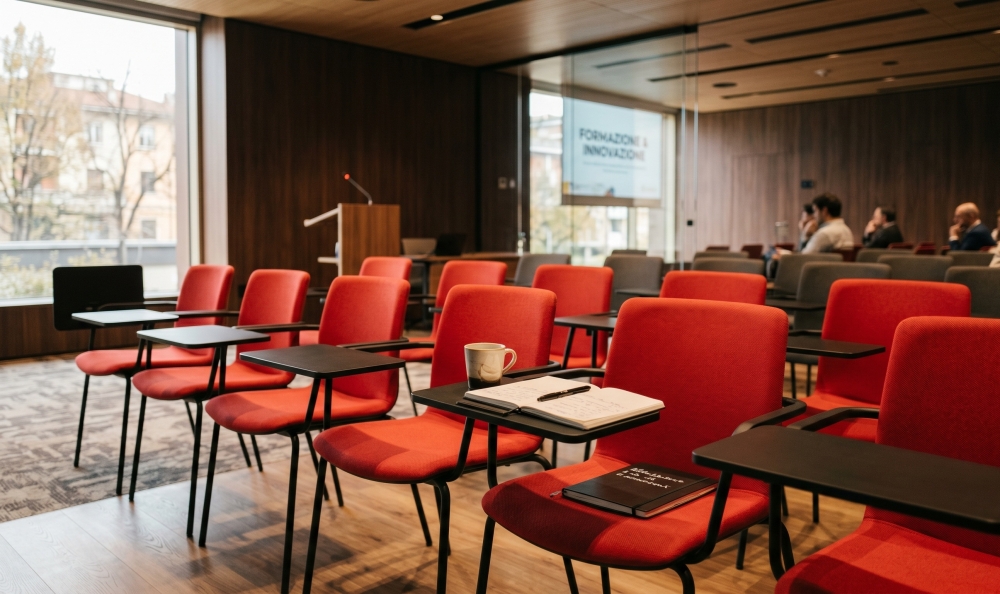
Conferences, congresses, seminars, and corporate meetings can last several hours and require participants to maintain a seated position for extended periods. In these contexts, the quality of the seating is not just a furnishing element, but directly affects people's well-being, attention span, and the overall effectiveness of the event. Choosing ergonomic conference room chairs improves the user experience and enhances the professional environment.
A seat designed with ergonomic criteria helps reduce muscle fatigue, promotes correct posture, and contributes to maintaining high levels of concentration. For organizers, public bodies, conference facilities, universities, and companies, investing in adequate seating means creating more welcoming and functional spaces for every type of event.
Why ergonomics is important important in conference rooms
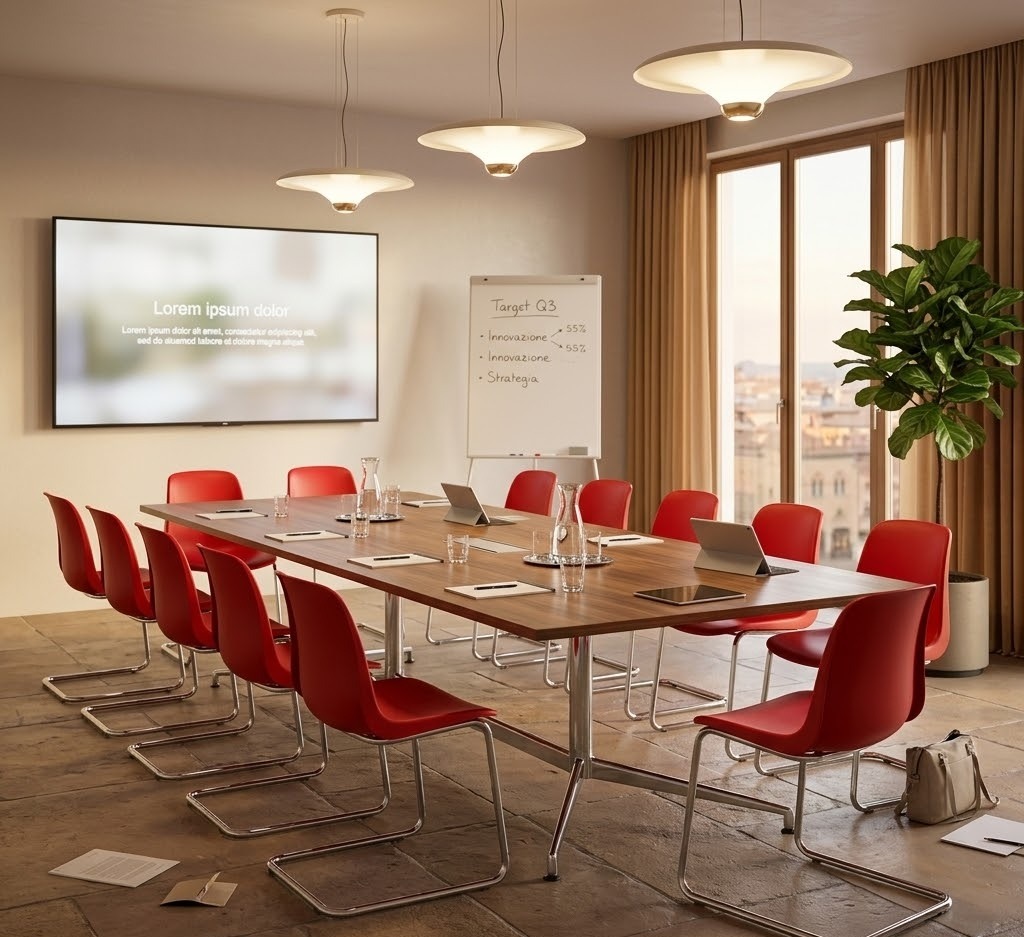 Ergonomics studies the relationship between people and their work or usage environment, with the aim of improving comfort, safety and efficiency. In the case of conference rooms, this principle takes on particular importance since participants spend many consecutive hours sitting, often maintaining a relatively static position.
An inadequately designed seat can cause tension in the lumbar, cervical and muscular areas, generating discomfort and reducing the ability to maintain attention. On the contrary, an ergonomic chair helps to correctly distribute body weight and support the natural curvature of the spine, promoting a more balanced posture.
Lumbar support and correct posture
Among the most important characteristics of ergonomic conference room chairs is the ability to adequately support the lumbar region. Lumbar support helps maintain a natural back position, limiting pressure on the intervertebral discs and reducing the risk of fatigue during longer sessions.
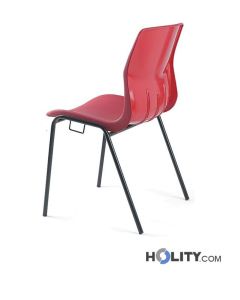
Even when the chair doesn't have the advanced adjustments typical of office chairs, a careful design of the backrest can offer a good level of support. The shape of the backrest, its inclination, and the correct depth of the seat significantly influence the comfort perceived by users.
Padding and materials: elements that affect comfort
The level of comfort depends largely on the quality of the materials used. Padded seats and backrests allow for better distribution of body weight and reduce pressure points that can cause discomfort during particularly long sessions.
Upholstery also plays an important role. Breathable technical fabrics promote better ventilation, while easily cleanable materials simplify management in high-traffic environments. The choice must take into account both comfort and the operational needs of the structure.
The shape of the seat and backrest
Another crucial aspect concerns the overall geometry of the chair. The seat must guarantee uniform support without limiting freedom of movement, while the backrest must accompany the user's natural posture without being excessively rigid.
Solutions designed for conference rooms and congress centers tend to favor ergonomic shapes that promote correct alignment of the back and allow a comfortable position to be maintained even during presentations, training courses, and long meetings.
Comfort and concentration are closely linked
Physical well-being directly affects the capacity for attention. When a person feels discomfort, they tend to change position frequently, lose concentration, and may experience the experience in a less positive way. This phenomenon is particularly evident during conferences, conventions, and training sessions that require a high level of cognitive involvement.
Ensuring comfortable seating therefore means creating conditions conducive to learning, participation and interaction. A well-designed conference room helps improve the overall event experience and enhance the work of the organizers.
Resistance and durability in high-traffic facilities
Conference rooms are often subject to intensive use. For this reason, ergonomic features must be accompanied by a robust and reliable structure. Frame, materials and components must be designed to withstand frequent use without compromising stability and comfort.
Chairs intended for conference centers, universities, public bodies and corporate meeting rooms must guarantee a long operational life and require limited maintenance. A quality-oriented choice allows the performance of the seat and the professional image of the environment to be preserved over time.
Stackability and space management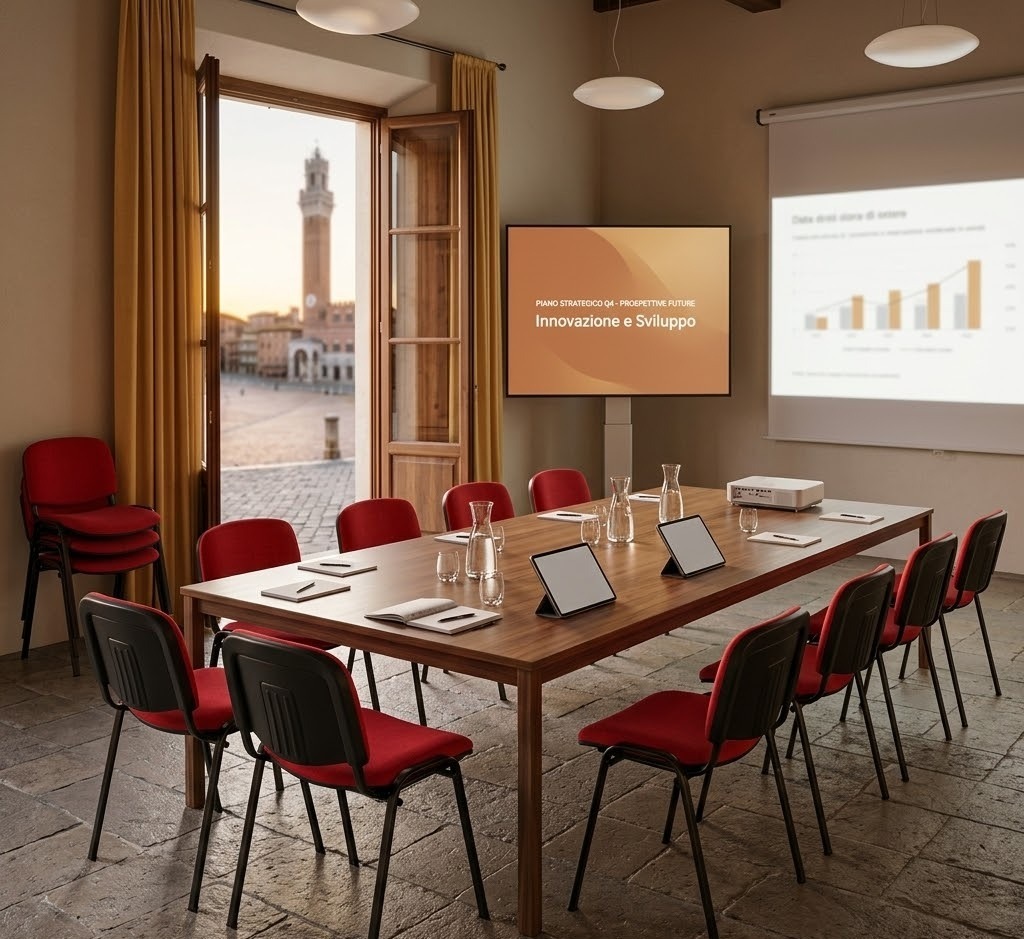
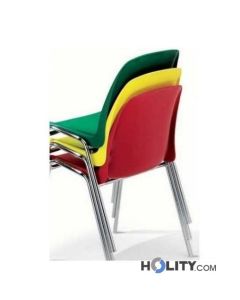
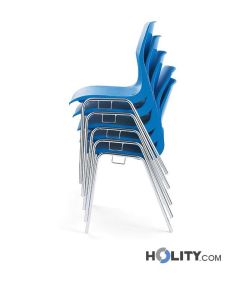
Many facilities need to quickly reconfigure spaces according to the different activities being organised. For this reason, many ergonomic conference chairs are designed to be stackable or easily moveable.
This feature allows for the optimisation of storage spaces and simplifies set-up and dismantling operations. Ergonomics can therefore coexist with practical management needs, offering a balanced solution between comfort and functionality.
How to choose the most suitable ergonomic chairs
The choice of seats should start from an analysis of how the room is used. The average duration of events, the number of participants, the frequency of use and the level of representativeness of the environment directly influence the selection of the most suitable product.
Evaluate lumbar support, quality The quality of the padding, ergonomics of the backrest, upholstery materials, and the robustness of the structure allow us to identify solutions that guarantee comfort and reliability over the long term. In this way, the conference room becomes a more welcoming, professional, and functional space for any type of event.
The value of a seat designed for well-being
The ergonomic conference room chairs represent a fundamental element for improving the experience of participants during meetings, training courses, congresses, and conferences. A seat designed with attention to ergonomic principles promotes correct posture, reduces fatigue, and helps maintain high levels of concentration.
For companies, public bodies, universities, and conference facilities, investing in ergonomic seats means enhancing spaces and offering a more comfortable and professional environment. The quality of the seat affects not only individual well-being, but also the overall perception of the event and the structure hosting it.
 English
  Italian
 French
 German
 Spanish