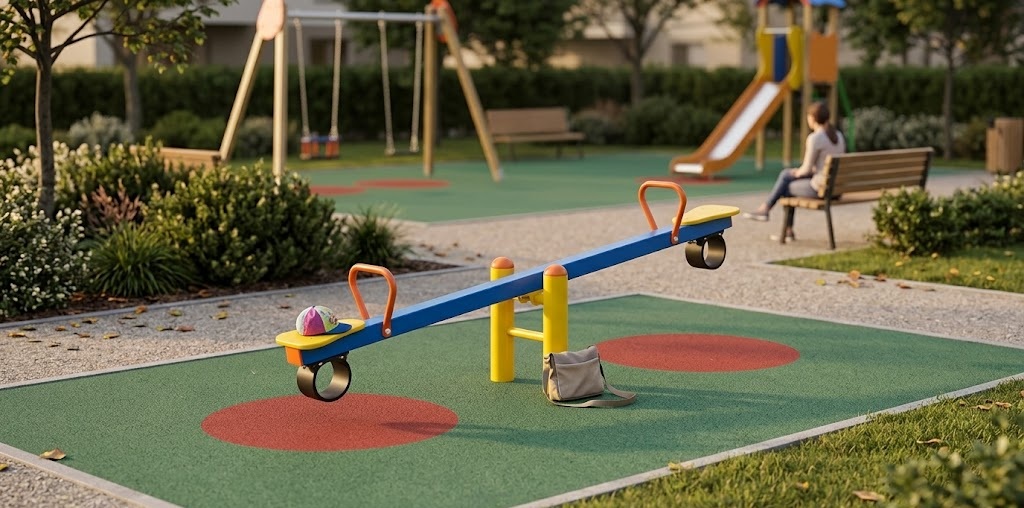
Understand how to design a playground It means correctly organizing spaces, equipment, routes, and services for children and their caregivers. An effective project must combine safety, accessibility, inclusion, and quality of life playground furniture, creating an environment suitable for different age groups and consistent with the context in which it will be implemented.
Whether it's a public park, a school campus, a shared green space, or a hospitality facility, design must begin with an analysis of the available space and continue with the selection of play equipment, flooring, and furnishings. A proper distribution of functions creates a safer, more organized, and more enjoyable play area.
Where to start when designing a playground
The first step in the playground design It's about analyzing the context. The size and shape of the area, the characteristics of the terrain, the presence of trees, access, exposure to the sun, and its intended use directly influence the organization of the space.
It's also important to identify the age groups that will use the park most and estimate the number of users. An area primarily intended for young children will require different games and layouts than one frequented by older children.
How to organize playground spaces
Properly distributing space allows for the separation of different activities and reduces interference between pathways. Dynamic play equipment such as swings and climbing frames should be placed in sufficiently large areas, while quieter activities can be placed in dedicated areas.
It is helpful to provide connecting paths between different areas, spaces for companions, rest areas, and open spaces that allow children to move around easily.
 Safety in playground design
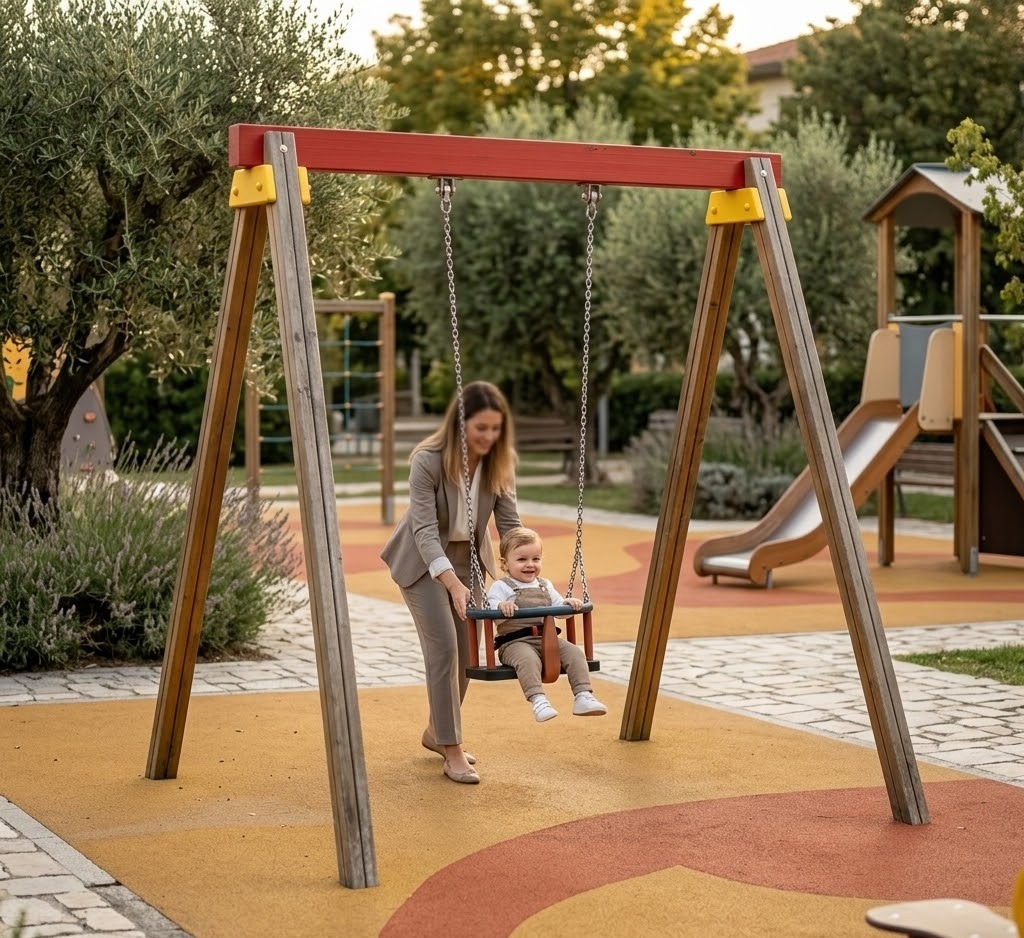
Security is one of the central aspects in designing a children's playground. Equipment must be chosen based on the age of the users and installed respecting the distances and spaces for use provided by the manufacturer.
It's also important to avoid overlapping play areas between different play equipment and keep access points and main pathways clear. Proper layout reduces the risk of interference between children using different equipment.
The importance of shock-absorbing flooring
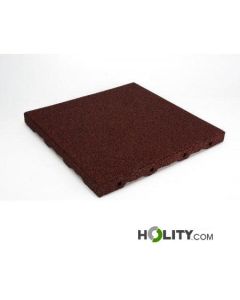
The anti-trauma flooring They play an important role in areas where a fall from the equipment is possible. The surface must be chosen based on the characteristics and expected fall height of the installed games.
Available solutions include rubber flooring, impact-resistant tiles, synthetic surfaces, and other materials for play areas. The choice must consider safety, drainage, climate conditions, and maintenance.
Playground furniture: what elements to include
A complete project does not only include games playground furniture. In fact, it helps make the area more functional for children, families and carers.
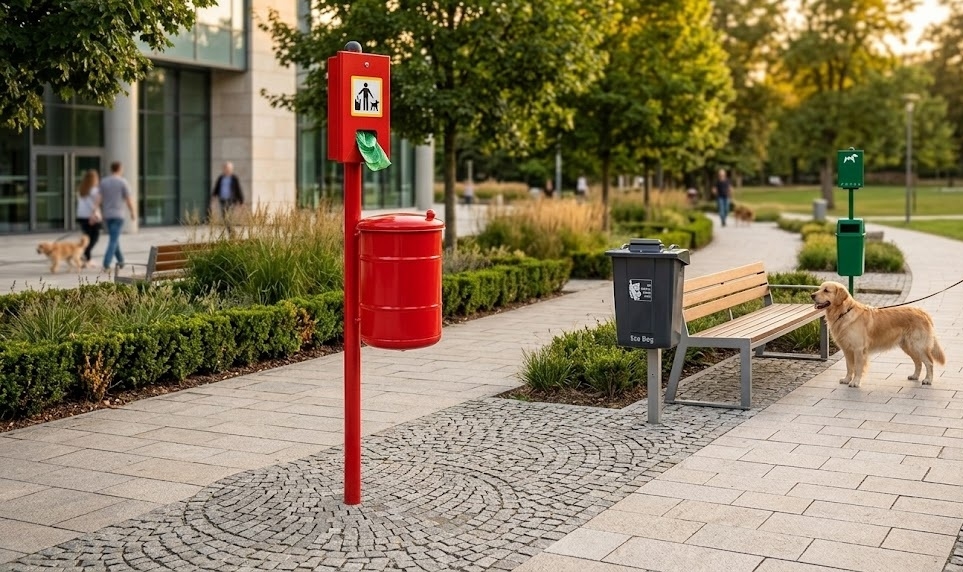
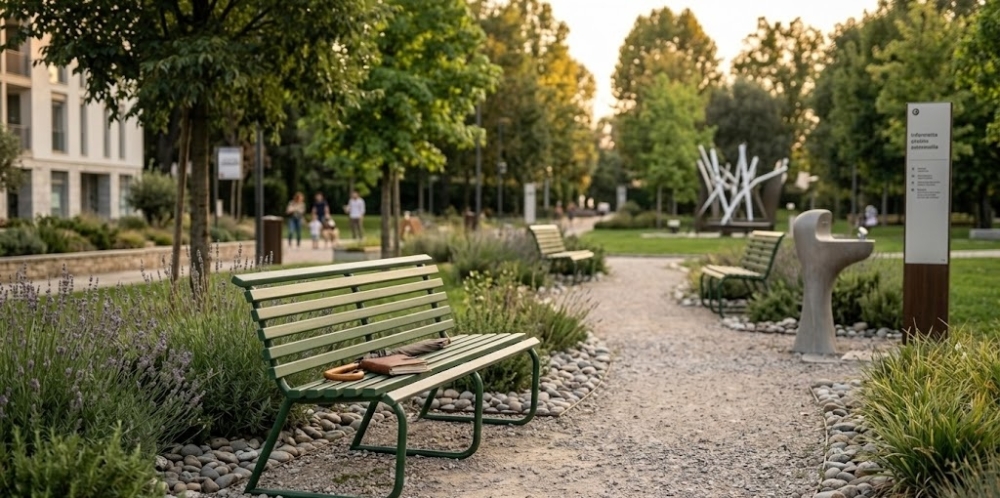
Possible elements include benches, bins, drinking fountains, bicycle racks, and structures to create shade. Their placement should be carefully considered in relation to the playground equipment and pathways, avoiding obstacles in the most frequently used areas.
Choose games suitable for different age groups
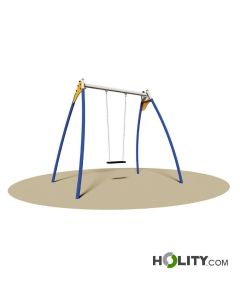
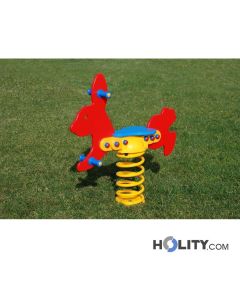
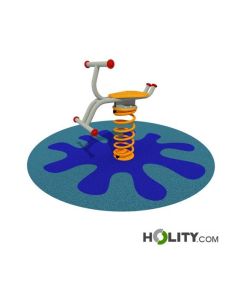
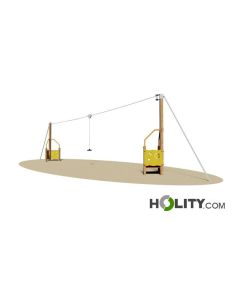
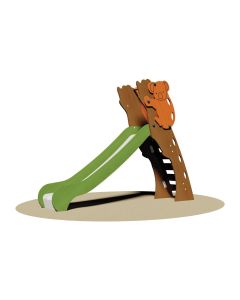
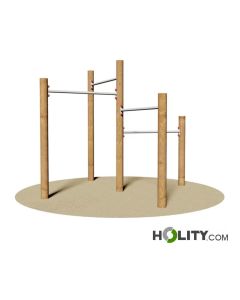
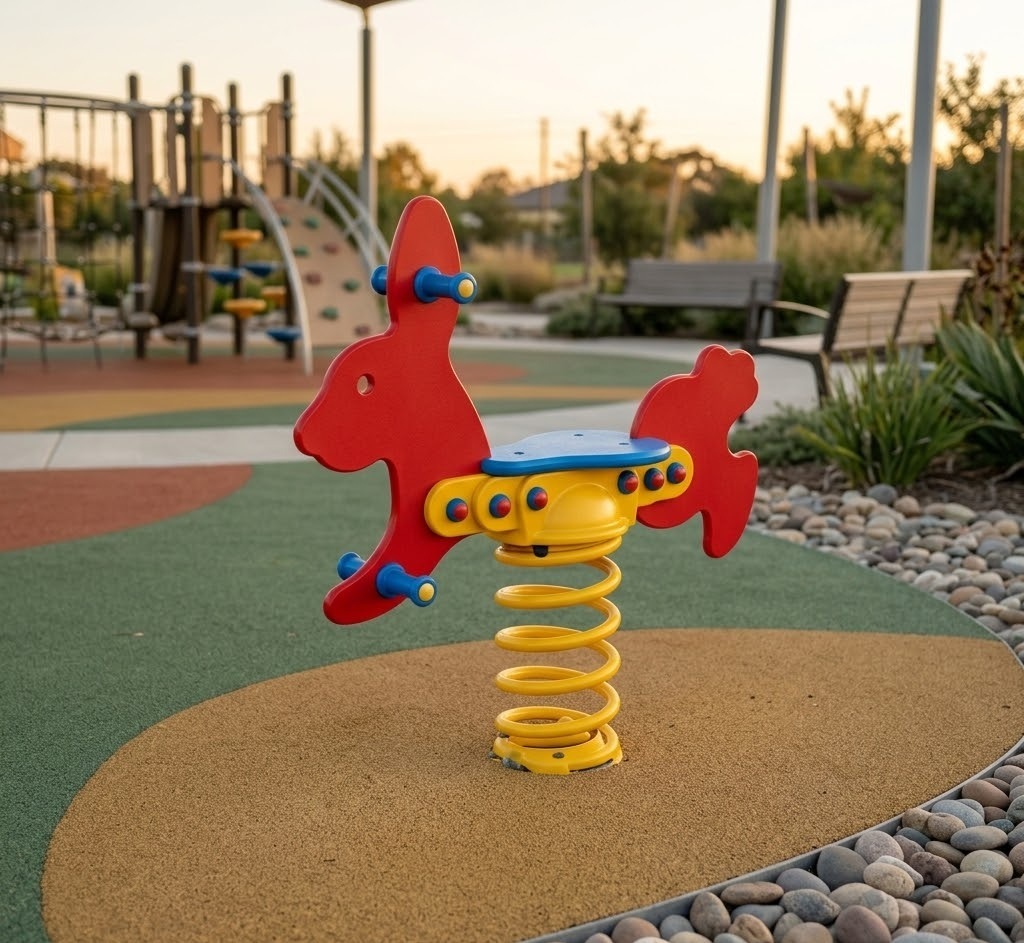
A well-organized playground should offer a variety of activities based on the users' motor and cognitive abilities. Springers, small slides, and simple structures are recommended for younger children, while for older children, physical activity trails, climbing frames, and multifunctional play equipment can be included.
The division into zones allows for the creation of experiences more suitable for different ages and also makes it easier for chaperones to monitor the area.
Designing an inclusive playground
Accessibility must be considered from the early stages of design. A inclusive playground It doesn't simply consist of inserting a single accessible game, but of creating paths and activities that allow children with different abilities to use the space and play together.
Barrier-free pathways, adequate paving, maneuvering spaces, and play equipment that can be used in a variety of ways help make the area more accessible and inclusive.
Materials for games and playground furniture
 The choice of materials affects the durability, aesthetics, and maintenance requirements of the area. Wood, galvanized steel, aluminum, and synthetic materials are used in different configurations depending on the type of play area and context.
For outdoor installations, it's important to evaluate resistance to humidity, sunlight, temperature changes, and intensive use. Ease of cleaning and maintenance should also be considered when choosing.
Street furniture for playgrounds
When the play area is inserted in a public park, it is useful to coordinate games and street furniture for playgroundsBenches, baskets, and other accessories can be chosen with consistent materials and finishes to create a visually uncluttered environment.
A coordinated design also facilitates space management and allows for more rational organization of play areas, rest areas, and paths.
Shaded and comfortable areas for children and their carers
The comfort of the area also depends on the presence of shaded areas and rest areas. Existing trees, pergolas, or other sheltered structures can help make the park more usable during hot weather.
Seating should be positioned where caregivers can easily monitor the main play areas without interfering with the children's movement.
Playground maintenance
Maintenance must be considered from the design stage. Playground equipment, flooring, and furnishings are subject to constant use and exposure to the elements and must therefore be checked periodically.
Proper planning allows you to more easily identify wear, loose elements, surface damage or other anomalies, keeping the area functional over time.
How to Design a Playground for Schools and Municipalities
For schools and public administrations, it is particularly important to accurately define the number and age range of users, available space, and expected level of use. The project must also consider the ease of management and maintenance of the area.
The choice of the playground furniture It must therefore be included within an overall project that includes games, surfaces, complementary services and paths.
How to choose playground furniture
The selection of furnishings should be based on the actual use of the area. Benches and wastebaskets should be placed in easily accessible locations, while drinking fountains and racks can be placed near entrances or rest areas.
On Holity A range of professional solutions is available for furnishing playgrounds intended for public bodies, schools, hospitality facilities and collective spaces.
Frequently Asked Questions About Playground Design
What are the essential elements of a playground?
In addition to play equipment, it is important to evaluate adequate flooring, paths, rest areas, benches, bins and other services for users.
How to divide a playground by age group?
It is possible to organize areas with equipment of varying complexity, separating activities intended for younger children from those designed for users with greater motor skills.
How to make a playground inclusive?
It is necessary to design accessible routes and provide games and spaces that can be used by children with different abilities, avoiding barriers along access points and main areas of use.
What materials should you choose for an outdoor playground?
The choice depends on the context, climate, and maintenance requirements. Wood, steel, aluminum, and synthetic materials can be used depending on the type of equipment and the desired aesthetic.
 English
  Italian
 French
 German
 Spanish