Wooden or steel luggage rack: which material should you choose?

In the hospitality sector, every detail contributes to defining the quality perceived by guests. Among the often underestimated but extremely useful accessories within a room we find the wooden luggage rack and the steel model. This furnishing accessory allows guests to comfortably place their suitcases, avoiding using the bed or other surfaces and improving the organization of the spaces.

The choice of material is one of the most important aspects when purchasing a professional luggage rack. Wood and steel are in fact the two most popular solutions in the hotel market and each has specific advantages in terms of aesthetics, resistance, maintenance and integration with the style of the structure. Understanding the characteristics of both materials allows you to identify the product best suited to the needs of your business.

Why choose a professional luggage rack? The luggage rack is an important accessory in hotel rooms

A professional luggage rack helps improve the comfort of guests from the moment they arrive. By allowing them to open and use the suitcase without having to place it on the floor or on the bed, it makes packing easier and makes the room tidier and more functional.

In addition to its practicality, this accessory represents an element that communicates attention to the customer. In modern hotel facilities, the guest experience also passes through small details that increase the level of comfort and contribute to improving the perception of the quality of the service.

The characteristics of wooden luggage racks

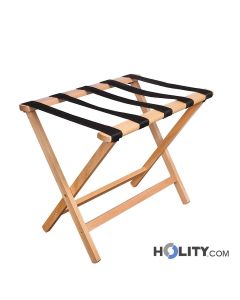
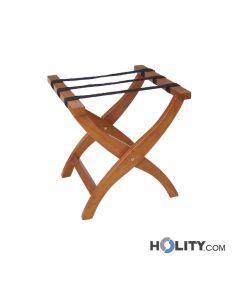
The wooden luggage rack is one of the most popular solutions in accommodation facilities thanks to its warm and elegant appearance. Wood integrates easily with different furnishing styles, from classic contexts to more contemporary environments. contemporary, offering a welcoming feeling that is particularly appreciated by guests.

Many models are made of solid wood or treated wood to resist wear and tear and daily use. The available finishes also allow the luggage rack to be coordinated with the furniture in the room, creating a harmonious and aesthetically coherent environment.

The advantages of wooden luggage racks

One of the main strengths of wood is its ability to convey elegance and refinement. For charming hotels, boutique hotels, farmhouses and medium-to-high-end facilities, this solution often represents the ideal choice for enhancing the identity of the rooms.

Wood also offers good resistance over time when correctly treated and maintained. Thanks to its aesthetic characteristics, it helps make the room more welcoming and improve the overall guest experience.

The characteristics of steel luggage racks

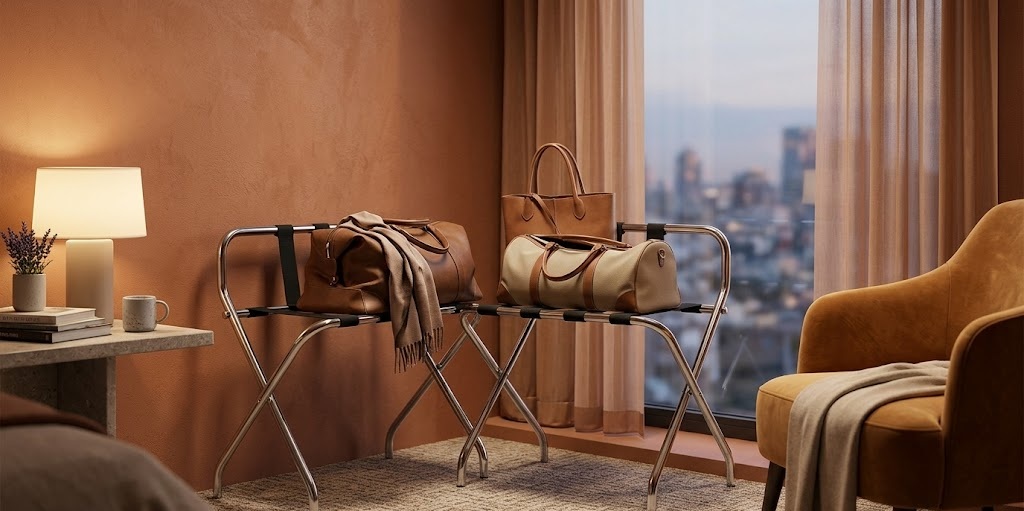
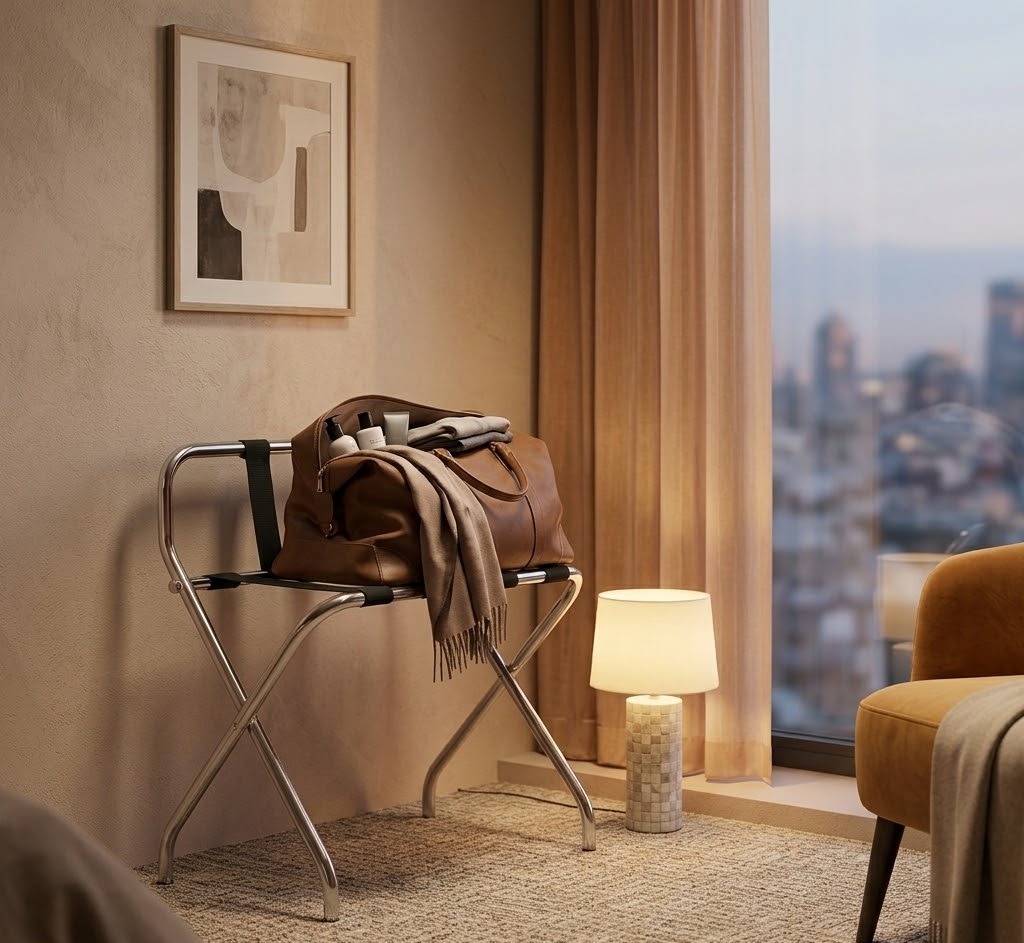
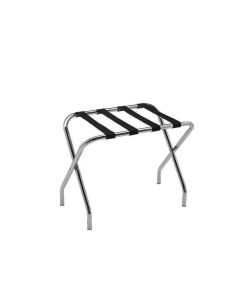
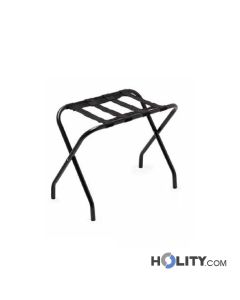
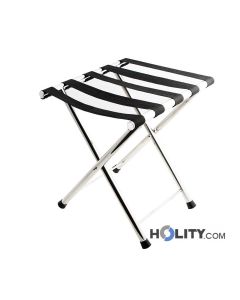
The steel luggage racks stand out for their high sturdiness and modern, professional look. They are particularly popular in business hotels, contemporary structures, and environments characterized by a minimalist design.

Steel can be painted, chromed, or satin-finished and guarantees a high load capacity. This material is particularly suitable for structures that have a high turnover of guests and require accessories designed for intensive use.

The advantages of steel luggage racks

Resistance is the main advantage of steel. This material tolerates impacts, stresses, and frequent use very well, maintaining its structural and functional characteristics over time.

Another strong point is its ease of cleaning. Metal surfaces are easy to sanitize and generally require less maintenance than wooden solutions, a feature particularly appreciated in the hotel sector.

Continue your journey in these categories:

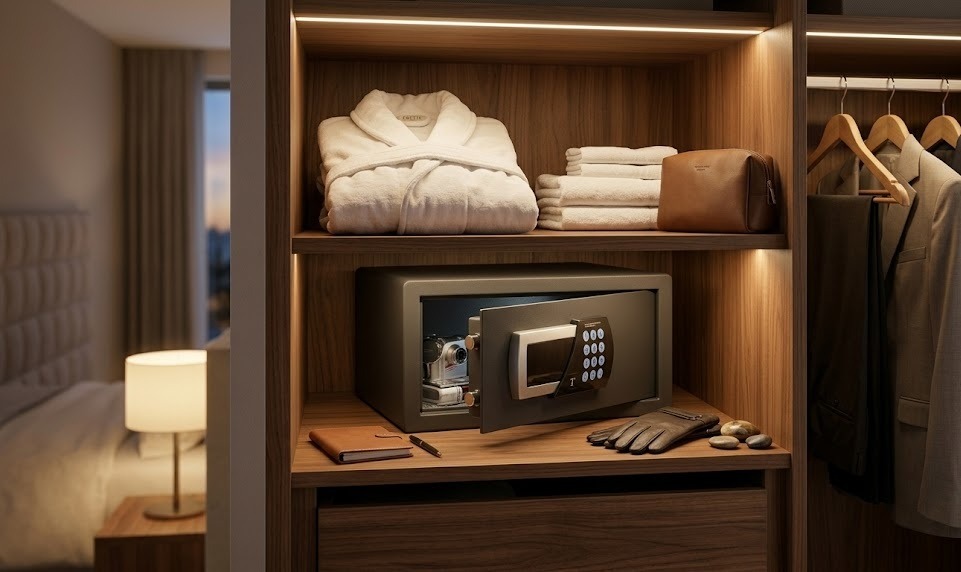
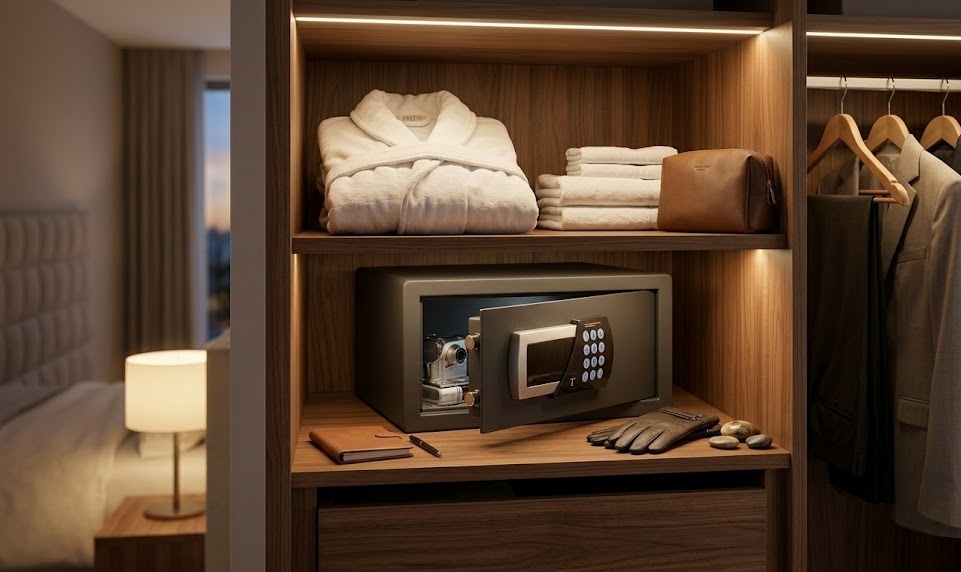
HOTEL SAFES

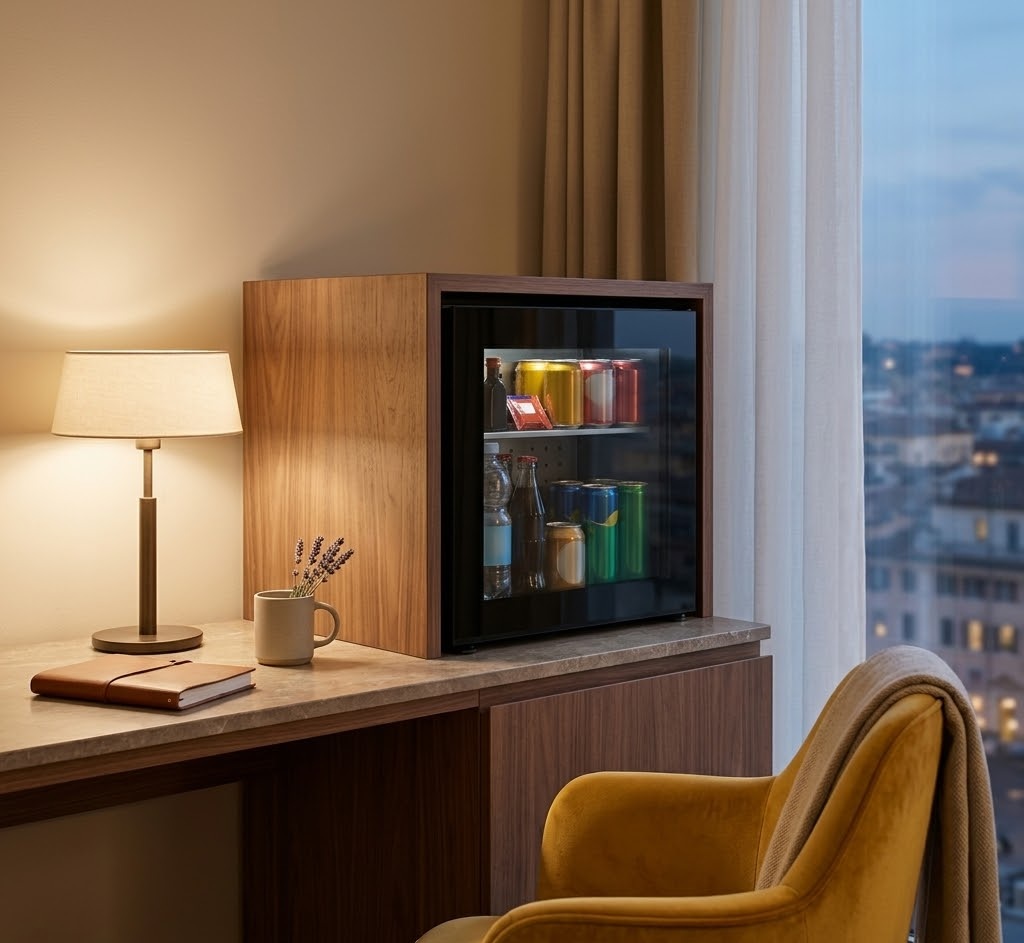
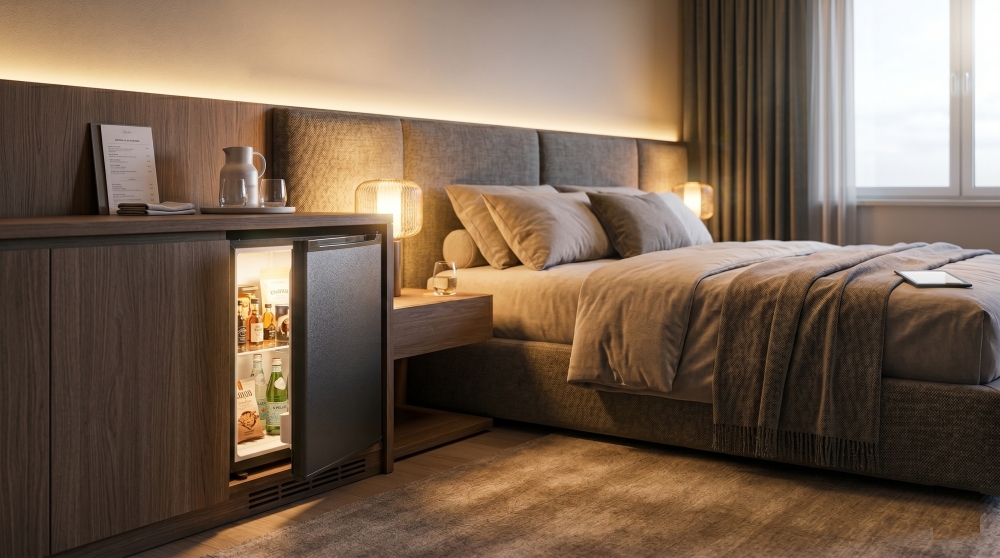
MINIBARS & MINI FRIDGES

TROLLEYS

Aesthetic comparison between wood and steel

From an aesthetic point of view, the choice depends mainly on the style of the accommodation facility. Wood conveys warmth, elegance and tradition, making it ideal for welcoming and refined environments. Steel, on the other hand, conveys modernity, essentiality and professionalism.

Both solutions can offer a high visual impact if inserted correctly into the furnishing context. It is important to evaluate the set of elements present in the room to ensure perfect aesthetic harmony.

Maintenance and durability

Maintenance is another factor to consider when choosing. Steel models generally require minimal intervention and are particularly suitable for high-traffic environments. Wood, on the other hand, requires greater attention to preserve its original appearance over time.

Both materials can, however, guarantee a long life if made with high quality standards and used correctly within the structure.

Which material to choose based on the type of structure
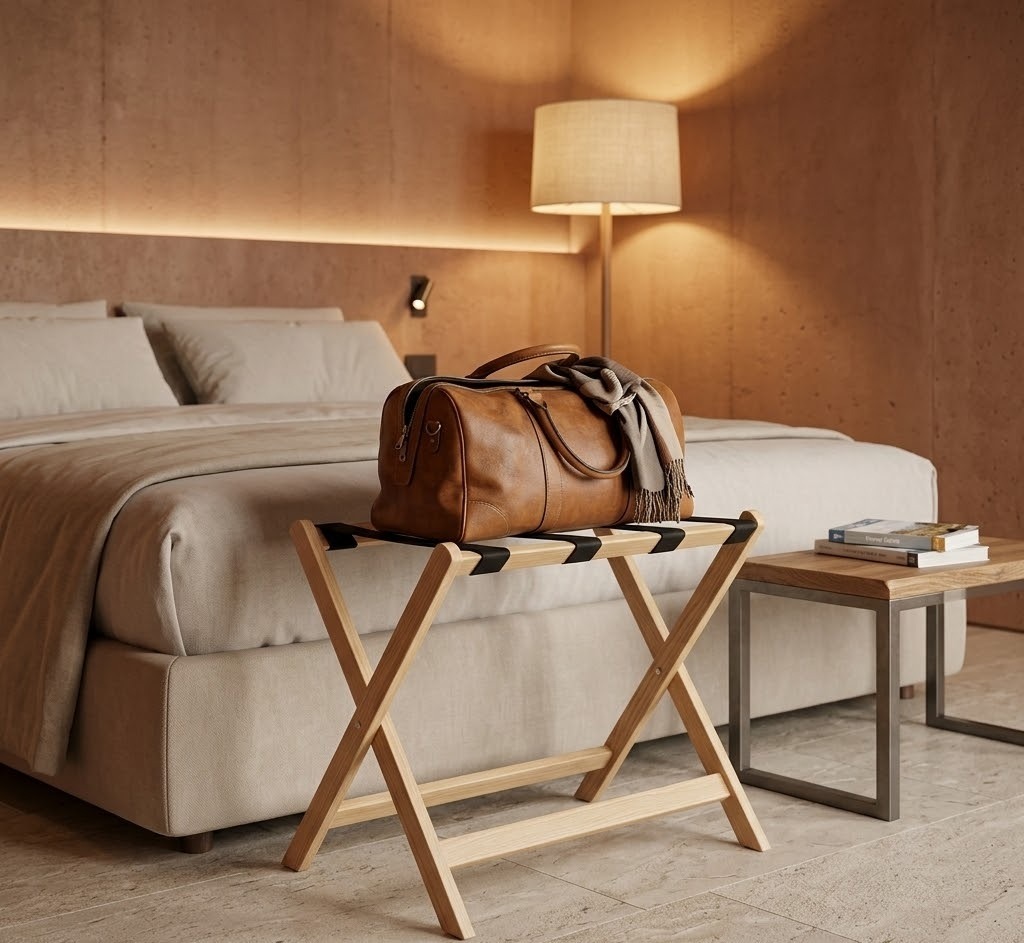
For luxury hotels, boutique hotels, resorts and structures characterised by refined furnishings, wooden luggage rack is often the most suitable solution. Its elegance helps to enhance the image of the structure and improve the welcome perceived by guests.

For business hotels, residences, hotel chains and high-traffic structures, steel can instead offer significant advantages in terms of robustness, practicality and reduced maintenance interventions.

How to choose the most suitable luggage rack

The final choice should take into account several factors, including the style of the room, available budget, frequency of use and the level of service you wish to offer guests. Carefully evaluating these aspects allows you to identify the product best suited to the operational needs of the facility.

Holity offers a wide selection of professional wooden and steel luggage racks designed for hotels, B&Bs and hospitality facilities. The different solutions available allow you to find the ideal model to improve guest comfort and complete the room furnishings with reliable and durable products.

A choice that impacts the guest experience

Although it may seem like a secondary accessory, the luggage rack concretely contributes to the functionality of the room and guest satisfaction. The choice between wood and steel is not just about aesthetics, but involves practical aspects related to the daily management of the facility.

Carefully evaluating materials, maintenance, and style allows you to make an effective investment and further improve the quality of hospitality offered by your accommodation facility.