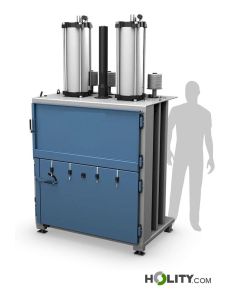
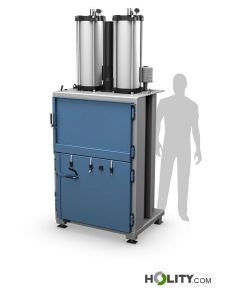
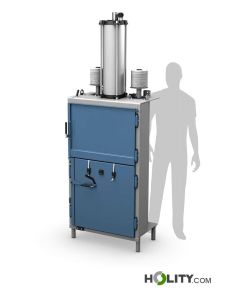
The different ones types of waste presses They meet operational needs that can vary significantly from one company to another. A business that primarily produces cardboard boxes and packaging does not necessarily have the same needs as one that processes large quantities of plastic materials or has continuous flows from production. Therefore, the choice of baler should begin with an analysis of the material, volumes, and methods used to collect waste internally. The machine configuration is evaluated only after these elements have been defined.
Vertical, horizontal Balers and presses designed for baling are not simply variations of the same product. They vary in loading methods, size, work organization, and characteristics of the output material. For a company manager, it is therefore more useful to ask themselves:how the press will fit into the waste management process rather than looking for a generically more powerful or larger machine. A correct selection starts from the process and arrives at the machine, not the other way around.
Why are there different types of waste balers?
There variety of presses This primarily stems from the diversity of materials and the contexts in which they are used. Small quantities of packaging produced throughout the day require different management compared to large, continuous flows. The shape of the material also influences the process: boxes, films, and other packaging can exhibit different behaviors during loading and compacting. The machine must therefore be chosen by specifically verifying which materials the manufacturer declares compatible with the model in question.
A second factor concerns the company's organization. The press can be located in a warehouse, a production department, or an area specifically designated for materials management, with varying space availability and operating methods. The number of operators involved and the frequency of use further alter the situation. Holity, specialist in professional supplies for companies, institutions and organised structures, includes in its scope of offer solutions dedicated to waste management, a sector in which the technical comparison between the available configurations takes on particular importance.
Vertical presses: when they are suitable for your company organization
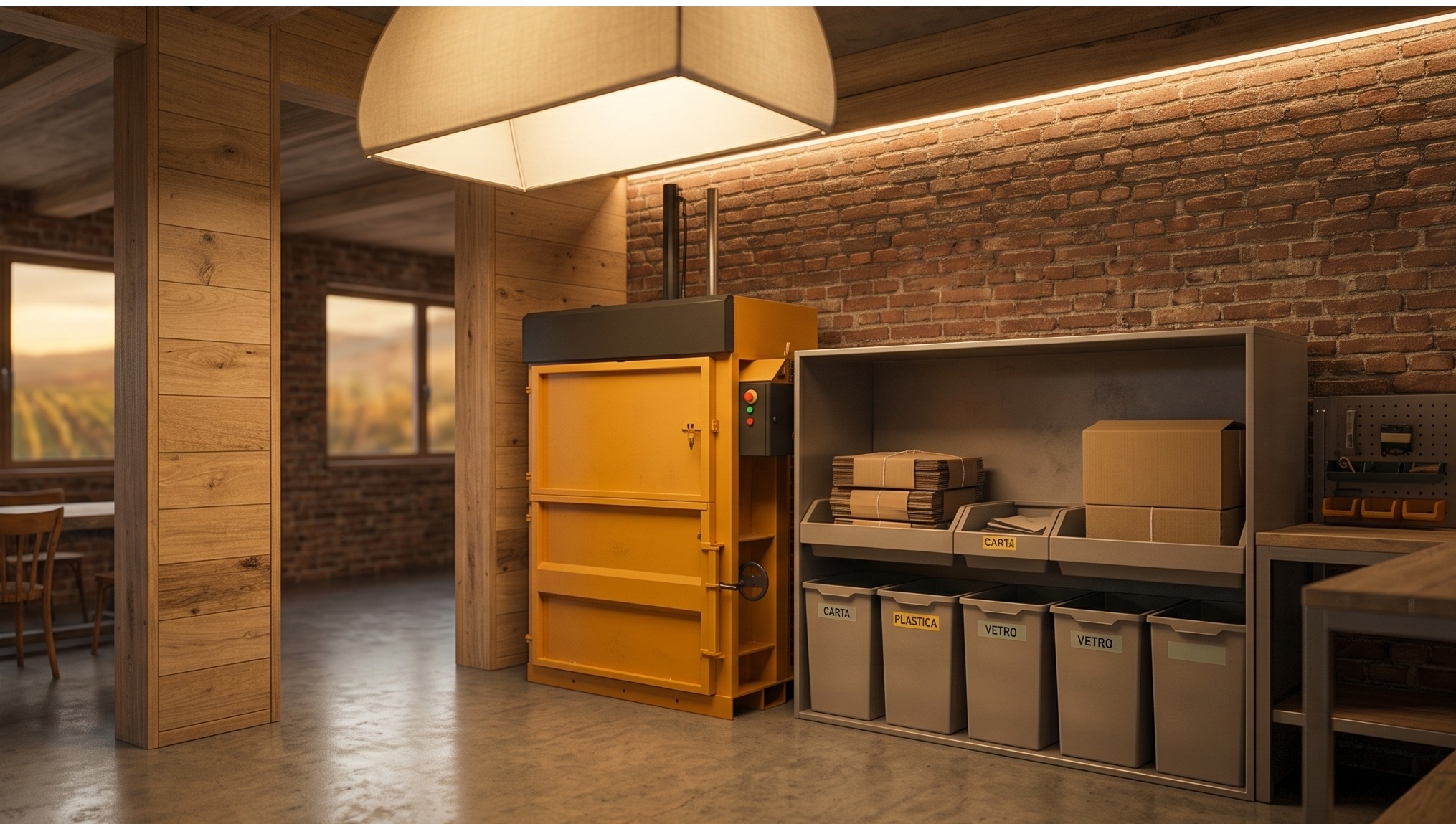
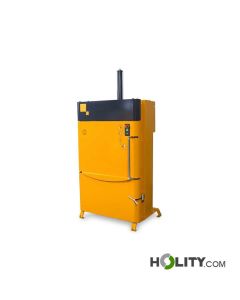
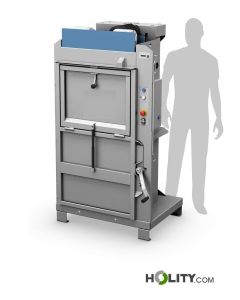
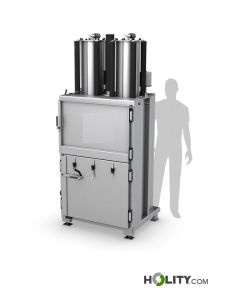
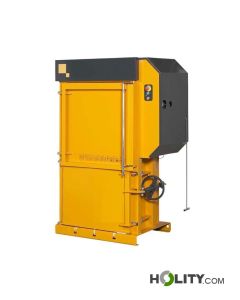
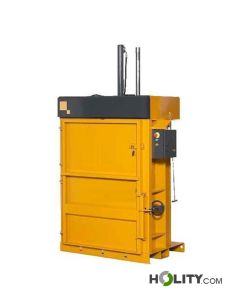
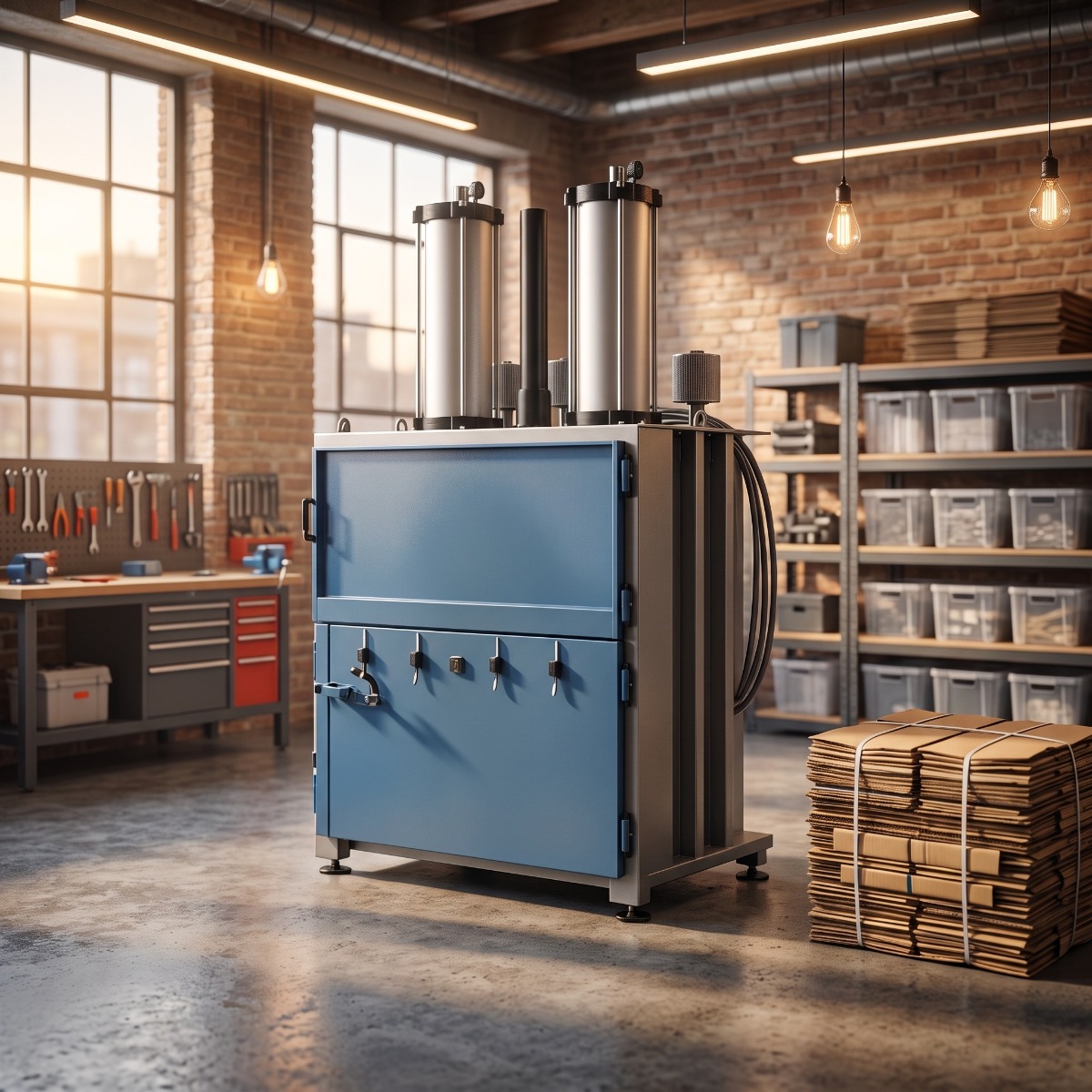 In the vertical presses Compaction occurs using a predominantly vertical configuration. This setup allows the machine to occupy a relatively small footprint compared to larger industrial configurations, although there are significant differences between models. For this reason, vertical balers are considered in numerous warehouses, commercial businesses, and corporate settings where compressible materials need to be handled without devoting an excessively large surface area to the machine.
The definition of a vertical baler, however, alone does not determine whether the product is suitable. It is necessary to check the chamber dimensions, loading system, characteristics of the bale produced, power supply, and specifications regarding the materials that can be handled. The space required by the operator during loading and unloading must also be included in the assessment. A compact machine may require a larger operating area than its external dimensions alone.
Horizontal presses: characteristics and contexts of use
The horizontal presses They adopt a different configuration and are generally associated with processes where quantities and feed continuity can be more important. Machine development requires careful consideration of space and the path followed by the material. Depending on the model, the feeding and handling methods for the compacted product can also differ significantly. It is therefore incorrect to consider the horizontal baler simply as a larger version of the vertical one.
These machines must be integrated into a coherent operational flow. It's important to establish where the material comes from, how it's fed, where it's handled after compaction, and what vehicles are used for handling. Layout and logistics process become part of the choice of pressIn high-traffic environments, a technically adequate but poorly placed configuration can create unnecessary movements and reduce the expected organizational benefit.
Cardboard balers: handling bulky packaging
Packaging cardboard is one of the materials that can take up a lot of space when stored without volume reduction. Boxes and packaging from goods, supplies, and warehouse activities can quickly fill collection areas. A cardboard-compatible baler allows this material to be organized in a more concentrated form, according to the machine's specifications. This can make the packaging management area more organized.
Before making a choice, it's necessary to quantify, at least realistically, how much cardboard is produced and how often. It's not enough to know that the company generates packaging: it's important to understand whether the flow is constant, seasonal, or concentrated at certain times. The size of the loading opening and the characteristics of the chamber can also impact day-to-day practicality. There cardboard press must be proportionate to the actual flow, avoiding both undersizing and unnecessary capacity.
Plastic presses: starting from material compatibility
The generic definition of plastic encompasses materials and products with widely varying characteristics. Packaging films, wrappers, and other plastic items should not be automatically considered compatible with any baler. Before considering their treatment, it is essential to check the model documentation to determine which materials can be introduced and how. This check prevents the choice from being based on an overly general classification of the waste.
Material behavior also influences loading operations and compaction results. Therefore, a company producing multiple types of packaging should separately identify the flows before specifying the machine. In some contexts, it may be useful to handle multiple compatible materials, while in others, separation remains central to process organization. The manufacturer's instructions and company procedures must always guide the actual use of the equipment.
Balers: What's New in Managing Compacted Material?
The baling presses They allow for the production of bales of compacted material according to the machine's specifications. This result changes the subsequent management phase, as the material is no longer handled in the same way as loose packages. Bale size and weight therefore become operational parameters to be considered even before purchasing. A bale must be able to be extracted, handled, and placed in the designated area using means and procedures consistent with its characteristics.
The choice cannot therefore be limited to compression capacity. It is necessary to observe the entire path of the material after the machine cycle, verifying storage space and handling methods. Holity, a point of reference in professional supplies for the operational management of corporate environments, allows you to narrow your search across different equipment categories. In the case of presses, the specifications of each individual model remain crucial for identifying the configuration compatible with the intended process.
Waste volumes and frequency of use as selection criteria
The volume Product represents one of the most useful data points for narrowing down the various solutions. A business that generates small quantities during the week has different needs than a logistics center or a plant where packaging is continuously produced. To make a concrete assessment, it is best to observe the flow over a representative period, also considering any peaks. This way, the choice is not based on an approximate perception of the quantity of material.
There frequency of use It must be analyzed together with the volume. A machine used occasionally is subjected to a different operating cycle than a press used repeatedly during the shift. Therefore, the organizational needs, the most convenient location, and the features that assume greater importance vary. Volume and frequency describe two different aspects of the same process and both should be available before comparing spec sheets.
Available space, loading and handling
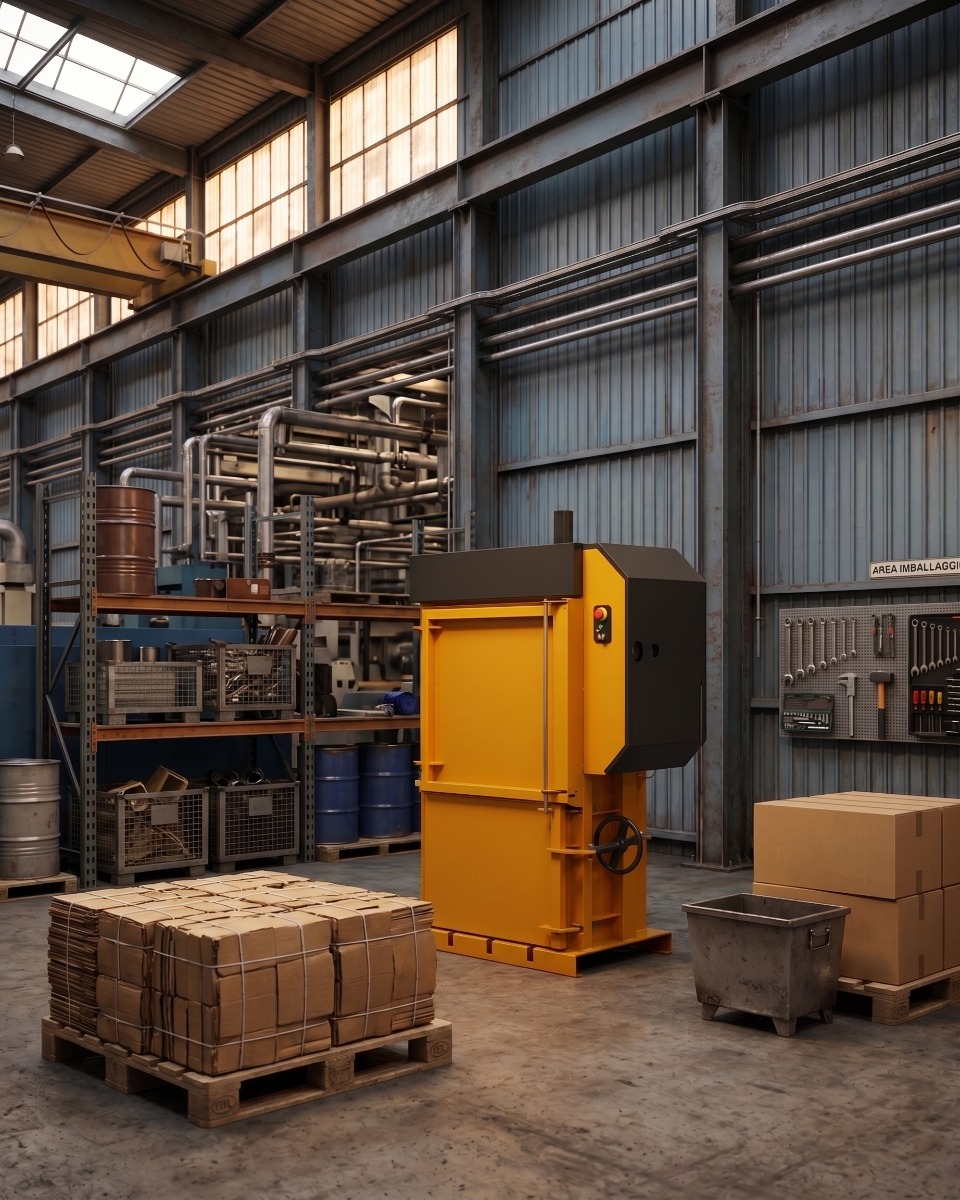 The dimensions The declared machine dimensions are only a fraction of the space required. The loading area, operator access, the operations planned to extract the compacted material, and any equipment used to move it must be considered. A baler that physically enters the room may still be impractical if doors, operating areas, or paths are obstructed by walls, shelving, and other equipment.
The design should follow the material's path from arrival at the baler to its next destination. Reducing unnecessary steps can improve organization and reduce the need to repeatedly move uncompacted material. Location near the production point must also be evaluated based on environmental conditions and requirements. The floor plan therefore becomes a practical tool for comparing different configurations before purchasing.
Automation and organization of the work cycle
The presses They can feature different levels of automation, and this aspect must be tied to volumes and company organization. Simpler processes may be adequately managed with greater operator intervention, while larger flows may require different configurations. However, there is no absolute best level of automation. An additional function is useful only when it meets a specific process need.
Before making a choice, it's important to consider who will power the machine, how often, and how subsequent phases will be managed. This allows you to understand whether certain features could actually reduce operational activities or prove excessive compared to needs. Automation must follow the business process, not to become a purchasing criterion independent of the quantities handled and the staff organization.
Safety and technical features to check
A press This is professional equipment that must be selected, installed, and used in compliance with the manufacturer's documentation and applicable regulations. Control systems, safety features, loading area access, and operating procedures should not be evaluated superficially. Before purchasing, it is necessary to examine the model's technical specifications and verify that they are consistent with the company's intended use.
Operator training, maintenance, and inspections must also be incorporated into the machine's organization. A properly sized press does not eliminate the need for clear procedures for its use. Features can vary significantly between vertical, horizontal, and other configurations, so the manufacturer's specific specifications remain the operating guide. Commercial comparisons should therefore also include available documentation, not just capacity and dimensions.
Mistakes to avoid when choosing a press
A common mistake is to start with the machine without first quantifying the materials. This can lead to choosing an oversized configuration or a press that requires cycles too frequent for the actual volumes. A second mistake is to generically classify the material as cardboard or plastic without verifying its compatibility with the model. The technical documentation must clarify which materials and operating conditions are expected.
It's equally important to consider more than just the baler's footprint. The operating area, bale extraction, handling, and subsequent storage may require additional space. Ignoring these steps means analyzing only part of the process. The choice should instead take into account: material, quantity, machine, operators and internal logistics, so as to identify any critical issues before installation and not when the press is already inserted in the department.
How to identify the press most consistent with the company process
Compare the different types of waste balers This means starting with operational data: materials produced, quantity, frequency, available space, and handling methods. These parameters allow you to determine whether to opt for vertical, horizontal, or other balers compatible with your business cycle. You can then compare the loading opening, characteristics of the compacted material, power supply, overall dimensions, and features provided by the individual models.
Holity, Specialist in professional supplies for companies, institutions and structured organizations, represents a qualified partner also for waste management and operational equipment categories. The selection of a baler should be approached as part of the company's organizational structure, always verifying the machine's technical specifications and intended use. Pre-emptively identifying the flows to be managed allows you to narrow the comparison to configurations that are truly consistent with the materials, volumes, and available space.
 English
  Italian
 French
 German
 Spanish