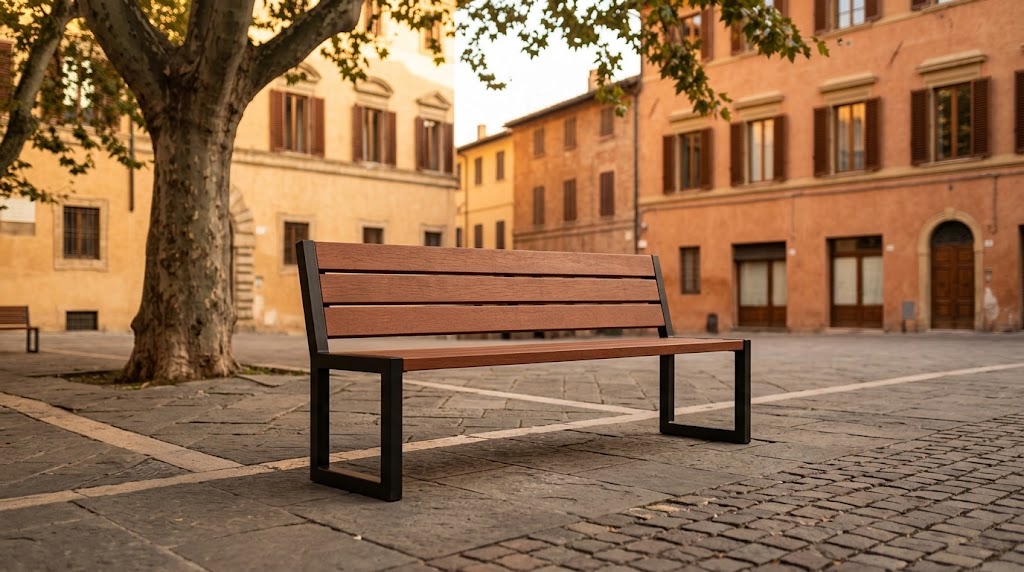
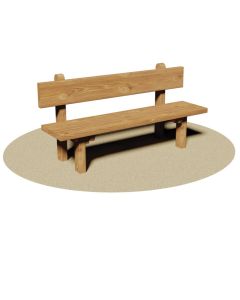
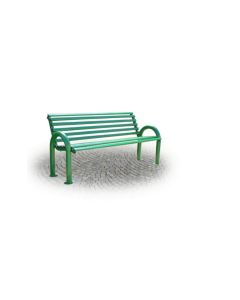
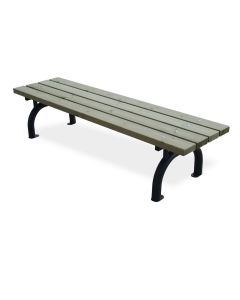
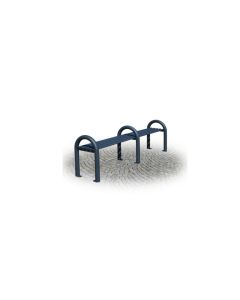
The benches for street furniture They are among the most important elements in the design of public spaces. Installed in parks, squares, historic centers, pedestrian areas, gardens, and public transport stops, they offer a resting place and help make urban environments more welcoming and usable.
Choosing an outdoor bench for a public space, however, isn't just about aesthetics. Materials, weather resistance, size, backrest, fastening system, and maintenance are all features that must be considered based on the installation location and intended use.
How to choose benches for street furniture
A bench for public spaces It must integrate with the surrounding environment and meet user needs. In historic city centers, shapes and finishes consistent with the architectural context may be preferable, while in contemporary urban areas, benches with a modern, modular, or minimalist design are more suitable.
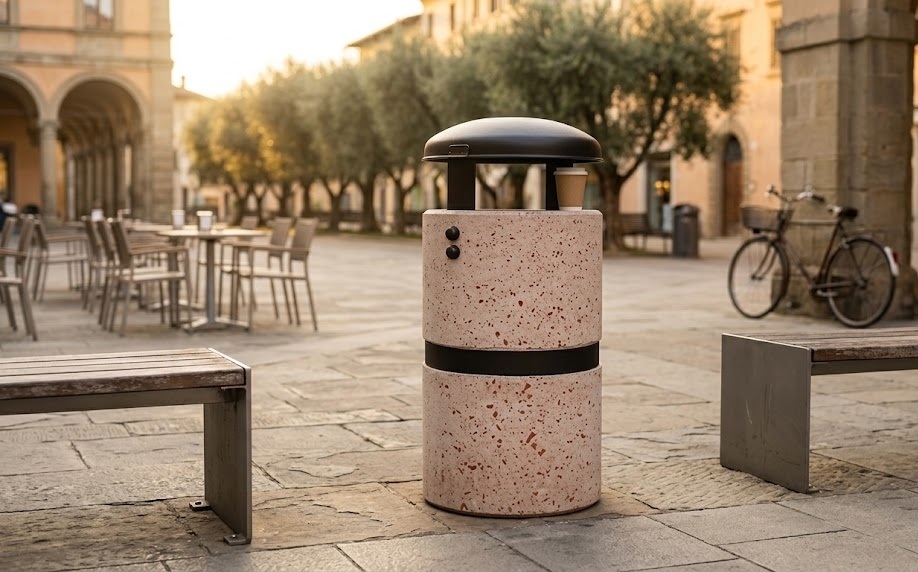
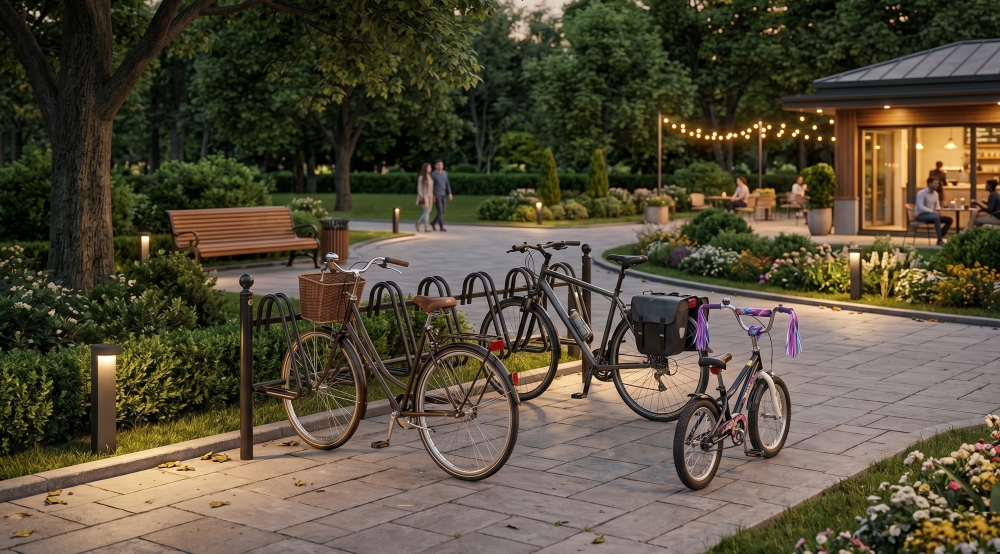
The choice must also be coordinated with other street furniture elements, such as lighting, planters, litter bins, bicycle racks, and other amenities in the area. The goal is to create a functional and visually coherent public space.
What materials should you choose for an outdoor bench?
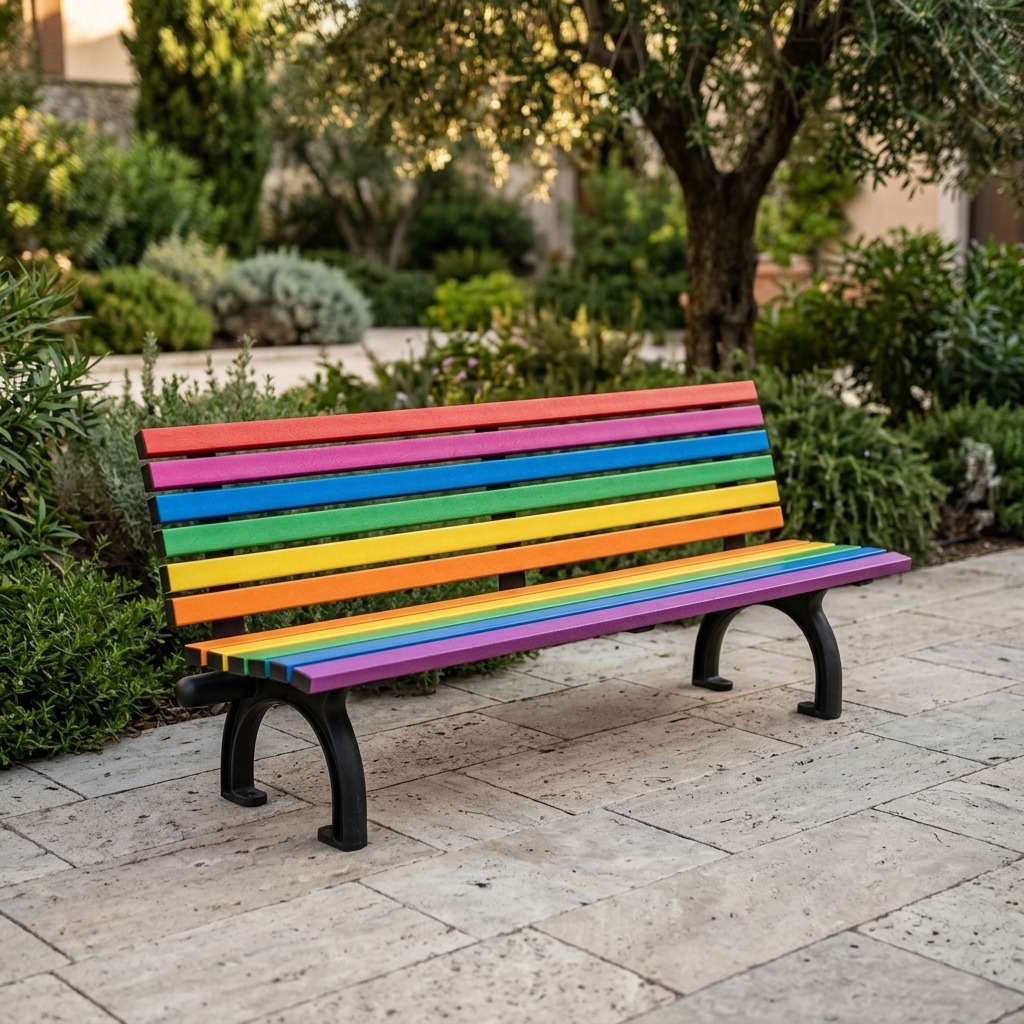 Material is one of the main selection criteria because an outdoor bench is constantly exposed to sun, rain, wind, cold, and temperature fluctuations. Among the most popular solutions are benches made of steel, cast iron, wood, and concrete, as well as models that combine different materials.
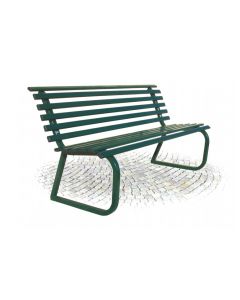
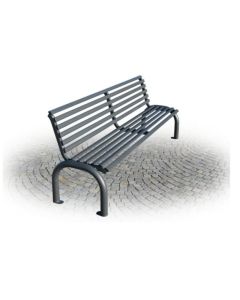
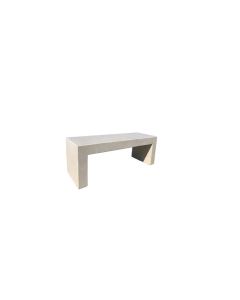
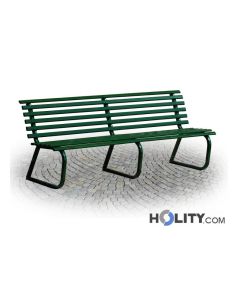
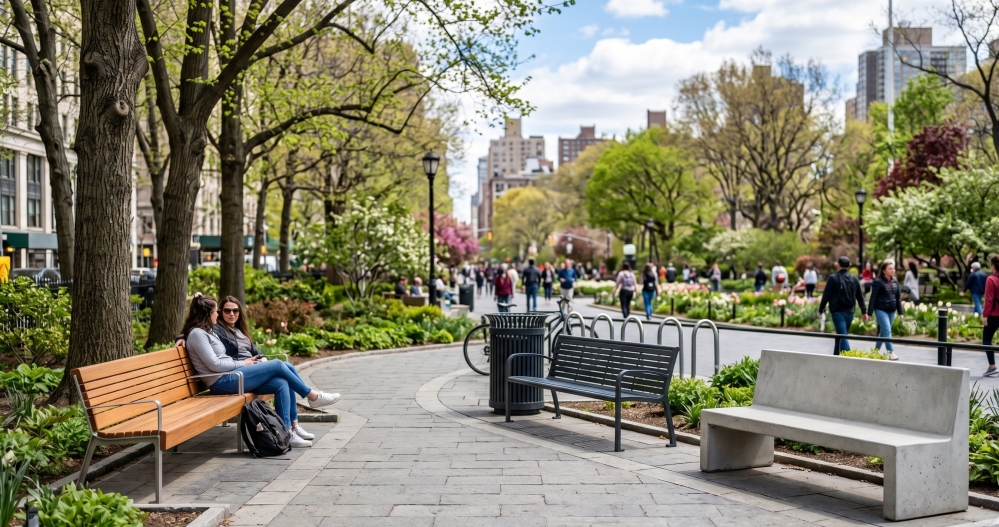
The metal benches They are suitable for many urban settings thanks to their sturdy structure and the variety of shapes available. Models with wooden elements, on the other hand, combine a sturdy structure with a warmer, more natural look. Concrete benches are characterized by high stability and are particularly suitable when a permanent and sturdy solution is needed.
Benches with or without backrests?
The presence of the backrest depends above all on the function of the seat. bench with backrest It offers greater support during prolonged stops and is therefore a suitable solution for parks, gardens, squares and waiting areas.
The benches without backrests They have a more streamlined structure and can be used in passageways or spaces where space is essential. Some models also allow the seat to be used on both sides.
Modern, classic and modular benches
The design should be chosen based on the context. Traditional benches, for example, with metal frames and slatted seats, can easily fit into historic city centers, gardens, and traditional squares.
For contemporary redevelopment interventions, however, there are modern benches for street furniture Characterized by essential geometries, curved lines, and modular configurations. The modular systems also allow for the creation of linear or circular seating, adapting them to the layout of the space.
Benches for parks, squares and public spaces
The intended use directly influences the choice. In parks and public gardens, it's important to create rest areas along paths and gathering areas. In squares and pedestrian zones, benches can help organize space and encourage people to stay.
Finally, at public transport stops, seating must be chosen based on available space and the need to provide a convenient waiting area for users. Therefore, there's no single bench that's right for every context: the model must be selected based on the specific characteristics of the area.
Fixing the benches to the ground
Another factor to consider is the installation system. For benches intended for permanent installation, depending on the model, it is possible to provide floor-fixing systems or other anchoring methods specified by the manufacturer.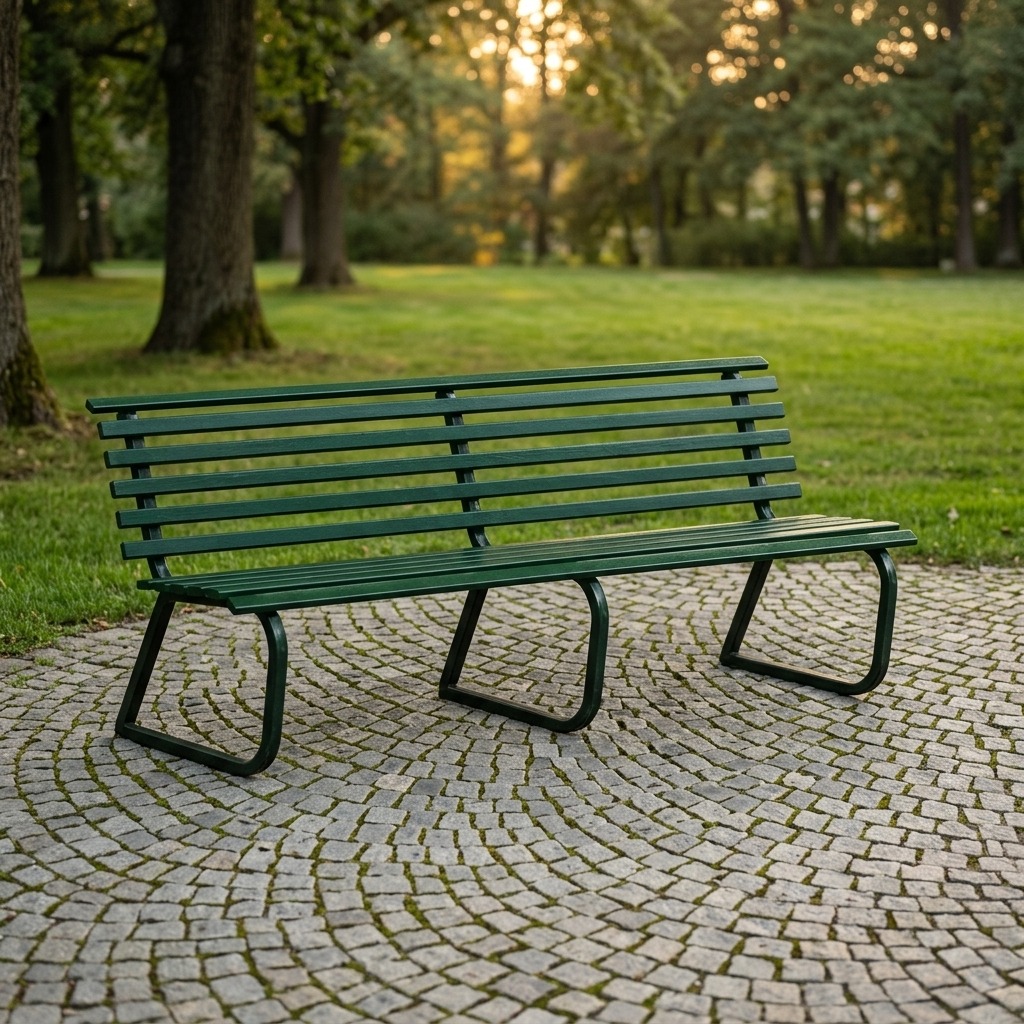
Self-supporting solutions can be considered when the weight and configuration of the structure guarantee the required stability, or when it's necessary to be able to modify the layout of the space. Before installation, it's therefore essential to always check the product's technical specifications and the characteristics of the installation surface.
Maintenance and durability of outdoor benches
For a public administration or anyone managing a space open to the public, it's also important to consider long-term maintenance. Materials and finishes must be chosen taking into account exposure to the weather, intensity of use, and ease of cleaning.
A correct initial assessment allows us to identify durable outdoor benches and appropriate to the context, simplifying the management of public spaces during their use.
Benches for street furniture: what features should you consider?
Before choosing it is therefore useful to compare material, dimensions, design, presence of the backrest, fastening system, maintenance and intended useA bench intended for a park will have different needs than a seat for a historic center, a contemporary square, or a public transport stop.
The benches for street furniture They're more than just a place to sit: they contribute to the usability and organization of public spaces. Choosing the right model allows you to combine comfort, durability, and aesthetic integration with the surrounding environment.
 English
  Italian
 French
 German
 Spanish