Choosing playground equipment for children for schools and nurseries requires considering age, available space and planned activities. Slides, swings, spring riders and multi-play structures provide different experiences and should be included within a coherent overall layout. Evaluating surfacing, inclusion, materials and maintenance also helps identify suitable solutions for the educational setting and create a functional, accessible space designed for everyday use.
The planning starts from the age of the children and the available space
A nursery, a preschool, and a primary school accommodate children with different levels of independence and mobility needs. Before selecting equipment, it's therefore necessary to identify the age groups who will use the space and verify the stated purpose of each product. Height, access points, platforms, and the complexity of the routes must be consistent with the intended users. This first step allows you to eliminate irrelevant structures from the comparison before even considering materials and price.
The second variable is the actual available space. Knowing the garden's total area isn't enough; the area's shape, access points, trees, fences, paths, and other existing features must also be considered. Each piece of equipment also takes up space beyond the mere physical footprint of the structure. A plan therefore allows for a better distribution of functions and the construction of a more efficient garden. legible and proportionate play path.
Equipment must offer different gaming experiences
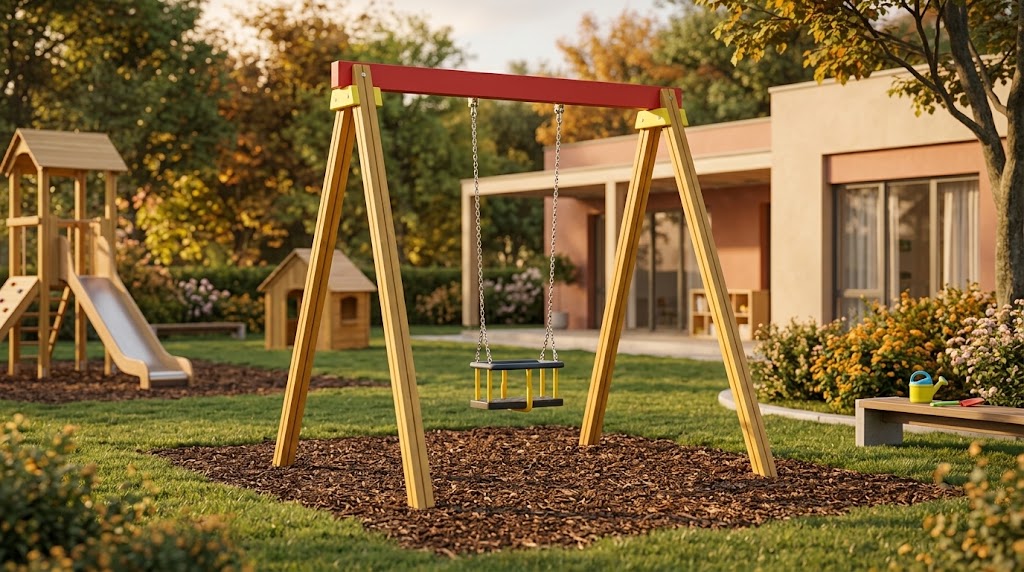
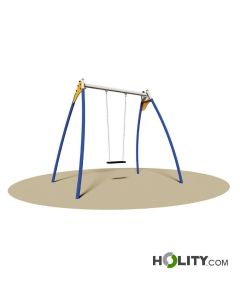
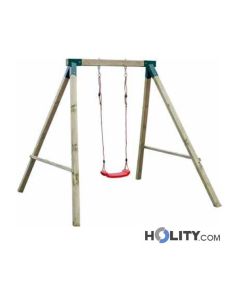
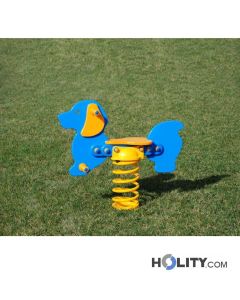
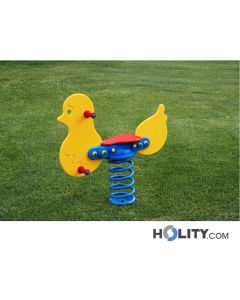
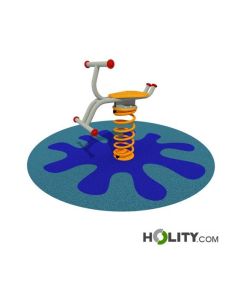
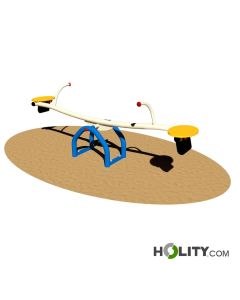
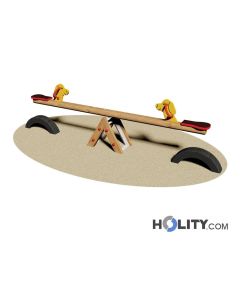
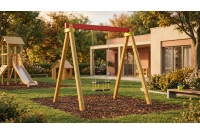
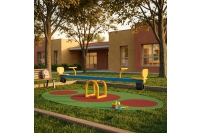
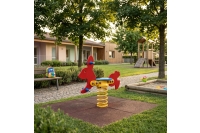
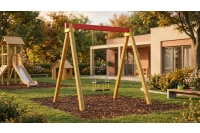
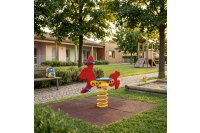
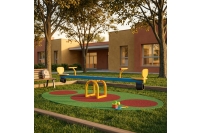
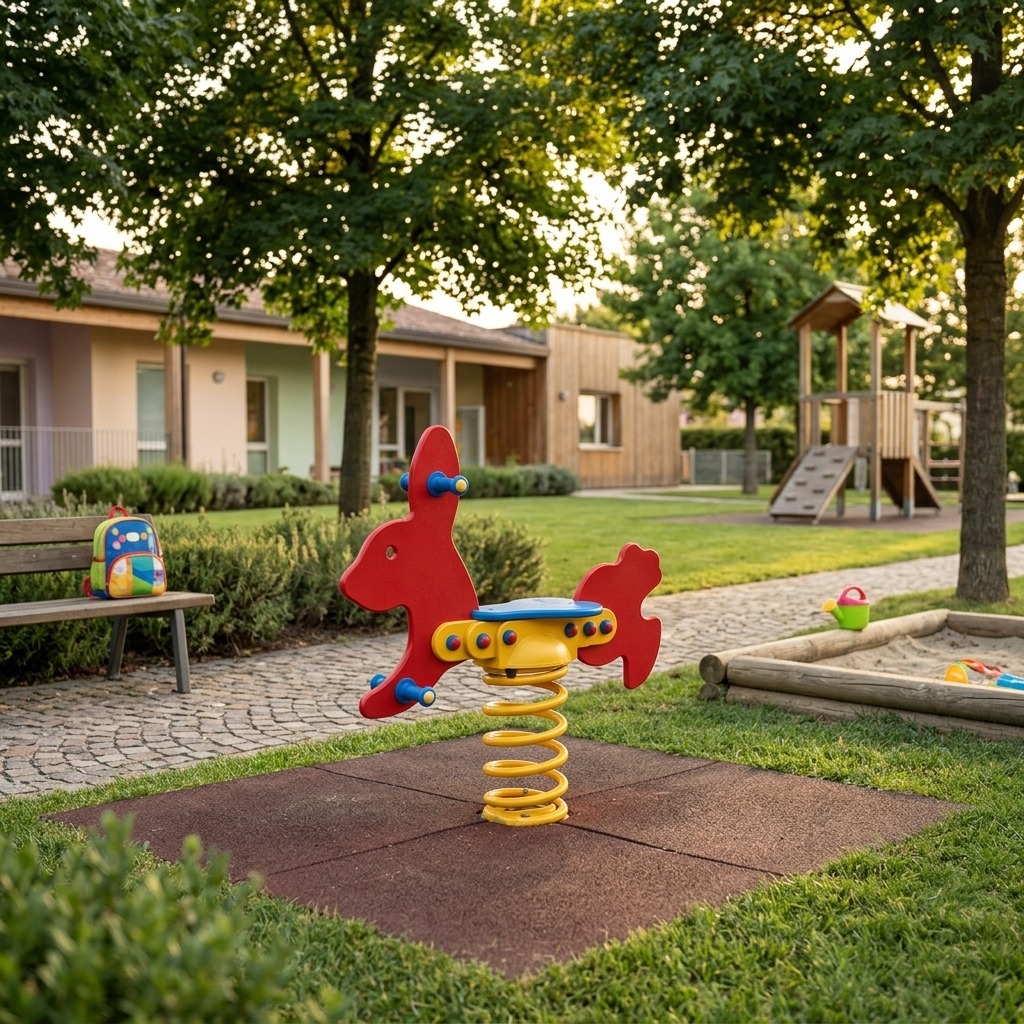 A children's area can incorporate equipment that encourages a wide variety of activities. Swings introduce an experience based on rocking motion, slides combine climbing and descending, while springers and playground equipment can engage balance and coordination. Playhouses and structures dedicated to symbolic play offer an experience less focused on speed and more open to interaction. The layout should avoid concentrating all the equipment on a single play style.
Multi-play structures allow you to combine multiple activities in a single system and can be particularly useful when space needs to be used in a coordinated manner. However, this doesn't mean that a larger structure is automatically the best choice. The number of entrances, platform layout, footprint, and age range should be reviewed in the product's specific data sheet. Holity, a specialist in professional supplies for schools, institutions, and public spaces., offers different equipment that allows you to build play areas starting from the activities actually required.
Motor development requires paths proportionate to children's abilities
Movement is a central component of the play experience and can be supported through structures that offer climbs, descents, swings, crossings, and changes of direction. However, the difficulty must be consistent with the age and intended purpose of the manufacturer. A course designed for older children shouldn't be chosen simply because it offers a greater number of activities. The quality of the project depends on the ability to propose adequate and progressive motor stimuli.
It can be helpful to plan activities of varying intensity within the same area. Some children may prefer dynamic structures, while others may prefer playhouses, panels, or games that allow for more peaceful exploration. This variety also helps better distribute users throughout the space. For schools and kindergartens, the design should therefore avoid excessive concentration of physical activity in the same spot and keep the different areas clearly identifiable.
Inclusion must be part of the entire play project
An inclusive area shouldn't be built by adding a single play area separate from the rest of the equipment. It's more useful to observe how children with different abilities can reach, understand, and share the diverse experiences present in the space. Accessible paths, activities suitable for different levels, and areas where children can play together can help make the area more participatory. The evaluation must therefore focus on the entire park organization and not just the presence of a specific piece of inclusive equipment.
The distribution of elements also affects the ability to participate in shared activities. An accessible game located far from the heart of the area risks becoming an isolated location, while an integrated design can create greater continuity between the different experiences. Holity, reference point for furniture playground and professional solutions for collective spaces, also includes in its catalog inclusive games alongside traditional playground equipment. This variety allows us to address inclusion as a cross-cutting design criterion and not as a separate category.
Flooring and free spaces complete the choice of equipment
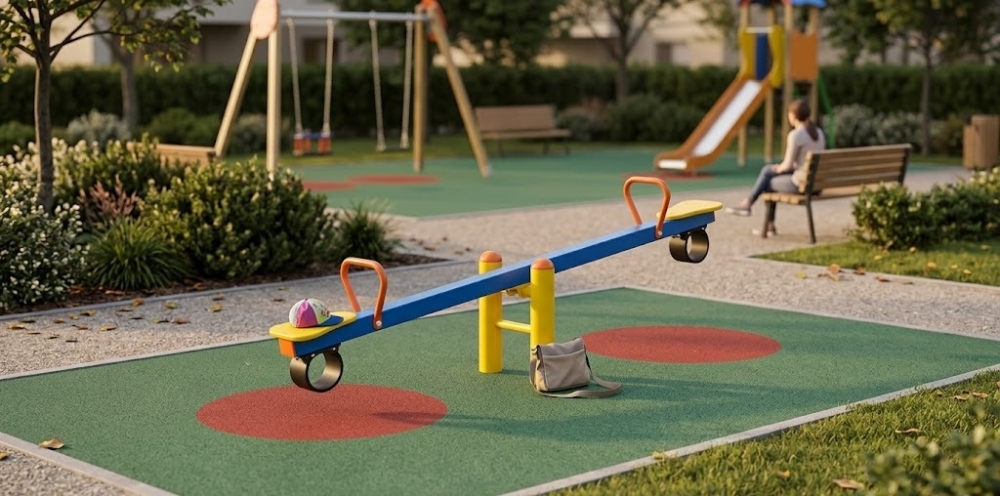
The underlying and surrounding surface must be considered when selecting the play equipment. The required characteristics vary depending on the equipment, heights, and conditions envisaged in the project, so flooring should not be selected solely based on color or ease of installation. The size and layout of open spaces around the play equipment must also be assessed. The result must be a system in which the structure and surface are designed as interconnected elements.
For playground equipment, the European series EN 1176 covers requirements and methods for structures and surfaces, while EN 1177 covers methods for determining the impact attenuation of flooring. Recent European documentation continues to reference these families of standards for playground safety. Before purchasing, it is therefore advisable to check the standards and versions applicable to the specific equipment selected. Game, surface and installation they should not be evaluated as standalone purchases.
Materials and construction affect the lifespan of the play area
Equipment installed outdoors is exposed to rain, sun, temperature fluctuations, and repeated use. Wood, metal, polyethylene, and technical panels have different characteristics and must be evaluated based on the product's overall construction. It's not enough to choose a material considered generally robust, as finishes, connections, and anchoring systems also affect its durability. The technical data sheet allows you to understand which materials are actually used in the different parts of the structure.
Aesthetic context can also influence the choice. Wood can integrate with green areas and school gardens, while plastic materials and colored panels can be used in more contemporary configurations. However, this criterion must remain subordinate to the intended use, maintenance, and technical characteristics. A professional supply should combine materials, environmental exposure, intensity of use and future management, avoiding choosing exclusively based on the photographic aspect.
Schools and kindergartens require different configurations
In daycare centers and preschools, it's especially important to select structures appropriate for young children and supervised activities within educational spaces. Playhouses, small slides, springers, and simple motor skills setups can be combined with areas dedicated to symbolic play. Dimensions should be adjusted to the height and age range of the product. The layout of the space should also facilitate supervision and keep different areas easily identifiable.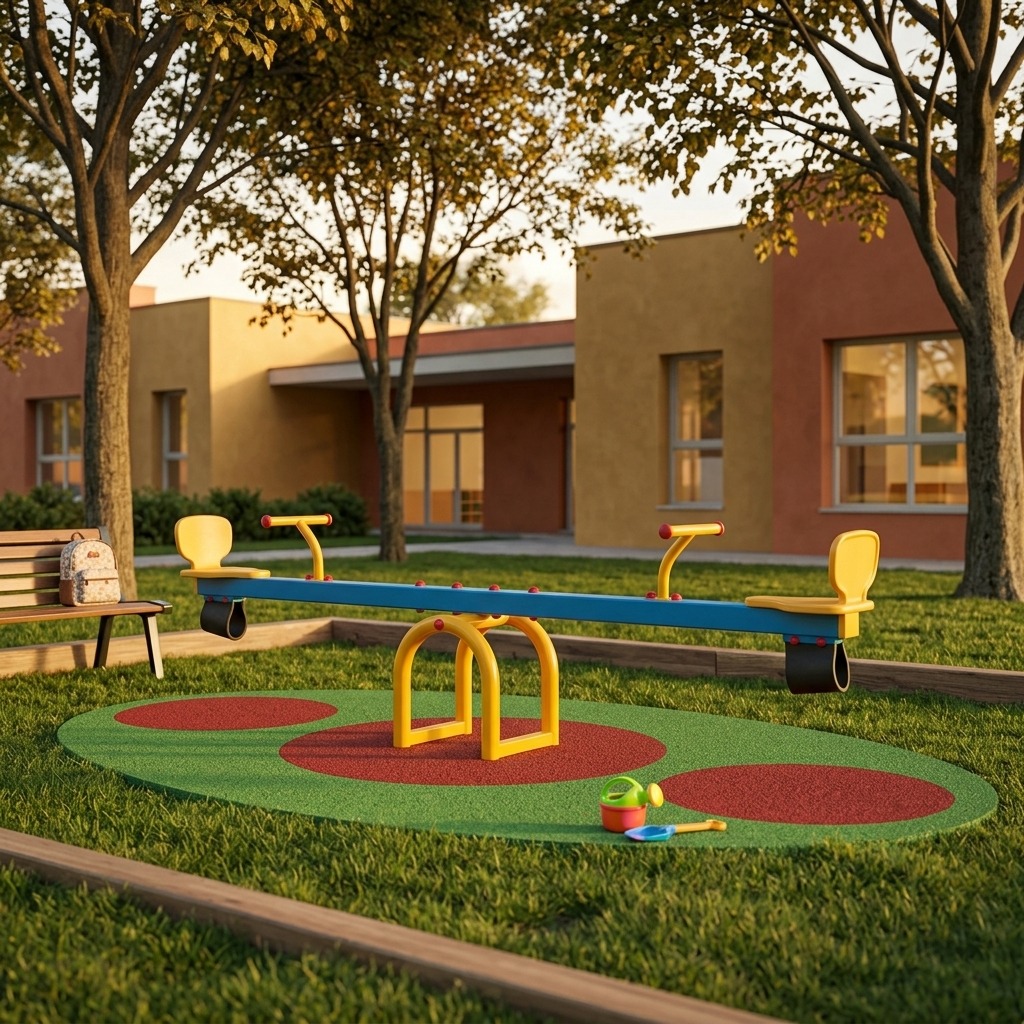
In schools attended by older children, however, facilities that offer more structured itineraries and a greater variety of physical activities may be considered. This does not eliminate the need for less dynamic areas and opportunities for shared play. Holity has both a category dedicated to play furniture for nursery school and a broader catalog for playgrounds and outdoor spaces. Buyers can thus distinguish equipment based on its intended purpose, rather than using the same configuration for every educational facility.
Installation, checks and maintenance must be planned from the beginning
Area management continues after the equipment has been installed. Fasteners, moving parts, surfaces, and parts subject to wear must be inspected according to the manufacturer's instructions and the facility's established procedures. Cleanliness and the ability to easily inspect various parts also impact daily organization. Therefore, maintenance should be considered when comparing products, not just once the area is operational.
The same applies to installation, which must comply with the product's configurations, spaces, and anchoring systems. A modification made to adapt the play equipment to an unsuitable area can alter the original design and make subsequent management more complex. It's best to check the terrain, surfaces, and space required for installation in advance. This way: installation and maintenance become purchasing criteria and contribute to the continuity of use of the area.
A coordinated supply makes the entire educational area more functional
Before placing an order, it's helpful to define the age group, available space, approximate number of users, and the activities you want to include. This information allows you to better distribute slides, swings, springers, playhouses, and more complex compositions. Flooring and walkways must be considered simultaneously. This way, the supply becomes a unified project in which each element fulfills a recognizable function.
Holity, a leader in the selection of professional playground furniture for schools, kindergartens, institutions, and community spaces., offers traditional games, multi-game compositions, inclusive solutions and flooring designed for projects with different needs. To choose the rightchildren's playground furniture It's helpful to avoid standard formulas and start with the characteristics of the educational facility. Age, space, inclusion, physical activities, materials, and maintenance must be considered together before determining quantities and layouts. An area designed with this approach can offer children diverse experiences within a more orderly, accessible space, consistent with daily use.
 English
  Italian
 French
 German
 Spanish