The pleasure of a hot bath or a water treatment is ageless.hydrotherapy Use water, hot or cold, to promote well-being, relaxation, and mobility, especially in situations where the person has mobility difficulties or limited independence. Hot water can help relax muscles, while cold water is often used for a tonic and stimulating effect.
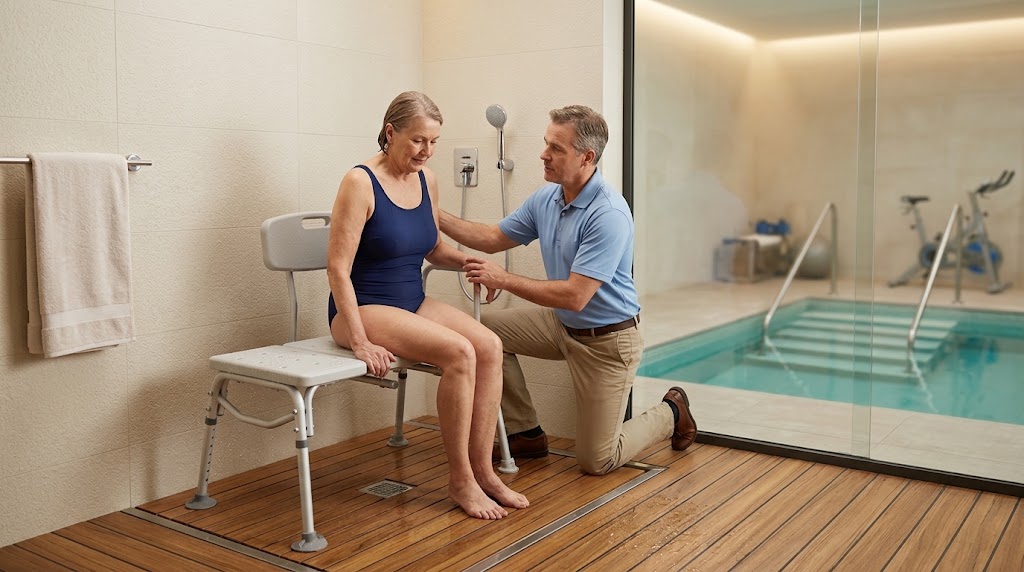
When talking about hydrotherapy for the disabled or of rehabilitation in the water. It's important to consider not only the benefits of water, but also the aids needed to make bathing, showering, and treatments safer and more comfortable. Shower seats, tub seats, shower stretchers, and other aids can facilitate daily hygiene and improve the quality of care.
What is hydrotherapy and what is it used for?
The hydrotherapy It's a practice that uses water for wellness, relaxation, and therapeutic purposes. It may involve the use of hot water, cold water, jets, baths, compresses, sponge baths, or water exercises, always based on the individual's needs and the guidance of a professional.
Through water, the body receives thermal, mechanical, and sensory stimuli. Warm water is often associated with relaxation and muscle relaxation, while cold water can have a more tonic and stimulating effect. In rehabilitation programs, water can also facilitate certain movements, reducing the perception of body weight.
Origins and history of hydrotherapy
Hydrotherapy is a very ancient practice. Water was already used in ancient Egypt for healing and wellness purposes. The Persians, Greeks, and Romans also placed great importance on bathing, considering it not only a hygienic practice but also a moment of purification and physical recovery.
During the Roman era, spas and facilities dedicated to water treatments became widespread, making hydrotherapy practices a part of everyday life. After a period of lesser use in the Middle Ages, hydrotherapy began to spread again starting in the 17th century, especially in Central and Northern Europe.
Benefits of hydrotherapy for people with mobility disabilities
The benefits of hydrotherapy may be particularly interesting for people with motor disabilities, the elderly, or those with limited independence. Water can make some movements easier and less tiring, promoting a feeling of lightness and greater freedom during the activity.
For those with mobility difficulties, bathing and showering can be challenging. For this reason, in addition to water therapy, it's essential to provide appropriate aids that allow the person to sit, move around, and wash themselves more safely.
Main benefits of hydrotherapy
| Benefit |
What is it for? |
For whom it can be useful |
| Muscle relaxation |
Promotes relaxation and comfort |
Elderly, people with stiffness or reduced mobility |
| Mobility support |
Allows for lighter movements in water |
People undergoing rehabilitation or with mobility difficulties |
| Stimulation of circulation |
Alternating hot and cold water and targeted jets |
People who spend a lot of time sitting |
| Greater autonomy |
Make bathing and showering easier with appropriate aids |
People with reduced daily autonomy |
Pain relief hydrotherapy and water rehabilitation
Hydrotherapy practices can be divided into different applications. The analgesic hydrotherapy includes treatments such as sponging, compresses and massages with the aim of promoting relief and relaxation. Rehabilitation in the water, instead, includes activities designed to support the recovery or maintenance of motor skills.
Aquatic rehabilitation has become increasingly popular in recent years because it allows individuals to perform movements in an environment that reduces the perception of body weight. This can make some activities more accessible, provided they follow the instructions of physiotherapists, doctors, or qualified professionals.
Hydrotherapy for legs, circulation and mobility
The hydrotherapy for the legs It can be useful in programs aimed at improving circulatory health and mobility. Alternating between hot and cold water is often used to stimulate microcirculation and provide a feeling of lightness, especially for people who spend long hours sitting.
Even in the shower, you can make the treatment more comfortable with seats, stools, and stable supports. These aids allow the person to remain seated during personal hygiene and to alternate water jets in a safer and more controlled manner.
Shower and bath seats to make water treatments easier
For those with mobility disabilities or who have lost some independence, getting in and out of the bathtub can be challenging. In these cases, specific aids can be used, such as bathtub seats, fold-up shower seats, shower stools, and shower stretchers, which make daily hygiene management safer.
Wheelchair accessible bath seats allow you to sit while getting in, out, or while using the tub. Folding shower seats, on the other hand, are a practical and space-saving solution, ideal when you don't have a tub or when you want to make your shower more accessible.
What aids are needed for hydrotherapy and aquatic rehabilitation?
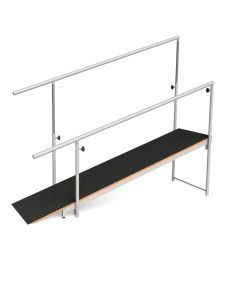
The choice of aids depends on the person's level of independence, available space, and the type of assistance needed. In home bathrooms and healthcare facilities, shower seats, non-slip stools, bath seats, grab bars, shower stretchers, and transfer aids can be useful.
| Aid |
Function |
When it is useful |
| Shower seat |
It allows you to wash while sitting down |
For the elderly and people with balance difficulties |
| Bath seat |
Makes entry and stay in the tub easier |
For those who have difficulty getting in or out of the tub |
| Folding seat |
Space-saving wall-mounted solution |
For small showers or accessible bathrooms |
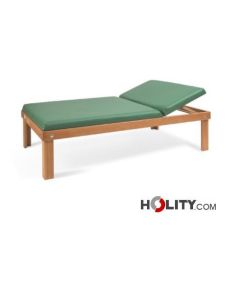
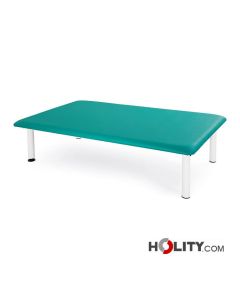
| Shower stretcher |
Supports assisted washing |
For healthcare facilities, nursing homes and assistance to non-autonomous patients |
Safety when bathing, showering and using water treatments
To make hydrotherapy and personal hygiene safer, it's important to reduce the risk of slipping, facilitate transfers, and ensure the person's stability. Wet floors, limited space, and difficult movements can increase the risk of falls, especially in people with mobility disabilities or advanced age.
The use of appropriate aids must always be accompanied by a proper assessment of the environment and, when necessary, the support of a caregiver. This way, bathing or showering can become safer, more comfortable, and respectful of the individual's independence.
Frequently Asked Questions about Hydrotherapy
What is hydrotherapy?
Hydrotherapy is the use of water, hot or cold, to promote well-being, relaxation, mobility support, and treatments aimed at rehabilitation or personal comfort.
What is hydrotherapy for?
Hydrotherapy can be used to promote muscle relaxation, stimulate circulation, support mobility, and make certain rehabilitation or personal hygiene activities more comfortable.
Is hydrotherapy good for your legs?
Hydrotherapy for the legs can be useful for promoting a feeling of lightness and stimulating microcirculation, especially through alternating hot and cold water or targeted jets.
Is hydrotherapy suitable for people with mobility disabilities?
It can be useful in wellness or rehabilitation programs, but must be evaluated based on the person's condition and always with the support of qualified professionals.
What aids are needed to enter the pool or shower safely?
Aids may include shower seats, bath seats, non-slip stools, grab bars, shower stretchers, and transfer systems, chosen based on the level of independence and the available environment.
Hydrotherapy and aids: well-being, comfort, and greater autonomy
Hydrotherapy can be a useful aid in promoting relaxation, mobility, and comfort, especially when combined with appropriate bathing, showering, and transfer aids. Seats, stools, supports, and shower stretchers help make daily water-related activities more accessible.
Thanks to solutions designed for safety and practicality, even people with limited independence can enjoy a more comfortable bathing or showering experience. Choosing the most suitable aids must always be based on the individual's needs, available space, and the level of assistance required.
 English
  Italian
 French
 German
 Spanish