Materials suitable for drinking water
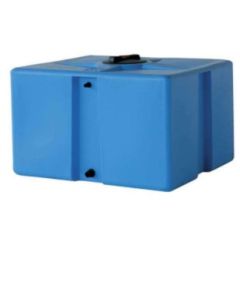
The materials used must be chosen in relation to the intended use of the water. Polyethylene tanks are very popular due to their lightness, resistance and availability in numerous formats, but for drinking water it is necessary to check the specific suitability of the model.
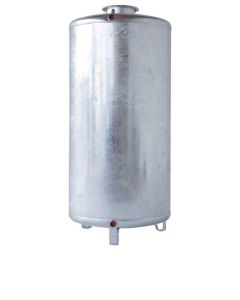
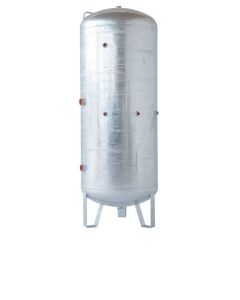
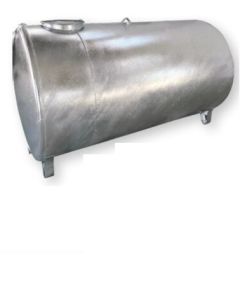
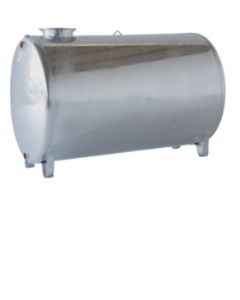
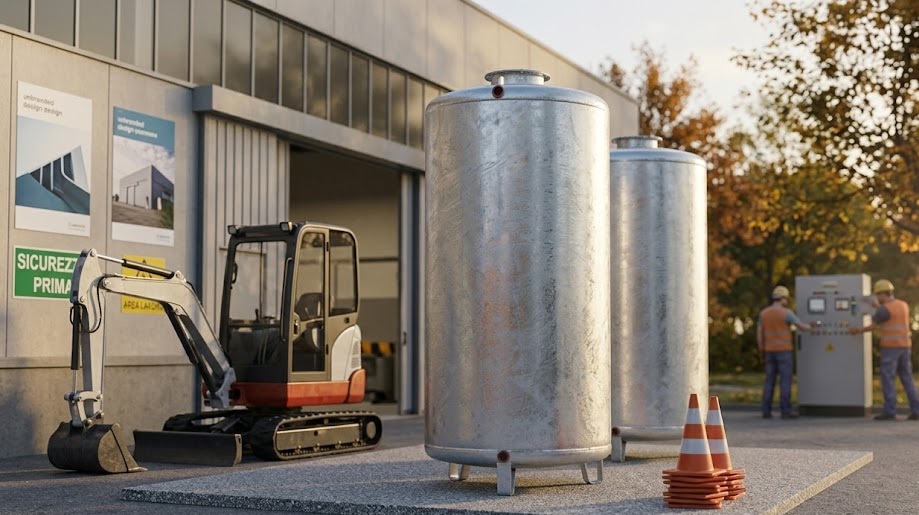
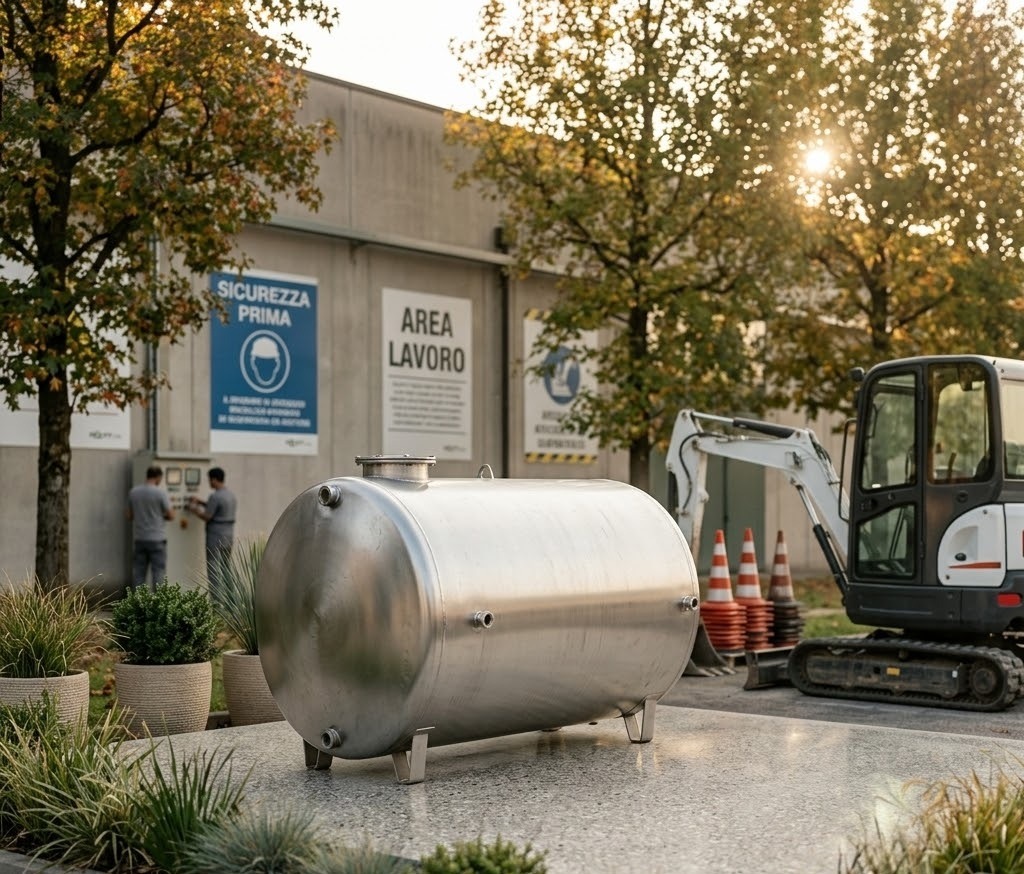
For particular applications, stainless steel, fibreglass or other technical materials can also be used. The choice must consider hygiene, durability, environmental conditions and expected maintenance.
Drinking water and technical water: what changes
A tank intended for irrigation, washing or other technical uses may have different requirements than one intended for drinking water.
Technical water tanks can be used for non-food services, rainwater collection or professional applications. It is important to clearly identify the intended use and avoid using a container for drinking water that is not declared suitable.
Installing the water tank
The installation must guarantee stability and accessibility. The tank must be positioned on a surface suitable for supporting the overall weight once full and must be installed in compliance with the manufacturer's instructions.
For outdoor models, exposure, protection from impacts and distance from points of use must be considered. For underground models, the characteristics of the soil, drainage, excavation and connections must also be evaluated.
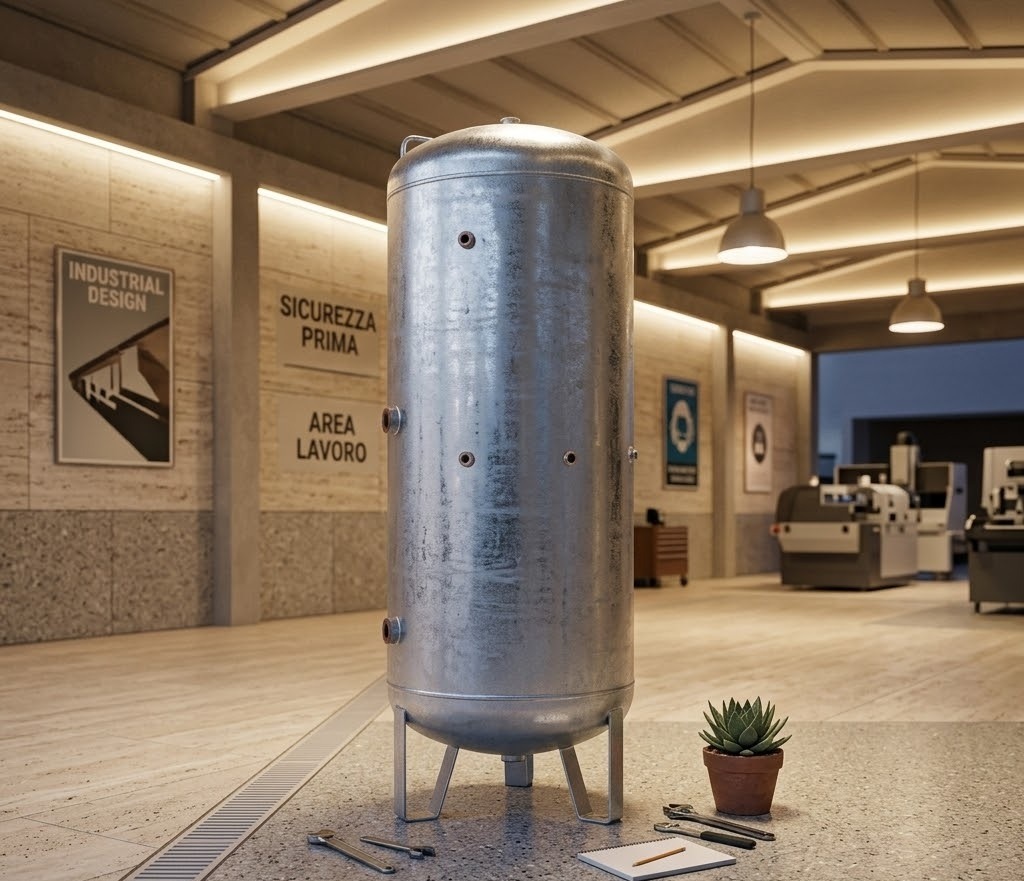
How is it installed? A system with a water tank is composed of
A system can include, in addition to the tank, pumps, fittings, valves, float switches, filters and level control systems.
The configuration depends on the function of the system. An irrigation reserve will be simpler than a system intended for the water supply of a building. For more complex systems, it is advisable to define the required flow rate, pressure and replenishment methods in advance.
Useful accessories for water management
Taps, fittings, level indicators, float switches, filters and pumps help make the system more practical and controllable.
In the case of rainwater collection, filters and overflow systems may be useful, while in systems intended for the supply of utilities it may be necessary to integrate a suitable pump.
Tank maintenance
Maintenance depends on the material and the intended use. It is advisable to periodically check the tank, lid, fittings, valves and connection systems, intervening in the event of leaks or deterioration.
For tanks intended for drinking water, cleaning and management must be carried out with particular attention to preserve the conditions of the water reserve.
How to choose the most suitable tank
Before purchasing, it is useful to evaluate:
- type of water to be stored;
- quantity required;
- domestic, agricultural or professional use;
- available space;
- internal, external or underground installation;
- shape and size of the tank;
- need for pumps, fittings or other accessories;
- frequency of use and maintenance.
Holity , a specialist in professional supplies for companies, hospitality facilities, institutions and production activities, offers solutions for different water accumulation and storage needs.
Frequently asked questions about water tanks
Which tank should I choose for drinking water?
It is necessary to choose a model expressly declared suitable by the manufacturer for contact with drinking water, also evaluating capacity, material and installation method.
How many litres should a tank for domestic use have?
There is no single capacity: it depends on the number of users, the expected consumption, the function of the reserve and the frequency with which the tank can be filled.
Where can a water tank be installed?
Depending on the model, it can be installed outside, in a technical room or underground. It is always necessary to check the indications provided for the chosen product.
What is the difference between a drinking water tank and a technical water tank?
The drinking water tank must be specifically suitable for this use, while those for technical water can be used for irrigation, washing, rainwater collection or other non-food uses.
 English
  Italian
 French
 German
 Spanish
 How to choose the tank capacity