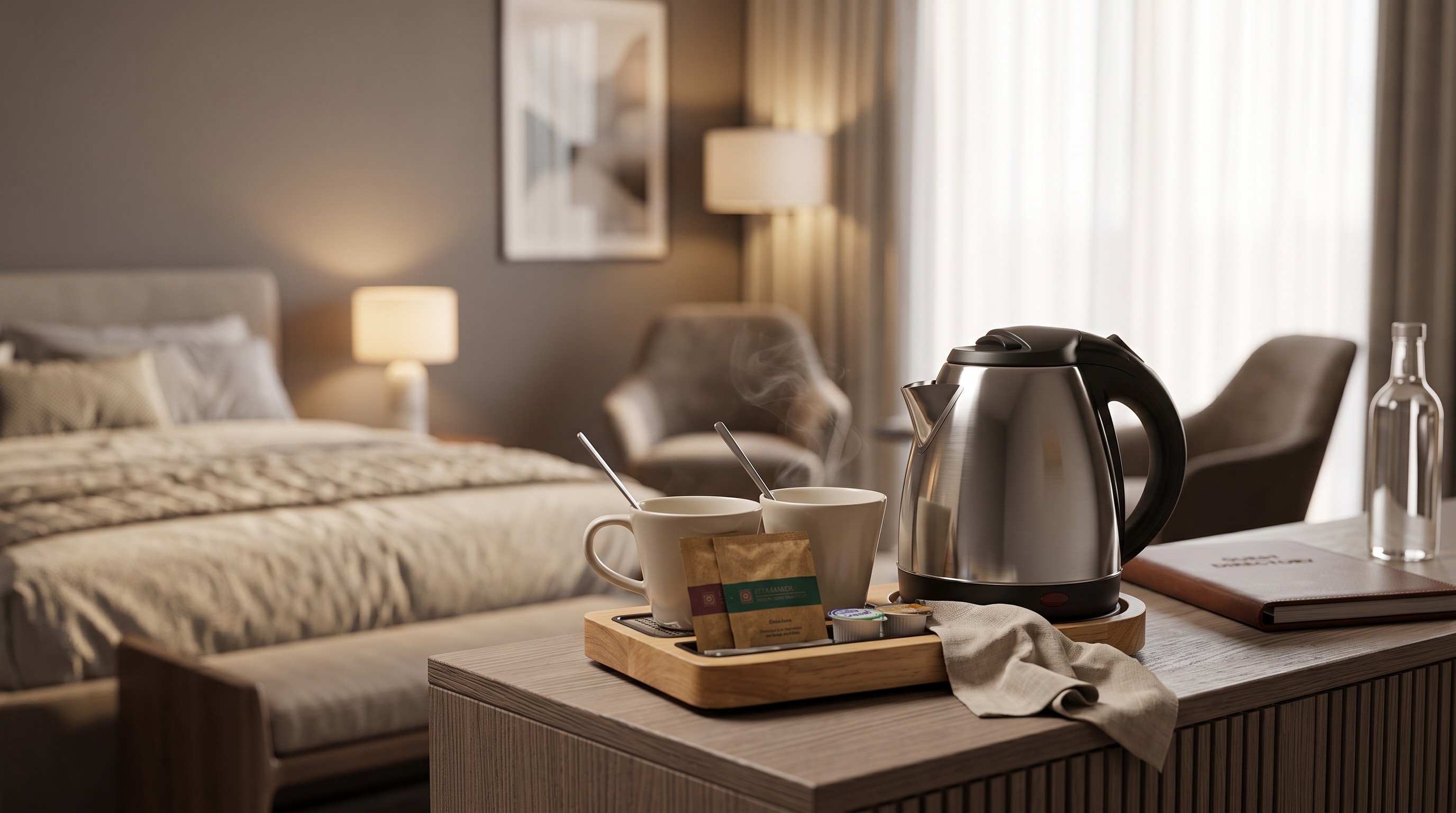
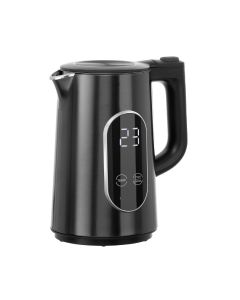
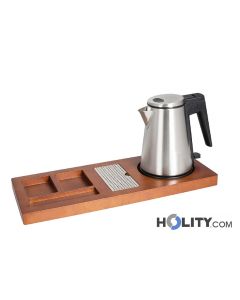
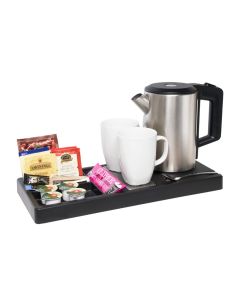
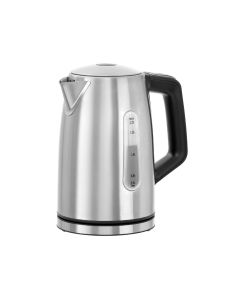
Inserting a hotel kettle in a room means designing a small service area that must be immediately understandable to the guest and consistent with the rest of the environment. The choice of product is important, but alone does not determine the quality of the result. Position, support surface, accessories, proximity to a socket and relationship with the other elements of the room contribute to transforming the kettle into a feature truly integrated into the stay experience.
For a hospitality facility, the issue also concerns internal organization. The station must be able to be checked, cleaned and reset by the staff without unnecessarily complicating the tidying of the room. A well-designed layout therefore seeks a balance between guest comfort, visual order and ease of management. It is It is precisely this relationship that distinguishes a thoughtfully placed appliance from a small appliance simply placed on an available piece of furniture.
The kettle as part of the guest experience
The value of the kettle in the room depends above all on the possibility of offering the guest a service that can be used independently. The presence of a dedicated station allows the preparation of a hot drink without necessarily having to resort to the other services of the structure. This element can take on a different meaning based on the positioning of the hotel, the type of clientele and the average length of stay, but it should always be presented in an orderly and intuitive way.
The experience is not determined only by the presence of the product. A kettle placed in a difficult-to-access area, surrounded by uncoordinated objects or without a space clearly intended for accessories can convey a feeling of improvisation. On the contrary, a recognisable composition makes the experience more enjoyable. immediately understand the service. The customer's perception arises from the entire setup, not from the single technical feature of the appliance.
Choosing the right position within the room
The position should be defined by simultaneously considering accessibility, availability of a socket and general organisation of the room. The kettle requires a stable surface and sufficient space to be used according to the manufacturer's instructions. Before choosing the final location, it is therefore advisable to check the model documentation and the conditions foreseen for its use, avoiding improvised placements or those incompatible with the appliance's instructions.
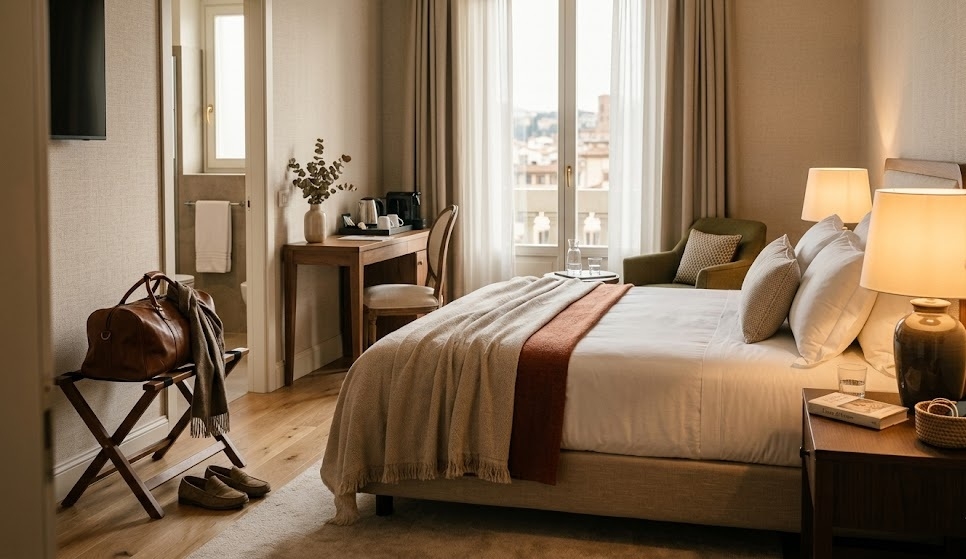
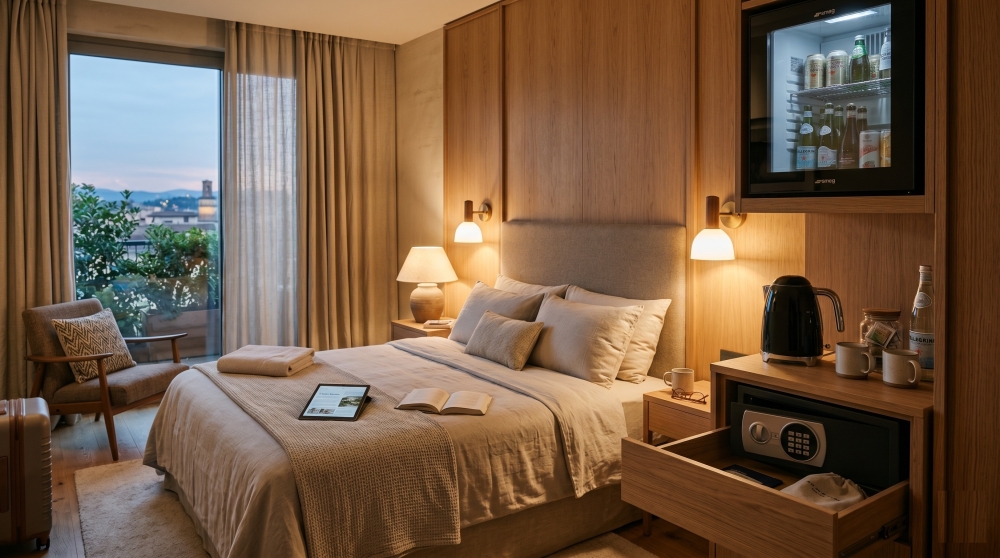
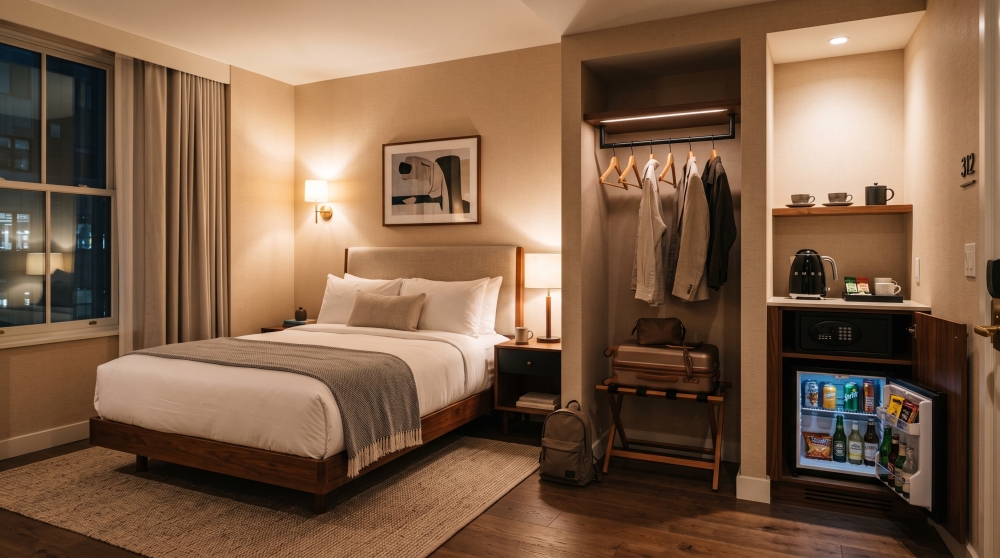
From a design point of view, the location should be easy to identify without becoming the dominant element of the room. A dedicated area for courtesy amenities, a service cabinet, or a coordinated composition with the minibar can offer a natural placement. It is also important to consider the housekeeping work: staff must be able to easily reach the kettle and accessories to carry out the normal operations required by the facility.
Create a tidy station with tray and accessories
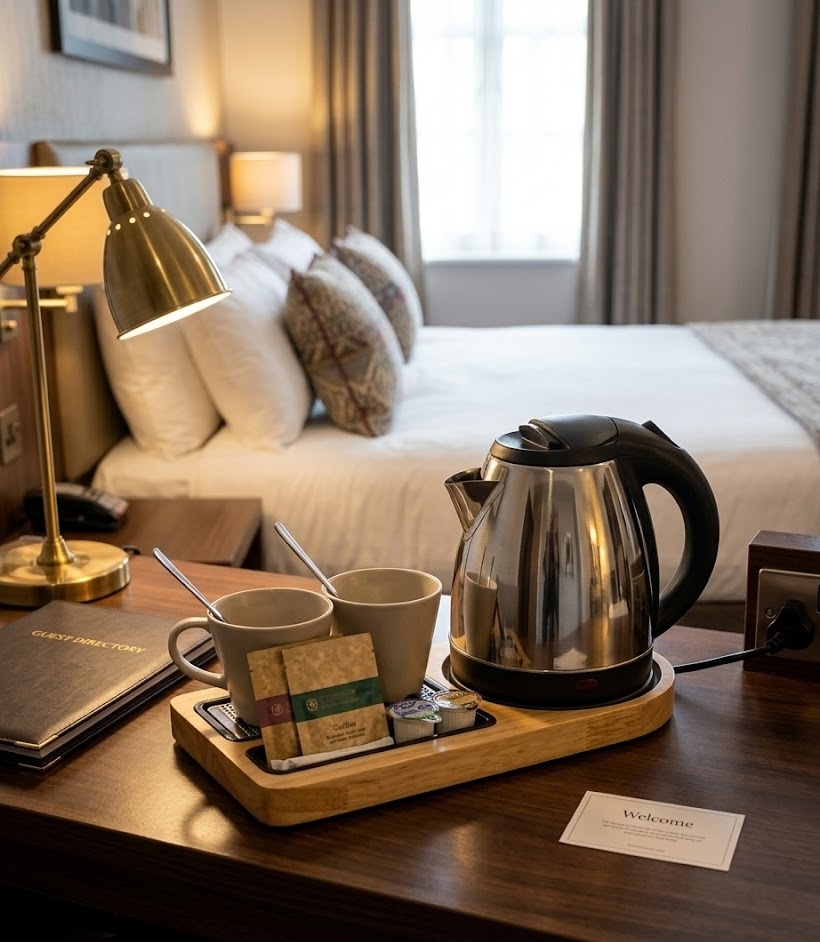
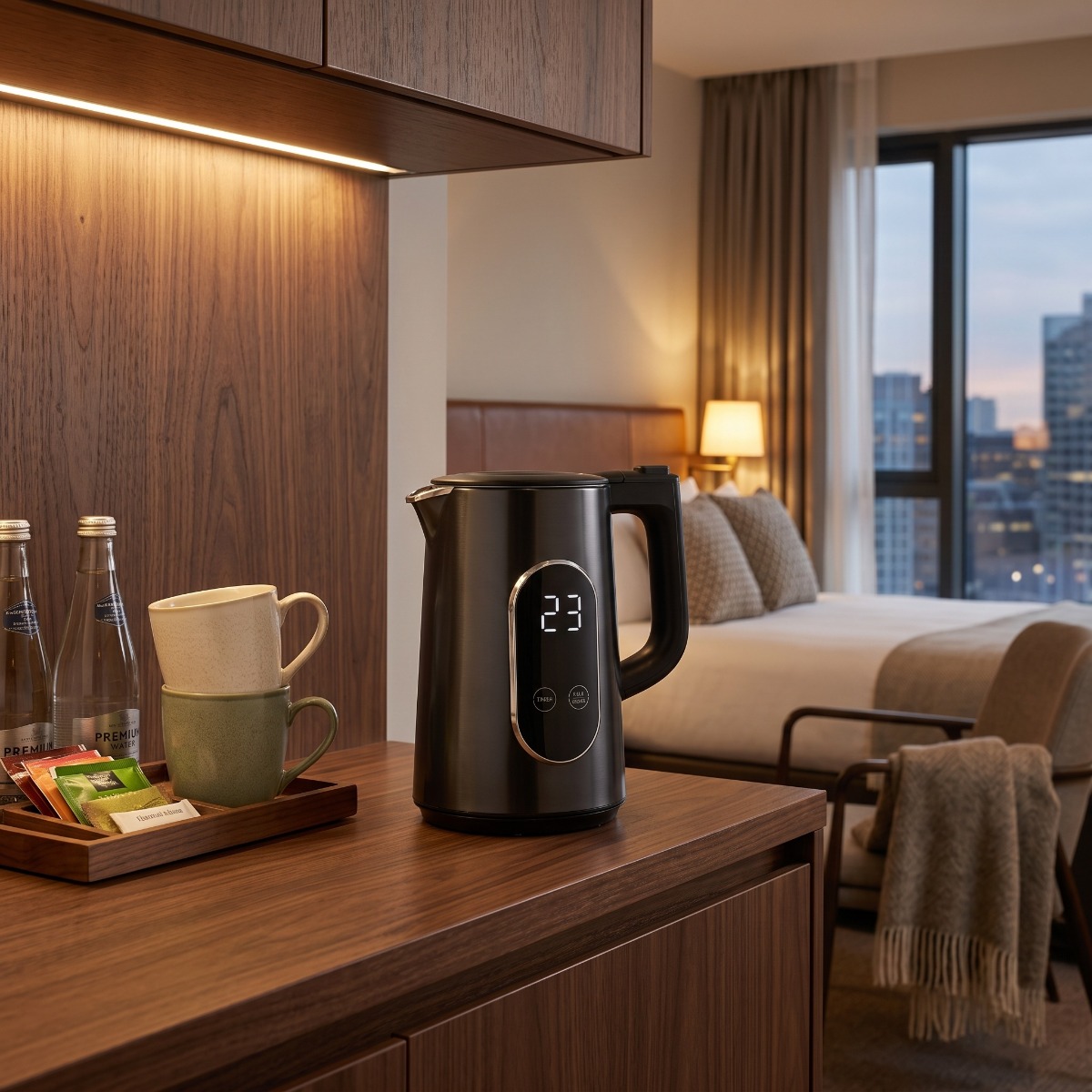 The kettle can be placed on a tray or in a coordinated system that collects the elements necessary for the service. This solution helps visually define the area and prevents small accessories from being randomly distributed on the cabinet. The configuration must be proportionate to the available space, because a tray that is too large can take up useful surface area, while an excessively compact composition can make it difficult to use.
The layout should follow a simple logic, in which each element has a recognizable position. This makes it easier for the guest but also for the staff in charge of tidying up, who can more quickly verify the completeness of the equipment. Holity, a specialist in professional supplies for hotels and hospitality facilities, offers solutions dedicated to room set-up that allow you to coordinate the kettle with trays and accessories designed for the hospitality sector.
Coordinate design and finishes with the room furnishings
The kettle generally remains visible and must therefore dialogue with the aesthetic language of the room. Color, material, shape and finishes can be chosen considering furniture, minibar and other accessories present. In a contemporary room it can An essential and discreet solution may be preferable, while environments characterised by a different layout may require a product capable of fitting in without creating a visual discontinuity.
Coordination does not necessarily mean choosing all the accessories in the same colour. It is more important to create a coherent whole in terms of proportions and style. A particularly bulky appliance may appear out of scale on a small piece of furniture, just as a very distinctive model may attract excessive attention. The design should accompany the furnishings of the room, keeping the kettle recognisable as a functional feature but integrated into the overall project.
Dimensions and capacity in relation to the available space
The dimensions of the kettle must be in relation to the surface on which it will be placed and the number of people for whom it is intended. The room is designed. A larger model is not automatically a better choice, especially when space is limited. Before purchasing, it is useful to compare the size of the appliance, any base, and the size of the tray, checking how much space will be available for the other elements of the station.
The capacity must be evaluated with the same logic. A single room may have different needs than a double or an accommodation intended for multiple guests. The selection should, however, respect the specifications of the individual product and the methods of use indicated by the manufacturer. The goal is to obtain a proportionate solution, avoiding both undersized equipment and appliances that unnecessarily occupy a significant part of the furniture.
Features that simplify use for the guest
When comparing multiple models, it is useful to observe how the guest will actually interact with the product. The handle, opening, indicators and methods of use must be easily understandable, especially because the same room may be occupied by different people every day. The features actually available must be verified in the technical data sheet, avoiding attributing to the product functions not declared by the manufacturer.
Good hotel equipment should reduce the need for additional explanations and fit naturally into the guest's routine. The readability of the controls and the ease with which the boiler can be lifted and repositioned also contribute to practicality. The most useful functionality is that which is consistent with actual use: additional features are only valuable when they concretely improve the service offered by the facility.
Think about the daily management of housekeeping
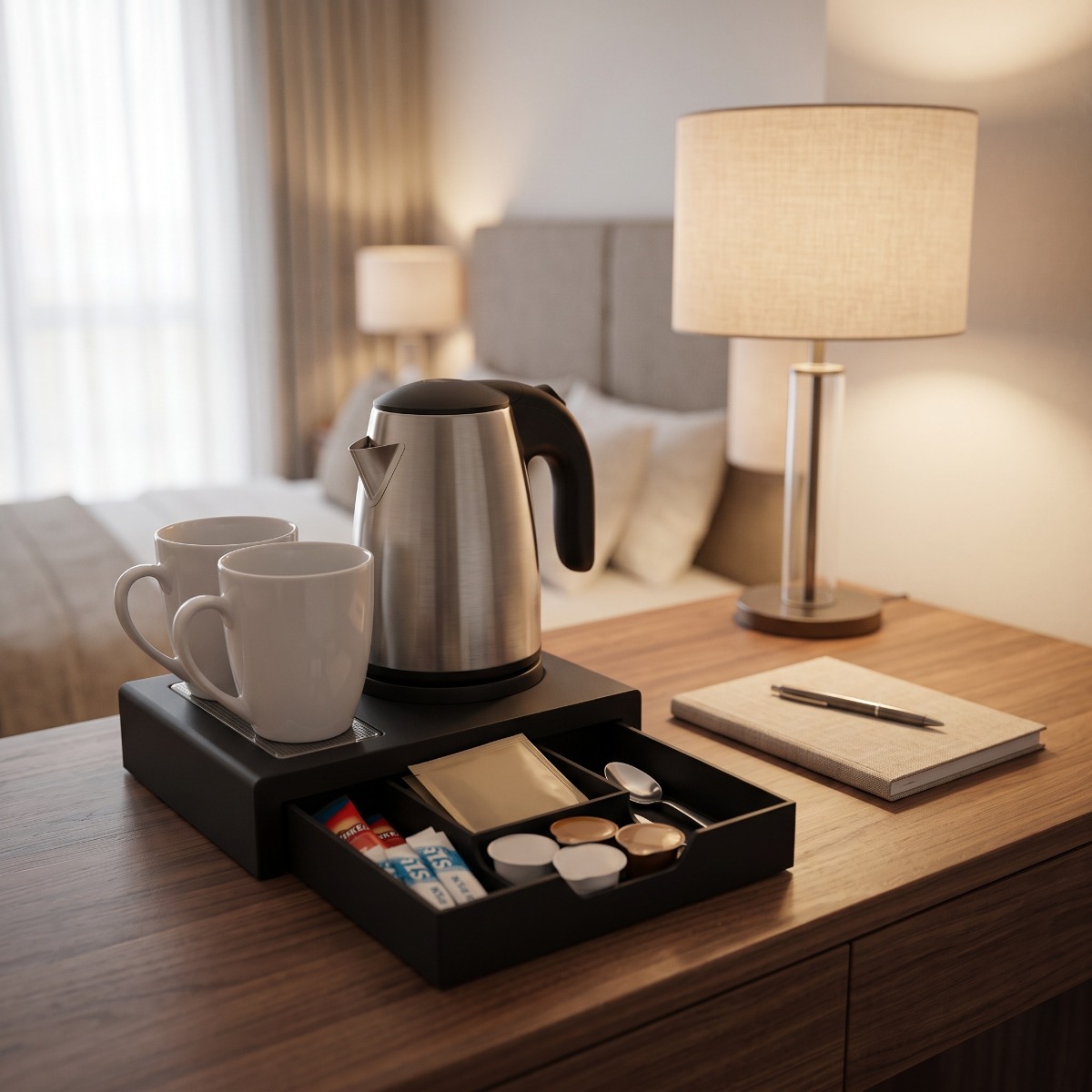 Any new equipment inserted in room also enters into the control and tidying procedures. For this reason, the boiler should be evaluated considering the ease with which staff can access the appliance and keep the station tidy according to internal procedures and the instructions applicable to the product. A composition with numerous elements that are difficult to move can increase the time needed to check and prepare the room.
Simplicity The layout becomes particularly important in hotels with many rooms, where a small inefficiency repeated across numerous stations can impact the overall organization. The surface area occupied, the number of accessories and the way in which they are arranged should therefore be standardized as much as possible. Holity offers professional supplies aimed at the hotel sector that allow you to design the room's equipment taking into account both the guest's experience and the operational needs of the facility.
Integrate kettle, minibar and other room amenities
When the room already has minibar, coffee machine or other amenities dedicated to breaks, the kettle should be inserted within a coherent composition. Distributing these elements in distant points of the room can make the service less legible and take up more space than necessary. A dedicated area, however, allows you to concentrate the functions and create a visual reference that is easily recognizable by the guest.
This does not mean accumulating all the equipment on the same piece of furniture without considering space and usage instructions. Each product must have the conditions required by the manufacturer and the configuration must remain practical to manage. The project should therefore coordinate function, size and accessibility. A balanced composition helps make the different equipment perceived as parts of the same hotel service.
Adapt the solution to the type of accommodation facility
Not all facilities need the same layout. A business hotel, a leisure hotel, a B&B or a facility with small rooms can adopt different configurations. The desired level of service also influences the number of accessories and the way in which they are presented. The choice should therefore start from the profile of the structure and the experience you want to offer, without automatically replicating solutions observed in different contexts.
It is useful to maintain a certain uniformity between rooms belonging to the same category. Standardizing the model, position and composition of the station makes the work of the staff easier and makes the guest experience more homogeneous. When there are different room categories, the equipment can be modulated without losing coherence. The kettle thus becomes part of a service system designed in relation to the positioning of the hotel.
Mistakes to avoid when setting up the station
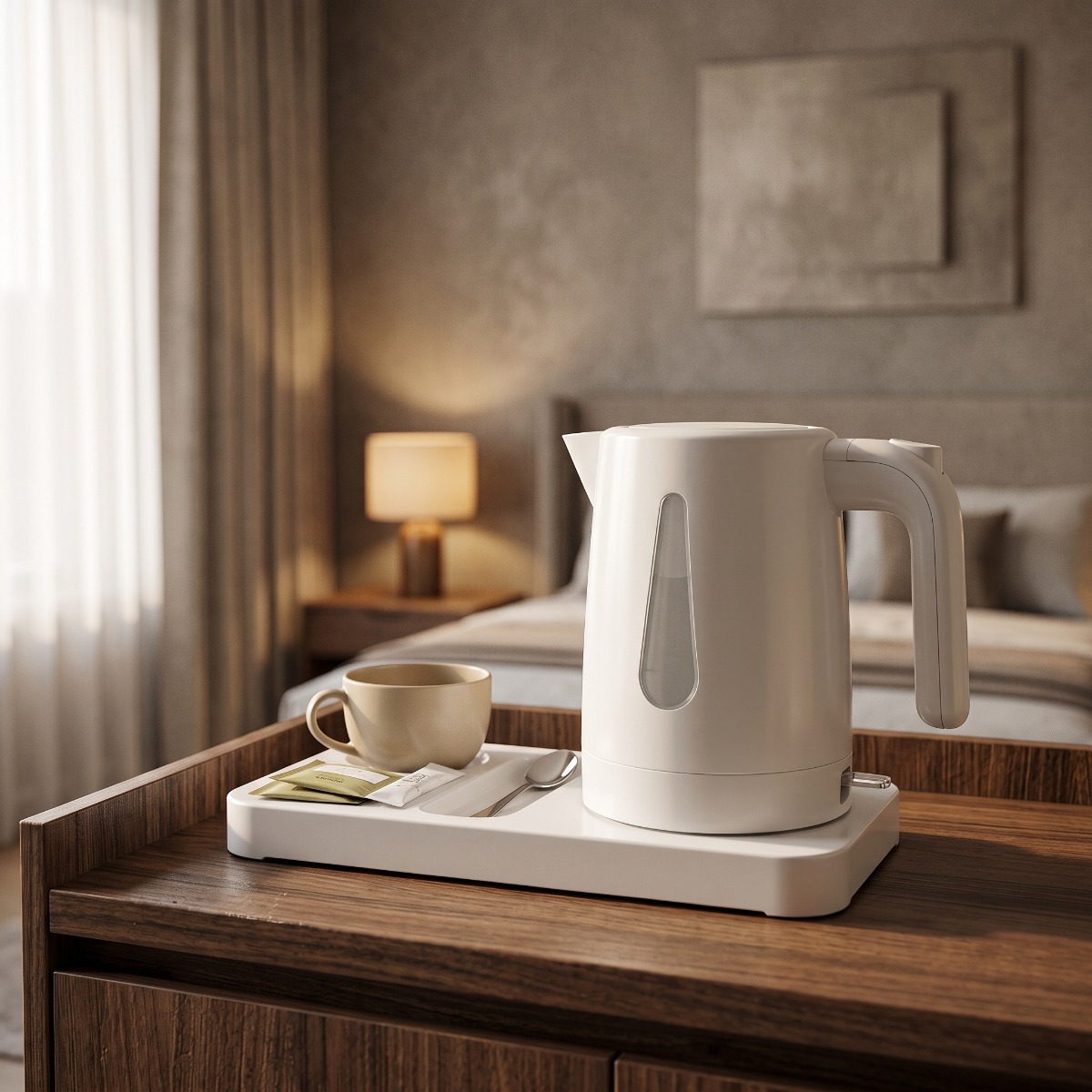 One of the most frequent mistakes is choosing the kettle without having defined where it will be placed. The result can be an appliance disproportionate to the furniture or a station that takes up space needed for other functions. It is preferable to first measure the space, check the position of the sockets and consider the overall size of the set. The manufacturer's instructions regarding positioning and use must also be considered in the design.
A second mistake is to focus exclusively on aesthetics while neglecting daily management. A very detailed set may appear well-finished, but become impractical if it requires too much time to check and tidy up. Similarly, an excessively basic solution may be inconsistent with the level of service of the facility. Design, functionality and management must be evaluated simultaneously to avoid a set-up that is beautiful to look at but difficult to maintain.
How to choose a hotel kettle in a way that is consistent with the room
The choice of a hotel kettle should start from the room analysis and not from the product catalog. Available space, type of guest, room category, existing amenities, and housekeeping procedures allow you to define the features truly needed. At that point, it is possible to compare the dimensions, capacity, design, and functions of different models, always checking the technical specifications and instructions provided by the manufacturer.
Holity, a point of reference in professional supplies for hotels and hospitality facilities, offers kettles and trays designed to coherently organize the room's amenities. Correctly integrating these elements means creating a recognizable, tidy station that is proportionate to the space, capable of fitting into the furnishing project without appearing like an afterthought. It is this balance between service, aesthetics, and practicality that transforms the kettle into an effective component of the stay experience.
 English
  Italian
 French
 German
 Spanish