
mon-fri 9-13 / 14.30-18.30
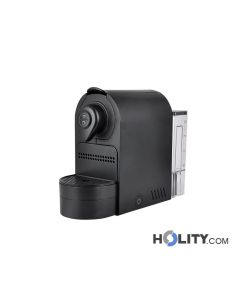
Compact, elegant, and easy-to-clean coffee machine. Perfect for hotel rooms. Dimensions: W 11.8 x D 30.2 x H 23 cm.
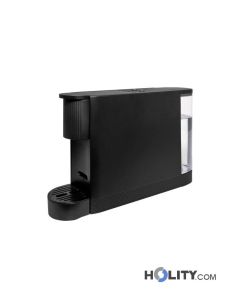
Coffee machine, Nespresso® compatible, 450 ml tank, 1-2 cup LED. Dimensions: W 31 x D 8.3 x H 20.2 cm.
Compact coffee machine for hotels compatible with Lavazza capsules. Cold drinks function, 1450W and adjustable length. Dimensions: W 11.5 x D 28 x H 25 cm.
Compact coffee machine for hotels with pod adapter, cold beverage function and 1450 W power. Dimensions: W 11.5 x D 28 x H 25 cm.
The integration of equipment for the preparation of hot drinks represents today an essential standard in accommodation facilities that aim for high-level hospitality. The hotel room coffee machines are not just appliances, but essential components of the welcome tray, designed to meet specific needs of space, hygiene, and ease of use. In a context where the guest experience is evaluated from the first moments of the stay, offering the possibility to enjoy an espresso or a long coffee in the comfort of their own room defines the positioning of the facility. These devices differ radically from domestic models due to constructional robustness and integrated safety systems, ensuring operational continuity even in case of frequent use by different users.
The choice of a professional coffee machine for the hotel industry requires a careful analysis of occupancy volumes and the customer profile, moving towards solutions that minimize routine maintenance. Capsule or pod technology has established itself as a leader in the sector for its ability to maintain the product’s freshness unaltered and for the extreme cleanliness of the dispensing process, avoiding coffee powder residues on room surfaces. Implementing this equipment means investing in the perception of attention to detail, transforming an accessory service into a real strength of experiential marketing. The proposed selection includes compact models, certified and optimized to reduce energy consumption, respecting the environmental sustainability criteria required by modern tourism certifications.
The inclusion of a coffee machine directly in the room responds to the growing demand for autonomy by the modern traveler, whether for business or leisure. The primary benefit lies in the creation of a domestic and private atmosphere, allowing the guest to manage their own morning rhythms or moments of relaxation without necessarily having to use the dining room service or room service. From a technical point of view, these machines are calibrated for rapid dispensing and a constant temperature, elements that ensure a high quality standard regardless of the user’s manual skill. The presence of a coffee system in the room also reduces the staff’s workload during peak breakfast hours, offering a valid immediate alternative for those who need a quick departure or prefer maximum privacy.
In addition to the purely functional aspect, providing professional espresso machines serves as a powerful driver of positive reviews, directly influencing the property’s rating on specialized portals. The reliability of these devices is guaranteed by internal components designed to resist limescale deposits and by simplified descaling systems, which extend the product’s life cycle reducing replacement costs. Another significant advantage concerns inventory management: the use of single-dose capsule systems allows precise control of consumption and prevents waste of raw material, facilitating inventory for housekeeping staff during the daily room setup. The stability of the base and silence during operation are further technical details that distinguish a professional product from an inexpensive solution not suitable for hotel use.
The landscape of in-room coffee equipment is mainly divided between capsule models, ESE pod systems, and multifunction machines integrated into courtesy trays. Capsule machines are the most common thanks to their extreme versatility and the variety of aromas available on the market, occupying minimal space on the desk or in the minibar cabinet. These variants often feature transparent water tanks for immediate monitoring of the liquid level and automatic expulsion systems for the used capsule, which limit the guest’s intervention to the mere press of a button. Materials range from high-density ABS for external shells, easy to sanitize with standard cleaning products, to stainless steel inserts for parts most subject to thermal wear, ensuring a pleasant aesthetic that integrates with different furnishing styles.
Paper pod solutions (E.S.E. - Easy Serving Espresso) represent instead the preferred choice for facilities that emphasize ecological sustainability, since the residue is entirely compostable. These machines offer a constant operating pressure, usually around 15-19 bar, necessary to obtain a thick and persistent crema typical of Italian espresso. There are also models specifically designed to be fixed to kettle trays, creating a complete and tidy drink station that prevents accidental theft or improper movement of the equipment. The most advanced versions include the timed automatic shut-off function, fundamental for fire safety inside rooms and for the overall energy saving of the building, preventing the device from remaining in standby for the entire day.
The selection of the ideal machine begins with evaluating the space available on the support surface: for standard rooms, “slim” models with a width of less than 15 centimeters are preferred, while for suites and junior suites, one can opt for more structured machines with double dispensing capacity or a steam wand. A key decision criterion is the simplicity of the interface: the user must be able to operate the machine without consulting complex manuals, therefore models with intuitive icons and a maximum of two selection buttons (short and long coffee) are to be preferred. It is essential to check system compatibility (Nespresso, Lavazza Blue, ESE pods) based on the ease of sourcing consumables and the property’s branding strategy, considering that many guests recognize and appreciate established brands as a guarantee of absolute quality.
A common mistake to avoid is purchasing domestic machines attracted by the lower price, as these do not possess certifications for collective use and tend to deteriorate rapidly under the stress of unsupervised use. Attention must be paid to the noise of the vibration pump, as a device that is too noisy could disturb guests in adjacent rooms during night or morning hours. Another critical factor is the ease of cleaning the drip tray and the capsule container: if these elements are difficult to disassemble, the cleaning staff will take more time, increasing operating costs. It is recommended to opt for models with tanks equipped with integrated or interchangeable anti-scale filters, especially in areas where the water has high hardness, to prevent technical malfunctions that would require sending the machine for service.
Coffee machines intended for the hotel sector must comply with rigorous electrical and hygienic-sanitary safety standards established at European level. The CE marking is the basic requirement, but for use in hotel rooms, additional certifications are often required to attest to the absence of heavy metal release in the water and compliance with HACCP protocols regarding the ease of sanitization of components in contact with liquids. Electrical safety is a priority: cables must be of adequate length and equipped with protection against overheating, considering that these devices are often connected to outlets near textiles or flammable materials such as curtains or wooden furniture. Many international chains also require the device to be equipped with an automatic interruption system after a short period of inactivity.
From a regulatory perspective, it is also worth considering the Energy Related Products (ErP) directives, which impose reduced consumption in saving mode. From the maintenance point of view, the manager must ensure that cleaning occurs according to pre-established cycles to prevent bacterial proliferation in the water tank, an aspect often monitored during health inspections. The proposed professional machines are designed to facilitate these operations, with components that withstand frequent washing cycles without becoming opaque or damaged. Ensuring that the supplier offers a specific warranty for professional use is crucial, as the standard warranty for private consumers is not applicable in commercial and hospitality contexts, leaving the hotelier without protection in case of recurring structural failures.
Explore all the products in the category and compare the available solutions to find the one best suited to your operational context.
Professional hotel machines are built with more durable internal components and advanced safety systems for unsupervised use. Unlike domestic models, this equipment complies with specific certifications for the hospitality sector and is designed for simplified maintenance and rapid cleaning by housekeeping staff.
No, most models intended for guest rooms have an integrated water tank that can be refilled manually. This allows for easy installation on desks, minibar units, or courtesy trays without the need for costly plumbing interventions, ensuring maximum flexibility in the placement of furniture within the room.
The capsule system is the most suitable for maintaining cleanliness, as the coffee powder remains sealed inside the casing before and after dispensing. This avoids the dispersion of residues on the support surface and simplifies the emptying of the used capsule container, making room restoration much faster and more efficient.
Yes, modern hospitality machines are equipped with auto-off or low-consumption standby functions. These devices activate only during the heating and dispensing phase, ensuring a minimal impact on the total energy costs of the facility and complying with European environmental regulations on appliance efficiency.
To prevent limescale, it is advisable to use filtered water or insert specific softener filters inside the tanks. Many professional machines include semi-automatic descaling cycles that signal the need for intervention, allowing technical staff to act promptly before scale damages the pump or internal boiler.
Sì, several hotel coffee machine models are designed to be mechanically anchored to coordinated trays. This solution prevents accidental movement of the device, maintains the order of the welcome setup, and acts as a deterrent against the removal of equipment, ensuring that the supply always remains complete for the next guest.
A compact coffee station usually requires a width of about 20-30 centimeters if the tray for pods and accessories is also included. There are ultra-compact models with a small footprint that fit even in small rooms or narrow shelves, always ensuring high-quality service without sacrificing the guest’s living space.
 English
  Italian
 French
 German
 Spanish