mon-fri 9-13 / 14.30-18.30
Comparing market stall prices means going beyond the figure indicated in the product sheet and evaluating dimensions, materials, load capacity and configuration of the top. A lightweight stall for small loads has different characteristics compared to a reinforced structure intended for fruit and vegetables or for intensive itinerant use. Foldability, adjustable feet and display surface also affect the value of the supply. The best quality-price ratio therefore arises from the comparison between cost and actual use.
Choosing beds for non-self-sufficient elderly people means evaluating the height of the bed, joints, adjustment system, side rails, wheels and accessories in relation to the environment and the methods of assistance. A model suitable for a nursing home may have different operational needs than a bed intended for the home. Dimensions and load capacity must also be verified on the specific product. The technical choice must therefore accompany, and not replace, the professional assessment of the individual needs of the person being cared for.
Choosing a IWB trolley requires first checking compatibility with the whiteboard or monitor, the size of the structure and the way in which the station will be moved between classrooms. Load capacity, wheels, locking systems and adjustment options affect daily management as much as the type of device installed. Any video projectors, notebooks and shelves must also be considered from the outset. A correct choice therefore arises from the actual configuration of the classroom and not just the size of the screen.
Choosing nursery school cots requires evaluating the size, method of use, and daily organization of the sleeping area. Stackable camp beds, wooden cots, and complete mattress solutions meet different needs. The space available when the cots are not in use also affects the choice. For a school or nursery, the most suitable product is therefore one that is consistent with the number of children, the configuration of the rooms, and the internal procedures of the facility.
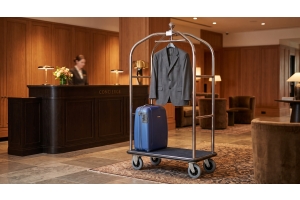
Anti-theft hangers for hotels are small accessories that can have a concrete impact on room management. In a facility with dozens or hundreds of beds, even the periodic loss of a few hangers per room can result in recurring repurchases, differences in equipment, and increased work for the cleaning staff. The function of the anti-theft system is to make it more difficult to remove the hanger from the wardrobe, while at the same time maintaining its practical use for the guest.
Screws, nuts, bolts, washers, rivets, and small spare parts take up little space individually, but quickly become difficult to manage when stored haphazardly. In a busy workshop, searching for the right component every time means interrupting work, opening multiple drawers, and checking unidentified packages. A system screw and bolt holder well organized allows you to transform the small parts in immediately available material, reducing clutter and making the workstation more readable.
Laundry trolleys for nursing homes play a concrete role in the daily organization of nursing homes, nursing homes, and communities. Sheets, pillowcases, towels, and other textiles must be collected, transferred, and replaced regularly, without turning each change into a series of trips between rooms, storage, and laundry. A suitably sized trolley allows you to bring what is needed closer to the point of use and keeps the workers' work more orderly.
The book exchange houses allow the creation of small book sharing points accessible to citizens, students, families, and visitors to parks or common spaces. The principle is simple: whoever uses the house can leave one book and take another, encouraging the free circulation of volumes and creating a meeting point around reading. For the service to work over time, however, the structure must be chosen in relation to the location, the weather conditions, and the type of public who will use it.
Choosing a gas or electric heater requires evaluating space, available power supply and frequency of use. Gas models allow you to set up stations independent of an electrical outlet, while electric ones require a connection to the mains and can be configured as a freestanding or wall-mounted heater. Power, mobility and installation methods also vary from product to product. The comparison must therefore start from the real outdoor area or terrace, not from an abstract preference for a particular technology.
Work harnesses must be chosen by taking into account the activity performed, attachment points, fall arrest system and operator characteristics. A model with a dorsal attachment responds to different needs compared to a multi-point harness also intended for rope access or positioning. Adjustments, size, materials and configuration also affect the daily management of the PPE. Evaluating these elements before purchasing allows you to narrow the comparison to devices consistent with the protection system actually envisaged.
 English
  Italian
 French
 German
 Spanish