mon-fri 9-13 / 14.30-18.30
The AED defibrillators Devices intended for businesses, schools, sports facilities, and organizations must be chosen considering the installation environment, usage, and technical features. Automatic or semi-automatic operation, battery life, electrodes, pediatric mode, and accessories all impact the device's long-term management. Evaluating these aspects before purchasing allows you to identify a solution consistent with the facility's needs and properly plan checks and replacements.
The consumption of a electric hand Kdryer does not only depend on the power indicated on the technical data sheet. To evaluate the energy cost, it is also necessary to consider how long each cycle lasts and how many times the appliance is used during the day. A model with greater power but capable of completing drying quickly can therefore have a different consumption profile from a less powerful appliance that remains active for longer. The truly useful data arises from the relationship between power, operating time and frequency of use.
THE walkers for the elderly These aids are designed to provide support during daily movements. They can be used at home, in the corridors of a care facility, during short walks, or on more regular outdoor routes. Their function is not simply to support the person's weight, but to promote more controlled movement and greater safety when balance, strength, or endurance are reduced.
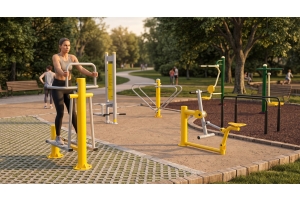
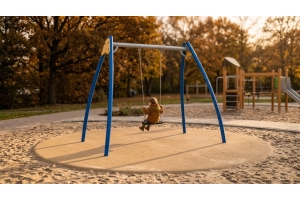
THE inclusive games for parks They help create areas where children with varying motor, sensory, and cognitive abilities can meet, explore, and participate in play activities. Inclusion doesn't mean adding a single piece of equipment specifically for children with disabilities and placing it at the edge of the park. It requires comprehensive planning that considers access, pathways, surfaces, variety of stimuli, and opportunities for play together.
The bus shelters They are essential elements in the organization of public transport stops. They protect users from the sun, rain, and wind, make the stop more recognizable, and contribute to the overall quality of the urban space. For a municipality or a designer, however, choosing a shelter isn't just about choosing an aesthetically pleasing model. The structure must be consistent with the number of users, the width of the sidewalk, the climate exposure, and the characteristics of the neighborhood.
To understand how much it costs to furnish a classroom it is necessary to look beyond the price of a single desk. The budget includes student workstations, a teacher's desk, a teacher's chair, cabinets, storage units, and other items related to the teaching model adopted. To these items may be added transportation, delivery to the floor, assembly, and collection of replaced furniture. The final cost therefore varies based on the number of students, the size of the room, and the quality required.
There custody of controlled drugs requires more than a closed cabinet or a medicine safe Resistant. Physical protection is an essential component, but it is only effective when incorporated into a procedure that establishes who can access, how, and for what purposes. Hospitals, clinics, nursing homes, outpatient clinics, and other healthcare facilities must also consider the types of medications they manage, the organization of shifts, and the responsibilities assigned to different professionals.
Indoor walkers intended for nursing homes, clinics, and wards must be chosen considering the spaces in which they will be used. Width, depth, wheels, and braking systems affect maneuverability in corridors, rooms, and elevators. Even a few centimeters can make a difference in narrow passageways. For this reason, the selection must start from the actual characteristics of the structure and daily routes.
The corner protectors for schools help protect corners, columns, walls and furniture in spaces used by children every day. The choice depends on the area to be protected, the size of the space and the type of activity carried out. Materials, thickness and fixing system should be assessed according to the intended use. A careful analysis of the environment makes it possible to identify suitable protections for classrooms, corridors, play areas and other school spaces.
Public restroom furnishings must meet the needs of spaces used by many people every day. Sanitary fixtures, accessories and surfaces should therefore be durable, practical and easy to maintain. The choice depends on the number of users, frequency of use and type of facility. Careful planning helps create functional spaces that are easier to manage over time.
 English
  Italian
 French
 German
 Spanish