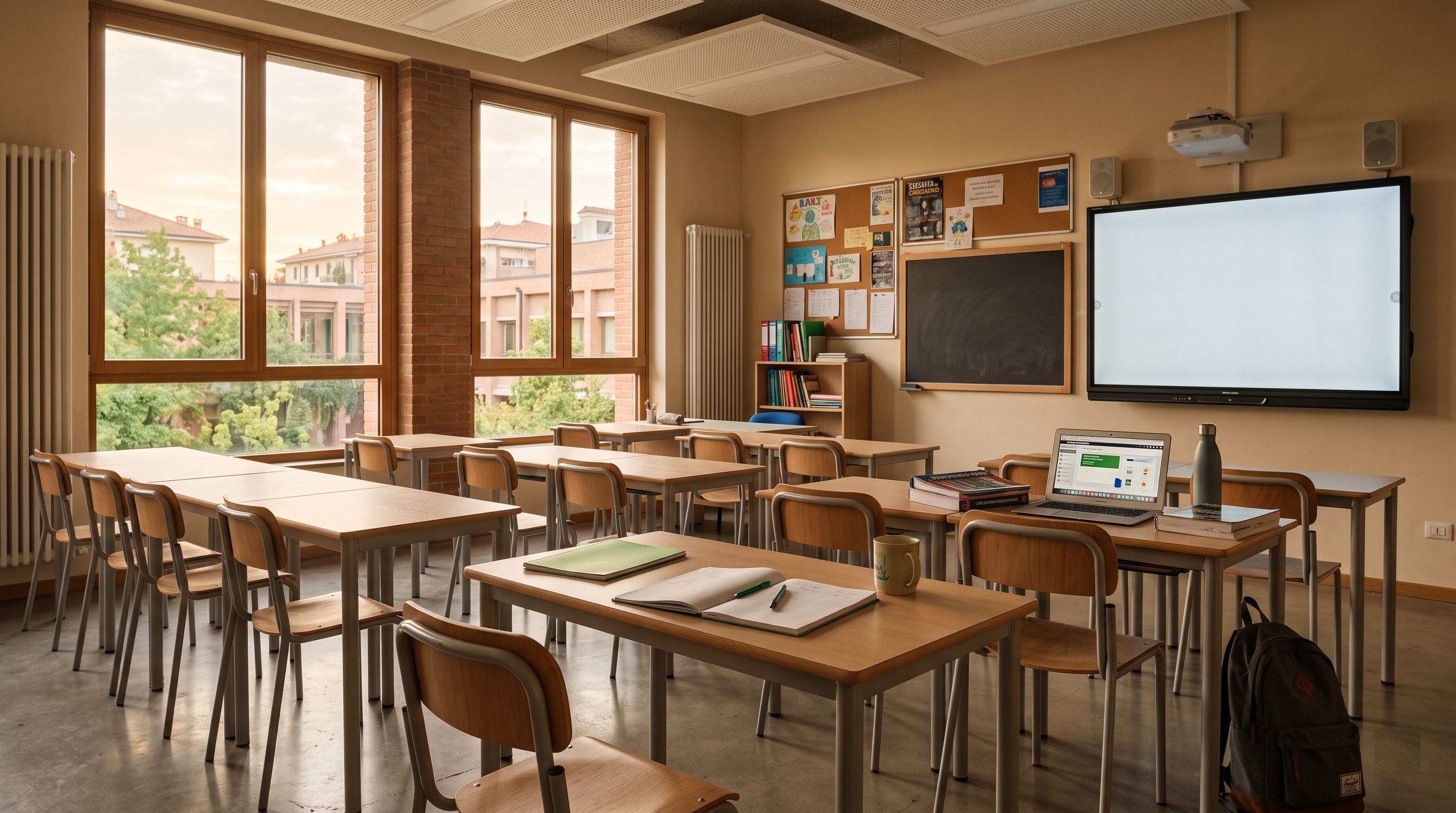
To understand how much it costs to furnish a classroom it is necessary to look beyond the price of a single desk. The budget includes student workstations, a teacher's desk, a teacher's chair, cabinets, storage units, and other items related to the teaching model adopted. To these items may be added transportation, delivery to the floor, assembly, and collection of replaced furniture. The final cost therefore varies based on the number of students, the size of the room, and the quality required.
When looking for information on school furniture it is common to find products belonging to very different price ranges. A basic desk is not directly comparable to an adjustable, combinable, or accessory-equipped workstation. The same applies to chairs, desks, and storage units, available in numerous sizes and configurations. A realistic estimate must start from a list of the necessary equipment and technical requirements defined before requesting a quote.
What elements determine the cost of a classroom?
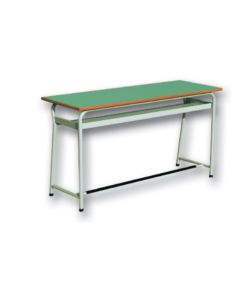
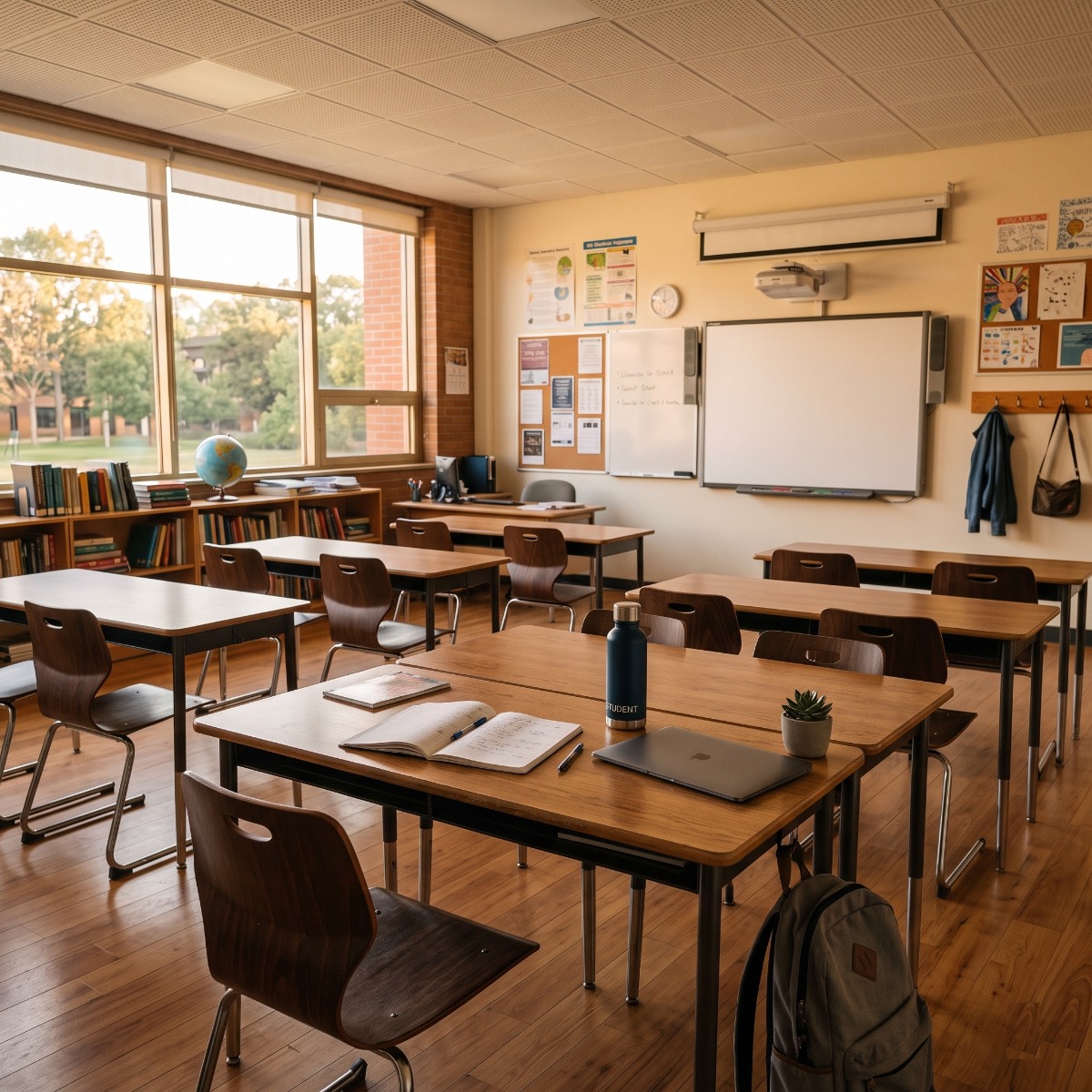 The first element is the number of workstations to be created. A class with fifteen students requires a different investment than a classroom intended for twenty-five or thirty students. The chosen configuration also changes the calculation, because single-seater desks, double-seater desks, and modular tables have different structures and functions. The budget should therefore be built starting from the actual capacity, avoiding using a standard figure for each space.
The second factor is the educational destination. An ordinary classroom requires different equipment than a laboratory, a nursery school, or a space for collaborative activities. Heights, dimensions, materials, and storage needs change. The level of flexibility also varies. The amount of furniture requested affects the cost, because reconfigurable tables and easily movable seats can have more complex construction characteristics than fixed furnishings.
Calculate the budget for each student station
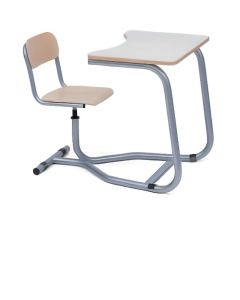
A practical method is to initially calculate the cost of each station by adding the desk and chair. The resulting value must be multiplied by the expected number of students, adding some reserve units when the school's planning requires it. This approach allows you to quickly identify the variable part of the budget. It also allows you to evaluate how a small difference on a single product can become significant in a large supply.
The calculation per station must not, however, ignore the differences between users. The furnishings must be consistent with the age, height, and activities carried out, especially when the same environment hosts students from different classes. It is useful to check the availability of the necessary sizes and decide whether to adopt uniform measures or a combination of formats. A lower unit price loses value when the product is not suited to the actual characteristics of the classroom.
Desks and chairs: the items that have the greatest impact on the supply
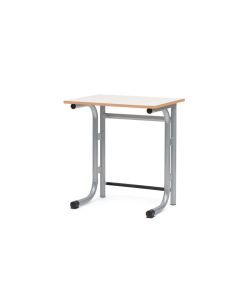
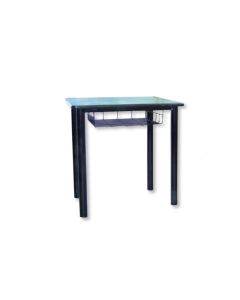
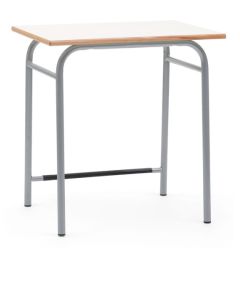
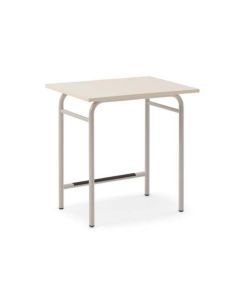
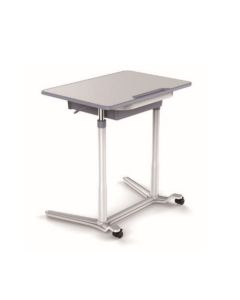
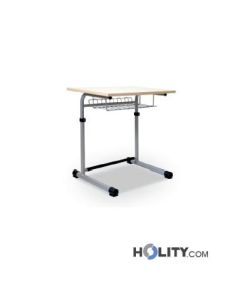
Desks and chairs generally represent the largest part of the supply because they must be purchased in quantities corresponding to the available seats. The price is affected by materials, structure, dimensions, thickness of the tops and the presence of under-tops, hooks or adjustment systems. The possibility of aggregating the desks in different configurations can also increase the value of the product. The choice must respond to the teaching method and the frequency with which the classroom is reconfigured.
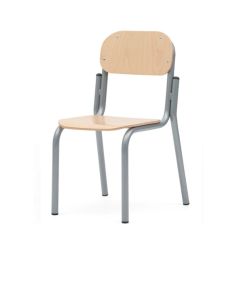
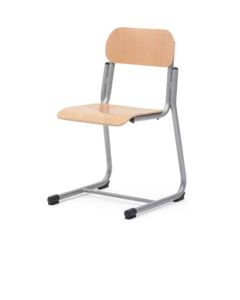
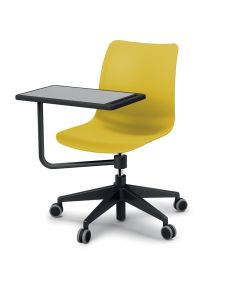
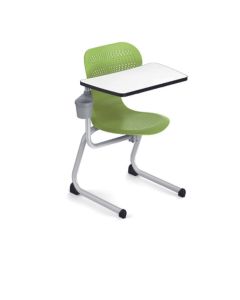
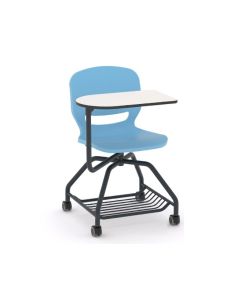
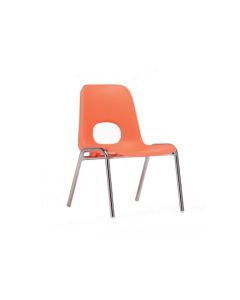
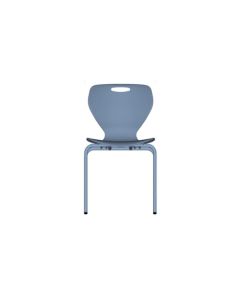
For chairs, the height, shape of the body, stability and resistance to daily use are important. Stackable models simplify some tasks, while versions with wheels or a tablet may be useful in specific environments but not in every classroom. The comparison should take into account the entire desk-chair pair and not two products chosen separately. A consistent workstation improves the use of space and reduces the risk of purchasing poorly compatible components.
Teacher's desk, cabinets, and containers: shared classroom costs
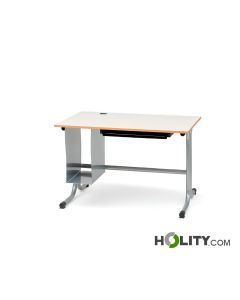
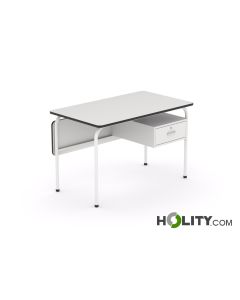
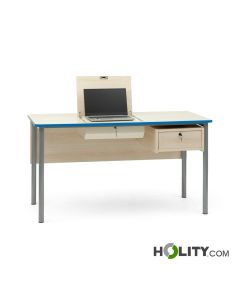
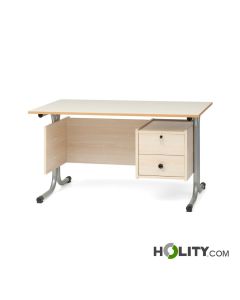
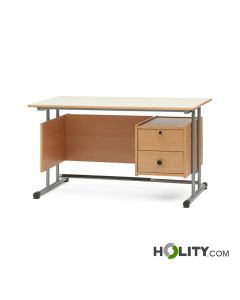
The teacher's desk is a single item per classroom, but its cost can vary based on size, drawer unit, lock, and provisions for IT devices. The teacher's seat must also be included in the calculation. In some configurations, the traditional workstation is replaced by more compact tables or mobile elements. The decision should be made in relation to the teacher's activities and the actual space available.
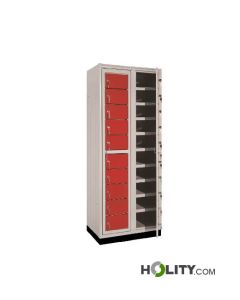
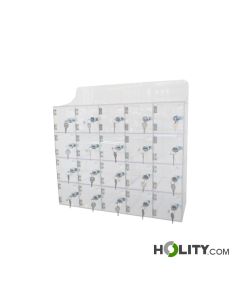
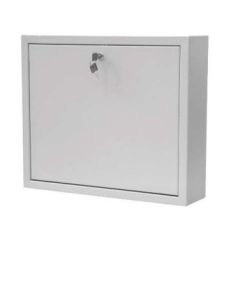
Cabinets and storage units affect the ability to keep the classroom tidy. Height, number of shelves, presence of doors or open compartments, and locking systems significantly affect the price. A large piece of furniture can reduce the total number of items needed, but must be compatible with walls, passageways, and cleaning procedures. For a correct estimate, it is useful to first define which materials will be stored and who will need access to them.
Quality, safety, and durability of school furniture
The initial price does not fully describe the value of school furniture. Desks, chairs, and cabinets are used every day, moved, cleaned, and subjected to repeated stress. Stable structures, well-finished edges, and resistant materials can reduce damage and early replacements. When evaluating, it is therefore useful to consider the expected lifespan, in addition to immediate convenience.
Safety must be a priority in the specifications. Dimensions, stability, finishes, and configuration must be suitable for the age of the students and the purpose of the classroom. Ease of cleaning also affects daily management, especially in environments used by multiple classes. A professional product should accompany the commercial information with clear technical specifications, useful for verifying the consistency of the supply.
Transport, assembly, and services to be included in the budget
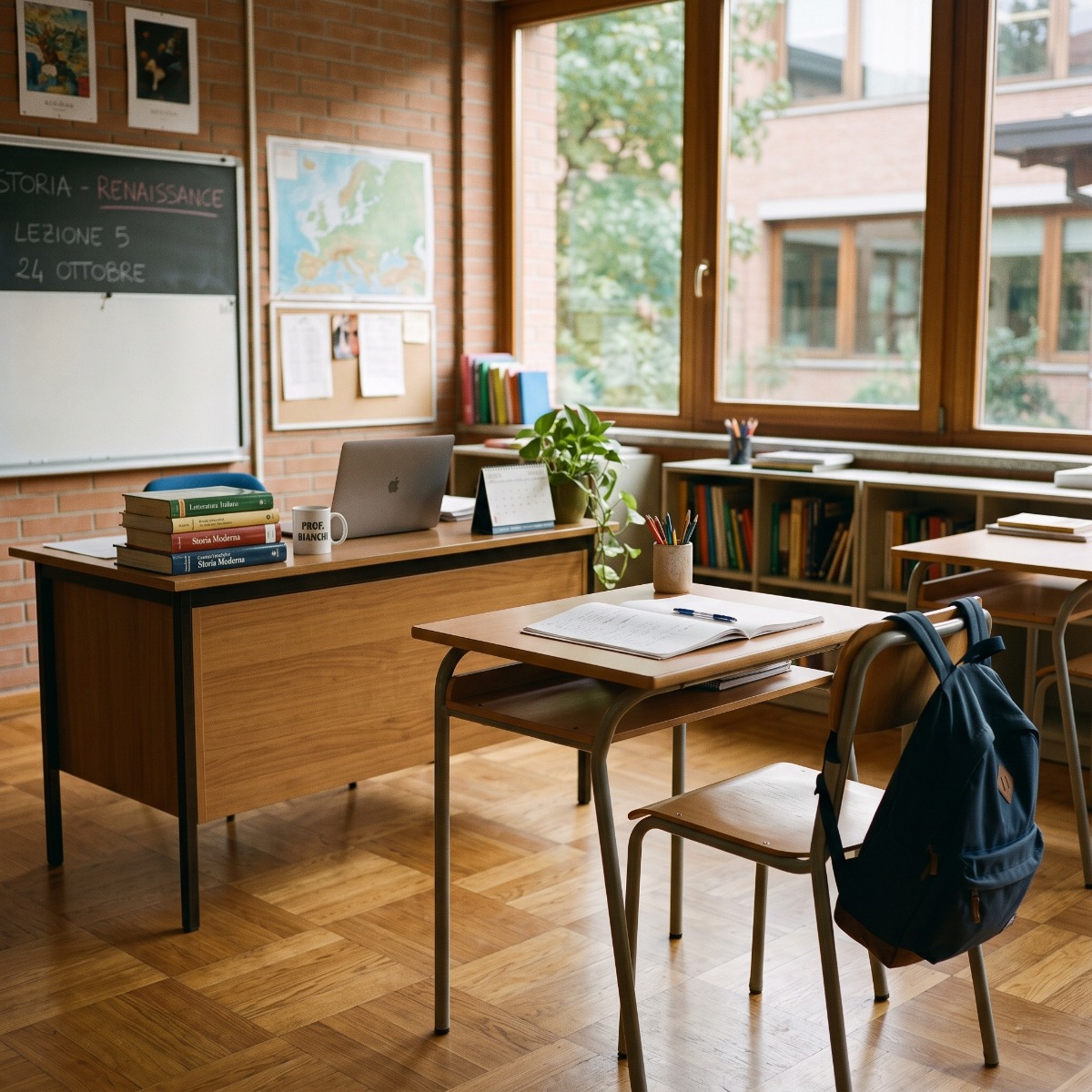 The price of the furnishings may not include all the activities necessary to make them usable. Transport, unloading, delivery to the floor, and assembly must be verified in the estimate. An institution with multiple buildings, floors without elevators, or complex access may require more complex logistics management. Ignoring these conditions in the initial phase can generate additional costs or slow down the setup.
The removal and disposal of existing furniture must also be evaluated. When the renovation involves many classrooms, the removal of old products must be coordinated with the delivery of new equipment. Assembly, securing cabinets, and the distribution of products in individual classrooms may also be affected. A complete estimate should clearly separate the cost of the goods from logistics and operational services.
Complete renovation or gradual purchase: how to establish priorities
When the budget does not allow for interventions on all classrooms at the same time, it is possible to plan the renovation in phases. Priority should be given to furniture that is damaged, unstable, or unsuitable for the students. Subsequently, the elements that limit the organization of teaching or create difficulties in cleaning can be evaluated. This method allows the investment to be distributed without sacrificing an overall logic.
However, gradual purchase requires Pay attention to the continuity of the range. Products chosen today may not be available in the same finishes after several years. It is useful to favor professional lines that allow for coherent additions and substitutions. Defining dimensions, colors, and common characteristics from the outset helps avoid classrooms composed of uncoordinated products and simplifies the management of subsequent supplies.
How to correctly compare estimates
Two estimates may have different amounts because they include non-equivalent products or services. The comparison must consider quantities, measurements, materials, accessories, and delivery terms. It is important to check whether the prices are expressed net or gross of VAT and whether they concern single items or multiple packs. Supply times and availability can also affect the scheduling of the intervention.
To make the comparison clearer, it is useful to divide the budget between student workstations, teacher workstations, containment, and services. This way, it is possible to quickly identify the differences and understand which characteristics determine the final cost. The school furniture prices should be analyzed together with the life cycle, ease of maintenance, and the possibility of integrating the supply. The lowest unit cost is not always the most economically effective solution.
Prepare a request for quotation for school furniture
The request should indicate the number of classrooms, quantity of each product, age range of students, and dimensions of the rooms. It is useful to specify the essential characteristics, such as the size of the desks, type of seating, capacity of the cabinets, and the presence of locks. The delivery conditions, any building plans, and the timeframe for completing the installation must also be described.
Photographic documentation or a floor plan can help the supplier better understand the context. It is also advisable to distinguish mandatory elements from optional features, so as to receive a main offer and possible comparable alternatives. A precise request reduces the need for additions, clarifications, and differences in interpretation. It also allows the manager or head of the institution to present a more motivated and understandable economic estimate.
Professional supplies for schools and institutions
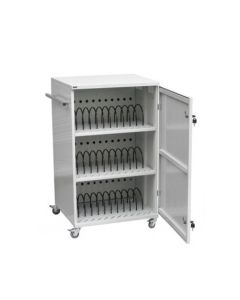
Holity, specialist in professional supplies for schools, institutions and collective structures, offers desks, chairs,teacher desks, carts and cabinets and solutions for the organisation of teaching environments. The availability of different models allows you to build the estimate based on the age of the students, number of workstations and configuration of the classroom. This approach is useful both for new constructions and for planned renovations on multiple environments.
Holity represents a point of reference for professional school furniture, with a catalogue aimed at institutes and institutions that must reconcile budget, functionality and durability. Planning your investment by category allows you to better control expenses and prioritize the items you really need. A well-designed supply doesn't just fill the classroom; it creates a more orderly, safe space that's consistent with daily teaching activities.
 English
  Italian
 French
 German
 Spanish