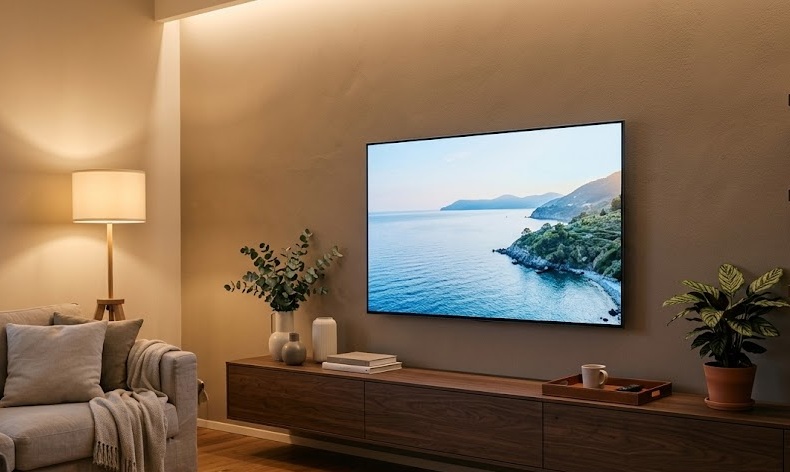
TV wall brackets represent a practical and elegant solution for installing televisions in homes, hotels, meeting rooms, offices and common areas. In addition to improving the aesthetics of the environment, they allow you to optimize space by eliminating the clutter of traditional TV cabinets. To choose the most suitable model, however, it is important to evaluate some fundamental aspects, such as compatibility, VESA standard, weight of the TV and type of installation.
TV stands and wall brackets: what are the differences?
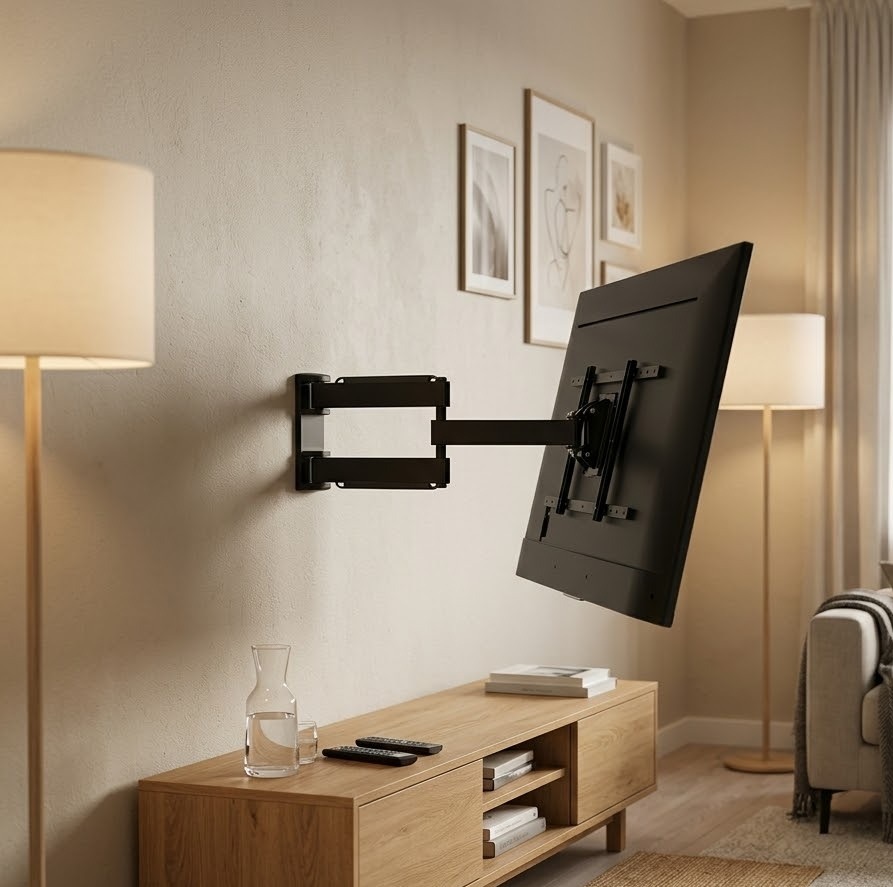 TV wall brackets include various solutions designed to support the television and, in some cases, also decoders, media players or other devices. They can integrate shelves, panels or structures that replace the traditional TV cabinet, enhancing the available space and improving the organization of the environment.
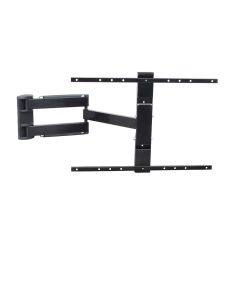
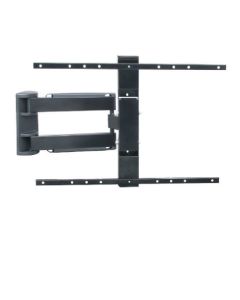
TV brackets , on the other hand, are metal supports that fix the television directly to the wall. They are available in numerous configurations and represent the most popular solution when you want to install the television in a stable, discreet and safe way.
Are TV brackets universal?
One of the most frequently asked questions concerns the compatibility of the brackets. In reality, TV brackets are not universal , but they can be compatible with numerous televisions as long as some fundamental requirements are met.
Before purchasing it is necessary to check:
- the VESA standard of the television;
- the maximum weight supported by the bracket;
- the screen size expressed in inches;
- the compatibility declared by the manufacturer.
By checking these elements it will be possible to choose a bracket that is perfectly compatible with your TV.
What is the VESA standard and why is it important?
The VESA standard identifies the distance between the four fixing holes on the back of the TV. This measurement is expressed in millimetres (for example 200x200, 400x400 or 600x400) and is the main parameter for checking the compatibility between the TV and the bracket.
It is important to remember that the number of inches of the TV does not automatically identify the VESA: two TVs of the same size may in fact have different standards. Before purchasing it is important to remember that the number of inches of the TV does not automatically identify the VESA: two TVs of the same size may in fact have different standards. Before purchasing it is important to check the compatibility between the TV and the bracket. It is therefore always advisable to consult the TV manual or directly check the distance between the rear holes.
Types of TV wall brackets
TV brackets are mainly distinguished based on the type of movement allowed.
| Type |
Features |
When to choose it |
| Fixed bracket |
TV very close to the wall. |
Frontal viewing and environments where it is not necessary to change the orientation. |
| Tiltable bracket |
Allows vertical tilting of the screen. |
Televisions installed above furniture, reception areas or waiting rooms. |
| Swivel bracket |
Allows lateral rotation and tilting. |
Environments with multiple viewing points or professional use. |
| Extendable arm bracket |
Maximum freedom of movement and adjustment. |
Meeting rooms, hotels, offices and multifunctional spaces. |
How to choose the bracket based on the inches of the TV
The size of the TV is a first reference when choosing the bracket, but it is not the only element to consider.
- TVs 32-43 inches : generally compatible with compact brackets.
- TVs 50-55 inches : require supports with greater capacity.
- TVs 65 inches or larger : it is advisable to carefully check the weight, VESA standard and load capacity of the bracket.
The final choice must always be based on the technical specifications of the TV and the support.
Weight of the TV and load capacity of the bracket
The maximum load capacity is one of the most important parameters. Each bracket is designed to support a certain weight and must never be used beyond the limits declared by the manufacturer.
To ensure safety and stability, it is advisable to choose a bracket with a load capacity greater than the actual weight of the TV.
Which bracket to choose based on the environment
The choice also depends on the context of use. 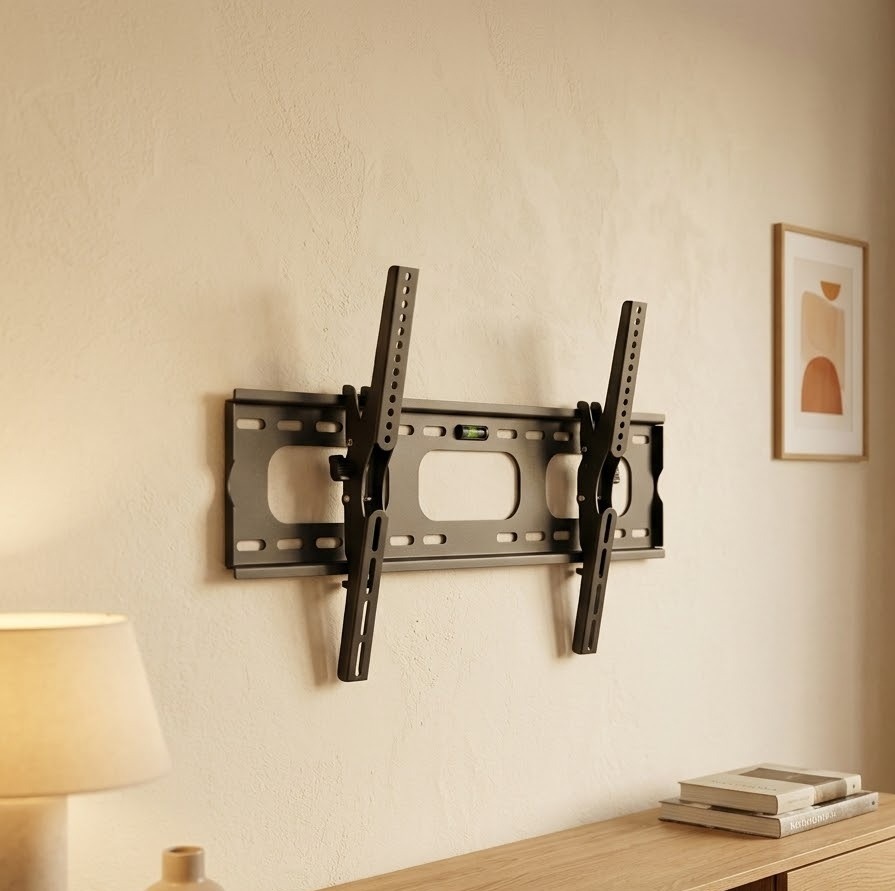
- Hotels and rooms: fixed or tilting brackets, compact and with little protrusion.
- Meeting rooms: swivel or extendable arm supports to improve visibility.
- Offices: Adjustable brackets that make screen sharing easy.
- Common areas: Robust models suitable for large screens.
Installation and wall type
Most brackets are fixed using anchors, but the anchoring system must be chosen based on the wall.
Concrete or solid brick walls generally allow for very robust installations, while in the case of plasterboard or lightweight walls it is advisable to check the compatibility of the structure beforehand and use suitable fixing systems.
Neat cable management
Correct cable management contributes to both the aesthetics and the safety of the installation. Many TV brackets integrate cable management systems that allow the power supply and connections to be hidden behind the panel.
In the case of traditional brackets it is It is possible to use cable channels or dedicated fixings to keep connections tidy and reduce visual impact.
Mistakes to avoid when choosing a TV bracket
Among the most common mistakes are choosing the bracket based exclusively on the inches of the TV, failing to check the VESA standard or the maximum load capacity, and underestimating the type of wall on which the installation will be carried out.
Carefully evaluating these aspects allows you to choose a reliable, safe support that is perfectly suited to your needs.
Frequently asked questions about TV brackets
Are TV brackets universal?
No. They must be compatible with the VESA standard, weight and dimensions of the TV.
How do I find out the VESA of my TV?
You can consult the TV manual or measure the distance between the four rear holes.
Is a fixed or adjustable bracket better?
It depends on the use. Fixed brackets are ideal for frontal viewing, while adjustable ones allow you to easily change the viewing angle.
Does the number of inches or the weight matter more?
Both are important, but the final compatibility depends above all on the VESA standard and the maximum load capacity of the bracket.
How to choose the most suitable TV mount
Choosing a TV wall bracket correctly means evaluating compatibility, dimensions, weight, VESA standard and usage methods. A careful choice allows you to obtain a safe installation, improve viewing comfort and enhance spaces both in the home and professional environments.
 English
  Italian
 French
 German
 Spanish