The choice between electric hand dryers and paper dispensers is one of the most frequent decisions in the design or renovation of public, corporate and commercial bathrooms. Offices, hotels, restaurants, shopping centres, schools, healthcare facilities and sports facilities must identify the solution that guarantees the best balance between management costs, hygiene, environmental sustainability and ease of use.
Both solutions have specific advantages and characteristics. To choose the most suitable one it is necessary to evaluate the number of users, the frequency of use of the restrooms, the long-term operating costs and maintenance needs. Analysing these aspects allows you to make a more informed and functional investment.
Electric hand dryers: how they work
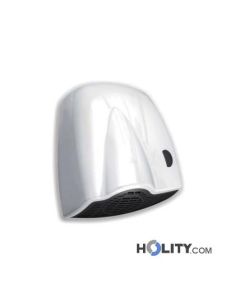
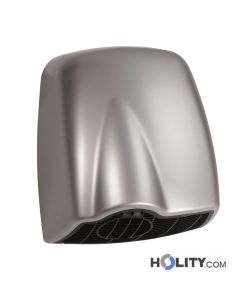
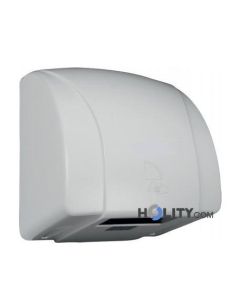
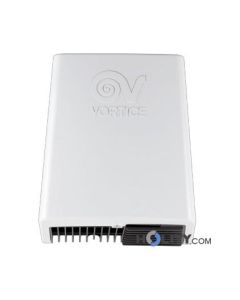
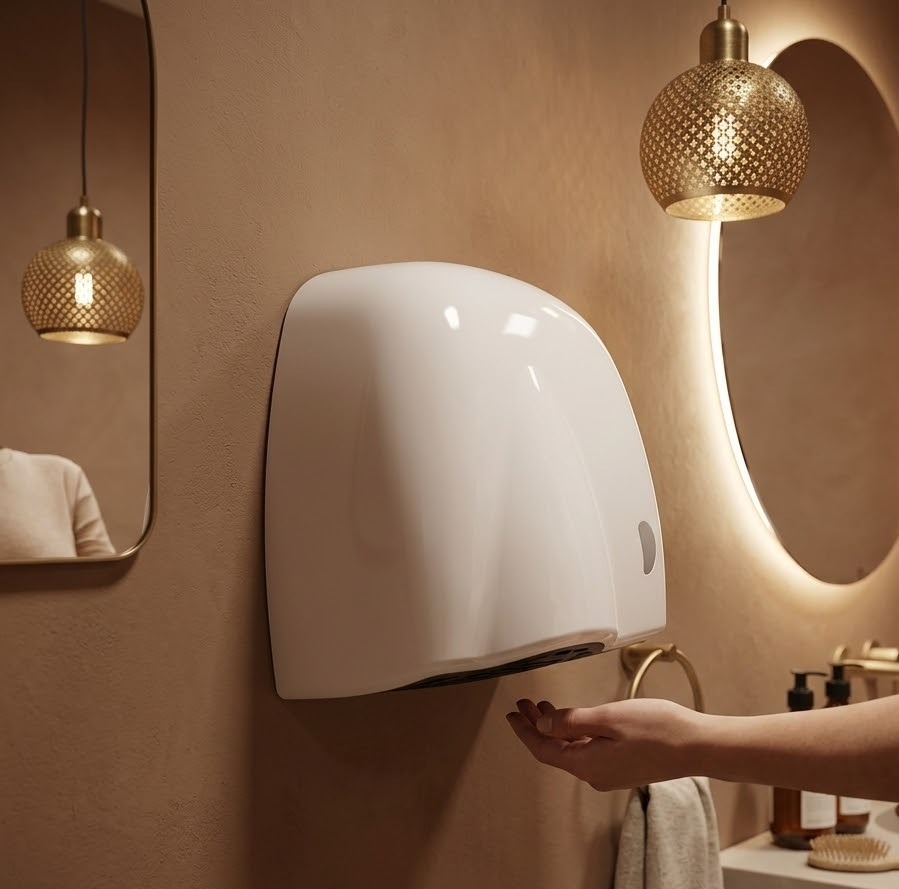
The electric hand dryers use a flow of air, hot or high speed, to quickly dry hands after washing. The most popular models are: Recent models are equipped with automatic sensors that activate the device without contact, improving hygiene and reducing energy waste.
This technology has evolved significantly in recent years. Today, there are air curtain hand dryers, models with HEPA filters, low-energy devices, and silent versions designed for environments where acoustic comfort is an important requirement.
Paper dispensers: a traditional solution
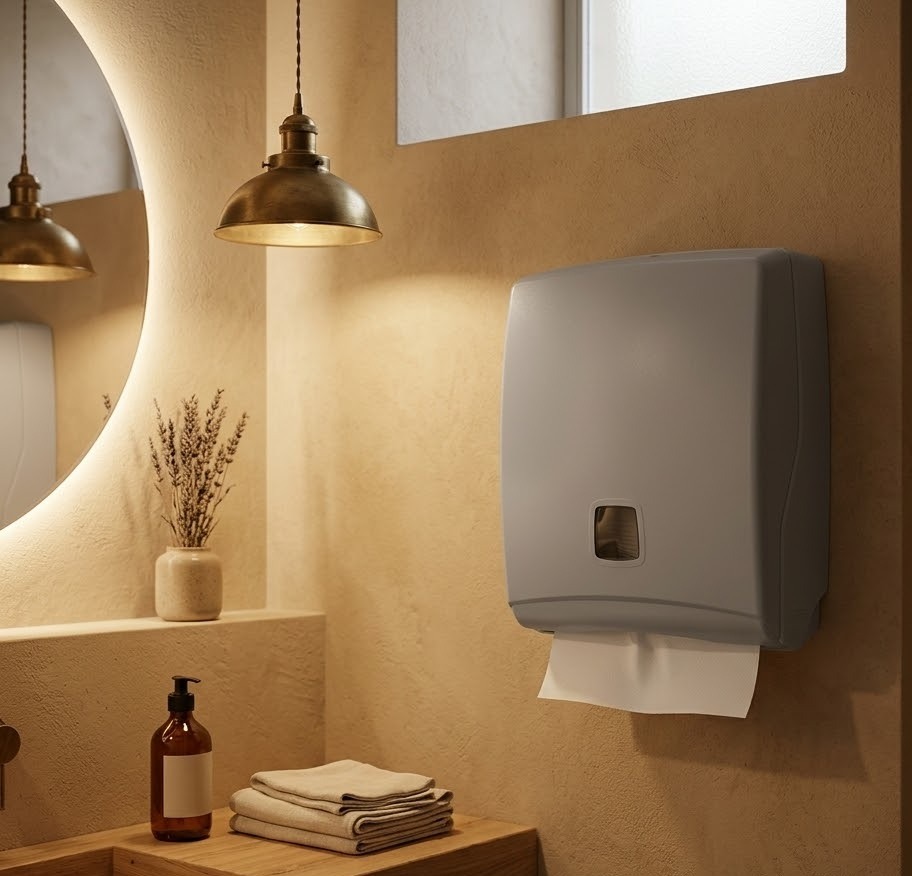
Paper dispensers are still one of the most widespread solutions in public restrooms. They allow users to quickly dry their hands using disposable wipes, which are then disposed of in the appropriate bins.
Ease of use is one of the main strengths of this system. However, daily management requires constant replenishment of paper, frequent emptying of the bins, and a continuous supply of consumables.
 Long-term cost comparison
From an economic point of view, the comparison must be made considering the entire life cycle of the product. Paper dispensers generally require a low initial investment, but involve recurring costs related to the purchase of paper, inventory management and waste disposal.
The electric hand dryers, on the other hand, require a higher initial investment but allow the cost of consumables to be almost completely eliminated. In contexts characterised by high traffic, such as airports, shopping centres, offices and accommodation facilities, this solution may be more convenient in the medium and long term.
Hygiene and health safety
Hygiene is one of the most important aspects when choosing a hand drying system. Modern electric hand dryers equipped with touchless sensors avoid direct contact with the device and, in the most advanced models, integrate HEPA filters capable of contributing to the purification of the air used during drying.
Paper dispensers also ensure a high level of hygiene, as each user uses a disposable towel. However, full bins or poor waste management can negatively impact the overall cleanliness of the bathroom.
Environmental sustainability
The growing focus on sustainability has led many companies to more carefully evaluate the environmental impact of different solutions. Paper dispensers generate a continuous production of waste and require the constant consumption of raw materials, transportation, and disposal.
Electric hand dryers almost completely eliminate this waste and, thanks to modern, energy-efficient motors, significantly reduce the environmental impact in the long term. Choosing highly energy-efficient models further contributes to reducing emissions and operating costs.
Maintenance and operational management
From a management point of view, electric hand dryers require limited maintenance interventions, generally consisting of periodic cleaning of the surfaces, checking the filters and verifying the correct functioning of the device.
Paper dispensers, on the other hand, require constant monitoring of supplies and frequent emptying of the bins. In high-traffic environments this can translate into greater use of personnel and higher operating costs.
Which solution to choose based on the context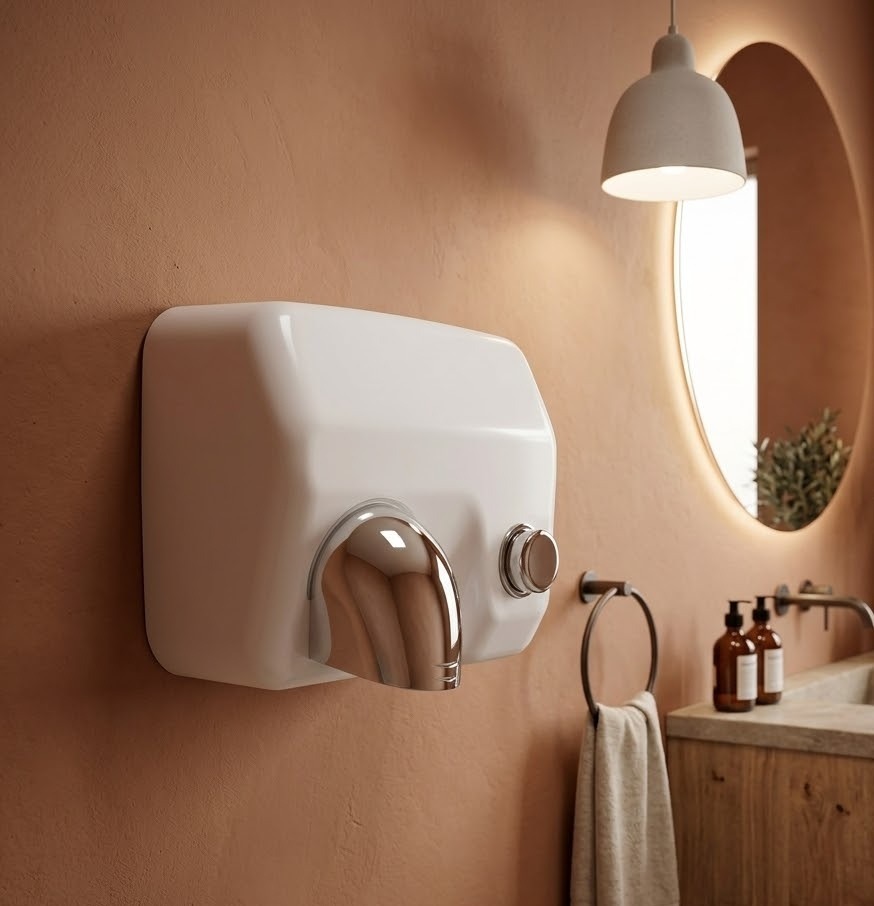
The choice depends mainly on the type of structure and the number of users. Hotels, offices, companies, shopping centres, schools and sports facilities with high traffic can obtain significant advantages by adopting professional electric hand dryers, capable of reducing management costs and improving the organisation of spaces.
In some particular contexts, such as healthcare facilities or environments where specific operating procedures are required, paper dispensers can still represent an adequate solution. Carefully evaluating the needs of the structure allows you to identify the most efficient system.
How to choose a professional electric hand dryer
When opting for an electric hand dryer it is important to consider some fundamental aspects: drying speed, energy consumption, noise level, presence of automatic sensors, HEPA filters, quality of materials and ease of maintenance.
Holity, specialist in professional supplies for public bathrooms, companies, hotels and hospitality facilities, offers a wide range of electric hand dryers designed to guarantee high performance, low consumption and long life. The availability of models suitable for every context allows you to identify the most efficient solution based on specific usage needs.
A choice that affects costs, comfort and sustainability
The comparison between electric hand dryers and paper cannot be You should not base your decision solely on the initial cost. You also need to consider management costs, maintenance, environmental impact, hygiene, and user comfort.
For many professional businesses, electric hand dryers today represent a modern, efficient, and sustainable solution, capable of improving the organization of restrooms and significantly reducing operating costs in the long term.
 English
  Italian
 French
 German
 Spanish