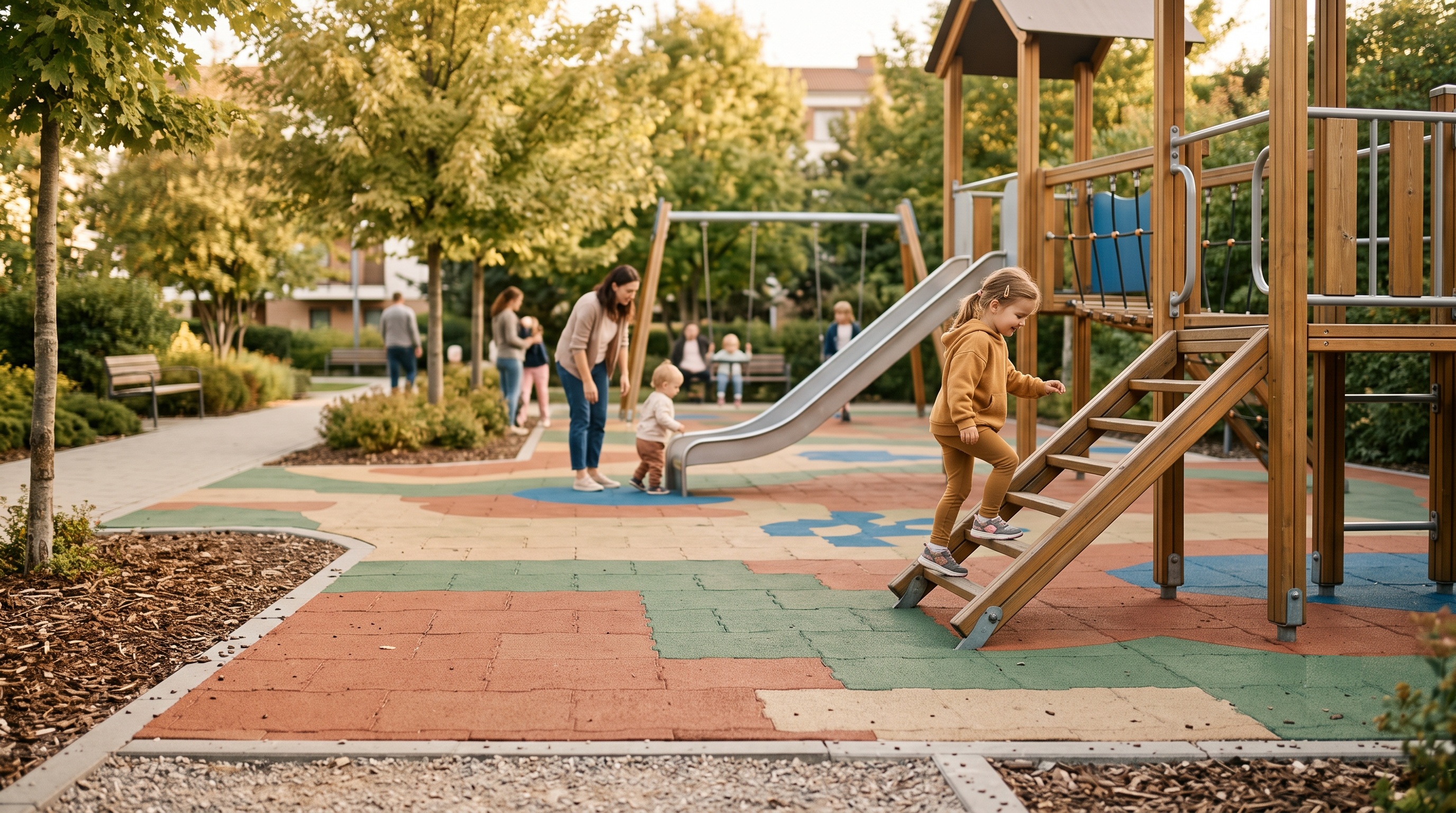
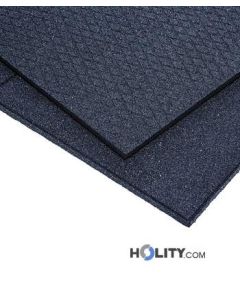
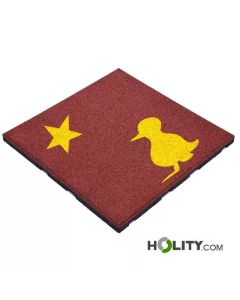
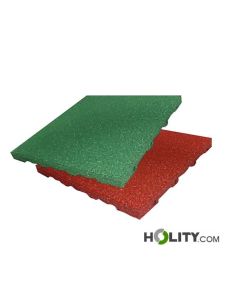
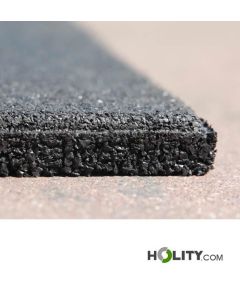
Anti-trauma playground flooring is one of the most important elements in the design of an area dedicated to children. Slides, swings, spring games and climbing structures involve continuous movements, jumps and possible falls. For this reason, the surface of the area cannot be chosen solely on the basis of aesthetics or cost, but must contribute to the overall safety of the space.
A correctly selected anti-trauma surface improves comfort, makes the area tidier and reduces the risk of serious consequences in the event of a fall. The choice concerns municipalities, schools, kindergartens, accommodation facilities, sports centres and managers of public or private spaces open to children. Each context requires a specific evaluation, because materials, thickness, drainage, maintenance and installation methods affect the final result.
Why is anti-trauma flooring important? important in a playground
In a playground, the risk of falls cannot be completely eliminated, but it can be managed through correct design choices. The flooring has the task of absorbing part of the impact and making contact with the ground less traumatic. This aspect is particularly relevant under raised games, swings, slides and structures where children can lose their balance during use.
Shock-absorbent flooring also helps make the space more usable throughout the year. An adequate base avoids holes, stagnant water and uneven surfaces that can make the area less safe. In public parks and school grounds, the quality of the surface directly affects the perception of care and reliability of the space. For this reason, the choice of material must be considered an integral part of the furnishings and safety of the playground.
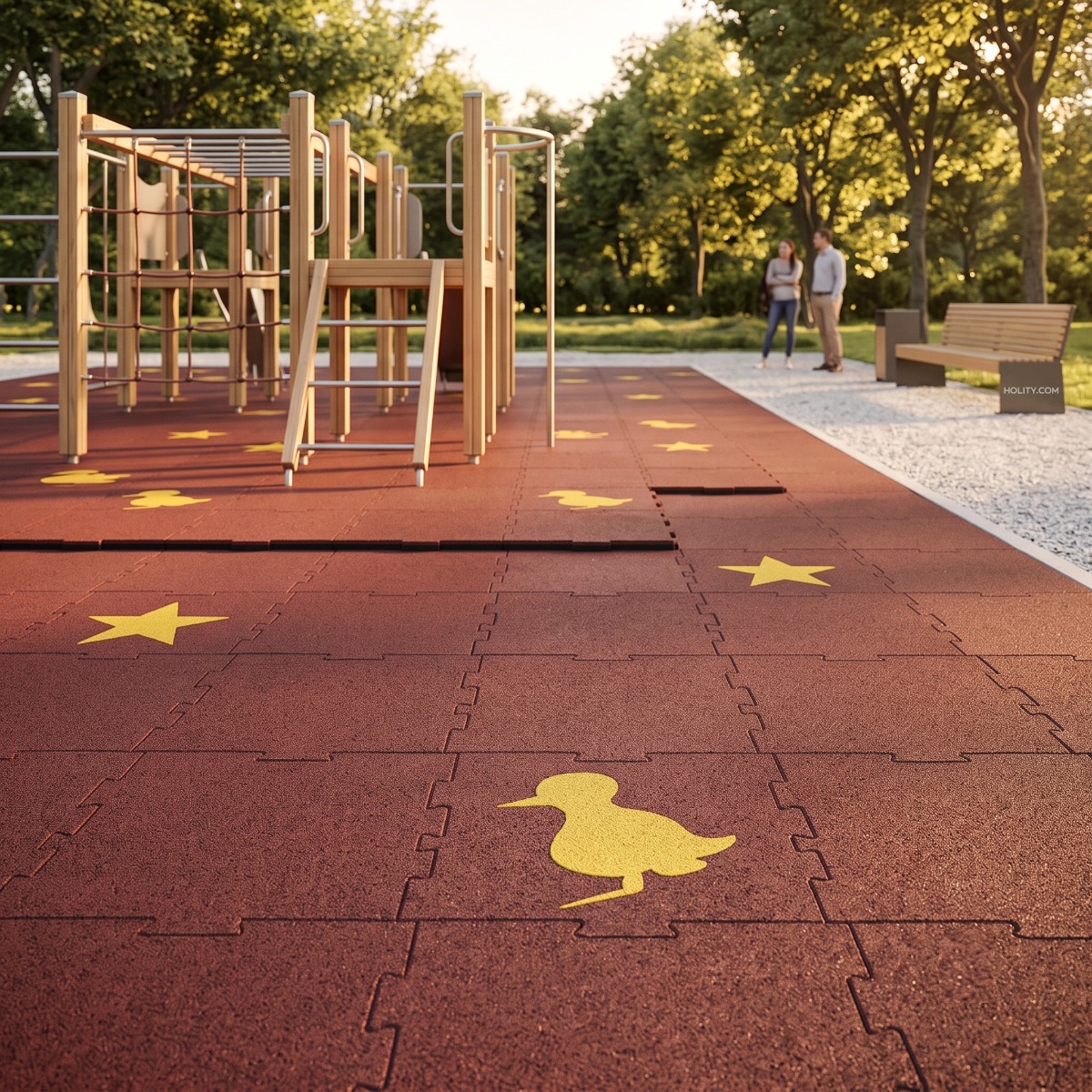 How an anti-trauma surface for playgrounds works
An anti-trauma surface is designed to reduce the impact force in the event of a fall. This result depends on several factors, including material, elasticity, thickness, and correct installation. The most common solutions use rubber or elastic materials capable of partially deforming under the weight of the body, absorbing part of the impact energy. The higher the play equipment, the greater the attention must be paid to its absorption capacity.
The choice cannot therefore be generic. An area with low play equipment and light use may require a different solution than a busy public park with taller structures. The existing surface also influences the decision, as some surfaces require draining, compact, and well-leveled sub-bases. An effective Anti-trauma playground flooring arises from the balance between safety, intended use and quality of installation.
Tiles, cast rubber and other available solutions
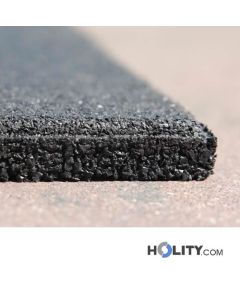
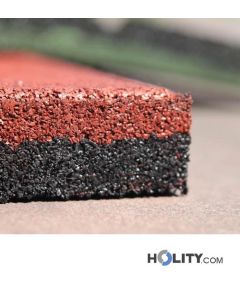
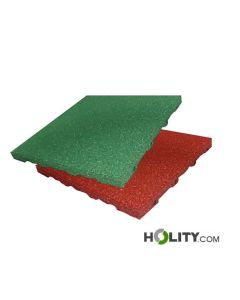
The anti-trauma tiles are among the most used solutions for playgrounds, schools and outdoor areas. They are modular, relatively simple to replace and available in different thicknesses. This feature makes them practical when it is necessary to intervene on specific areas or when you want to maintain easier management over time. Correct installation is essential to avoid unevenness, movements between the modules or tripping points.
Cast rubber, on the other hand, offers a continuous surface, without visible joints between the elements. It is a choice often appreciated for larger play areas or for projects where a uniform result is desired also from an aesthetic point of view. There are also solutions with synthetic grass combined with shock-absorbing underlays or drainage systems designed for outdoor use. Each alternative has advantages and limitations, which should be evaluated based on the context, budget, and expected maintenance.
Materials, thicknesses, and shock-absorbing capacity
The material determines resistance, elasticity, and behavior over time. Rubber is widely used because it combines shock-absorbing capacity, stability, and adaptability to outdoor spaces. Professional solutions are designed to withstand sun, rain, temperature variations, and frequent use. In public contexts, where the area may be used every day by many children, the quality of the material becomes an essential criterion.
Thickness should not be chosen randomly. It must be consistent with the fall height of the installed games and with the level of protection required by the area. A flooring that is too thin may not be adequate under taller structures, while an oversized solution may increase the cost unnecessarily. Correctly evaluating materials and thicknesses of the Shock-absorbent flooring allows you to achieve a balance between safety, durability and sustainability of the investment.
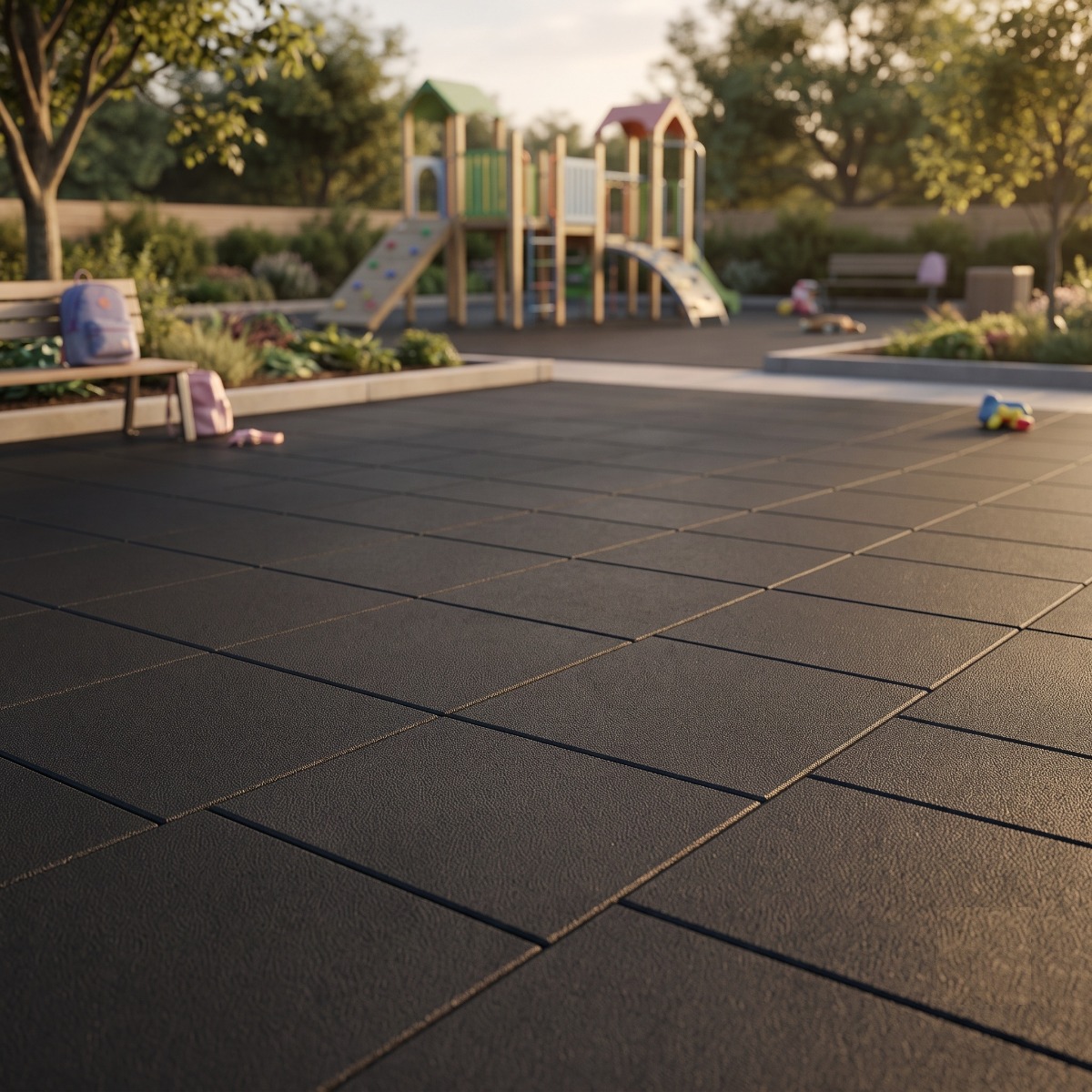 Anti-trauma flooring for schools, public parks and hospitality facilities
The needs change based on the type of structure. In a nursery or kindergarten, the flooring must be able to withstand daily use and a very sensitive age group. In public parks, however, the surface must withstand intensive use, continuous exposure, and intermittent monitoring. In hotels, campsites, and accommodation facilities, the flooring also contributes to the perceived quality of the service offered to families.
In all these contexts, the choice must take into account safety, hygiene, and ease of management. A draining surface can be useful in outdoor areas exposed to rain, while an easy-to-clean solution can simplify ordinary maintenance. For municipalities, schools, and professional facilities, shock-absorbing flooring for play areas must be considered a technical feature, not a simple decorative covering.
Installation, drainage, and maintenance over time
installation has a direct impact on the safety and durability of the flooring. Even a good-quality material can lose effectiveness if installed on an unsuitable, irregular, or unstable subfloor. Before starting any work, it is useful to evaluate the slope, drainage, compactness of the base, and the presence of any edges. A play area must allow water to drain away and maintain a smooth surface over time.
Maintenance depends on the material chosen and the intensity of use. Modular tiles can be replaced more easily in the event of localized damage, while continuous surfaces require specific checks on overall stability. Periodic cleaning, checking the edges, and checking for any lifting are useful activities to maintain the efficiency of the flooring. Regular management helps preserve the safety, comfort, and appearance of the play area.
Choosing professional supplies for safe play areas
Choosing Anti-trauma playground flooring requires a supplier capable of offering solutions suitable for public and professional contexts. Holity, a specialist in supplies for institutions, municipalities, schools and collective structures, offers products designed for play areas, public spaces and outdoor environments where safety and durability are central criteria. This approach allows the flooring to be evaluated in relation to the entire project of the area.
Holity, a leader in professional equipment and supplies for street furniture , playgrounds and collective spaces, represents a point of reference for those who must choose functional and resistant materials. For technical offices, purchasing managers and facility managers, purchasing an anti-trauma flooring means investing in the quality of the space and in the protection of the youngest users. A well-selected solution makes the playground safer, tidier and more suitable for continuous use over time.
 English
  Italian
 French
 German
 Spanish