
mon-fri 9-13 / 14.30-18.30

Soft educational block in the shape of a prism with super-washable fabric covering. Dimensions: 30 x 30 x h. 30 cm.

Educational soft cube made of expanded polyurethane covered with super-washable fabric. Dimensions: 30 x 30 x h. 30 cm.
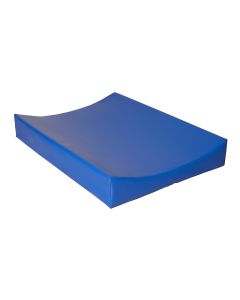
Professional curved changing mat in antibacterial eco-leather and 25 kg/m³ foam. Dim. 70x50x10 cm, ideal for nurseries and psychomotricity 6-18 months.

Prism obstacle in 25kg/m³ polyurethane foam and antibacterial PVC. Dimensions 100x25x15cm, ideal for motor development in children 18-36 months.

Soft psychomotor stairs in polyurethane foam, 40x50x20 cm. Orange stackable module with antibacterial and bite-resistant coating.
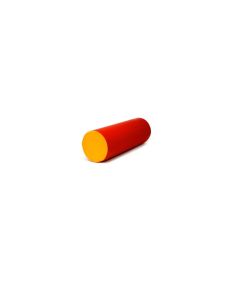
Colorful psychomotor block in the shape of a cylinder made with super-washable fabric. Dimensions: Ø 30 x H. 90 cm.
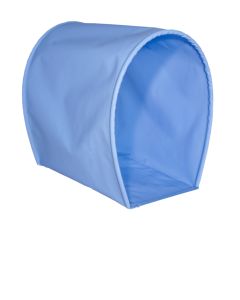
Psychomotricity tunnel obstacle for 18-36 months in polyurethane foam and PVC. Dimensions 60x30x55 cm. Modular, antibacterial and certified for nurseries.

High-density foam and antibacterial PVC psychomotricity cylinder (60x30 cm). Ideal for motor development and balance in nurseries and schools.
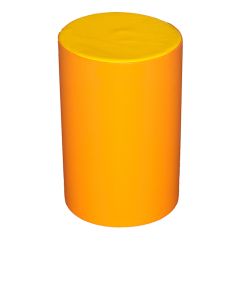
Psychomotor foam cylinder with 25 kg/m³ density and PVC for children 6-18 months. Ø 35x55 cm. Certified and antibacterial for nursery schools and play centers.
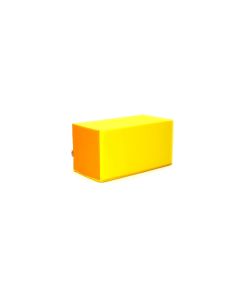
Soft educational block in the shape of a parallelepiped made of polyurethane foam. Dimensions: 40 x 40 x h. 80 cm.

Non-slip foam ramp. Dimensions: W. 60 x D. 60 x H. 30 cm. For children from 18 months to 3 years.

Soft wave-shaped block in 25kg/m3 foam. Non-slip, stackable. Dimensions: W. 80 x D. 60 x h. 12 cm. For children aged 6-18 months.
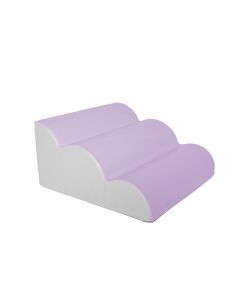
Soft wavy staircase for psychomotricity in 25 kg/m³ foam, dimensions 65x60x30 cm. Antibacterial and non-slip coating for nurseries and schools.

Prismatic psychomotor obstacle in polyurethane foam and antibacterial PVC. Dimensions 100x25x30 cm. Modular with velcro for children 18-36 months.
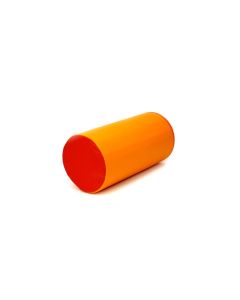
Soft cylinder-shaped educational block made of polyurethane. Dimensions: Ø 40 x H. 80 cm.

Prism support for psychomotricity in high-density foam and antibacterial PVC, 60x30x35 cm, ideal for motor development between 18 and 36 months.
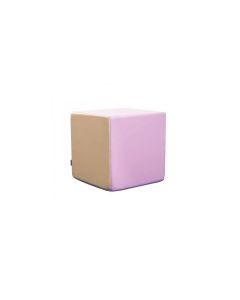
Soft educational block in the shape of a cube in lilac and cream colors. Dimensions: W. 45 x D. 45 x H. 45 cm.
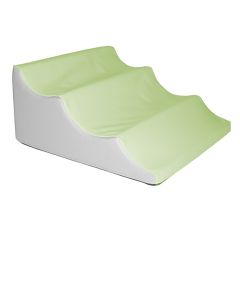
Inverse wavy foam staircase 25kg/m³, non-slip base. Dimensions: W. 65 x D. 60 x h. 30 cm. For children from 18 months to 3 years.
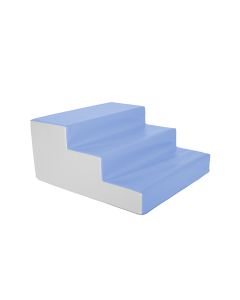
Psychomotor foam stairs 25 kg/m³, 65x60x30 cm. Non-slip leather-effect cover, bite-resistant and stackable for nurseries and kindergartens.
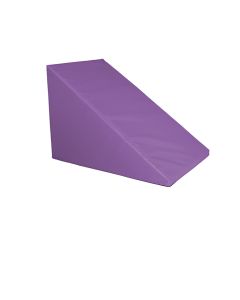
Professional psychomotor ramp in polyurethane foam and non-slip PVC (70x50x50 cm). Ideal for motor development in nurseries.
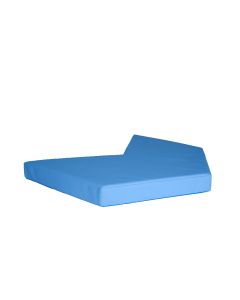
Psychomotor arrow in polyurethane and non-slip PVC, 100x85x10 cm, designed for motor and coordination development in nurseries and preschools.

Soft foam curved ramp 25kg/m3 with non-slip base. Dimensions: 90 x 60 x 30 cm. For children from 18 months to 3 years.

Frog-shaped rocker in high-density foam, pistachio green. Dimensions: W. 114 x D. 20 x h 39 cm.

Soft tunnel block in high-density foam for psychomotor activities for children 6-18 months. Dimensions: W. 50 x D. 50 x h 55 cm. Composed of 2 pieces.
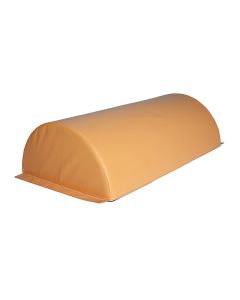
Half-moon psychomotricity obstacle in PU foam and antibacterial PVC. Dimensions 100x60x30 cm. Modular with velcro for safe paths 18-36 months.
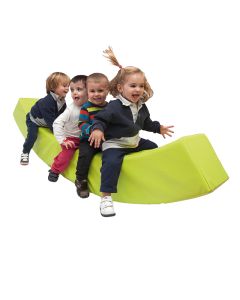
Psychomotor curved bench for children 18-36 months in high-density foam and bite-resistant PVC. Length 200 cm, ideal for balance and coordination.

Arch-shaped rocker in soft foam. Covered in antibacterial PVC. Dimensions: W. 120 x D. 30 x h. 60 cm. Age: 3-6 years.
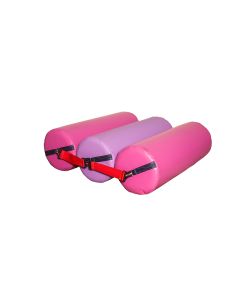
Soft foam rollers for psychomotor paths. Dimensions: L. 66 x D. 60 x H 22 cm. Set of 3 pieces.

Psychomotor polyurethane semi-hexagon, 118x53x30 cm. Antibacterial and bite-resistant coating for safe motor development of children aged 18-36 months.
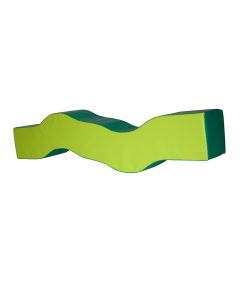
Wavy psychomotor module in 25kg/m³ density foam, 200x30cm. Antibacterial PVC coating for coordination and balance (18 months-3 years).

Folding tunnel-shaped mat in non-slip PVC. Dimensions: W. 200 x D. 150 x h. 5 cm. For psychomotor skills 6-18 months.

Arrow-shaped psychomotor module in high-density foam and antibacterial PVC (100x85x40 cm), ideal for educational paths from 18 to 36 months.

Educational blocks set consisting of a cylinder and a tunnel. Cylinder dimensions: Ø 100 x 35 cm. Tunnel dimensions: Ø 100 x 55 cm.

Set of 6 sliding foam rollers for psychomotricity. Dimensions: W. 132 x D. 60 x h. 22 cm.

Set of 3 psychomotor blocks for children 6-18 months. Dimensions: W. 60 x D. 60 x H 25 cm. High-density foam and PVC coating.
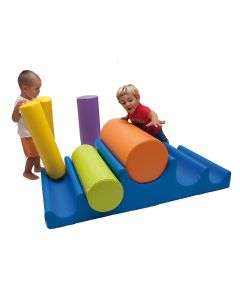
Psychomotor module composed of 6 high-density foam cylinders and antibacterial PVC. For children 18-36 months. Dimensions 135x60x45 cm.
Motor education in early childhood represents the pillar on which the development of the child’s identity and spatial awareness is based. Psychomotor blocks and paths are technical tools designed to transform spontaneous movement into a structured activity of cognitive and relational learning. In professional contexts such as nurseries, therapeutic centers, and playrooms, these elements allow for the setup of dynamic play areas where the body becomes the primary means of exploring complex concepts such as balance, laterality, and eye-hand coordination. The choice of certified materials ensures that every psychomotricity session takes place in a protected environment, stimulating confidence in one’s physical abilities.
The adoption of a professional psychomotor set is distinguished by the ability to combine tactile softness and structural resistance, characteristics indispensable for sustaining intensive daily use by large groups of children. These teaching aids are not simple toys, but true pedagogical devices that favor inclusivity and social cooperation through the overcoming of small physical obstacles. Choosing high-quality solutions means investing in technical furniture that preserves the health of small users thanks to antibacterial and non-toxic properties, while offering educators unparalleled operational flexibility for creating ever-new and challenging configurations for the mind and body.
The utility of these tools lies in their ability to act simultaneously on multiple dimensions of child development, from the motor to the emotional. The constant use of obstacle courses, ramps, and soft cylinders allows the child to refine gross motor skills, improving control of muscle tone and the precision of athletic movement. In a school context, psychomotor activity acts as an outlet for accumulated energy, contributing drastically to the reduction of stress and anxiety in young students. Through the autonomous exploration of shapes and colors, children also strengthen their observation skills and enrich their technical vocabulary, learning to describe complex actions and spatial relationships.
In addition to the developmental benefits, the choice of professional blocks guarantees simplified hygienic management and superior passive safety. The construction in antibacterial and easy-to-clean materials is a critical requirement to prevent the spread of pathogens in high-traffic collective environments. The softness of the polyurethane foam, covered in resistant technical fabrics, cancels the risk of trauma from accidental impact, allowing children to experiment with jumping and falling without physical consequences. Investing in a modular psychomotor system means equipping the facility with versatile equipment that supports problem-solving and cooperation, as many configurations require teamwork to be assembled or overcome, reinforcing social bonds within the class group.
The range of solutions for psychomotricity is divided into several product categories, each intended to stimulate specific motor or creative skills. Large building blocks are ideal for large-scale manipulation and construction activities, allowing children to build structures that can then be physically explored. These elements, available in classic geometric shapes such as cubes, prisms, and cylinders, stimulate coordination and three-dimensional vision. Alongside these, modular paths composed of ramps, stairs, waves, and tunnels represent the most dynamic solution for creating circuits that test the balance and dexterity of the lower and upper limbs.
To make the experience even more immersive, there are themed sets that transport motor activity into narrative worlds like space or the animal kingdom, increasing emotional engagement and the participation of the shiest children. Each type of block is designed to be lightweight and easily handled, favoring the autonomy of the child who can actively participate in setting up the play space. The external finishes in certified eco-leather or water-repellent technical fabrics are available in a wide palette of bright colors, designed not only for aesthetics but to support color recognition and visual sensory stimulation, transforming every teaching session into an explosion of creativity and protected movement.
The selection of the ideal psychomotor set must start from an accurate analysis of the average age of the users and the set pedagogical objectives. For nurseries, it is essential to focus on small blocks with reduced density, which are easy to grasp and safe even for those learning to crawl. On the contrary, for kindergartens and playrooms, it is preferable to opt for more complex paths that integrate height differences, tunnels, and unstable bridges, challenging the balance of older children. A fundamental technical criterion concerns the quality of the coverings: surfaces must be non-slip and resistant to abrasion, to ensure that the blocks do not slide away during the jump and that they withstand the bites and scratches typical of childhood play.
Another decision factor is the modularity of the system: choosing elements that can be combined with each other via Velcro or stable joints allows for continuous variation in the difficulty of the path, keeping student interest high over time. It is necessary to evaluate the ease of storage: in multifunctional environments, being able to disassemble and stack blocks in an orderly manner is an essential logistical advantage for auxiliary staff. Finally, the certification of materials should never be neglected: ensuring that the blocks are made with closed-cell foams and coatings free of phthalates guarantees a healthy environment and respects the sustainability and health criteria required for public and private school supplies of excellence, avoiding the purchase of products that could deteriorate rapidly or release unpleasant odors.
Psychomotor blocks and paths intended for professional use must comply with European regulations on the safety of toys and children’s furniture, in particular the UNI EN 71-1, 71-2, and 71-3 standards. These directives ensure that the products are free of sharp parts, resistant to flammability, and made without the use of harmful chemicals or heavy metals that could migrate during skin contact or accidental ingestion. Reaction to fire is another critical requirement in public buildings: foam materials and coverings must be certified as fire-retardant, usually meeting Class 1 IM, to ensure maximum protection in case of emergency within the school facility.
In addition to chemical and physical requirements, psychomotricity equipment must respect high hygiene standards, with materials equipped with intrinsic antibacterial properties that counteract the proliferation of germs between uses. The presence of the CE marking and a detailed technical data sheet provided by the manufacturer is mandatory to certify the product’s compliance with resistance and durability tests. School safety officers have the duty to verify the integrity of the coverings and seams, ensuring that there are no leaks of padding material that could constitute a choking hazard for the youngest. Compliance with these technical standards is not only a legal fulfillment but a fundamental guarantee for building an inclusive and safe learning environment, where every child can move in total freedom and protection.
Explore all products in the category and compare the available solutions to find the one best suited to your operational context.
Professional psychomotor paths are made with a high-density closed-cell polyurethane foam core, which guarantees support and softness. The external covering is usually made of eco-leather or coated polyester, certified non-toxic materials, phthalate-free, and equipped with antibacterial properties to ensure safe and hygienic contact with the child’s skin.
Maintenance is extremely simple: surfaces are waterproof and can be cleaned quickly with a damp cloth and neutral soap. In school contexts, the use of non-aggressive disinfectant solutions or specific medical-surgical devices for children is recommended, which allow for the elimination of bacteria and viruses without affecting the brightness of the colors or the integrity of the covering.
Yes, these tools are designed with a strong focus on inclusivity. Their soft and modular nature allows for the creation of activities adapted to different skill levels, favoring the participation of children with special needs. The paths can be configured to stimulate motor rehabilitation and social integration in a fair play environment free of architectural barriers.
Modularity allows educators to continuously vary the configuration of the play area, proposing ever-new challenges that stimulate problem-solving and creativity. By changing the order of stairs, ramps, and tunnels, the child is forced to plan new movement patterns, keeping interest high and favoring dynamic and non-repetitive motor learning.
Absolutely yes. Products intended for kindergartens and public places must mandatory possess fire-resistance certifications, usually in Class 1 IM. This ensures that, in the event of a fire, the materials do not feed the flames and do not release dangerous toxic fumes, respecting the rigorous safety regulations in force in school buildings.
Although designed primarily for the preschool range (0-6 years), psychomotor blocks are extremely versatile. For the youngest, they stimulate crawling and the first steps, while for older children they become tools for complex circuits that train balance and coordination, being useful even in the first years of primary school.
Active and creative play allows children to freely express their emotions and release accumulated physical energy. Moving in a “soft” space where a mistake does not cause physical pain increases self-esteem and reduces performance anxiety, contributing significantly to the child’s emotional and mental well-being.
 English
  Italian
 French
 German
 Spanish