
mon-fri 9-13 / 14.30-18.30
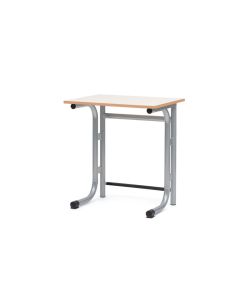
Single-seater school desk h908_67 in Ø40 steel, 70x50 cm top. C-frame structure without under-top shelf for maximum freedom of movement and hygiene.
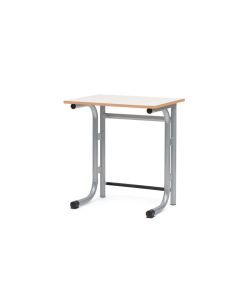
Single school desk with C-shaped steel structure Ø40 and 70x50 cm top. Height 59 cm, without under-top shelf for maximum freedom of movement.
Pack of 10 pieces
€1,500.00 VAT incl.Height-adjustable single-seater monobloc desk. Top 70x50 cm.
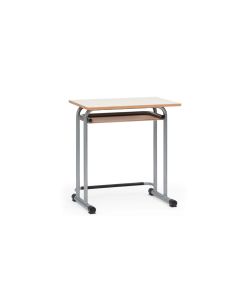
Single-seater h908_85 desk in steel and beech, 70x50x82 cm. Twin-column structure with integrated undershelf for superior educational organization.
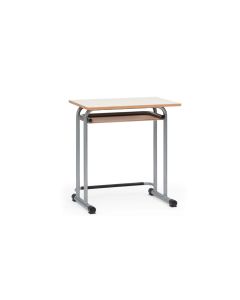
Single-seater school desk in 28 mm diameter steel with beech undershelf. Dimensions 70x50x76 cm, double-column structure for intensive stability.
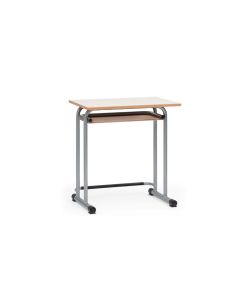
Single-seater two-column school desk in steel and beech, 70x50x71 cm. Reinforced structure and integrated undershelf for intensive use in classrooms.
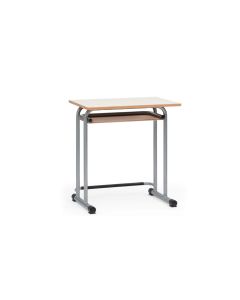
Single-seater twin-column school desk H908_82 in steel and beech, 70x50x64 cm. Reinforced structure and integrated under-shelf for intensive school use.
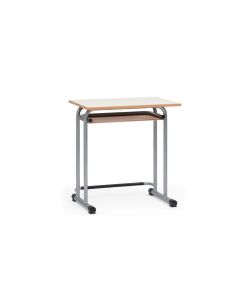
Single-seater double-column school desk in steel and beech, dimensions 70x50x59 cm. Reinforced structure and integrated undershelf for intensive school use.
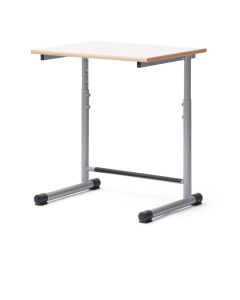
Single-seater height-adjustable desk (59-82 cm) with 70x50 cm top. Single-column structure without under-shelf for maximum school ergonomics.
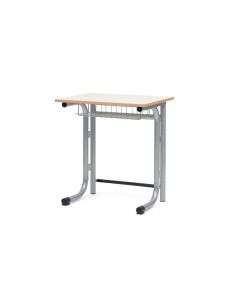
Single school desk with Ø40 mm steel C-frame, 70x50 cm top and under-shelf grid. High stability for schools and training centers.
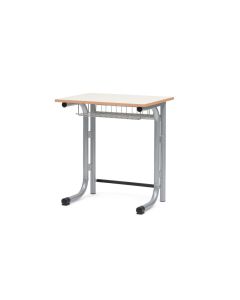
Single-seater school desk in Ø40 steel with 70x50 cm top and grid undershelf. C-shaped structure for maximum freedom of movement and stability.
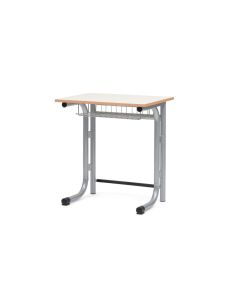
Single-seater school desk with Ø40 steel C-frame, 70x50 cm top and grid undershelf. Ideal for primary and secondary schools.
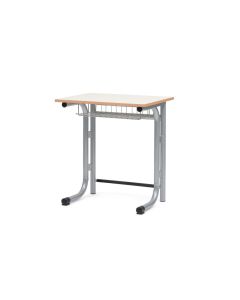
Single-seater school desk in Ø40 steel with C-frame, 70x50 cm top and wire mesh undershelf. Ideal for primary and secondary schools.
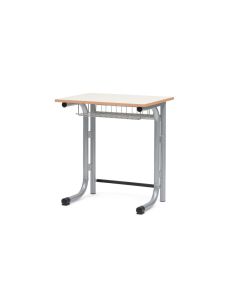
Single-seater school desk in Ø40 steel with 70x50 cm top. “C” structure with grid undershelf, ideal for primary and middle schools.
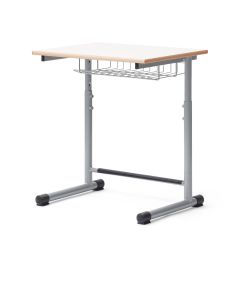
Single-seater school desk, height-adjustable single-column structure, 70x50 cm top with wire shelf. Ergonomic and versatile.
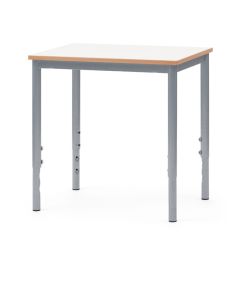
Professional single-seater desk in Ø40 mm steel, 70x50 cm, with height-adjustable legs to adapt to different age groups and educational contexts.
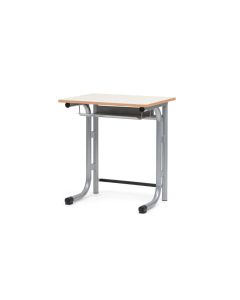
Single-seater school desk H908_80 in steel, 70x50x82 cm. Ergonomic C-frame for tall students with sheet metal undershelf and ivory top.
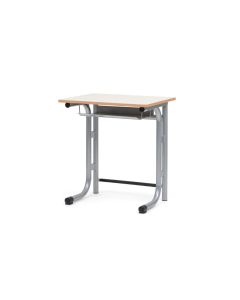
Single-seater steel school desk with scratch-resistant top 70x50x76 cm. C-shaped structure and sheet metal under-shelf for high schools and universities.
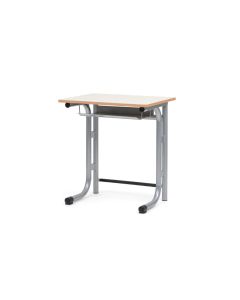
Single-seater school desk in steel with “C” structure and ivory 70x50 cm top. Ergonomic, with sheet metal under-shelf, ideal for intensive use.
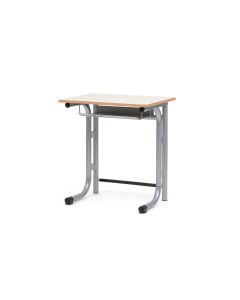
Single-seater school desk in steel with ergonomic C-shaped structure, 70x50x64 cm top and sheet metal under-shelf. Ideal for stability and hygiene in the classroom.
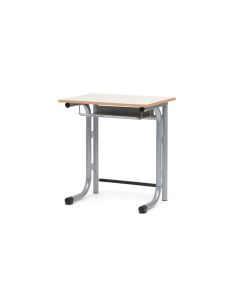
Single-seater steel school desk with C-frame, 70x50 cm top and sheet metal undershelf. Ergonomic design to optimize classroom space.
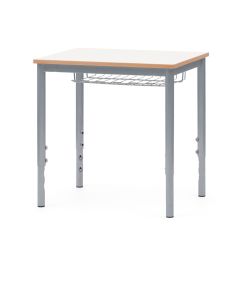
Single-seater school desk in steel with adjustable height (59-82 cm) and 70x50 cm top. Includes metal wire under-top shelf for optimal space management.
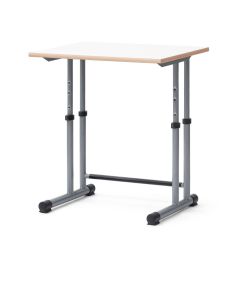
Double-column steel single-seater desk, height-adjustable (59-82 cm), 70x50 cm top without undershelf. Adaptable ergonomics for every school level.
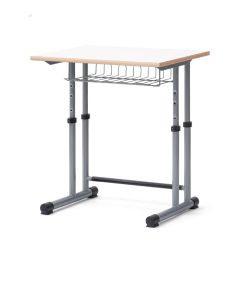
Single-seat school desk 70x50 cm with height-adjustable twin-column frame and under-top wire shelf. Ergonomic solution for various school levels.
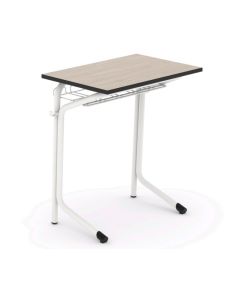
Single-seater desk for secondary school h979_54 with 19 mm thick melamine top in oasis oak finish and Ø30 mm tubular structure in white color.
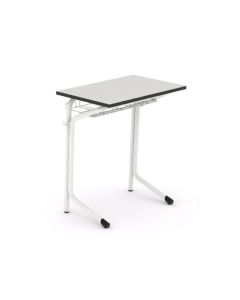
Single-seater desk for secondary school h979_53 with 19 mm thick white melamine top and size 5 height (710 mm).
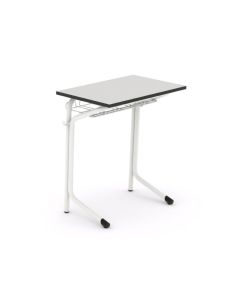
Single-seater secondary school desk h979_52 with 19 mm thick white melamine top and size 4 height (640 mm).
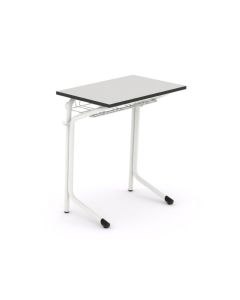
Single-seater desk for primary and secondary school h979_51 with 19 mm thick melamine top in white color and size 3 height (590 mm).
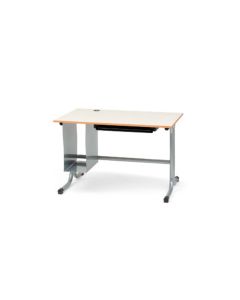
Single-seater table for computer labs in steel and melamine, 80x80 cm, size 7. Ergonomic workstation with C-structure for educational laboratories.
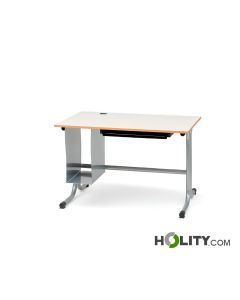
Single-seater computer lab table in steel and melamine, 80x80 cm, size 6. Ergonomic C-structure for laboratories and training centers.
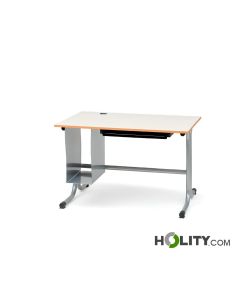
Single-seater computer lab table in steel and melamine, 80x80 cm, size 5. Ergonomic C-frame structure for laboratories and secondary schools.
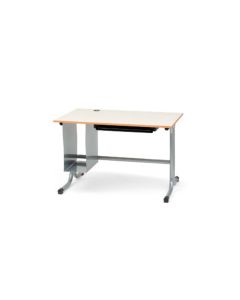
Computer lab table in steel and melamine, 120x80 cm, size 7 for adults. Ergonomic C-structure for labs and training centers.
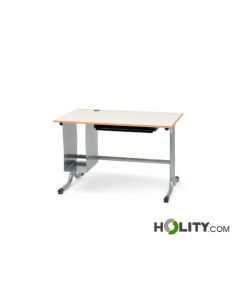
Computer classroom table in steel with ivory top 120x80 cm. Ergonomic C-shaped Size 6 structure for secondary schools and training centers.
Professional IT table in steel with "C" legs and 120x80 cm top. Ergonomic, robust and ideal for school laboratories and adult users.
Steel and laminate computer classroom table 160x80 cm. Ergonomic C-structure size 7, ideal for professional PC workstations and schools.
Computer lab table 160x80 cm in steel and ivory wood. Size 6 for adults, with ergonomic "C" structure and optional setup.
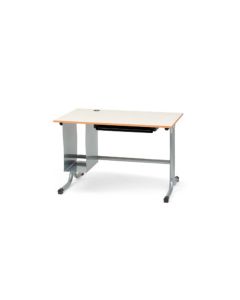
Computer lab table in steel and ivory top 160x80cm. Ergonomic C-structure ideal for school laboratories and professional training.
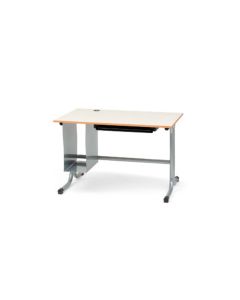
Single-seater computer lab desk in Ø40 mm steel, 180x80x82 cm. Sturdy C-frame structure, ideal for PC workstations and school laboratories.
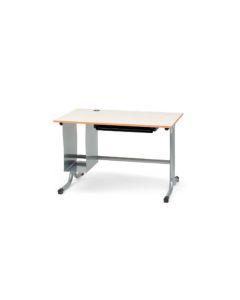
Single-seater computer lab table in steel and wood, 180x80 cm. Robust C-structure and large top for multimedia educational workstations.
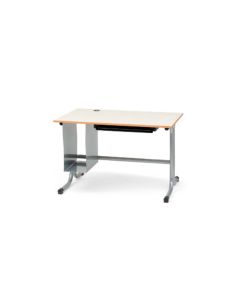
Single-seater computer lab desk, C-shaped steel structure Ø40 mm, 180x80 cm top. Large work surface for professional PC workstations.
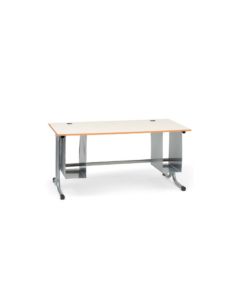
Two-seater table for computer labs in steel Ø40 mm. 200x80 cm top Size 7, stable C-frame and provision for multimedia accessories.
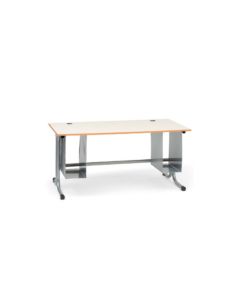
Two-seater desk for computer classrooms in Ø40 mm steel, dimensions 200x80 cm. C-frame and ivory top, ideal for secondary schools and laboratories.
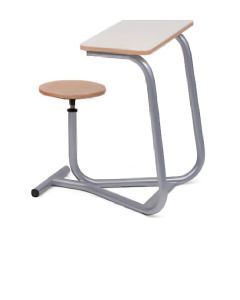
Monobloc desk with Ø40mm steel swivel stool. Dimensions 70x33xH76 cm (Size 6). Ergonomics and robustness for school and technical environments.
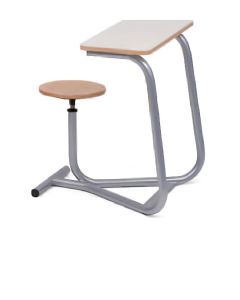
Monobloc school desk in steel with integrated swivel stool. Size 5, dimensions 70x33xH71 cm. Compact and space-saving structure.
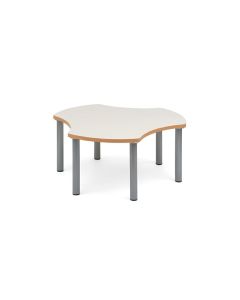
Modular wave-shaped didactic table for nursery school, steel structure Ø40mm, H53cm. Connectable hex-round shape for collaborative work islands.
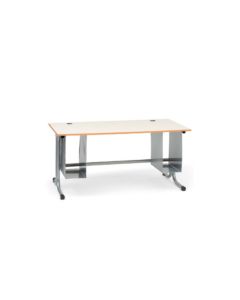
Two-seater computer classroom desk in Ø40 mm steel. 200x80 cm ivory top, height size 5. Sturdy C-frame for laboratories and schools.
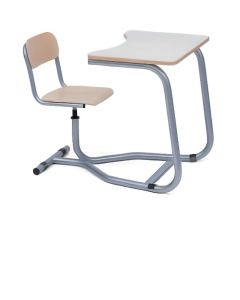
Monobloc school desk in steel with integrated swivel chair. Size 6 for tall students, ergonomic design and robust Ø40 mm structure.
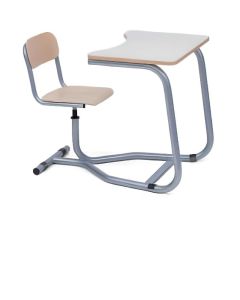
Monoblock school desk size 5 with integrated swivel chair, Ø40mm steel structure and 70x50 cm top for ergonomic educational classrooms.
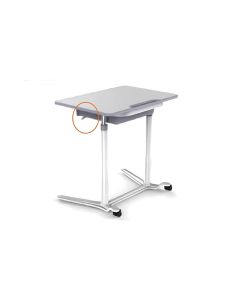
Individual height-adjustable school desk (53-73 cm) in metal and melamine. Ergonomic, with wheels and drawer for dynamic classrooms.
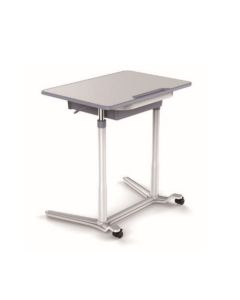
H872_34 mobile desk in melamine, height-adjustable (730-1030 mm), for flexible teaching and ergonomic individual workstations size T2-T5.
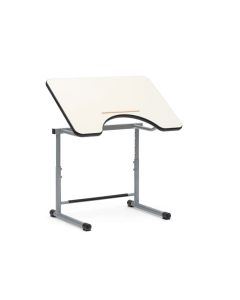
Aluminum anthropometric table for the disabled, 80x60 cm top adjustable in height and tilt for school inclusion and rehabilitation.
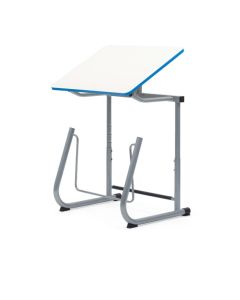
Ergonomic school desk 80x60 cm with tilting top and adjustable height (78-102 cm). Equipped with a swinging footrest for postural well-being.
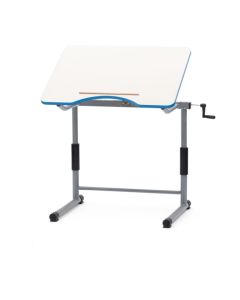
Ergonomic desk for people with disabilities with a metal structure, 80x60 cm, micrometric hand crank adjustment, and tilted top for school inclusion.
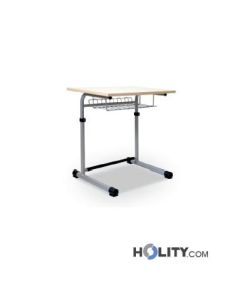
Adjustable single desk with metal grid under-shelf and footrest. Dimensions: W.70 x D.50 cm. 100% Made in Italy.
The choice of school desks represents a fundamental step in defining a learning environment that is truly student-friendly. These furnishings are not merely support surfaces, but constitute the operational core where the student spends most of the time dedicated to intellectual and practical training. A professional school desk must combine mechanical resistance, postural ergonomics, and passive safety, following the physical evolution of students from primary through secondary school. Correct posture, supported by inclined or adjustable worktops, is essential to prevent fatigue and encourage prolonged concentration during lesson hours.
Modern teaching configurations require solutions that go beyond the traditional concept of a static classroom, prioritizing flexibility and modularity. The latest generation of school desks is designed to be quickly reconfigured, allowing the transition from a front-of-class lesson to collaborative group work in just moments. The use of scratch-resistant surfaces and easily sanitizable materials ensures excellent durability and the maintenance of high health standards, critical factors for the daily management of public and private educational institutions. Choosing certified desks means investing in the well-being of students and the technological quality of the entire school ecosystem.
The utility of a technical school desk lies in its ability to adapt to the different anthropometric and pedagogical needs of each study cycle. Professional desks are designed with rounded corners and anti-impact edging, indispensable elements to minimize the risk of accidental injury within crowded classrooms. Structural stability, guaranteed by epoxy powder-coated steel frames, ensures that the worktop does not wobble, offering a solid base for writing and the use of digital devices. This level of robustness is fundamental to withstand the constant dynamic stresses to which furnishings are subjected throughout the school years.
Furthermore, the adoption of ergonomic desks actively supports the educational success of students by reducing distractions resulting from physical discomfort. The integration of functional accessories, such as the under-top book holder and the lateral backpack hook, allows the work area to be kept tidy and free of obstacles, promoting safety in the aisles between desks. The use of non-toxic paints and certified flame-retardant surfaces guarantees a healthy environment compliant with the strictest fire prevention regulations, protecting student health in every aspect, from air quality to protection against mechanical and thermal risks.
The range of school desks is divided into various technical solutions to respond to various contemporary teaching methodologies. Traditional single-seater desks remain the choice of preference for lessons requiring a defined individual station, available with both melamine-faced wood and high-resistance HPL laminate tops. Alongside these, two-seater desks offer a classic solution for space optimization in classrooms with a high number of students. Special mention should be made of height-adjustable desks, which allow the same station to be adapted to students of different age groups, representing an extremely versatile choice for laboratories and multi-purpose classrooms.
For innovative teaching and cooperative learning, modular solutions have become indispensable: trapezoidal or wedge-shaped desks can be placed together to form circular islands, horseshoes, or large communal tables, encouraging collaboration and peer debate. There are also specific models equipped with integrated footrests to improve venous return and comfort during prolonged sitting. The structures can be fixed or equipped with wheels with a locking system, facilitating the movement of the furniture for floor cleaning or total room reconfiguration, always guaranteeing a versatility of use that follows the technological and methodological evolutions of the modern school.
Selecting the ideal desk must be based primarily on the age group of the students and the type of activity that will be predominantly performed. It is essential to consult dimensional size tables to ensure that the height of the top is proportional to that of the chair and, consequently, to the student's height. A technical decision criterion concerns the type of surface: for primary schools, where colors and glues are frequently used, a scratch-resistant and stain-resistant laminate top is preferable, while for secondary schools, high-quality melamine may be sufficient. The depth of the desk must also be evaluated, which must be able to comfortably accommodate both paper materials and any notebooks or tablets.
Another critical factor is the provision of storage compartments: the presence of a steel grid or sheet metal under-shelf allows the work surface to be cleared of unused books, keeping concentration high. Attention must be paid to feet leveling systems, which ensure perfect stability even on floors that are not perfectly level, avoiding annoying noises and vibrations during writing. Finally, aesthetics should not be overlooked: choosing colors that favor the brightness of the environment can positively influence the mood and performance of students. Choosing desks with guaranteed spare parts availability also allows for the replacement of any components worn over time, drastically extending the life cycle of the school furniture.
All school desks must comply with European standards UNI EN 1729-1 and UNI EN 1729-2, which define safety requirements, test methods, and functional dimensions for educational institutions. This standard ensures that the desk has been tested to withstand static and dynamic loads, simulating the typical daily stress of the classroom environment. Chemical safety is equally a priority: materials must belong to Class E1 for formaldehyde emission and finishes must be made with certified non-toxic paints. Furthermore, ABS or polyurethane edges must be applied in such a way as not to present cracks or dangerous detachment points.
In addition to mechanical requirements, Italian regulations require that school furniture contributes to the overall fire safety of the building; therefore, worktops and structures must be composed of low-combustion materials. The presence of CE marking and certifications issued by third-party bodies guarantees that every corner is rounded and that there are no entrapment points for fingers or clothes. School managers and safety officers must always demand the complete technical data sheet of the product, verifying that the suggested maintenance is compatible with the institution's hygiene protocols, thus ensuring a protected, durable, and fully compliant study environment.
Explore all the products in the category and compare the available solutions to find the one best suited to your operational context.
School desk heights are defined by the UNI EN 1729 standard based on the student's height. For primary school, sizes 3, 4, and 5 are usually used, corresponding to worktop heights varying between 59 and 71 centimeters. Choosing the correct size is fundamental to avoid incorrect posture and spinal problems during growth.
HPL laminate is a very high-resistance surface, ideal for intensive use as it is practically scratch-resistant and resists impacts and solvents well. Melamine-faced wood is a more economical but still robust solution, suitable for classrooms where wear is less extreme. Both materials chosen for school must be easily sanitizable and have low formaldehyde emission.
Yes, most professional desks include an under-top shelf, made of metal grid, sheet metal, or wood, located under the work surface. This space allows the student to store books, notebooks, and pencil cases, keeping the upper top free for educational activities and promoting general classroom order.
A modular desk is designed with geometric shapes (such as trapezoidal or triangular) that allow it to be placed alongside other units to create different configurations. This type of furniture facilitates group work and collaborative teaching, allowing teachers to transform the classroom based on pedagogical needs at the moment in a quick and safe way.
Safety is guaranteed by the design of broadly rounded corners and the application of ABS or soft rounded polyurethane edging. These measures eliminate sharp points and reduce impact energy in case of accidental bumps, complying with European regulations on injury prevention in school environments and playrooms.
There are specific models of height-adjustable desks equipped with telescopic legs with a screw or click locking system. These desks are ideal for multi-purpose classrooms because they can "grow" along with the students or be adapted to different classes throughout the same day, guaranteeing an ergonomically correct posture for every user.
 English
  Italian
 French
 German
 Spanish