
mon-fri 9-13 / 14.30-18.30
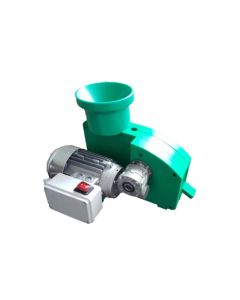
Olive crushing machine h1049_01 220V with 0.18 kW motor. Hourly production of 75-80 kg/h, adjustable caliber and weight of 12 kg.
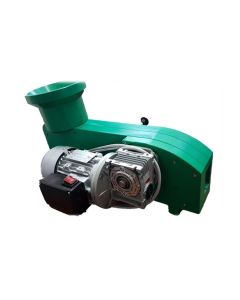
Automatic olive crusher h1049_02, 220V with a production of 180-200 kg/h. Adjustable gauge, 0.37 kW motor and 50 mm belts. Weight: 18 kg.
The olive crushing machines represent a fundamental technological pillar for oil mills, farms, and agri-food laboratories that need to optimize the preliminary phase of processing or transforming olives into preserves and gastronomic preparations. This type of professional equipment ensures uniform crushing or incision of the pulp, preserving the integrity of the stone where required and avoiding the onset of early oxidative processes that would irremediably compromise the organoleptic quality of the final product.
The adoption of a professional-level olive crusher allows for managing intensive workflows with millimeter precision, minimizing machine downtime and ensuring rigorous hygiene standards in line with current regulations. Choosing the correct machinery directly affects the final yield and the preservation of the chemical-physical properties of the olive, making these devices indispensable for anyone wishing to position themselves on the market with an excellent and competitive finished product.
The integration of an olive crushing machine within a professional production cycle responds to the need to standardize a process that, if performed manually or with inadequate tools, would be extremely costly in terms of time and lack uniformity. From a purely biochemical point of view, the calibrated pressure exerted by these machines allows for the release of cellular juices and necessary enzymes without overheating the mass or coarsely crushing the stone, a crucial aspect to avoid the release of woody and tannic substances that would alter the final flavor of the oil or preserves.
The industrial and professional use of an olive crusher machine also guarantees a significantly higher quantitative yield, optimizing extraction and reducing processing waste. Agri-food companies that choose to invest in these technologies benefit from a drastic reduction in operating costs and extremely more efficient labor management, being able to count on continuous processing cycles that maintain the freshness of the newly harvested raw material intact, minimizing the risk of bacterial proliferation or unwanted fermentation during stops.
The landscape of professional equipment offers several variants of olive crushing machines, differentiated mainly by operating principle, load capacity, and specific intended use. Opposed rollers crushers in stainless steel represent the standard for preparing table olives, as they allow for adjusting the distance between the rollers to crack the pulp without affecting the internal stone, thus facilitating subsequent debittering processes in brine.
For more complex industrial contexts or for oil production, integrated hammer or disc systems are preferred, capable of treating tons of product per hour with exceptional operational consistency. Each type has well-defined structural characteristics, with frames made strictly of AISI 304 or AISI 316 stainless steel to resist the corrosive action of organic acids naturally present in olives and to withstand high-pressure washing cycles with industrial sanitizing detergents.
The selection of the best olive crusher must be guided by a careful analysis of the expected production volumes and the type of finished product to be placed on the market. One of the most important technical parameters to consider is the adjustment of the roller gap or crushing systems, a feature that determines the versatility of the machinery with respect to different olive cultivars, which vary significantly in size, pulp consistency, and stone hardness.
A common mistake in the purchasing phase is underestimating the power of the installed electric motor and the ease of disassembly of internal components for routine maintenance operations. Choosing an olive crusher machine equipped with advanced safety systems and easily removable guards not only prevents accidents at work, but also drastically reduces the time dedicated to daily cleaning, a critical factor for avoiding cross-contamination between different production batches and ensuring maximum hygiene of the process.
The olive crushing machines intended for professional use must necessarily meet strict construction and safety requirements established at European and international levels. Compliance with the Machinery Directive 2006/42/EC represents the fundamental prerequisite for the marketing of these devices, ensuring that every moving component is adequately shielded to prevent any physical risk to the operator during the delicate phases of loading and unloading the product.
From a hygienic-sanitary perspective, materials that come into direct contact with olives must comply with EC regulation 1935/2004 relating to materials and articles intended to come into contact with food (MOCA). The choice of suitable metal alloys such as stainless steel and certified food-grade plastics prevents the release of heavy metals or toxic substances, ensuring that the crushing process takes place in a biologically safe environment, preserving the purity and genuineness of the final food product.
Explore all the products in the category and compare the available solutions to find the one best suited to your operational context.
The machinery uses adjustable rotating stainless steel rollers that exert controlled pressure on the fruit. This action allows for cracking or crushing the olive pulp uniformly, facilitating subsequent treatments without damaging the internal stone and reducing overall processing times.
The crusher is primarily designed to crack the pulp while keeping the stone intact, ideal for table olives in brine. The industrial mill, on the other hand, completely crushes the olive, including the stone, creating a homogeneous paste intended exclusively for olive oil extraction within the milling cycle.
Professional models are made entirely of AISI 304 or AISI 316 stainless steel for all parts in contact with food. This material prevents acid corrosion caused by olive vegetation and ensures full compliance with European MOCA hygiene and health regulations.
Yes, professional machines are equipped with a micrometric adjustment system for the distance between the pressing rollers. This mechanism allows for quick adaptation of the machinery to different olive cultivars, moving from small fruits to very large varieties without risking breaking the stone.
Maintenance involves thorough washing of the rollers and the crushing chamber at the end of each session to remove organic residues. It is essential to periodically check the wear of the bearings, the integrity of the food-grade seals, and to lubricate the transmission parts according to the technical manual.
Authorized distribution channels and specialized manufacturers offer after-sales technical assistance services and dedicated spare parts warehouses. To ensure the longevity of the investment, it is advisable to purchase equipment with CE markings that ensure the availability of original components in the long term.
 English
  Italian
 French
 German
 Spanish