
mon-fri 9-13 / 14.30-18.30
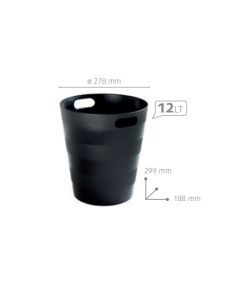
12-Liter room waste bin. Made of recycled polypropylene. Black color.
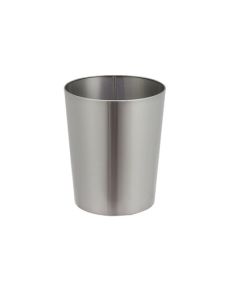
Room waste paper bin in stainless steel. Dimensions: h 245 mm x Ø 207 mm. Material: stainless steel.
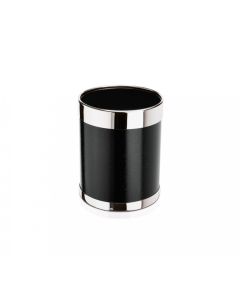
Hotel room waste bin with plastic base ring. Diameter: 22 cm. Height: 28 cm. Available in different finishes.
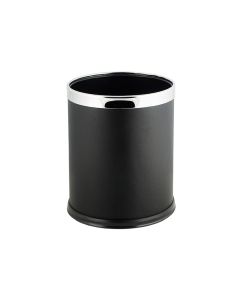
Waste bin without lid for hotel rooms. Capacity: 9 lt. Faux leather coating.
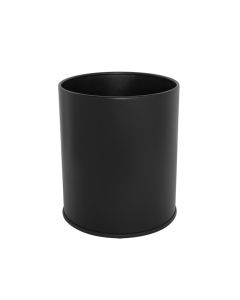
Single-layer 9-litre bin with non-slip rubber base. Dimensions: Ø 22.3 x H 26 cm.
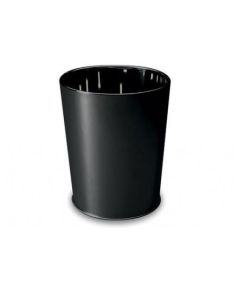
Pack of 5 pieces
€175.02 VAT incl.Hotel wastepaper bin made of black painted steel. Capacity: 11 liters. Dimensions: Ø 250 x h.305 mm. Pack of 5 pieces.
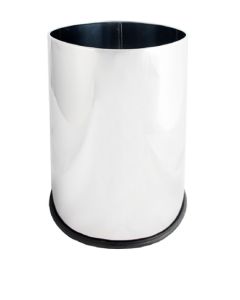
Waste bin for hotel rooms. Material: stainless steel. Dimensions: Ø20.8 x h.29.5 cm.
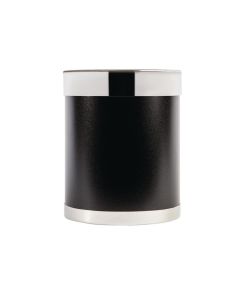
Faux leather wastepaper bin for hotel rooms with a capacity of 10.2 l. Dimensions: H.28 x Ø 22.4 cm.
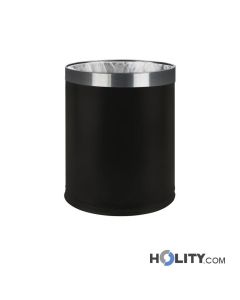
Pack of 6 pieces
€230.83 VAT incl.Fireproof waste bin for hotel room. Capacity 9 liters. Dimensions: H 265 x Ø 230 mm.
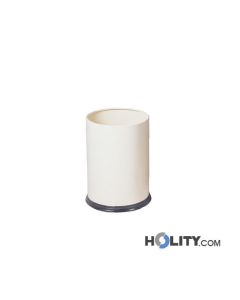
Room wastebasket with plastic base. Capacity: 12 lt. Dimensions: W22.5*H30.5 cm.
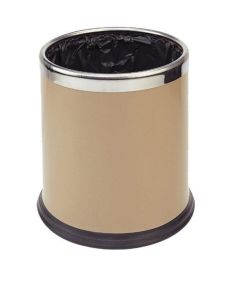
Wastepaper basket for hotel room. Dimensions: Ø22 x h. 27 cm.
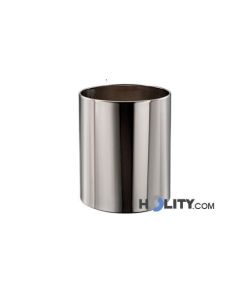
Room waste bin with a simple and elegant design. Available in various finishes. Capacity 11 lt.
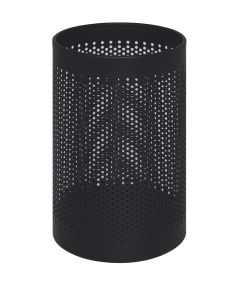
Wastepaper bin for hotel room. Dimensions: Ø20 x h. 33 cm.
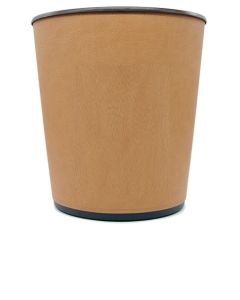
10-liter eco-leather wastepaper bin with Class V0 self-extinguishing interior. Customizable with logo, ideal for hotels and accommodation facilities.
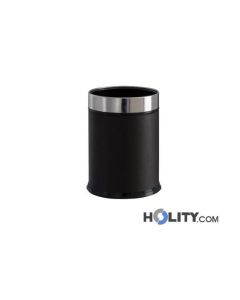
Cylindrical bedroom bin with stainless steel bag holder ring and ABS base. Capacity 13 l. Dimensions: W23*H31.
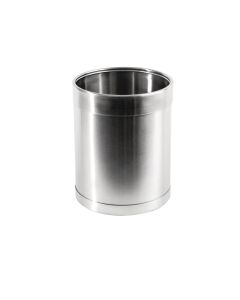
Hotel room waste bin in stainless steel. Capacity: 10.2 lt. Dimensions: H.28 x Ø 22.4 cm.
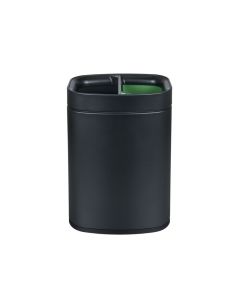
6 + 6 litre bin with removable inserts and collar, for waste sorting. Dimensions: W 27.2 x D 19.2 x H 36.5 cm.
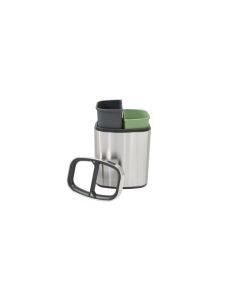
Pack of 6 pieces
€285.77 VAT incl.Waste bin for hotel room with a total capacity of 12 liters. Dimensions: W. 27.2 x D. 19.2 x H. 36.5 cm.
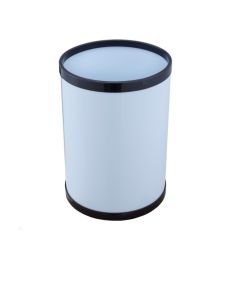
Round painted bin with black rings. Diameter 210 mm
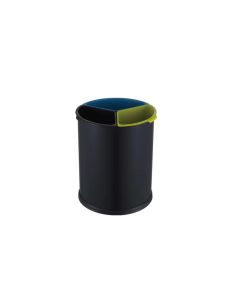
9-liter bin for waste separation with 3 compartments in painted steel and non-slip base. Dimensions: Ø 257 x H 312 mm.
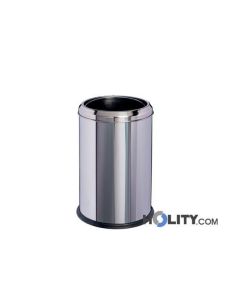
Waste bin for hotel rooms with plastic base. Inner plastic bucket with handle. Body and upper bag holder ring in bright stainless steel. Capacity 8 lt.
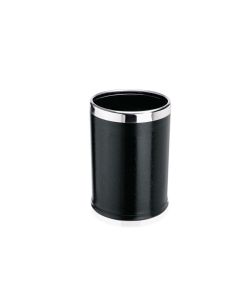
Hotel room waste bin with removable insert. With stainless steel ring. Dimensions: Ø 22 cm x H 31.5 cm.
Pack of 6 pieces
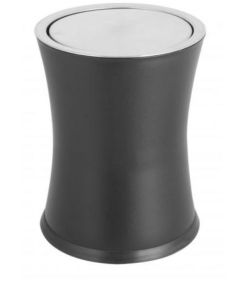
€329.04 VAT incl.Room waste bin with swivel lid. Capacity: 8 lt. Dimensions: Ø20 x h.26 cm.
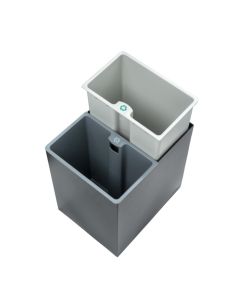
Rectangular recycling bin with 2 internal polypropylene containers. Epoxy steel structure. Dimensions: W 27 x D 21 x H 29 cm.
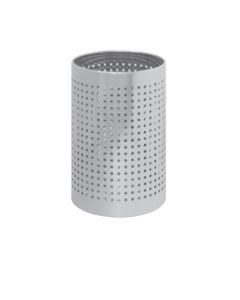
Waste bin for hotel room. Waste bin with square hole. Dimensions: Ø20 x h. 33 cm.
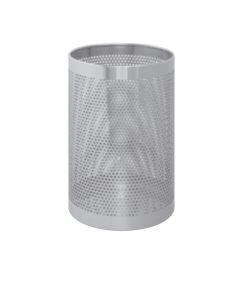
Waste bin for hotel room. Dimensions: Ø20 x h. 33 cm. With round hole.
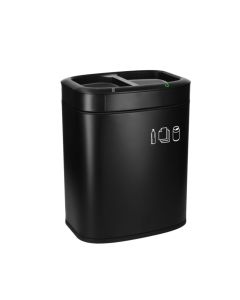
Recycling bin in galvanized steel with 2 separate flows, double wall and lid to hide the bags. Dimensions: W 27.5 x D 20 x H 34 cm.
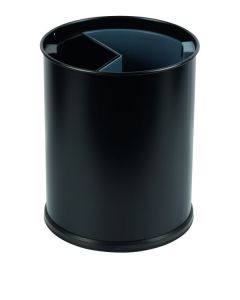
Waste bin for hotel rooms in galvanized steel and polypropylene. Dimensions: Ø24.5 x h. 30 cm.
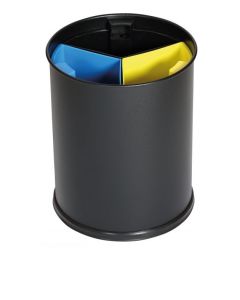
Waste bin for hotel room. Dimensions: Ø24.5 x h. 30 cm.
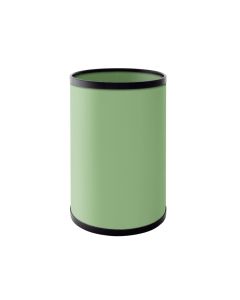
Hotel room waste bin 11 lt with black decorative finishes. Dimensions: Ø 21.5 x h 32 cm. Elegant and robust sage green finish.
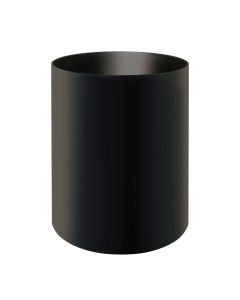
Black ABS bin, 14 lt capacity. Dimensions: Ø 24.5 x h 29.5 cm. Lightweight, resistant and ideal for hotel rooms.
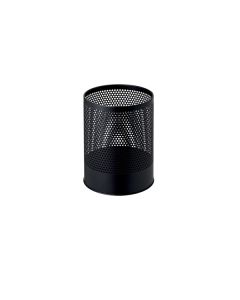
Steel waste paper bin for hotel rooms. Capacity 14 Liters. Dimensions: h.300 x diameter 240 mm.
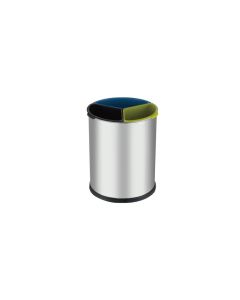
9-liter waste bin for recycling in stainless steel with 3 compartments and non-slip base. Dimensions: Ø 257 x H 312 mm.
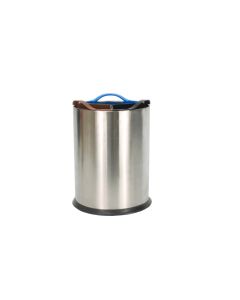
Hotel room waste bin with 3 compartments. Capacity: 10 lt. Material: stainless steel.
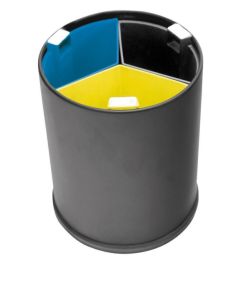
Pack of 4 pieces
€252.82 VAT incl.Waste bin for guest rooms in accommodation facilities. Equipped with 3 internal colored compartments. Total capacity: 13 lt.
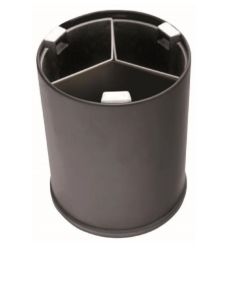
Pack of 4 pieces
€252.82 VAT incl.Waste bin for hotel rooms. With 3 internal compartments. Total capacity: 13 lt.
Pack of 6 pieces
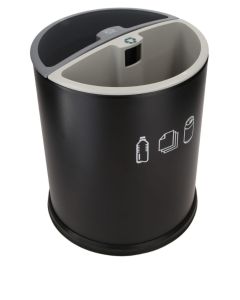
€379.22 VAT incl.Room waste paper bin with 2 internal compartments. Capacity: 10 lt. Dimensions: Ø22.5 x h.27 cm.
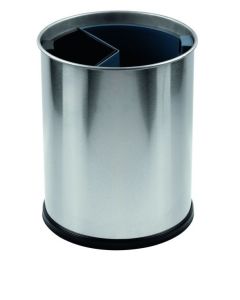
Waste bin for hotels in stainless steel. Dimensions: Ø 24.5 x h. 30 cm.
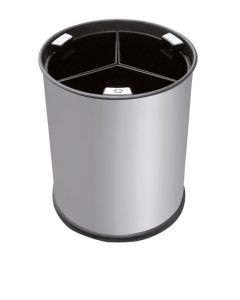
Waste bin for hotel room in stainless steel. Dimensions: Ø24.5 x h. 30 cm.
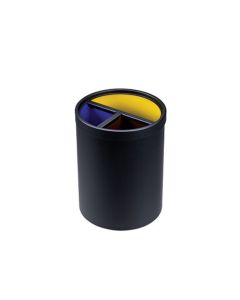
Recycling bin for hotel room. Dimensions: 244x244xh.315 mm.
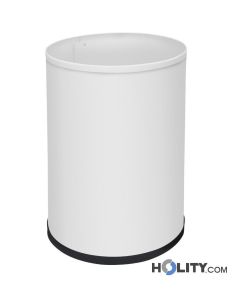
Waste paper bin ideal for hotel rooms and 12 lt capacity. Made of painted steel and available in various colors. Dimensions: 300 mm height, Ø 210 mm.
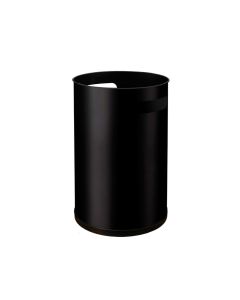
18-litre metal waste bin with two handles and black decorative base. Dimensions: Ø 25 x H 37 cm.
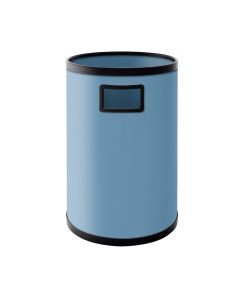
Metal bin with handle, 16 lt capacity. Dimensions: Ø 25 x h 38 cm. Color: pastel blue.
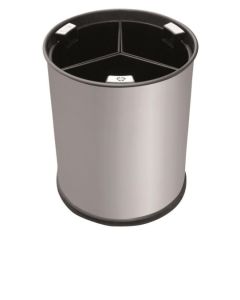
Pack of 4 pieces
€303.74 VAT incl.Room waste bin equipped with 3 internal compartments. Total capacity: 13 lt. Dimensions: Ø24.5 x h.30 cm.
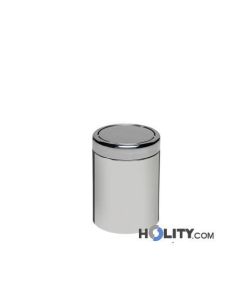
Hotel room wastepaper bin in bright AISI 304 stainless steel. Swing lid. Removable bag ring. Capacity: 7 lt.

14-liter perforated bin with black decorative base. Dimensions: Ø 25 x h 32 cm. Available in different colors.
Pack of 8 pieces
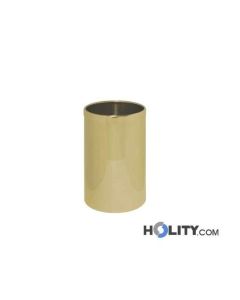
€674.40 VAT incl.Waste bin for hotel rooms in brass-plated stainless steel. Dimensions: Ø 20 x h.33 cm. Capacity: 10 l.
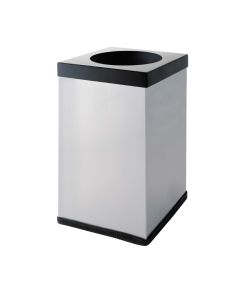
18 L metal bin with removable top rim for securing bags. Dimensions: 22 Ø x h 38 cm. Color: RAL 9006 and black decorative base.
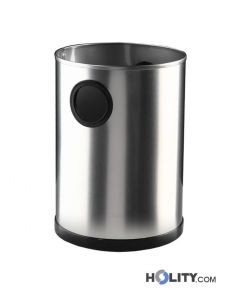
Waste paper bin for hotel rooms made of stainless steel and PVC ring. Capacity 10 liters. Dimensions: 300 mm height and Ø 210 mm.
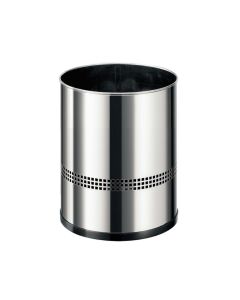
Perforated stainless steel hotel bin. Capacity: 14 L. Dimensions: approx. Ø 25 x h 38 cm. Black decorative finish at the base.

Metal recycling waste bin with 2 removable buckets. Capacity: 110 liters. Dimensions: Ø 46 x H 66.5 cm.

<p>Metal waste bin for hotel rooms, with 3 removable buckets. Capacity: 110 liters. Dimensions: Ø 46 x H 66.5 cm.</p>

Metal room waste bin with 4 removable compartments, black structure. Total capacity: 110 liters. Dimensions: Ø 46 x H 66.5 cm.
The management of small waste within accommodation facilities and executive offices requires solutions that combine operational functionality and aesthetic consistency with the surrounding decor. Room waste paper bins are not simple containers, but technical furnishing accessories designed to guarantee hygiene, discretion, and ease of maintenance in high-traffic contexts.
The choice of a professional bin is directly reflected in the guest’s perception of care and cleanliness during their stay, becoming a distinctive element of the service offered. A quality product must meet requirements of mechanical resistance, stability and, in many cases, compliance with current fire safety regulations for public places.
Integrating these elements into the interior design project means considering volumes, materials, and emptying systems that optimize the work of the housekeeping staff, reducing intervention times and ensuring high hygienic standards in every professional use circumstance.
The adoption of specific waste paper bins for hotel rooms or representative offices responds to the need to manage dry and paper waste in an orderly manner, preventing small scraps from compromising the decor of the environment. Unlike domestic containers, professional models are made with treated materials to resist daily wear and frequent cleaning cycles with disinfectant detergents, maintaining the brightness of the surfaces or the texture of the coverings over time.
The presence of a bin coordinated with the style of the room communicates an attention to detail that the guest implicitly appreciates, perceiving the environment as a place designed for their total comfort. Furthermore, the use of professional solutions allows for the implementation of separate waste collection systems even within individual housing units, thanks to multi-compartment models that educate the user on responsible waste management without sacrificing useful space or the aesthetics of the room.
The structural robustness, often characterized by non-slip bases or floor-saving edges, protects delicate surfaces such as parquet or carpet from scratches and black marks, reducing the long-term maintenance costs of the facility itself. Choosing a high-end bin means investing in an object that visually disappears into the furniture but performs an essential function for the healthiness and order of shared private spaces.
The hospitality equipment market offers a wide range of variants that differ in materials and structural configuration, adapting to every specific layout need. Stainless steel models, polished or satin, represent the choice for modern and minimalist environments, offering impeccable corrosion resistance and unparalleled ease of sanitization.
In parallel, bins covered in eco-leather or regenerated leather are highly appreciated in luxury facilities or boutique hotels, where the tactile and chromatic component plays a fundamental role in hospitality; these models often feature visible stitching and handcrafted finishes that elevate them to true design objects.
Another fundamental distinction concerns the shape of the container: ranging from classic single-body bins to double-wall models, designed to hide the plastic bag from the guest’s view, ensuring an always impeccable appearance of the room.
There are also specific versions for separate waste collection, equipped with internal dividers or colored rings that identify the type of waste to be disposed of, facilitating the task for the end user. For contexts where safety is a priority, fireproof models or those with self-extinguishing lids are available, capable of smothering a possible fire start caused by an erroneously disposed of cigarette butt, guaranteeing indispensable passive protection in buildings with many beds.
The selection of the ideal bin must start from an accurate analysis of the operational context and the average user profile, avoiding the common mistake of relying exclusively on the external appearance. A critical factor is the volumetric capacity, which usually ranges between 10 and 20 liters for standard rooms; a volume that is too small would force the staff to empty it too frequently, while an excessive one would be bulky and unpleasant to look at.
It is essential to evaluate the bag attachment system: solutions with an internal bag-retaining ring or double shell are preferable because they prevent the bag from slipping to the bottom and, above all, prevent the plastic edge from protruding outside, ruining the visual impact of the furnishing accessory.
Attention must also be paid to the base of the product: models equipped with rubber gaskets or soft plastic bottoms are ideal for preventing metallic noise during movement and for protecting marble or wood floors from any oxidation or scratches.
A frequent doubt concerns the presence of the lid; although the open model is more practical for the guest, the version with a lid or pedal guarantees greater visual discretion of the waste and the containment of any unpleasant odors, making it particularly suitable for desk areas or suite bar corners.
Finally, compatibility with the facility’s cleaning protocols is decisive: porous surfaces or untreated materials can be indelibly stained by the use of aggressive detergents, making early replacement of the object necessary, with a consequent increase in operating costs.
In accommodation facilities subject to fire prevention controls, waste paper bins must meet specific fire reaction standards, as required by national and European safety regulations for places open to the public. The use of containers made of non-combustible materials, such as metal or certified class 1 fireproof plastics, is often a mandatory requirement for obtaining the fire prevention certificate, especially in corridors or rooms without advanced smoke detection systems.
In addition to fire safety aspects, it is necessary to consider the guidelines on ergonomics and hygiene in the workplace (Legislative Decree 81/08), which suggest the use of equipment that is easily washable and can be moved without excessive effort by the cleaning staff.
Compliance with minimum environmental criteria (CAM) is becoming increasingly relevant, pushing towards the purchase of products made with recycled materials or easily disassembled at the end of their life for correct disposal.
Verifying that the supplier provides detailed technical data sheets on the composition of the materials and resistance certifications is an essential step to ensure that the investment is in line with the legal and ethical responsibilities of the facility.
A compliant bin not only protects the environment but also protects the property from any disputes during health or fire inspections, ensuring operational continuity within a framework of full legality and safety for guests and collaborators.
Explore all the products in the category and compare the available solutions to find the most suitable one for your operational context.
For a standard hotel room, a bin with a capacity between 10 and 13 liters is usually recommended. This volume allows for the comfortable collection of daily paper waste without taking up excessive space and ensuring that the contents are emptied daily during ordinary cleaning service.
In many jurisdictions, accommodation facilities must use bins made of fireproof materials or certified metal to prevent the spread of flames. It is essential to check the fire reaction class of the product, opting for steel or aluminum models that inherently guarantee superior protection in case of lit cigarette butts.
The ideal solution is to choose double-walled bins or those equipped with an internal bag-retaining ring. These systems allow the bag to be tucked between the two shells or under the metal ring, preventing the plastic edges from being visible on the outside of the container and keeping the aesthetics of the furnishing accessory intact.
Stainless steel and epoxy powder-coated metal are the most suitable materials for durability and hygiene. For high-end contexts, quality eco-leather treated with anti-scratch finishes offers an excellent compromise between elegance and resistance, provided it is regularly cleaned with non-abrasive products to avoid deterioration of the coating.
Yes, there are multi-compartment models specifically designed for hotel rooms. These bins feature internal dividers or separate removable containers that allow the guest to divide paper from plastic or residual waste intuitively, facilitating the subsequent sorting work of the housekeeping staff.
To protect delicate surfaces such as parquet or carpet, it is essential to choose bins equipped with a non-slip rubber base or a protective edge made of soft plastic. This precaution avoids direct friction of the metal on the floor, preventing scratches, black marks, and the formation of rust due to the humidity of floor cleaning.
Pedal bins offer a superior level of hygiene and discretion, as they keep waste hidden from view and reduce the dispersal of any unpleasant odors. They are particularly recommended for bar areas or in suites, where the guest’s stay is prolonged and a visually clean and professional environment is desired.
 English
  Italian
 French
 German
 Spanish