
mon-fri 9-13 / 14.30-18.30
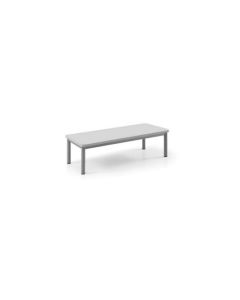
Pack of 5 pieces
€441.96 VAT incl.Bench with melamine top for kindergarten. Dimensions: W.100 x 35 x H.31 cm.
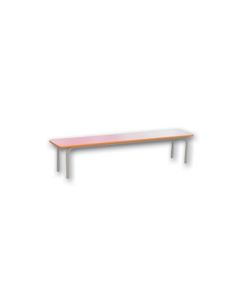
Kindergarten bench without backrest with wood conglomerate seat. Dimensions: 130 x 31 x H 36 cm.
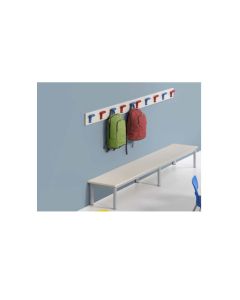
Pack of 5 pieces
€603.42 VAT incl.Backless bench for kindergartens with melamine top. Dimensions: W.200 x 35 x H.31 cm.
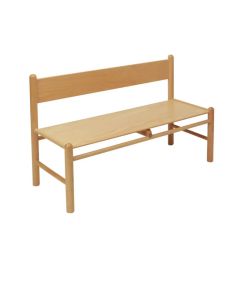
Wooden bench for children. Dimensions: W.86 x D.31.5 x h.60 cm. Light and easy to handle.
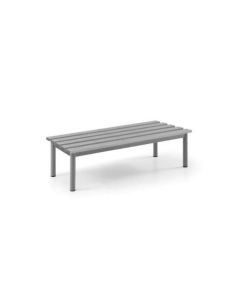
Pack of 5 pieces
€815.16 VAT incl.Nursery school bench with beech slat top. Without backrest. Dimensions: 100 x 35 x H.31 cm.
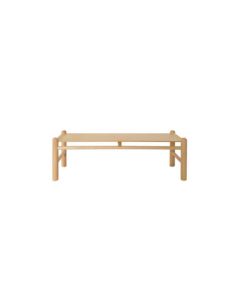
Solid beech wood bench for schools, without backrest and with beech plywood seat. Dimensions: W 90 x D 29 x H 31 cm.
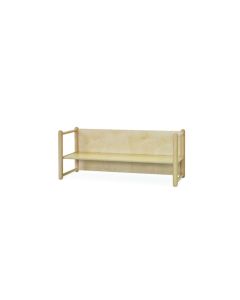
Solid beech wood bench with birch plywood seat and backrest. Dimensions: W 90 x D 27 x H 16/21/31 cm.
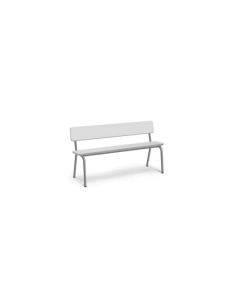
Pack of 5 pieces
€943.92 VAT incl.Bench with backrest in melamine for primary school. Dimensions: 100 x 35 x H.35 cm.
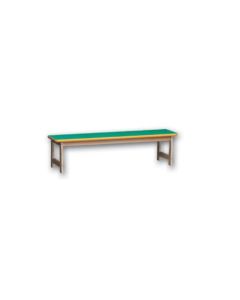
Kindergarten bench with solid beech wood structure 50 x 18. Dimensions: 130 x 31 x H 36 cm.
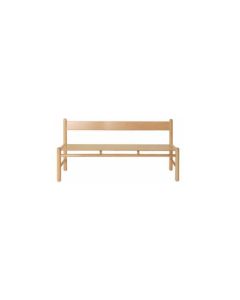
School bench in solid beech wood with plywood seat and backrest. Dimensions: W 125 x D 27.5 x H 31 cm.
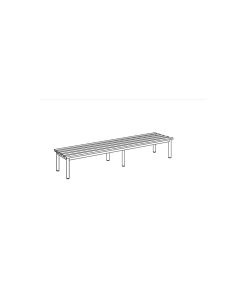
Pack of 5 pieces
€1,461.18 VAT incl.Kindergarten bench with beech slats. Without backrest. Dimensions: 200 x 35 x H.31 cm.
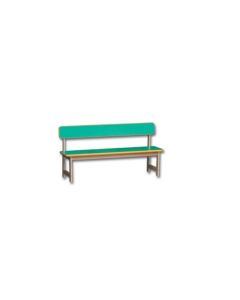
Bench for nursery school with rounded rubber edging. Dimensions: 130 x 31 x H 36 cm.
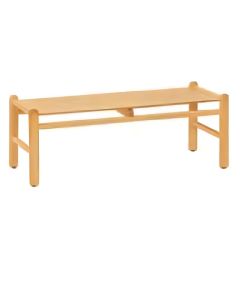
Backless bench h681_25 for nursery school, made of solid FSC beech wood, with rounded edges for safety. Dim.: W 90 x D 33 x h 29 cm.
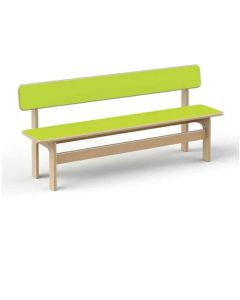
Children’s bench with backrest. Material: wood and plastic laminate. Dimensions: W.125 x D.32 x H.56 cm.
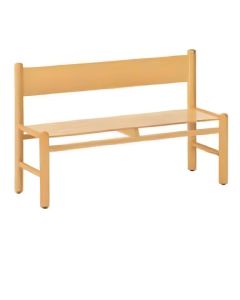
Bench with backrest h681_26 in solid FSC beech wood, with rounded edges and non-toxic finishes. Ideal for children aged 3 to 5 years. Dimensions: W 90 x D 33 x h 29 cm.
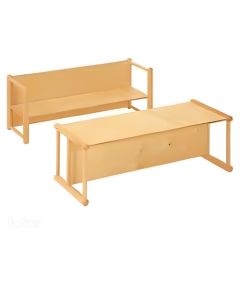
Multi-purpose bench h681_27 in solid FSC beech wood, usable as a table or seat with different seat heights, depending on the positioning of the bench on the floor. W 90 x D 31 x h 16/21/36 cm.
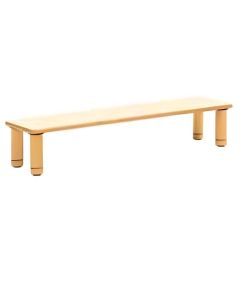
h681_23 bench without backrest in solid FSC beech wood, seat in birch plywood covered in fire-retardant HPL laminate. Dimensions: W 120 x D 30 x H 21 cm.
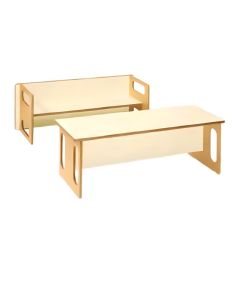
Multipurpose table-bench h681_24 in birch plywood, with non-toxic finishes and scratch-resistant HPL seat coating. Ideal for children aged 0-3. Dimensions: W 120 x D 45 x h 42 cm.
The organization of common spaces and areas dedicated to collective play requires seating that is not only functional but also serves as support for the social and motor development of children. Preschool benches represent a versatile furnishing solution, ideal for managing moments of welcome, group reading, or shared play activities. Unlike individual chairs, the bench encourages proximity and interaction among children, helping them perceive a sense of community and space sharing from the first years of nursery school. The design of these seats takes into account the proportions of preschool-aged children, ensuring comfortable seating that does not fatigue the lower limbs.
In a professional context, benches intended for nursery schools and playrooms must meet strict criteria for stability and passive safety. The choice of high-quality technical materials, such as plywood or high-resistance polymers, ensures that the furniture can withstand dynamic loads and stresses typical of childhood exuberance. A well-designed bench has no sharp edges and features smooth surfaces or those coated with non-toxic finishes, offering tactile comfort that invites use. Choosing professional products means equipping your facility with durable elements, capable of maintaining their aesthetic and functional characteristics despite frequent cleaning cycles and intensive daily use.
The integration of benches within a classroom or a multi-purpose hall offers immediate logistical and pedagogical advantages. These furnishings allow for accommodating multiple children simultaneously in a reduced linear space, optimizing the room’s square footage compared to the use of numerous individual chairs. The bench is the perfect tool for “circle time” or storytelling moments, situations where physical proximity among young students stimulates attention and emotional participation. The robustness of a professional bench also guarantees superior stability: the low center of gravity and the extended support base prevent accidental tipping, even when several children move or stand up simultaneously from the seat.
From a practical management standpoint, benches simplify the tidying and sanitization of the premises. Many models are designed to be easily moved or placed against walls, freeing up the center of the classroom for psychomotricity activities or movement games. The use of water-based paints and certified materials ensures that the school environment remains healthy and free of harmful emissions, a decisive factor for the health of minors who spend many hours in close contact with the furniture. Investing in technical benches means reducing long-term maintenance costs, as their construction is designed to resist impacts and abrasions without chipping or deteriorating prematurely.
The variety of children’s benches allows for personalizing every environment based on the specific activities planned. Benches with backrests are the most suitable for listening moments or for viewing educational content, as they offer lumbar support that promotes correct and relaxed posture for extended periods. These versions are often made of birch plywood, appreciated for its resistance and natural warmth. Conversely, benches without backrests (or low benches) are ideal for changing areas or as temporary support seating during creative workshops, offering the advantage of being able to be stored under tables when not in use, maximizing free space.
In addition to wooden models, there are solutions in plastic material or painted metal, particularly indicated for canteen areas or for environments where ease of washing is the absolute priority. Many models integrate additional functions, such as lower shoe compartments or upper coat hooks, transforming the seat into a complete changing module. Color variations are extensive: from natural wood tones to bright primary colors, which help define different thematic areas within the school. There are also padded versions in certified eco-leather for relaxation corners, which offer superior softness ideal for the welcoming moment or for the youngest children in the nursery.
Choosing the ideal bench must be based primarily on the average height of the users to ensure perfect ergonomics. A seat height between 21 and 31 centimeters usually covers needs from the nursery section to preschool; it is essential that the child can place their feet firmly on the ground to avoid joint tension. A discriminating technical criterion is the seat depth: if too deep, the child will not be able to rest their back against the backrest; if too narrow, stability will be compromised. Evaluating the weight of the furniture is equally important: a solid bench prevents dangerous involuntary movements, but it must be movable by staff for daily cleaning.
Another critical factor is the ease of sanitization. In school environments, porous surfaces or overly complex joints can become traps for dust and bacteria; it is preferable to opt for models with laminated surfaces or wood treated with polyurethane paints resistant to disinfectant detergents. Attention must also be paid to the quality of the hardware: screws and bolts must be recessed or covered by appropriate safety caps to avoid scratches or attempts to unscrew them. Finally, consider the environment of use: if the bench will be used in corridors or transit zones, models without backrests or with rounded shapes reduce visual clutter and the risk of accidental impacts during children’s fast transits.
Benches for preschools must comply with the European standard UNI EN 1729, which regulates functional dimensions and safety requirements for school seating. This standard ensures that the furniture promotes a healthy posture and that the structure is tested to withstand fatigue, impact, and lateral stability tests. It is essential that the wood used is certified for low formaldehyde emission (Class E1) and that all finishes are non-toxic, complying with the EN 71-3 standard for toy safety, ensuring that skin contact or eventual accidental oral contact does not pose chemical risks for young users.
In addition to mechanical requirements, fire safety is a priority factor in public buildings: materials must have a low flame spread rate and, in the case of padding, must be certified as fire-retardant. Facility managers should always request the product technical sheet, which certifies compliance with safety standards and provides instructions for correct periodic maintenance. Verifying the integrity of the edges and the stability of the fixings over time is a management obligation that guarantees a protected and legally compliant school environment, reducing civil liabilities and ensuring children a safe and welcoming place to grow.
Explore all the products in the category and compare the available solutions to find the one most suitable for your operational context.
For preschool children, a seat height between 26 and 31 centimeters is usually recommended. This measurement allows children to place both feet on the ground, ensuring correct back posture and facilitating the action of sitting and standing independently without joint strain.
The choice depends on the planned activity. Benches with backrests are preferable for listening and reading moments, as they offer better postural support. Benches without backrests are instead ideal for changing areas or as emergency seating, as they can be easily stored under tables, reducing clutter in the classroom.
Yes, professional preschool benches are treated with water-based paints or high-resistance plastic laminates designed to withstand frequent cleaning cycles. These materials resist common sanitizing detergents well, preventing surface wear and ensuring that the furniture remains safe and bacteriologically clean for a long time.
On a bench with a length of 120 centimeters, 3 to 4 preschool children can sit comfortably. It is important not to overload the seat beyond the limits indicated by the manufacturer to maintain the stability of the furniture and guarantee each small student adequate living space to move without disturbing their peers.
Safe benches must have widely rounded edges and corners to minimize impact damage. In addition, they must have an anti-tip design with wide support bases. The hardware must be recessed into the wood or protected by non-toxic caps to prevent children from scratching themselves or accidentally swallowing small metal components.
There are specific models made of galvanized metal or UV-treated plastic that can be used outdoors. However, indoor wooden benches should not be exposed to the elements. If you are looking for a versatile product, it is always best to check the technical sheet to ensure that the material is resistant to humidity and temperature fluctuations.
 English
  Italian
 French
 German
 Spanish