
mon-fri 9-13 / 14.30-18.30
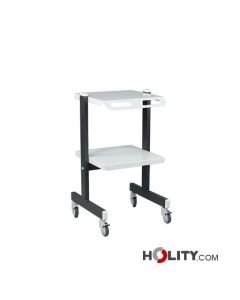
Hospital trolley for electromedical equipment with 2 shelves measuring 45 x 43 cm. Dimensions: W. 45 x D. 43 x H. 86 cm.
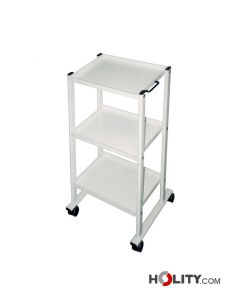
Compact trolley for ECG and electrosurgical units. Made in Italy structure with 3 shelves and side handles, 39 kg load capacity and swivel wheels.
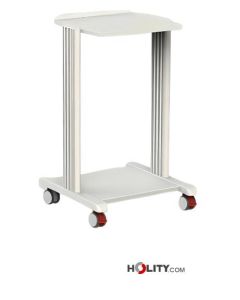
Electromedical equipment trolley with 2 shelves. Dimensions: W. 482 x D. 500 x h. 778 mm.

Trolley for electromedical equipment with 2 shelves max. capacity of individual shelves 30 kg.
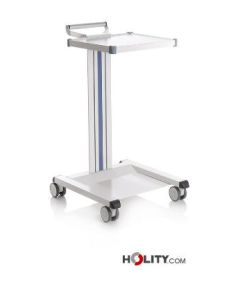
Hospital trolley for electromedical equipment. With 1 shelf and push handle. Dimensions: W48 x D50 x H82 cm.
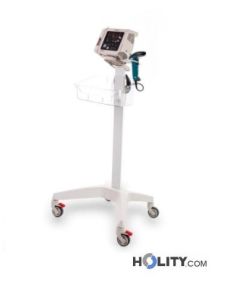
Fixed-height cart for electromedical equipment. Dimensions: W.55 x D.56 x h.96 cm.
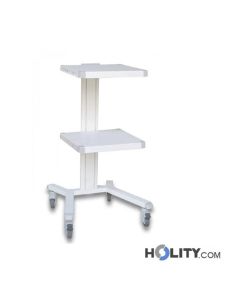
Trolley for the transport of medical equipment with 2 height-adjustable shelves. Aluminum structure.
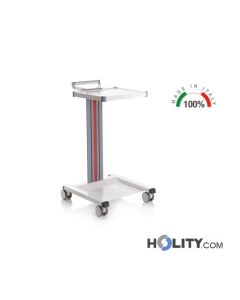
Medical instrument trolley, with one column and one handle. Dimensions: W.480xD.500xH.820 mm.
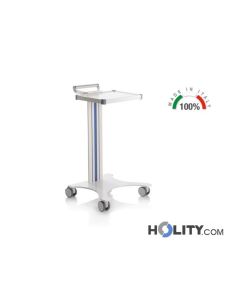
Trolley for electromedical devices with 1 column and 1 handle. Dimensions: W.500xD.500xH.800 mm
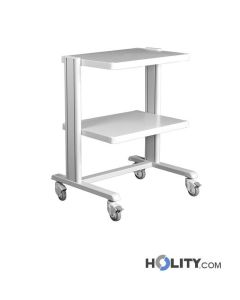
Trolley for transporting electromedical equipment and instruments with 2 shelves
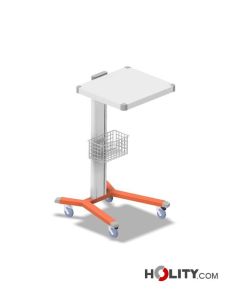
Trolley for electromedical devices with Ø 80 mm wheels and 400 x 360 mm shelf. Structure dimensions: W 500 x D 450 x H 820 mm.
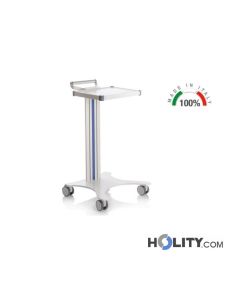
Multi-functional trolley for medical equipment. Dimensions: W.500xD.500xH.800 mm.
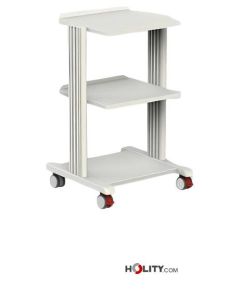
Trolley for medical devices, with 3 shelves. Dimensions: W. 482 x D. 500 x h. 778 mm.
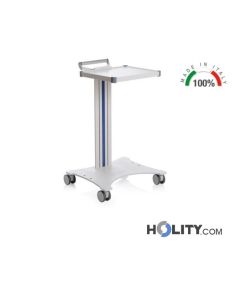
Multifunctional trolley for instruments with one column and 1 handle. Dimensions: W. 630xD.500xH.800 mm
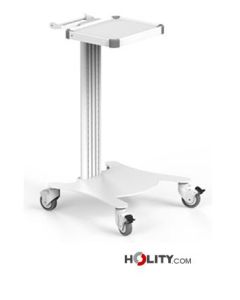
Trolley for electromedical devices with 1 shelf. Shelf dimensions: 26 x 32 cm.
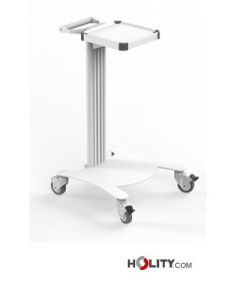
Trolley for electromedical devices with 1 shelf. Dimensions: 26 x 26 cm.
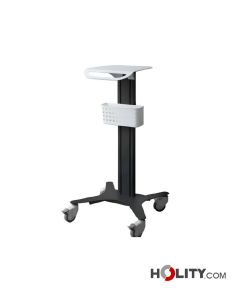
Trolley with 30 x 30 cm shelf, laser-cut base and PVC basket. Dimensions: W 50 x D 45 x H 100 cm. Weight: 16 kg.

Trolley for electromedical devices with 2 shelves. Width 60 cm.
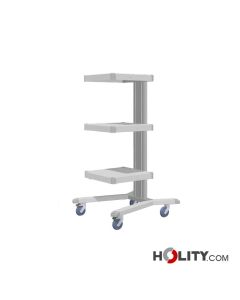
Medical trolley with 3 shelves 40 x 36 cm, aluminum column and wheels Ø 80 mm. Height: 95 cm. Base width: 58 cm.

Hospital trolley for electromedical equipment. Material: stainless steel. Dimensions: W49 x D49 x H83 cm.
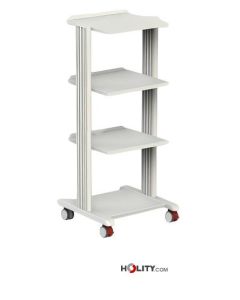
Trolley for electromedical devices with 4 shelves. Dimensions: W. 482 x D. 500 x H. 878 mm.

Multipurpose medical trolley. Dimensions: W.630xD.500xH.1000 mm.
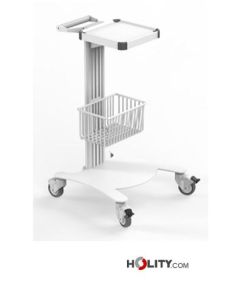
Electromedical trolley with 1 shelf. Dimensions: 26 x 26 cm.
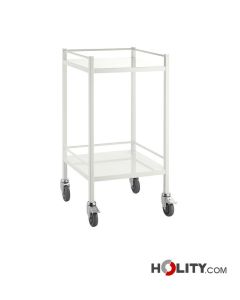
Hospital trolley for transporting medical equipment. Material: stainless steel. Dimensions: W60 x D49 x H83 cm
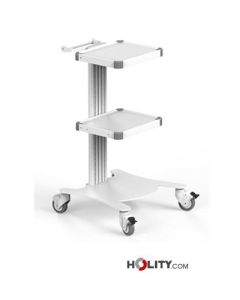
Trolley for electromedical devices with 2 shelves. Shelf dimensions: 26 x 32 cm.
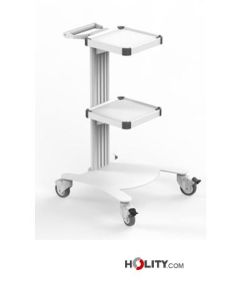
Trolley for electromedical equipment with 2 shelves. Dimensions: 26 x 26 cm
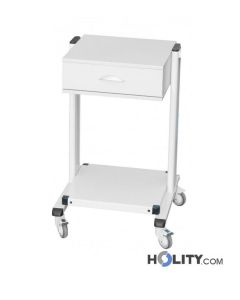
Trolley for transporting electrocardiograph, with 1 shelf and with drawer. Steel structure.
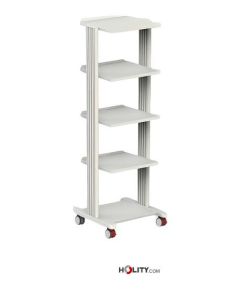
Electromedical trolley with 5 shelves. Dimensions: W. 482 x D. 500 x h. 1130 mm.
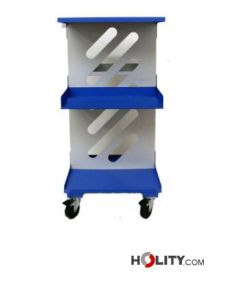
Hospital trolley for electromedical equipment. Material: steel. Dimensions: W.40 x D.45 x h.90 cm.
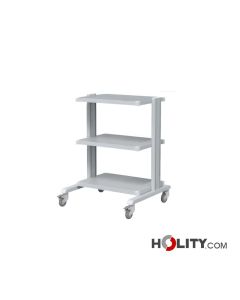
Medical trolley for medical equipment, with 3 shelves 60 x 43 cm, double aluminum column and Ø 80 mm wheels. Dimensions: W 68 x D 56 x H 110 cm.

Electromedical equipment trolley with 1 height-adjustable shelf measuring 550 x 350 mm. Overall dimensions: W. 68 x D. 83 x H. 104 cm.
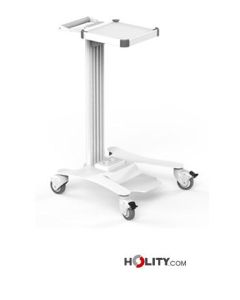
Trolley for electromedical equipment with one shelf. Shelf dimensions: 26 x 26 cm.
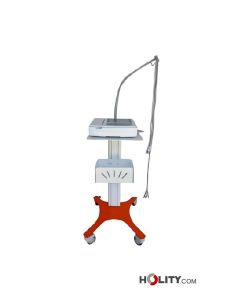
Medical cart for electromedical devices, with shelf 40 x 36 cm, sheet metal basket and cable support. Dimensions: W 53 x D 50 x H 100 cm. Weight: 16 kg
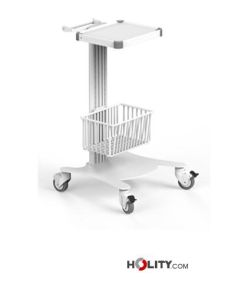
Electromedical trolley with 1 shelf. Shelf dimensions: 26 x 32 cm
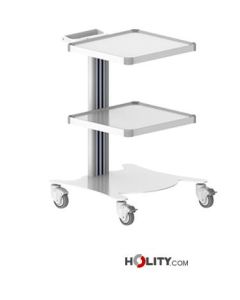
Trolley for electromedical devices with 2 shelves. Shelf dimensions: 36 x 40 cm.
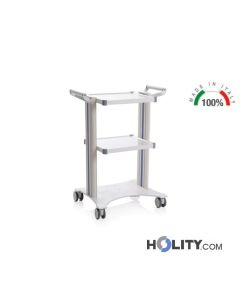
Multipurpose medical trolley with 2 handles. Dimensions: W.630xD.500xH.800
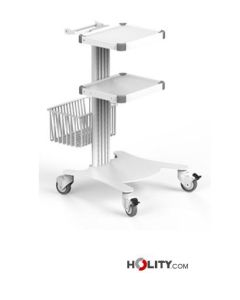
Trolley for electromedical equipment with 2 shelves. Shelf size: 26 x 32 cm

Medical equipment trolley with 2 shelves. Dimensions: 26 x 26 cm.
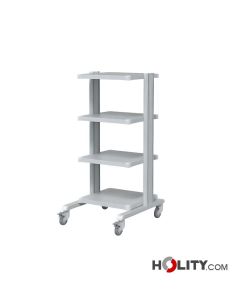
Medical trolley for electromedical devices, with 4 shelves 45 x 43 cm, double aluminum column and wheels Ø 80 mm. Dimensions: W 57 x D 50 x H 110 cm.
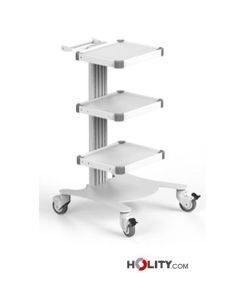
3-shelf medical equipment trolley. Shelf dimensions: 26 x 32 cm.
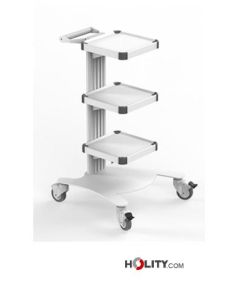
3-shelf medical equipment trolley. Shelf dimensions: 26 x 26 cm.
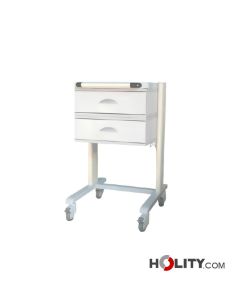
Medical device trolley with 2 wooden drawers 40 x 36 cm, double aluminum column and Ø 80 mm wheels. Dimensions: W 52 x D 57 x H 89 cm.
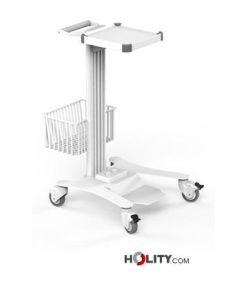
Trolley for transporting electromedical devices with 1 shelf. Shelf dimensions: 26 x 26 cm.

Trolley for electromedical devices in ABS and aluminum. Dimensions: W.47.5 x D.45 x H.77 cm.
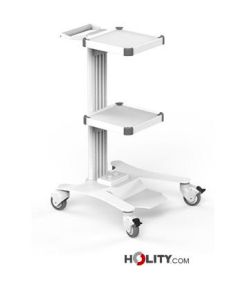
Electromedical equipment trolley with 2 shelves. Shelf dimensions: 26 x 26 cm
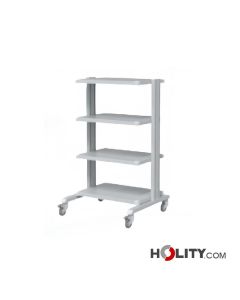
Electromedical trolley with 4 shelves 60 x 43 cm, double aluminium column and Ø 80 mm wheels. Dimensions: W 68 x D 56 x H 110 cm.
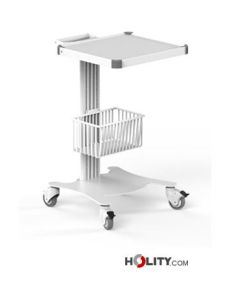
Medical equipment trolley with one shelf. Shelf dimensions: 36 x 40 cm
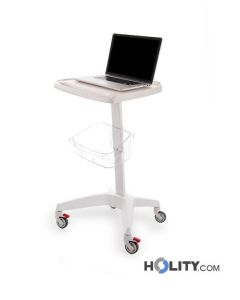
Electromedical equipment trolley at fixed height. Dimensions: W.55xD.56xH.96 cm.

Electromedical trolley, lightweight and stable for medical instruments, 70 x 41 cm shelf. Dimensions: W 79 x D 43 x H 81 cm.
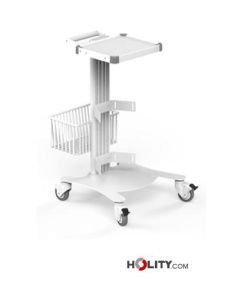
Trolley for electromedical devices with shelf. Shelf dimensions: 26 x 32 cm.
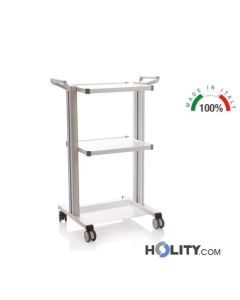
Trolley for electromedical equipment with two columns and 2 handles. Dimensions: W.730 x D.500 x H.1020 mm.

Trolley for electromedical equipment. With two shelves. Shelf dimensions: 26 x 26 cm.
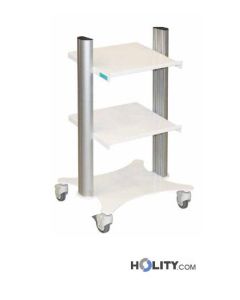
Three-shelf hospital trolley for transporting medicines, instruments, and electromedical devices. Dimensions: W60 x D50 x H80 cm
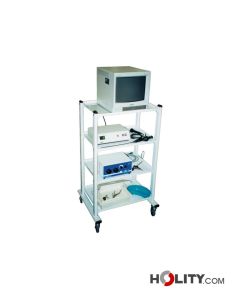
Made in Italy electromedical trolley with 4 shelves of 60x45 cm. Open structure without side rails for quick cleaning, 80 kg load capacity and wheels with brake.
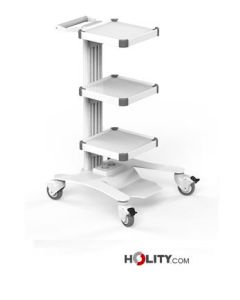
Trolley for electromedical devices with three shelves. Shelf dimensions: 26 x 26 cm.
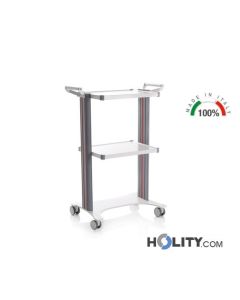
Electromedical trolley with two handles. Dimensions: W.730xD.500xH.1000 mm.

Electromedical trolley with 4 tilting and height-adjustable shelves. Dimensions: W53 x D45 x H93 cm
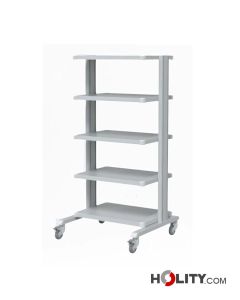
Medical trolley with 5 shelves 60 x 43 cm, double aluminum column and Ø 80 mm wheels. Dimensions: W 68 x D 56 x H 142 cm.
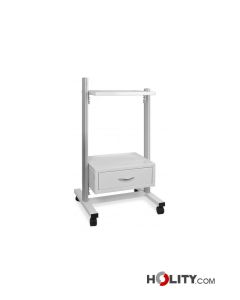
Steel and aluminum trolley with adjustable shelf and drawer. Dimensions: W 53 x D 41 x H 81 cm.
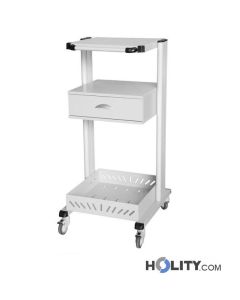
Trolley for electromedical equipment in epoxy powder-coated metal. Ø 80 mm wheels.
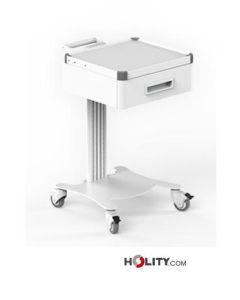
Trolley for electromedical devices with 1 shelf. Shelf dimensions: 36 x 40 cm

Medical equipment trolley, in steel with high and low side profile and trays. Dimensions: W 53 x D 41 x H 96 cm.
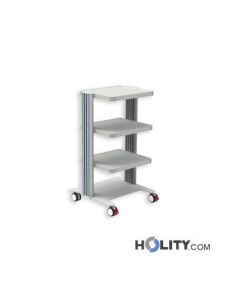
Medical equipment cart with vertical aluminum extrusions and ABS plastic parts.
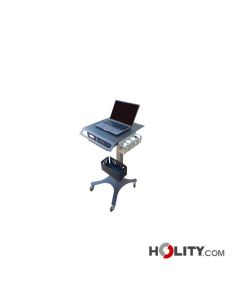
Medical equipment trolley made of solid painted steel. Dimensions: approx. W. 44 x D. 44 x H. from 76 to 116 cm.

Medical trolley with height-adjustable tray and drawer. Dimensions: W 53 x D 41 x H 91 cm.
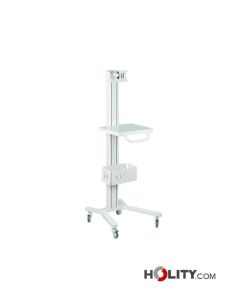
Medical equipment trolley with 4 twin wheels Ø 80 mm. Overall dimensions: approx. W. 63 x D. 50 x H. 140 cm.
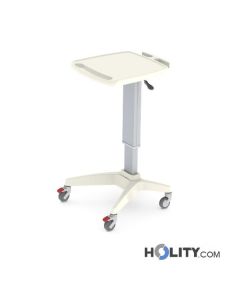
Trolley for electromedical equipment with adjustable height. Dimensions: W.55xD.56xH. min.75.4/max.93.1 cm.

Electromedical trolley, compact with 70 x 41 cm shelf, integrated drawer and low and high side profile. Dimensions: W 79 x D 43 x H 81 cm.
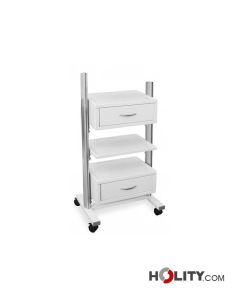
Electromedical cart, in steel with high and low side profiles, adjustable tray and drawers. Dimensions: W 53 x D 41 x H 91 cm.
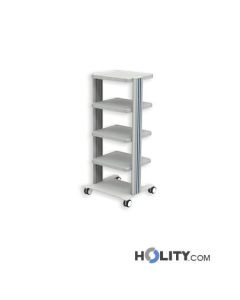
Electromedical trolley with 5 shelves with adjustable height. W. 50 x D. 45 x h. 112 cm

Medical equipment cart in steel/aluminum with drawers, adjustable shelves and high and low side profiles. Dimensions: W 53 x D 41 x H 121 cm.

Medical trolley in steel and aluminum, with adjustable trays. Dimensions: W 53 x D 41 x H 91 cm.
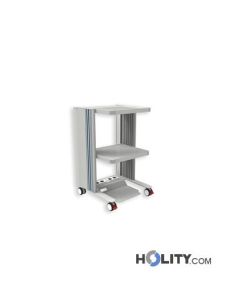
Trolley for electromedical equipment with power cable routing inside the side columns and 4 sockets on the base.

Hospital electromedical trolley in epoxy steel and aluminum with two shelves. Dimensions: W.90 x D.45 x H.87 cm.
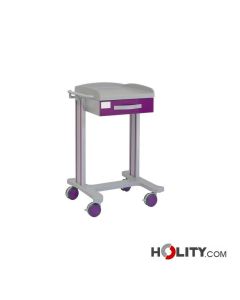
Multifunction hospital trolley with self-closing drawer. Dimensions: W.65 x D.56 x H.94. Available in various colors.

Trolley for electromedical equipment with 2 height-adjustable painted sheet steel shelves. Dimensions: approx. W. 47 - 58 x D. 60 x H. 120 cm.
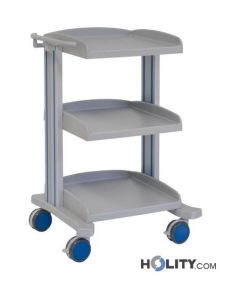
Hospital electromedical trolley with lateral push handle. Dimensions: H.94 x D.56 x W.65 cm.
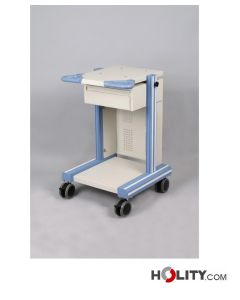
Electromedical trolley with steel tubular frame. Dimensions: 40x50x84 cm
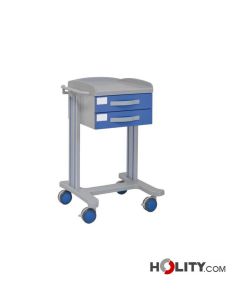
Multifunction trolley for hospitals with ABS top surface. Dimensions: W.65 x D.56 x H.94 cm. Available in different colors.
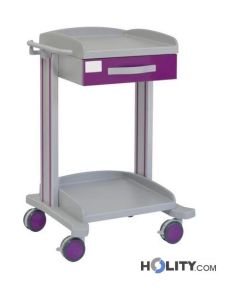
The instrument and electromedical equipment trolley available in different colors. Dimensions: H.94 x D.56 x W.65 cm.

Hospital trolley for electromedical devices. With 3 shelves and pushing handle. Dimensions: W45 x D61 x H81.1 cm.
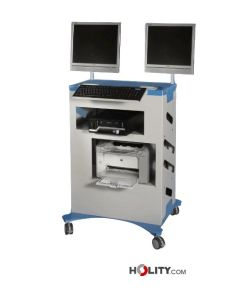
Medical device transport trolley. Dimensions: W.72 x D.62 x h.105 cm. Material: sheet steel.
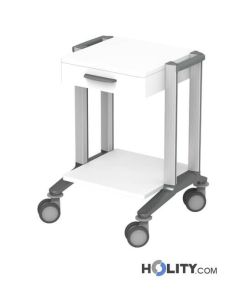
Medical device trolley with aluminum structure and wood/plastic shelves. Dimensions: W56.5 x D57.1 x H79.3 cm
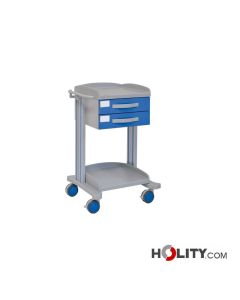
Multifunctional hospital trolley with lower shelf and 2 drawers. Dimensions: W.65 x D.56 x H.94 cm. Available in various finishes.

Instrument trolley in epoxy steel and aluminum with two shelves and a drawer. Dimensions: W.90 x D.45 x H.87 cm.
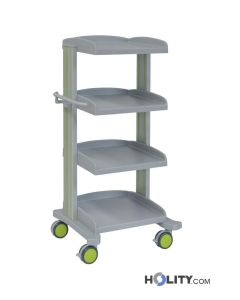
Medical equipment trolley with aluminum and steel structure. Dimensions: H.128 x D.56 x W.65 cm.
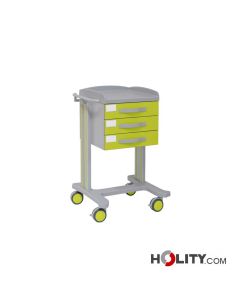
Multifunction hospital trolley with 3 self-closing drawers. Dimensions: W.65 x D.56 x H.94 cm. Available in different colours.

Medical equipment trolley in epoxy-painted steel and aluminum equipped with three shelves and one drawer. Dimensions: W.65 x D.56 x H.94 cm.

Instrument trolley in epoxy painted steel and aluminum with three shelves and one drawer. Dimensions: W.65 x D.56 x H.94 cm.

Medical equipment trolley with 3 adjustable shelves, double-jointed extensible arm and cable supports. Dimensions: approx. W 51 x D 45 x H 90 cm.
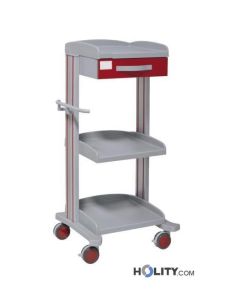
Hospital trolley for instruments and medical equipment. Available in various colors. Dimensions: W.65 x D.56 x h.128 cm.
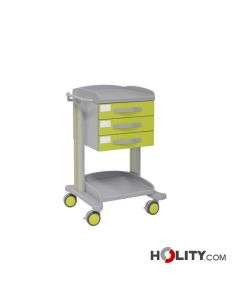
Multipurpose hospital cart in steel and aluminum. Bottom shelf in ABS. Dimensions: W.65 x D.56 x H.94 cm.
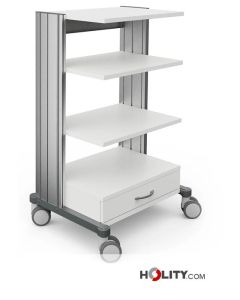
Hospital trolley for transporting medicines with 1 drawer and 3 trays. Dimensions: W54.5 x D56 x H112.3 cm
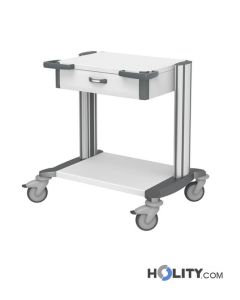
Medical medicine trolley for doctor’s surgeries, clinics and nursing homes, with 1 drawer and 2 shelves. Dimensions: W70.1 x D64.8 x H87.6 cm
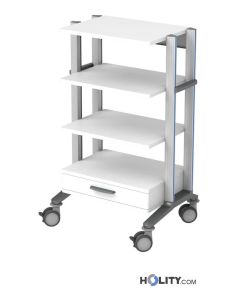
Hospital trolley for equipment transport with 4 shelves and 1 drawer with handle. Dimensions: W71.5 x D57.1 x h117.7 cm
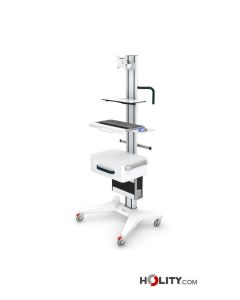
Electromedical trolley with drawer, HPL shelves, adjustable structure and wheels with brakes. Medical device. Dimensions: W 67 x D 54 x H 140 cm.
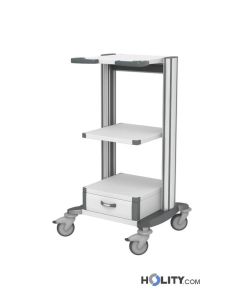
Medical equipment trolley with aluminum structure and frame with 4 wheels. Dimensions: W70.1 x D64.8 x H126 cm
Trolleys for electromedical devices represent an indispensable solution in healthcare environments, as they allow for the safe and organized transport of diagnostic and therapeutic equipment within hospitals, clinics, and medical facilities. These trolleys combine structural strength, ergonomics, and compliance with international regulations, ensuring protection for delicate instrumentation and facilitating mobility for medical staff. The choice of the suitable model depends on the type of equipment to be transported, the dimensions of the operating spaces, and the specific requirements of the healthcare facility. A well-designed trolley reduces the risk of equipment damage, improves operational efficiency, and contributes to the perceived professionalism of the facility.
The logistical organization of medical environments requires tools specifically designed for the transport of sensitive equipment. Trolleys for electromedical devices offer stability during movement, protection from vibrations and accidental impacts, and allow rapid access to instruments during medical emergencies. In high-traffic hospital contexts, where equipment frequently moves between departments, operating rooms, and diagnostic areas, an inadequate trolley carries significant risks: damage to machines, time lost searching for devices, compromised quality of collected data (in the case of ECGs or monitors), and potential inefficiencies in the delivery of care. A trolley made with robust materials and functional design minimizes these problems, ensuring operational continuity and protection of investments in medical technology.
Versatility represents a further decisive advantage. Many hospital trolleys are designed to simultaneously accommodate multiple devices, from lightweight instruments such as pulse oximeters to heavy equipment such as multiparameter monitors or surgical units. Height-adjustable shelves allow the available space to be adapted to specific needs, while swivel wheels with a braking system ensure maneuverability in tight spaces without the risk of accidental sliding. In emergency medicine departments, intensive care, or operating rooms, this flexibility translates into reduced patient preparation times and greater readiness in clinical intervention. Furthermore, a well-organized trolley facilitates disinfection and sanitization, critical factors in hospital infection control.
The catalog of trolleys for electromedical devices is divided into different configurations, each optimized for specific clinical applications. Compact trolleys with one or two shelves represent the most versatile solution for medium-sized facilities, suitable for transporting single devices or combinations of related instruments such as ECGs, defibrillators, or monitoring units. These models, with dimensions typically around 45-50 cm in width and heights varying between 80 and 100 cm, fit easily into hospital spaces without taking up excessive room. Trolleys with three or four shelves, on the other hand, are preferred in situations requiring the simultaneous transport of multiple pieces of equipment or in departments where multifunctionality is essential. These models, while maintaining good maneuverability thanks to the swivel wheels, offer greater load capacity distributed over independent levels, often height-adjustable to adapt to instruments of different shapes and sizes.
Construction variants also include material choices that significantly influence performance and longevity. Painted steel trolleys represent the optimal compromise between cost, strength, and ease of maintenance, particularly suitable for standard departments where the frequency of washing and disinfection is moderate. Aluminum models, lightweight yet very robust, are preferable in high-flow contexts or where the weight of the empty trolley represents a critical factor for staff ergonomics. Stainless steel trolleys constitute the most sophisticated choice for environments where sterility is fundamental or where exposure to corrosive substances is frequent, although they involve more significant initial investments. Practical limitations emerge above all in space management: trolleys that are too wide can create difficulties in narrow corridors, while configurations that are too high make access to the upper layers inconvenient during rapid interventions. The selection must therefore carefully weigh the balance between load capacity and operational practicality for the specific context of use.
The selection of a trolley for electromedical devices must start from a precise inventory of the equipment that requires regular transport. Mapping the total weight, overall dimensions, and spatial configuration of the instruments allows for the identification of the minimum number of shelves needed and the required load capacity for each level. A frequent error consists in oversizing the trolley: although it may seem prudent to choose a model with excessive capacity margins, in reality, unused available space represents inefficiency in movement and greater difficulty in disinfection. Equally problematic is purchasing a trolley with insufficient shelves, as it forces staff to stack instruments improperly, risking damage and compromising access to lower items. A rational approach involves starting from the configuration of the hospital spaces where the trolley will have to move: narrow doors, crowded corridors, standard-sized elevators, or restricted passage areas impose precise geometric limits that the product must respect.
Secondary but decisive criteria include the movement and braking system. Larger diameter swivel wheels (80-100 mm) guarantee smoother sliding on hospital floors and facilitate maneuverability during sharp changes of direction. A reliable brake system prevents accidental sliding, which is particularly important in areas with potentially slippery floors or where the trolley is positioned on slight slopes. The ergonomics of the handle – height, non-slip material, presence of lateral supports – affects staff fatigue during long shifts, a factor often overlooked in the initial evaluation. Common mistakes also include underestimating maintenance requirements: a cheap trolley that is difficult to clean or has components that degrade rapidly with sanitization procedures involves higher hidden costs than a more expensive model made with construction features that facilitate deep cleaning. Finally, preferring manufacturers that offer compatible shelves and accessories ensures the possibility of future adaptations without the need for complete unit replacement.
Hospital trolleys for electromedical devices are governed by European and national regulations that establish standards for safety, robustness, and hygiene. The UNI EN ISO 14971 regulation obliges manufacturers to conduct risk analyses on the trolley intended as part of the medical-healthcare ecosystem, ensuring that no element (edges, openings, materials) can constitute a danger to operators or patients. Trolleys intended for hospitals must also comply with mechanical resistance requirements defined in specific technical standards, such as the load capacity distributed on the wheel axes, stability under maximum asymmetric load conditions, and the absence of structural failure under prolonged cyclic stress. Materials and finishes must allow sanitization according to hospital protocols, which means compatibility with alcohol-based disinfectants, aggressive chemical detergents, and, in some cases, heat sterilization. Limitations emerge above all in the combination of structural strength and cleanability: a trolley designed with continuous surfaces and no crevices allows for faster and more effective cleaning but might sacrifice some customization options.
Specific compliance requirements vary depending on the intended use. Trolleys for transporting electromedical equipment must feature construction solutions that minimize electromagnetic interference and mechanical vibrations potentially harmful to the housed devices. Some Italian regional regulations also require environmental sustainability certifications for the materials used, as well as compliance with directives on waste management in the case of trolley disposal. Safety aspects recurring in hospital audits include: periodic checking of brakes, wheel integrity, absence of rust or contamination, suitability of shelves to support the declared weight, and availability of original technical documentation. A consolidated practice in healthcare facilities consists of the registration and traceability of every trolley in the inventory, linking it to the manufacturer’s serial number and preventive maintenance dates, ensuring compliance with quality management standards such as ISO 9001. Neglecting these aspects exposes the healthcare facility to significant legal and reputational risks, in addition to compromising daily operational safety.
Explore all products in the category and compare the available solutions to find the one best suited to your operational context. Choosing the right trolley optimizes internal logistics, protects investments in medical technology, and contributes to raising the facility’s operational standards.
Dimensions vary based on the configuration, but the most common models have widths between 45 and 60 cm, depths between 43 and 50 cm, and heights between 80 and 110 cm. The choice depends on the space available in hospital corridors and the dimensions of the equipment to be transported. Compact models take up less space, while larger versions offer more load capacity distributed over multiple shelves.
Painted steel is more economical and robust, ideal for standard departments with routine maintenance. Aluminum is lighter, facilitates movement for staff, and stands up better in high-traffic environments. Choose aluminum if the weight of the trolley represents a critical ergonomic factor or if the operation is particularly intense.
Quantify the equipment that must be on the trolley simultaneously and their total weight. Trolleys with two shelves are versatile for most departments; three or four shelves are preferred for transporting several related devices at the same time. Avoid oversizing, which reduces efficiency and facilitates errors in the positioning of instruments.
The trolley must comply with the UNI EN ISO 14971 standard for risk analysis, exhibit certified mechanical resistance, allow for effective sanitization with hospital disinfectants, and have reliable brakes. Technical documentation and the serial number must always be traceable in the facility’s inventory.
Swivel wheels guarantee maneuverability in tight spaces and crowded corridors. A diameter of 80-100 mm facilitates smooth sliding on hospital floors, reduces physical effort for staff, and allows for sharp turns without jamming. Ensure the braking system is robust and the wheels are easily replaceable.
Many hospital trolleys are multi-functional and can accommodate different instrumentation depending on the configuration of the shelves and the accessories mounted. However, each use must respect the load limits declared by the manufacturer and not compromise the protection of delicate equipment. Consult the technical documentation before any unintended adaptations.
 English
  Italian
 French
 German
 Spanish