
mon-fri 9-13 / 14.30-18.30
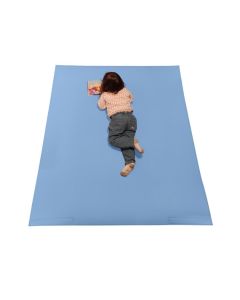
Blue nursery school mat (130x100x1 cm) in polyethylene foam and PVC. Floor fixing with velcro, M2 fireproof, waterproof and antibacterial.
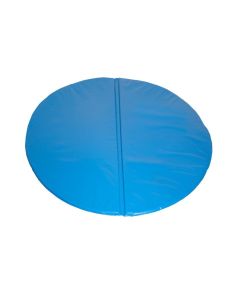
Round folding mat for nursery h999_37 (Ø 150 cm x 3 cm). In high-density foam (25 Kg) waterproof and M2 fireproof. Modular with velcro.
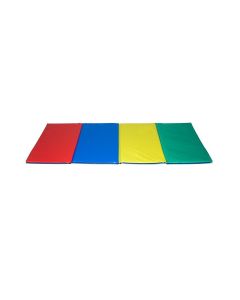
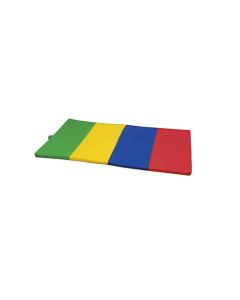
4-part multi-colored folding mat (200x100x3 cm). Made of 25 kg/m³ foam and non-toxic flame-retardant PVC. Space-saving and safe for children’s activities.
Striped psychomotor mat for daycare h364_84 with 25 kg/m³ density foam padding and fire-retardant Class 1 SUPERWASHABLE fabric cover. Dimensions: 170 x 100 x 4 cm.
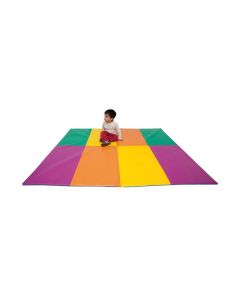
Set of two multi-colored folding tatami mats (200x150x2 cm) in 35 kg PE foam. Safe space-saving solution for psychomotricity and nurseries.
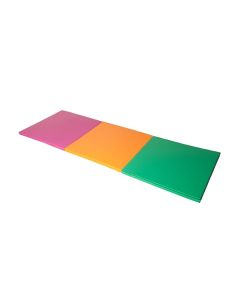
Folding mat for nurseries (300x100x5 cm) in LD 30 foam and colored PVC coating. Space-saving and safe for psychomotor activities.
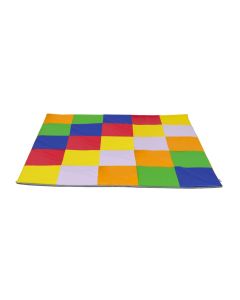
Psychomotor checkered mat for nursery schools h364_83 with 25 kg/m³ density polyurethane foam padding and non-toxic, fireproof Class 1 SUPERWASHABLE fabric cover. Dimensions: 145 x 145 x 3 cm.
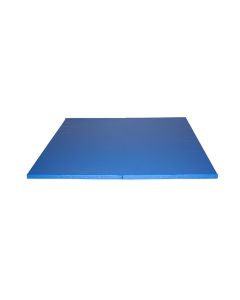
Set of two folding mats for nursery h999_36 (200x200x5 cm) in LD 30 foam and blue PVC. Space-saving safe solution for psychomotricity.
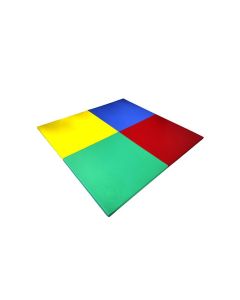
4-color folding mat (200x200x4 cm) in PE-30 foam and M2 fire-retardant PVC coating. Safe space-saving solution for schools and gyms.
The selection of shock-absorbing surfaces and early childhood modules represents a fundamental pillar in the design of educational spaces dedicated to early childhood. Our daycare nursery mats are specifically designed to meet the strict hygiene, structural safety, and thermal comfort requirements of modern pedagogical contexts. These solutions are not limited to covering existing flooring, but actively integrate into interior architecture, transforming cold and rigid surfaces into environments suitable for free motor exploration. Every single element meets high standards for the density of internal polyurethanes and the resistance of external coverings, ensuring dimensional stability and durability even under intensive and continuous daily use.
A correct setup of internal areas involves the integration of flooring systems that support the psychomotor development of children in the delicate age range between zero and three years, preserving their safety during their first attempts at walking and during microscopic spatial exploration activities. Investing in certified products specifically developed for early childhood allows for the optimization of classroom logistical management, facilitating ordinary and extraordinary sanitization operations. The choice of materials favors chemical formulations free from harmful volatile substances, ensuring maximum indoor air healthiness in protected school contexts.
The adoption of adequate modular or continuous flooring within early childhood educational services responds to the primary need to protect the physical safety of young guests during ground play and rest phases. The daycare mats and large play mats perform a crucial thermal insulation function relative to the underlying screed, preventing the transmission of cold and maintaining a constant and comfortable surface temperature for the child’s body. The shock-absorbing component is calibrated to reduce the impact force resulting from accidental falls, frequent during the learning of upright posture and wal
Ordinary cleaning requires the use of a soft cloth moistened with warm water and neutral sanitizing detergents with medical-surgical device action. Avoid using abrasive sponges, chlorinated solvents, or pure alcohol-based solutions that could alter the elasticity of the polyurethane plastic coating.
For the nursery age group, a standard thickness between thirty and fifty millimeters is recommended. This measurement ensures the perfect balance between shock energy absorption in case of a fall from the child’s center of gravity height and the stability necessary for the first stable steps.
Professional models use closed-cell expanded polyurethane cores combined with totally waterproof and sealed external coverings. This structural configuration prevents the penetration of dust, sweat, and liquids inside the module, preventing the proliferation of mites,
 English
 Italian
 French
 German
 Spanish