mon-fri 9-13 / 14.30-18.30
The theme of how to cool an industrial warehouse Heat represents one of the main critical issues in managing production and logistics environments, especially during the summer months. Large surfaces, high ceilings, and the presence of machinery create complex environmental conditions, in which heat tends to accumulate rapidly.
Addressing this problem requires a technical and structured approach that takes into account the characteristics of the building, air flows, and operational needs. The choice of solutions industrial cooling It cannot be standardized, but must be calibrated according to the specificities of the context.
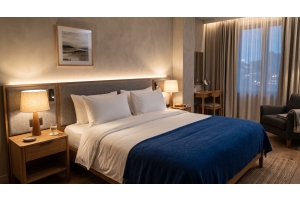
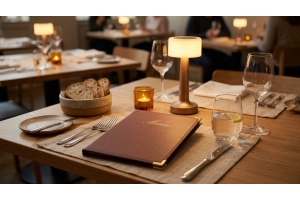
Boutique hotel furniture is not just a simple aesthetic element, but a strategic lever that directly impacts the positioning of the structure. In an increasingly competitive hospitality market, standing out means building a clear, recognisable identity that is consistent with the target audience. Furnishings therefore become a design tool that helps define the overall guest experience.
For owners of accommodation facilities, designing spaces requires an integrated vision that combines design, functionality and perceived value . Every choice, from materials to finishes, right down to the distribution of spaces, has a concrete impact on the customer's perception and on the structure's ability to position itself in a market segment consistent with its objectives.
The hotel guest experience is the result of a combination of factors that go far beyond a simple overnight stay. Every element, from the quality of service to the care of the environments, contributes to defining the overall perception of the stay. In this context, in-room accessories take on a strategic role because they represent the most direct point of contact between the property and the guest.
It is not just about functional equipment, but elements that communicate attention, organization, and quality. A well-equipped room immediately conveys a sense of care and professionalism, positively influencing customer satisfaction. Investing in hotel room accessories therefore means intervening in one of the most tangible aspects of the customer experience.
When a municipal technical office starts a supply of street furniture for municipalities, it often finds itself faced with a recurring criticality: the lack of a clear structure that allows it to translate real needs into coherent technical choices. The result is a heterogeneous selection of products, difficult to compare and, in some cases, exposed to disputes or operational inefficiencies.
The complexity does not only concern the choice of individual elements, but the entire process: from the interpretation of the needs to the construction of a defensible technical specification. In this context, it becomes essential to adopt a structured approach, capable of integrating functional analysis of the spaces, objective technical criteria and comparison logic between suppliers.
Inside healthcare facilities, thehospital furniture It represents a key element in ensuring comfort, safety, and functionality during the patient's stay. The configuration of hospital spaces is not just about aesthetics; it directly impacts the quality of care and the operational efficiency of healthcare professionals. Each component must be designed to meet clinical, organizational, and health and hygiene needs.
A correct choice of furnishings allows for improved management of daily activities, easier assistance and reduced critical issues related to space. hospital furnishings for hospitalization They must therefore be selected taking into account both the needs of the patient and those of the operators, ensuring a balance between functionality, safety and durability over time.
’ street furniture represents the set of elements and solutions designed to organize, make functional and improve public spaces. These are not just aesthetic components, but operational tools that contribute to the daily management of squares, streets, parks and collective areas. Street furniture products respond to concrete needs related to the usability of spaces, the safety and comfort of users.
In the current context, street furniture takes on an increasingly strategic role for public bodies, municipalities and managers of collective spaces. The choice of street furniture products directly affects the organization of areas, the perceived quality of environments and the ability to guarantee efficient services. Understanding which elements fall into this category is fundamental to designing coherent and functional interventions.
Inside hotel rooms, every element contributes to defining the quality of the experience perceived by the guest. Among the increasingly widespread amenities, the electric kettles for hotels represent a simple but significant solution, capable of improving the level of comfort and autonomy during the stay.
It is not a secondary accessory, but an element that responds to concrete needs, such as the possibility of preparing a hot drink at any time of the day. In a context in which attention to detail affects the overall evaluation of the structure, the kettle takes on a functional and strategic role.
Within industrial and production contexts, warehouse management represents one of the most critical elements for ensuring operational continuity and process control. Metal warehouse containers fit into this scenario as fundamental tools for organizing materials, optimizing available space and improving the management of logistics flows. Their diffusion is linked to the need for robust, reliable solutions that can be adapted to complex production contexts.
Over time, the role of containers has evolved from a simple storage support to an active component of internal logistics. Today they help make departments more orderly, facilitate handling and reduce the margins of error in daily operations. A correct choice does not only concern the product itself, but the way in which it integrates into company processes, influencing efficiency, safety and productivity.
Within a healthcare space, each element contributes to defining the operational efficiency and quality of the service offered. The term technical furniture for outpatient clinics refers to the set of furniture and solutions designed to support clinical activities, organize instruments and ensure adequate conditions for both healthcare personnel and patients.
The choice of furniture is not just about aesthetics, but directly affects functionality, hygiene and the perception of the environment. In medical practices and clinics, a coherent organization of spaces is a fundamental element for working in an orderly manner and conveying professionalism.
In the context of thestreet furniture, the choice of materials for benches and street furniture It represents a crucial variable both in terms of performance and integration into public spaces. Benches are not simply functional elements, but structural components that contribute to the perceived quality of squares, parks, and community areas. The choice of material directly impacts durability, maintenance, and aesthetic appeal over time.
 English
  Italian
 French
 German
 Spanish